
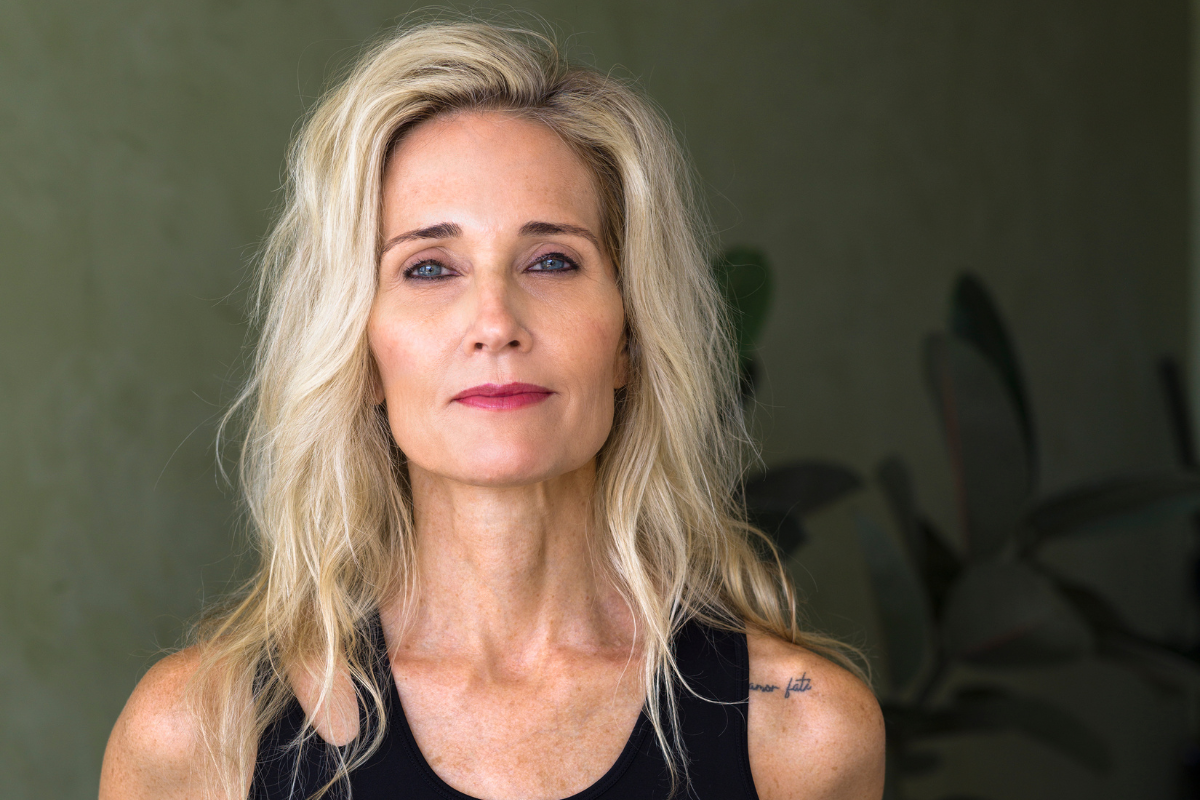
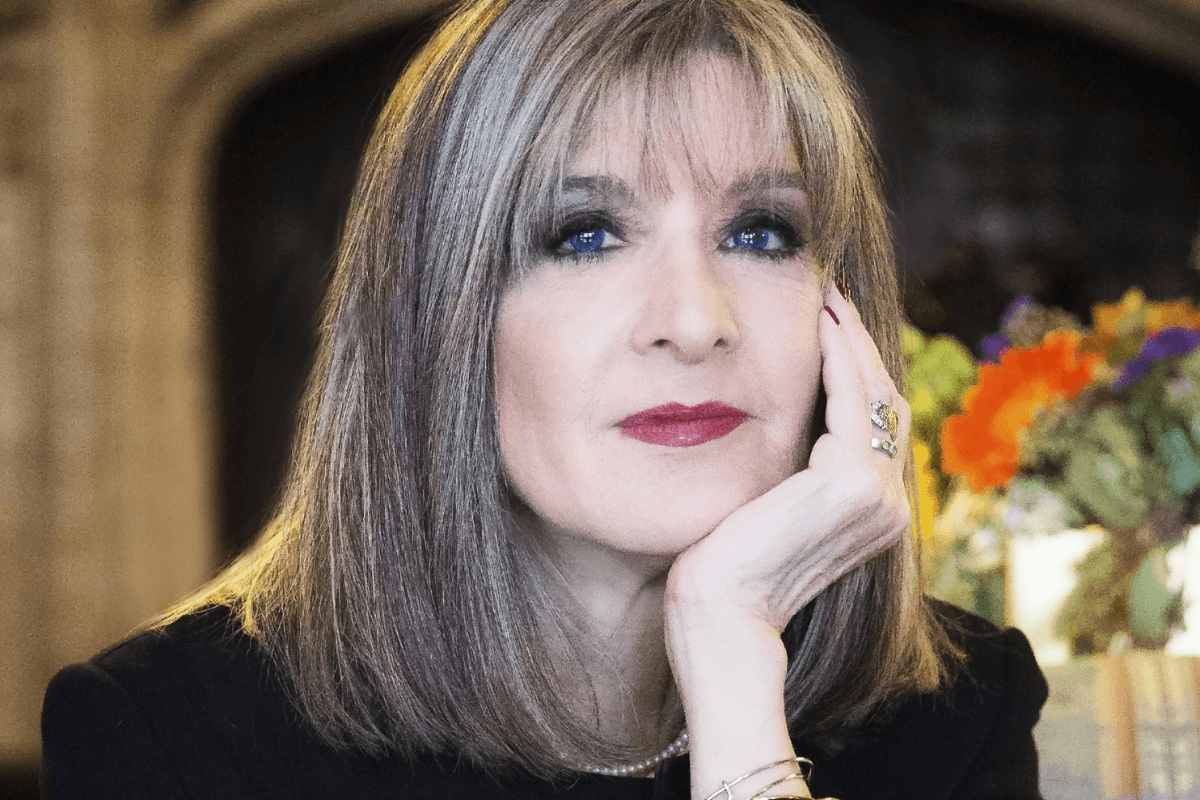
Kimberly McCreight is the New York Times bestselling author of Reconstructing Amelia, Where They Found Her, A Good Marriage, Friends Like These, and Like Mother, Like Daughter, as well as a young adult trilogy, The Outliers. She’s been nominated for the Edgar, Anthony and Alex awards, and her books have been translated into more than twenty languages. She lives in Brooklyn.
Tell us about Someone Else’s Husband. What inspired this book?
The initial seed for the novel was planted when I climbed Mount Kilimanjaro in the summer of 2023. It was the last stop on my own Eat, Pray, Love journey following my divorce. When I arrived in Tanzania, I was surprised to find that I was the only female climber. The guides, support staff, and porters were also all male. As a result, I was the only woman among dozens of men for the nine-day expedition. Everyone treated me with profound respect and kindness, though, and I was never once uncomfortable.
However, I was, naturally, very aware of both my gender and my status as a newly divorced woman. For the first time in my adult life, I was no longer “the wife” in the eyes of the world—an identity that had both confined and comforted me for more than 20 years. Given the timing, it felt like kismet to experience this shift in perspective in such a male-dominated space.
In terms of the climb itself, my Kilimanjaro expedition was exceptionally well run. At all times, I felt physically safe and supported and everyone summited and returned safely. In those respects, the ill-fated climb depicted in Someone Else’s Husband is quite different than my own. But I certainly drew on my sensory experiences in crafting the novel. And the aspects of the novel which occur in New York City are, of course, pure invention. Although the extent to which New York City is a character in the book—all of that is also based on a lifetime of living here.
And so the novel is a mystery about a love triangle, but first and foremost it’s about two very different women trying to understand themselves and their place in the world.
You have a lot of adaptation activity on your books. Has this changed how you approach your writing?
No. The potential for adaptation hasn’t changed the way I write, nor could it. The reality is, we writers tend to write the way we write—for better and for worse! However, I will say that I am a very visual writer, meaning that I picture my books as movies in my head as I’m writing them. When a scene isn’t working, I literally rewind it and start again—i.e., let’s have her in the restaurant when we open, instead of walking in. (Don’t worry, I don’t always talk to myself in the first-person plural.) I do think this might lend the novels a certain cinematic quality. But it’s hard enough to write a book, much less try to write a book and a television show at the same time!
However, I do consider the moment in time we’re in and how we’re feeling collectively when I sit down to write a book. Our world is a confusing and scary place right now, and I think that’s why Someone Else’s Husband, while still a mystery, is probably my least-dark book. I personally want an escape from darkness right now and I imagine many other people do too.
When your books are optioned, what does your involvement typically look like behind the scenes?
My involvement has varied significantly in each circumstance. On my last three projects, I have been a writer or co-creator. My earlier books were simply optioned. These days, I’m often an executive producer, even if I’m not writing, but the meaning of that term varies widely. Sometimes it can mean you’re involved in helping find the right writer or showrunner or that you get the chance to weigh in on actors. And sometimes that title is little more than a contractual opportunity.
In the end, it depends on the details of the deal and also the working styles of the producers and studio. I have had circumstances where my only involvement is to be updated at critical stages, all the way up to my current project where my showrunner and I are fully in the weeds together.
You’ve had experience with film and TV at different stages of development—what have you learned about the adaptation process that novelists should be aware of?
It took me a long time to realize that my impression that everyone in Hollywood was using the same words in slightly different ways and that they sometimes mean different things (i.e., showrunner) is true. But that’s simply a function of the variability within the industry rather than anyone deliberately hiding the ball—okay, sometimes they are hiding the ball. But once you recognize that there is some obliqueness to the entire process, it can help enormously.
My suggestion would be to ask questions. It can be intimidating to be the newbie in a room full of experienced people, but the fact is: there are no hard and fast rules in Hollywood. And that means it’s fair to want things spelled out clearly. Caveat: sometimes you will get an answer that leaves things even more unclear, but it’s still worth a try!
You’ve had your work picked up by major players across the industry—from HBO to Amazon to Amblin. Does each partner bring a noticeably different approach to adaptation?
Absolutely. Every partnership is different, as is every studio and producer and even across projects with the same studio and producers. It depends on the other players involved, who is driving a given project, and a host of other factors including the nature of the project itself. For instance, sometimes a streaming platform is the studio and sometimes it’s not. Some studios also function as producers. Some producers have overall deals and some can sell to anyone. This is true of some studios, too. All these elements are project-specific.
These differences are much greater than they are between book publishers. Having now worked with more than one company in both arenas, I will say that publishing is far, far more straightforward. Things have changed in publishing over time also, but not nearly as rapidly or dramatically as with TV.
In publishing the steps to bringing a book out are pretty much the steps, though each publishing house has its own preferences, personality, and strengths.
There’s always a conversation around “staying true to the book.” From your perspective, what actually matters most?
What matters most is making a great TV show.
Now that I’ve had the opportunity to be involved in the writing of a pilot and the creation of a series, one of my favorite parts of the process is inventing new material—storylines, characters, twists—to serve the show. Oftentimes it will be aspects of the story I just didn’t have space to explore in the book.
I think the part about staying true to the book that matters is not making changes that unravel the whole thing, particularly in the case of a mystery. That’s where it can be really helpful to involve an author because there are a lot of times where it’s obvious to me that a thread doesn’t matter and can be changed to build out a story or done away with entirely. Similarly, there are occasions where I know the knock-on effects of shifting something—often because I considered it in writing the book. That doesn’t mean you can’t make the change. You just need to account for the consequences.
But I really don’t believe in staying true to the book for the sake of staying true. And I would caution any novelist who feels that way about optioning their material to anyone but the most trusted partners.
For writers watching from the outside, “optioned” can feel like the finish line. From your experience, what does it really mean?
In the most realistic terms, an option means a little immediate money in your pocket and a lottery ticket where you have very long odds of earning a bit more.
It also depends a little bit on whether you’re going to have the opportunity to write the screenplay—for television or film. And, to be clear, it’s very hard to get that opportunity at first. Usually it requires some kind of competitive situation—multiple parties wanting to option your book—to negotiate for it. That or a pre-existing background in film or television or a book that’s already an eye-popping blockbuster. Lots of negotiating leverage, in other words. It wasn’t until my seventh optioned book that I was able to get the chance to write and even then that was lucky.
But if you do get the chance to adapt, you’ll have the opportunity to learn about a whole new way of storytelling, often from some spectacularly talented people. That, in itself, is a gift. Not to mention getting into the WGA, which I highly recommend!
The reality is, most optioned projects don’t get made. And past that even fewer are successful. Television and film are very volatile industries right now and it’s hard for even very famous people to get their passion projects moving.
I do think that announced options can get a book some much-needed attention in our distracted world. That said, announcements of book options are also less common these days, probably because it’s so hard to get things over the finish line.
Have you had any especially collaborative experiences with producers or showrunners that changed your perspective on adaptation?
Yes! My partnership with my showrunner/co-creator on my current project, as well as my relationship with the producers, has been amazing. It has really renewed my faith in the entire industry. Everyone has treated me with such respect and straightforwardness and we’ve been so creatively aligned from the start. It’s a little bit magical. They are also all just such lovely and immensely talented people that I partly want the project to be greenlit just so we can all hang out in New York together!
Can you tell us where the projects currently stand?
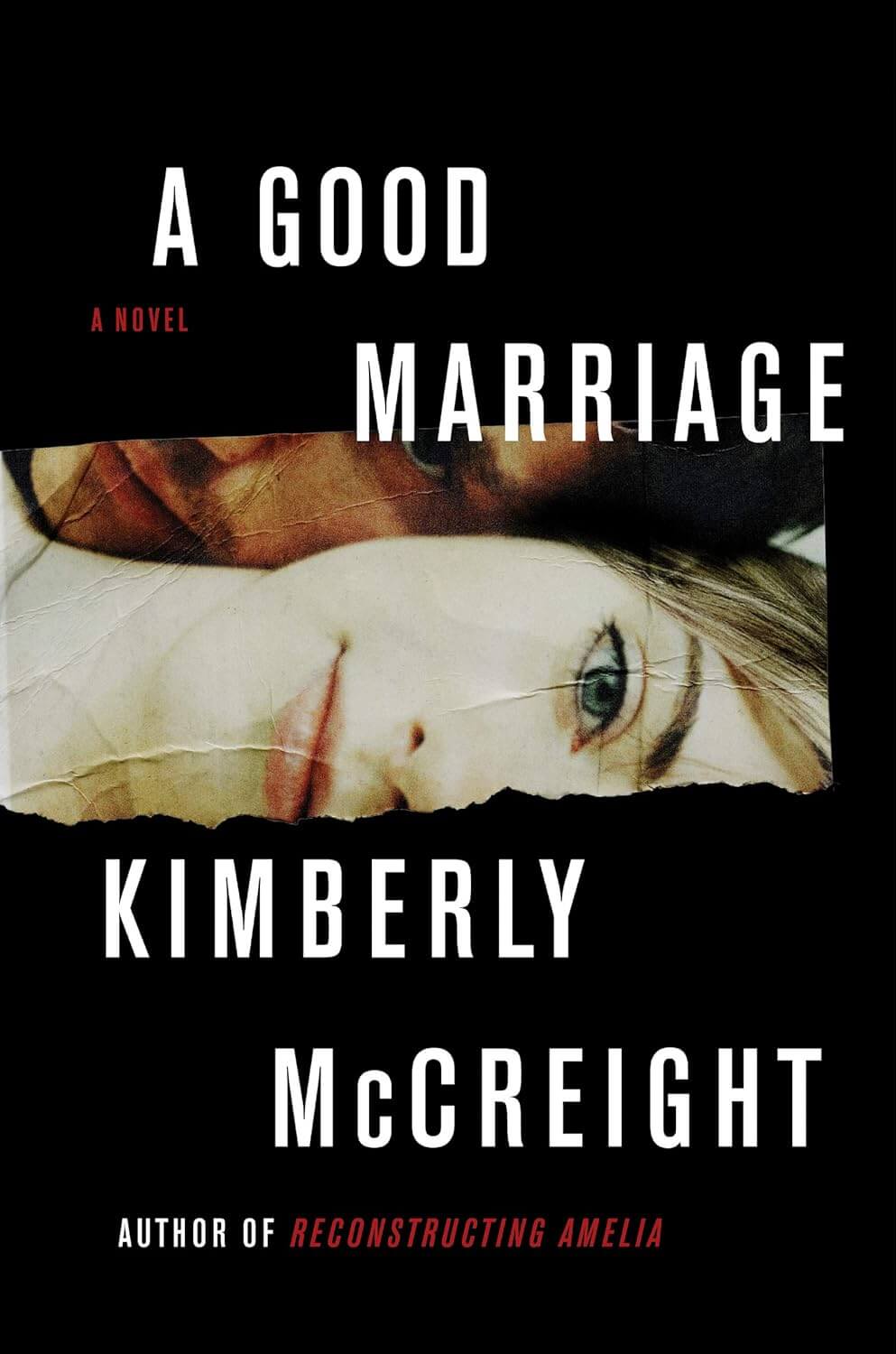
All nine of my novels have been optioned at some point, with, as fate would have it, four currently in active development for television. One of the projects, A Good Marriage at Amazon with Nicole Kidman’s Blossom Films and David Farr (The Night Manager), has been officially announced. The other three have not, though I promise there are very exciting people involved!
And while I’d love to break news here, one thing I have learned in Hollywood is never, ever do that, no matter how much you want to.
What advice do you have for authors hoping to get their books optioned? What—if anything—do you feel authors can do to help a project make it all the way through the process of becoming adapted?
Get a great book-to-film agent who you trust and with whom you can have a direct relationship, and then be clear what your objectives are. It doesn’t mean they will be feasible, but no agent is going to assume you want to adapt unless you say so. Be very careful about who you option your book to. The legal reality is you will not have much control or recourse if you don’t like the way things are going—if something goes south they have the right to do what they want during the option period. Most reputable producers don’t want an unhappy novelist and aren’t going to ignore you, but not everyone is reputable! Be clear with your agent at the outset and then your partners about your expectations—again, there are no clear rules and you may be making assumptions that not everyone shares.
Remember you can always go adapt your own project and then try to sell it into the marketplace. A great script is a great script and a lot of incredible movies and shows started this way. Sometimes rolling the dice at the outset can be the exact right way to go.
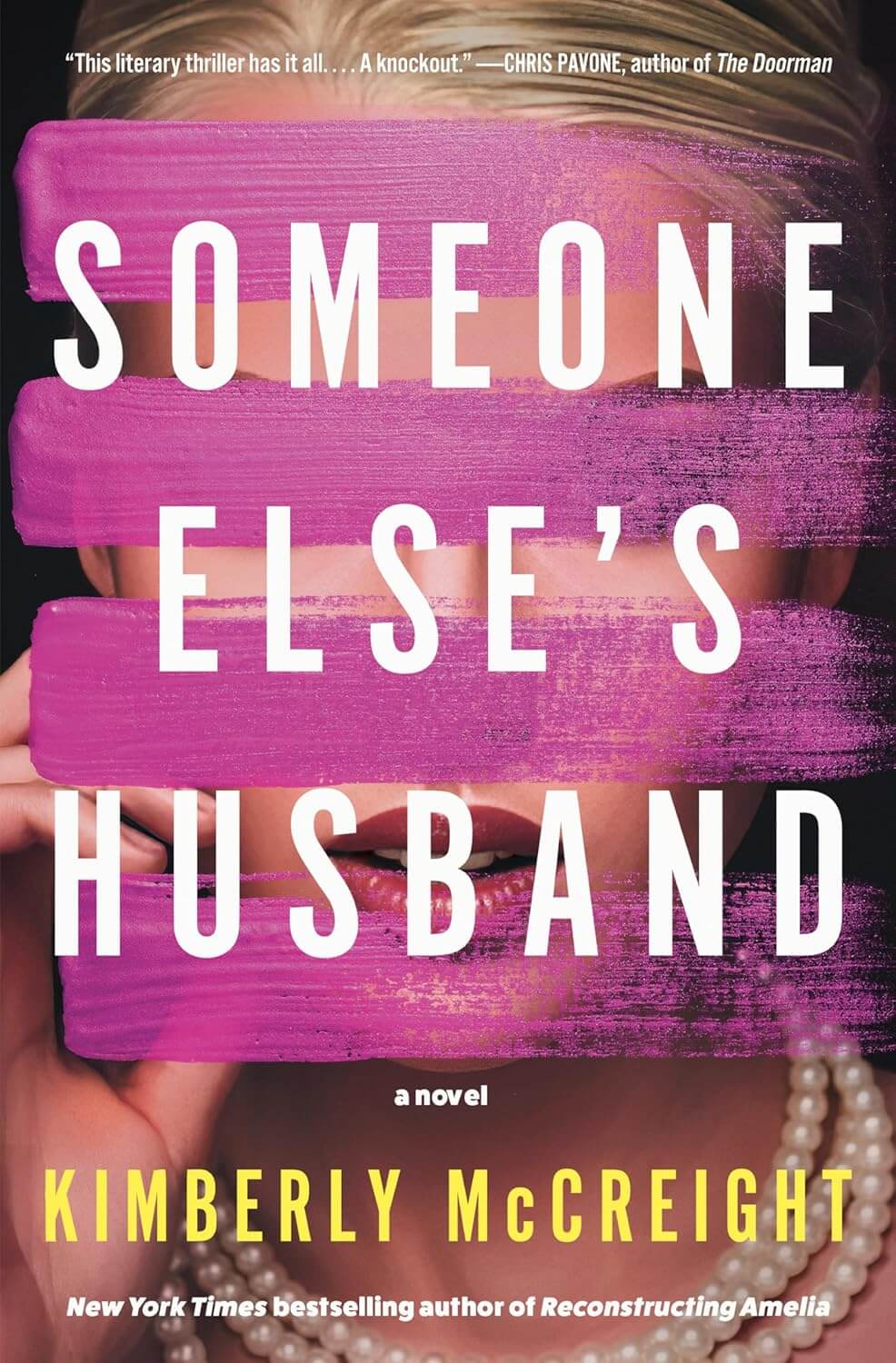
Someone Else’s Husband by Kimberly McCreight
Gretchen Falk’s carefully curated life of wealth, marriage, and privilege begins unraveling after her husband Richard joins a climbing expedition on Mount Kilimanjaro alongside ambitious artist Frankie Callahan. What starts as an unexpected connection between Richard and Frankie spirals into tragedy when Frankie is later found murdered and Richard becomes the prime suspect. As Gretchen searches for the truth, she’s forced to confront betrayal, obsession, and the possibility that the perfect life she built may have been far more fragile than she ever realized.
Buy the book now: Bookshop.org | Amazon

Leave A Comment