
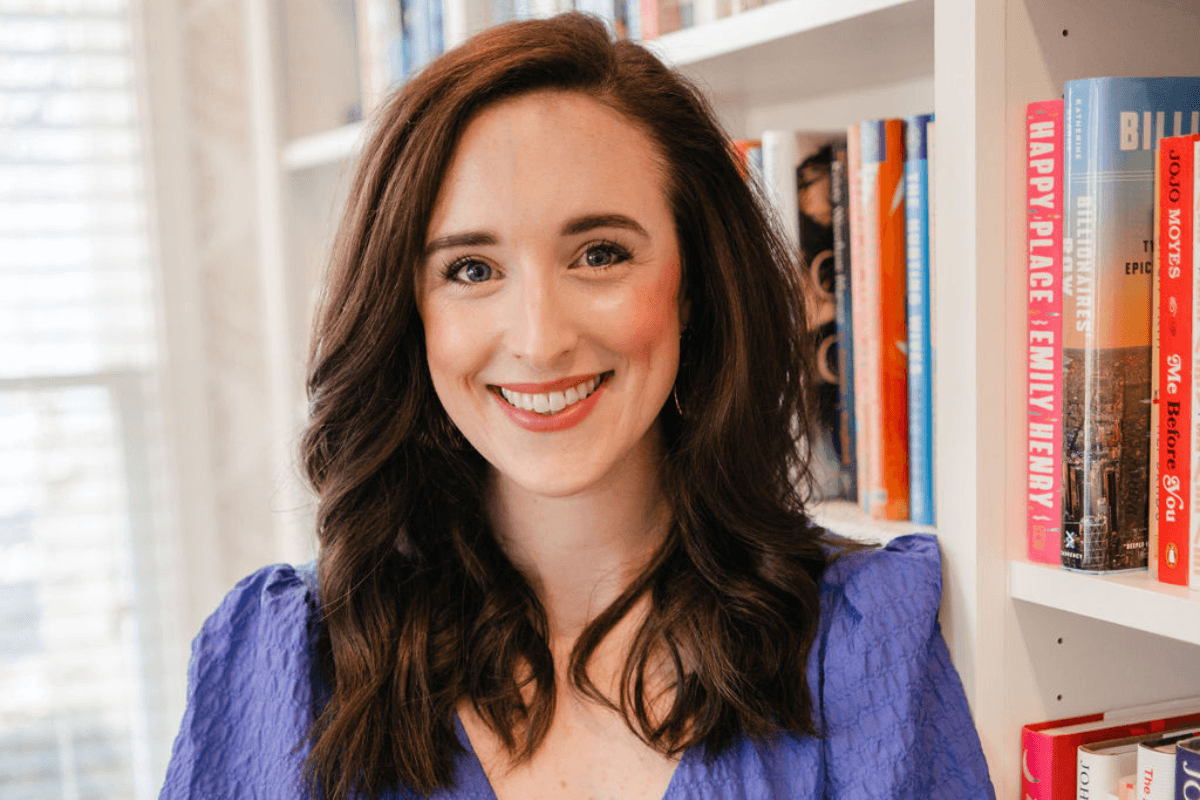
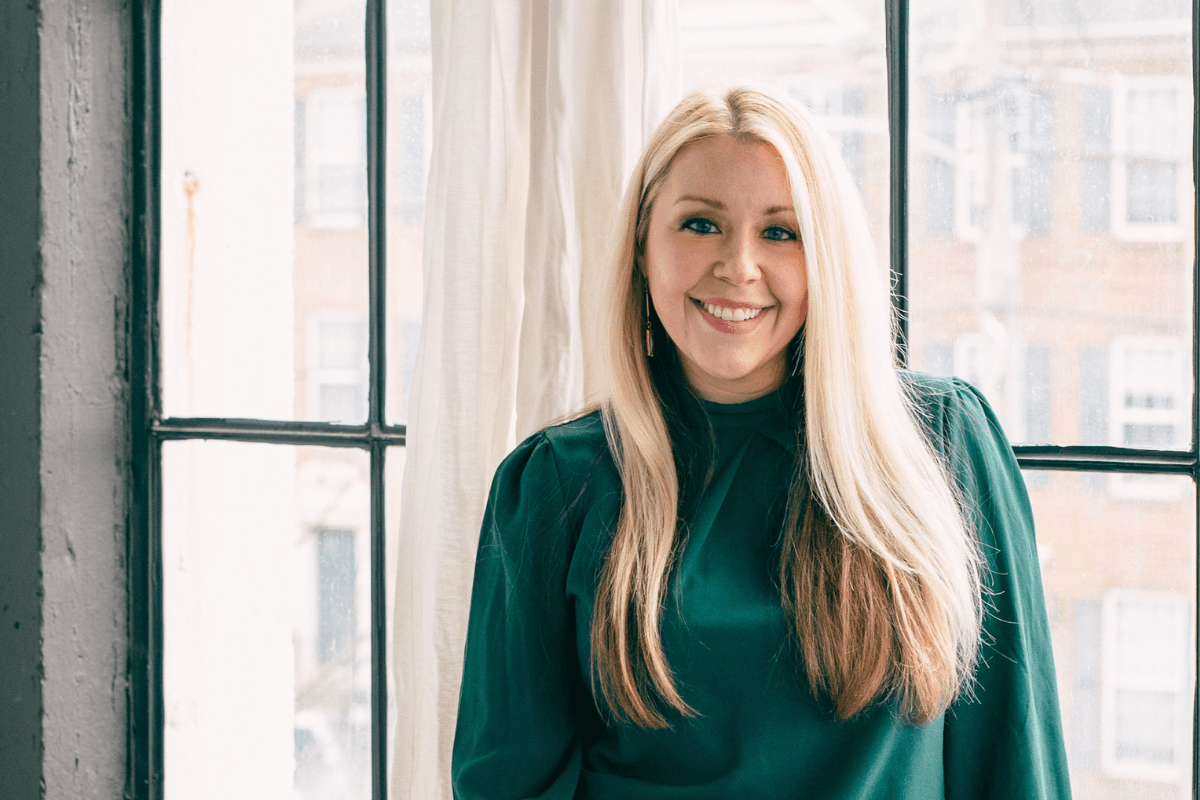
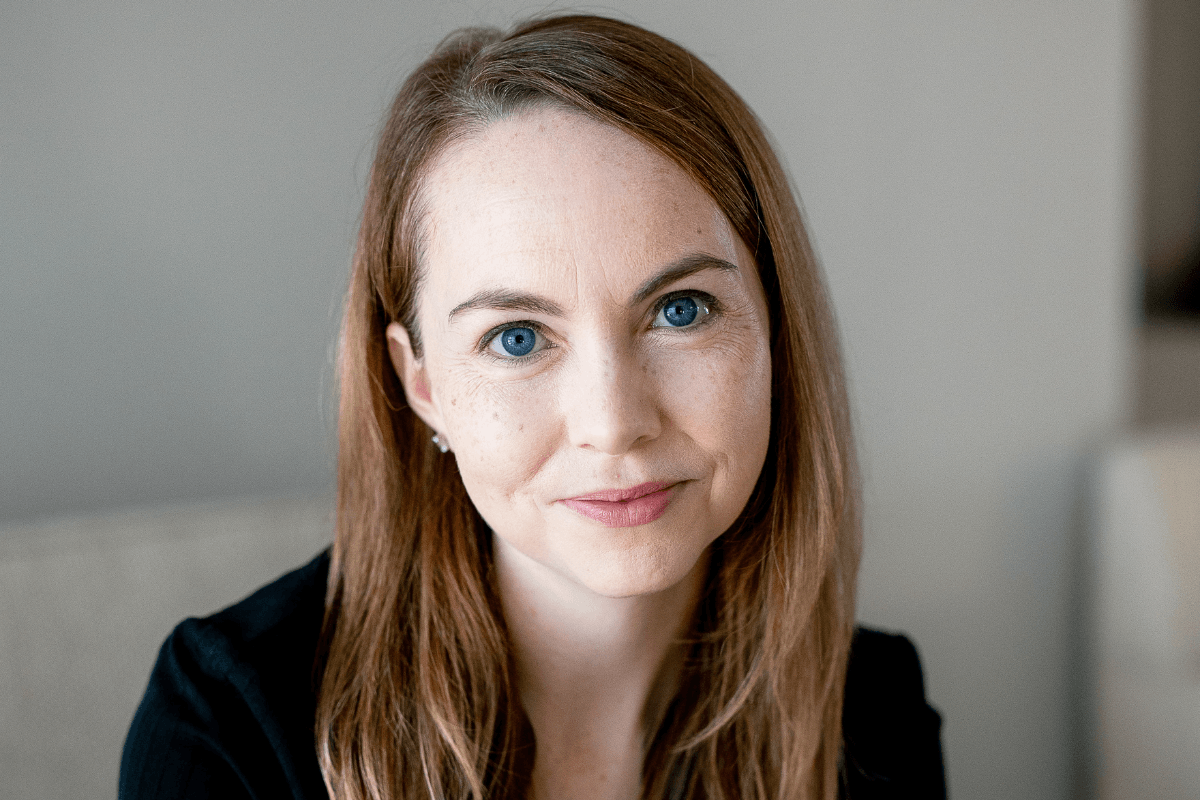
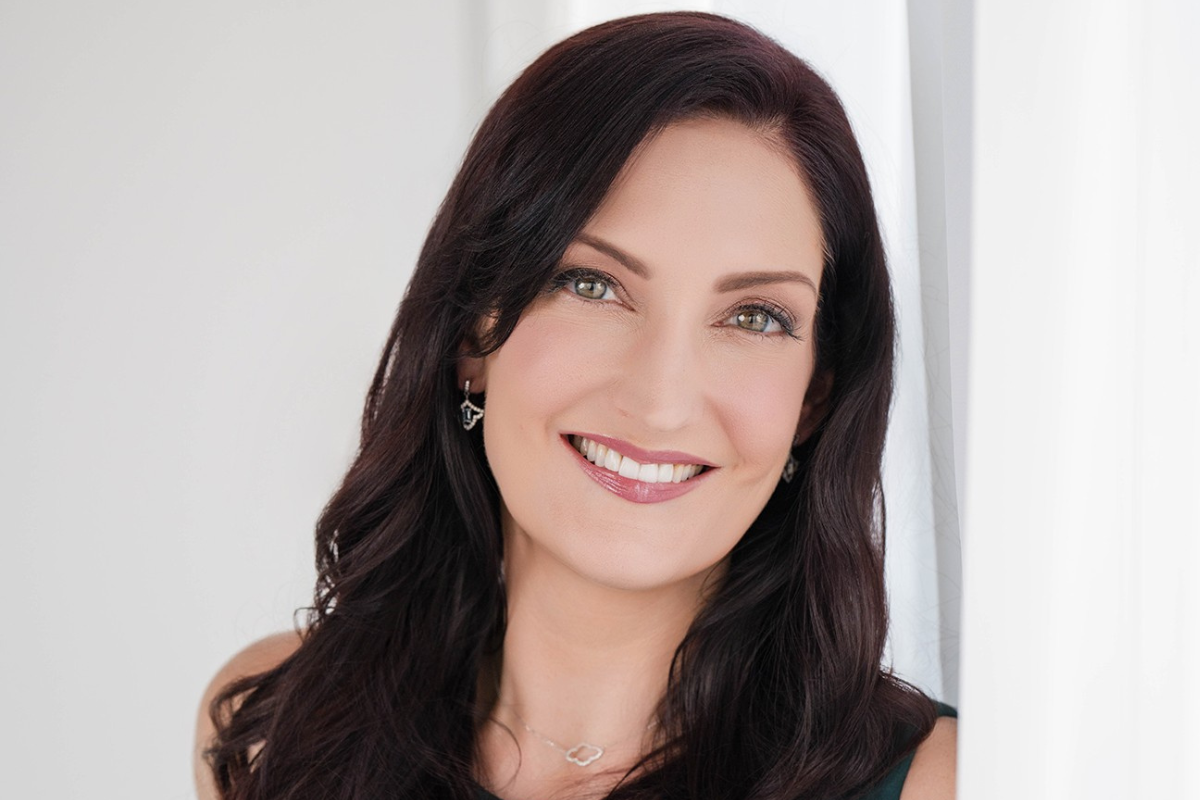
Grace Helena Walz received a master’s in social work at the University of Houston and worked with children in foster care, as a medical social worker, and in a mental health capacity. She currently resides outside of Atlanta, GA, with her husband and two young children. She writes women’s fiction in the moments between sticking Band-Aids on scraped knees and coordinating pint-sized social engagements.
Confession: I love the editing process. Trust me, I know that’s hard to believe. But it took a winding road for me to get here. I started out as a perfectionist, former A-student who saw edits as simply another red pen markup, a grade I wanted to ace. And if an editor was going to scrawl bloody red over my work, I would do my darnedest to minimize the impact and keep my history of academic achievement intact. Afterall, if I was a good writer shouldn’t I be able to do it all on my own? Sure, I’d acquiesce to a proofread. We all make typos here and there.
A few years ago, I started to feel like my early drafts weren’t strong enough, and I wondered if there was a shortcut. As an efficiency-loving mother of two, I was always looking for ways to optimize the time I had between carpool and grocery shopping especially when it came to my writing. I envisioned how nice it would be to avoid someone else poking holes in the story I’d written, pointing out the shortcomings of the character arcs, the flimsiness of their motivations, and got to planning.
I decided—in a flash of woeful inspiration—that perhaps it might be possible to bootstrap my way to writing an immaculate first draft. All I needed was a stronger outline, clearer character profiles, and a deeper understanding of the heartbeat of the story. Surely I would clear the path for myself that way. I did get better at the pre-writing work, my early drafts got tighter, but as it turns out there’s no out-planning or out-writing the need for editing. Bless that version of me. She really did have good intentions, but alas, the perfect first draft still, to this day, alludes me.
At the core of my desire to write a perfect first draft was a misbelief about what editing really is. I thought that it was up to me, the author in charge, to hold every possibility for the story, that a good writer should be able to outwork blind spots, that if I just worked hard enough I could do it all. It was as exhausting as it sounds. And boy was I wrong. It took staring down the publication of my debut novel, Southern by Design, and feeling a searing desperation for readers to love my story for my perspective to change.
From that position my new editor looked exactly like the knight in shining armor she turned out to be. Knowing that this book would be sent out into the world permanently, no calling it back for tweaks or changes, I drank in her edit letter. It became more important to me to give my readers the best book I could rather than being the person with all the answers. I knew I needed her insights, her perspective, the fruits of her years of experience, and suddenly everything in my perspective was changed.
Embracing editorial feedback didn’t make me a lesser writer, it made me wise.
I came to see editing as an opportunity. A professional with more experience than me was going to look at my work and give me pointers. I would get to borrow their brain and avoid potholes in the road that only she could see. This person wouldn’t be out to get me. Editing wasn’t my book being “graded” to reflect every way in which I’d fallen short. It was a collaboration with someone who believed in my work and wanted it to reach readers—the very person who’d brought it to the acquisitions table and made a case for it. Both of us wanted readers to love the book.
I have been very fortunate to have worked with the same incredible editor at my publisher on all three of my published novels. Recently I told her that I feel like she’s the girl in the bathroom who warns me that there’s toilet paper stuck to my shoe before I walk out back into the restaurant. She’s got my back. She’s got the story’s back. I don’t want to send a book out into the world unless I can genuinely say that I—we—have done everything we can to make it the best possible version of the story. And I now appreciate how it’s impossible for any one single person to do that on their own.
These days I get excited about the possibilities for the manuscript when it’s time for edits. I dig back into the manuscript with confidence, knowing that the story I love, one I hope my readers will too, can become even more of itself. It’s still not perfect—nothing is—but for me it’s made a world of difference.
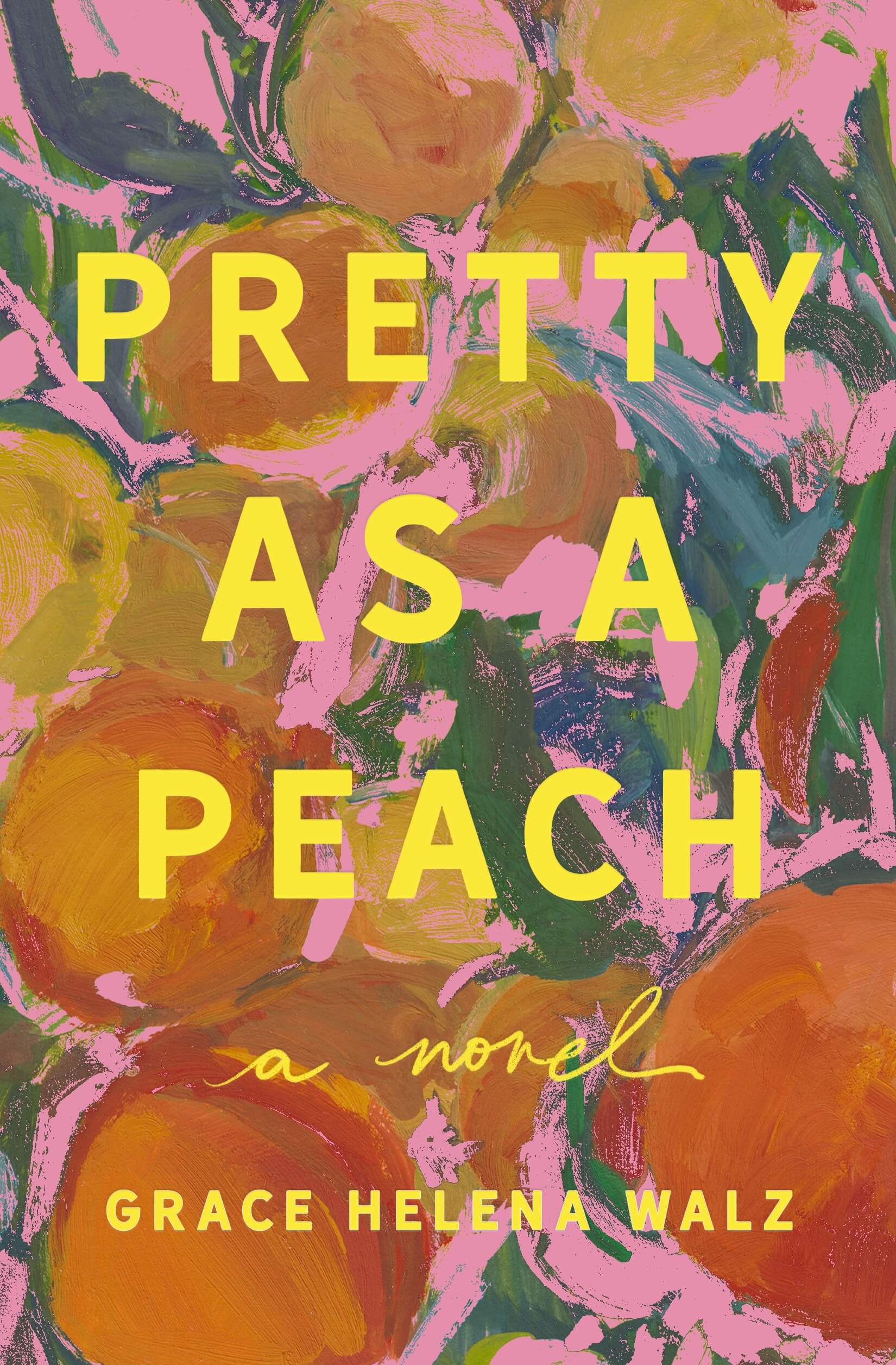
Pretty as a Peach by Grace Helena Walz
Delilah Thomas is a peacemaker in her family and with her preschool students. Her peacemaking abilities are challenged when a suspicious beauty company, Peach Pit, starts targeting the women in her town to be their sellers. While they claim to be all-natural and organic, their products are causing rashes and Peach Pit refuses to take any responsibility. When one of Delilah’s friends, Betsy, lets her in on an disturbing secret, Delilah can’t play peacemaker anymore. She decides to investigate the company with the help of her neighbor Mrs. Chopra and travel journalist Jasper. In her sleuthing, Delilah discovers the scary truth which will force her to make a choice. Will she stop searching for the truth and expose Peach Pit’s secrets even though the cost may be higher than she realizes?
Buy the book now: Bookshop.org | Amazon


Leave A Comment