
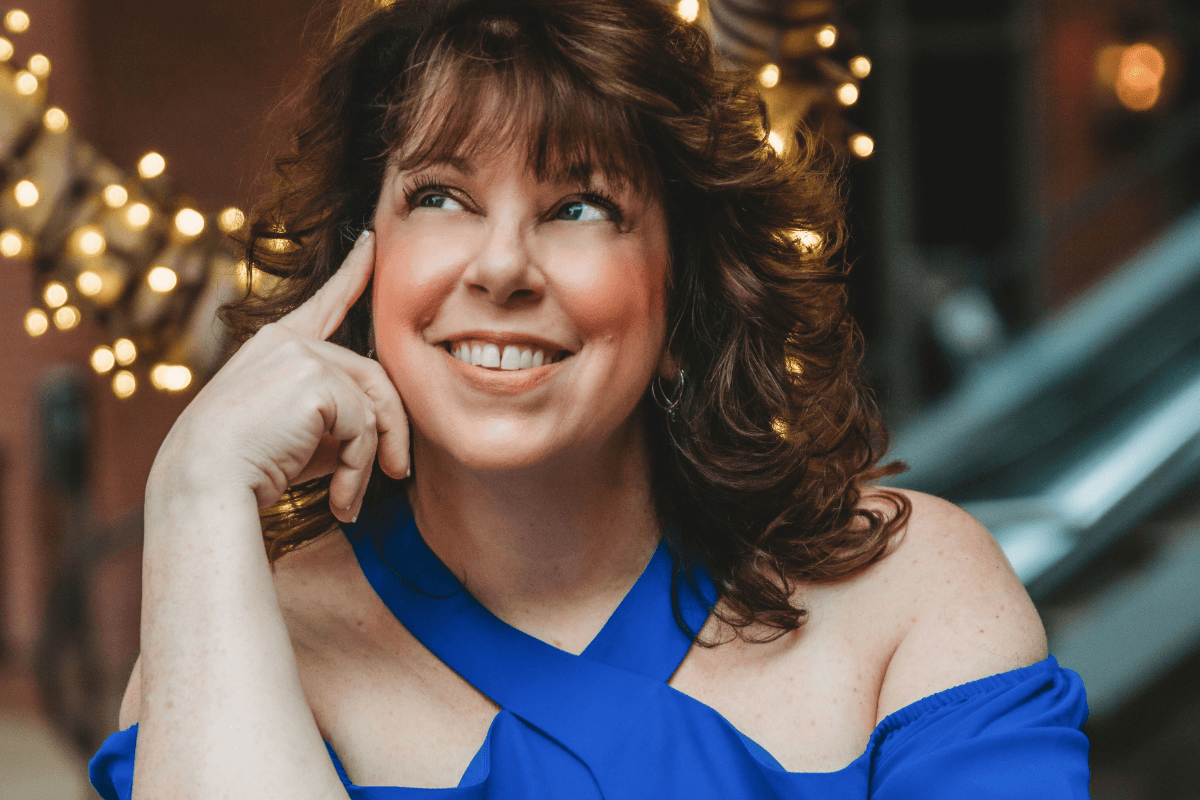
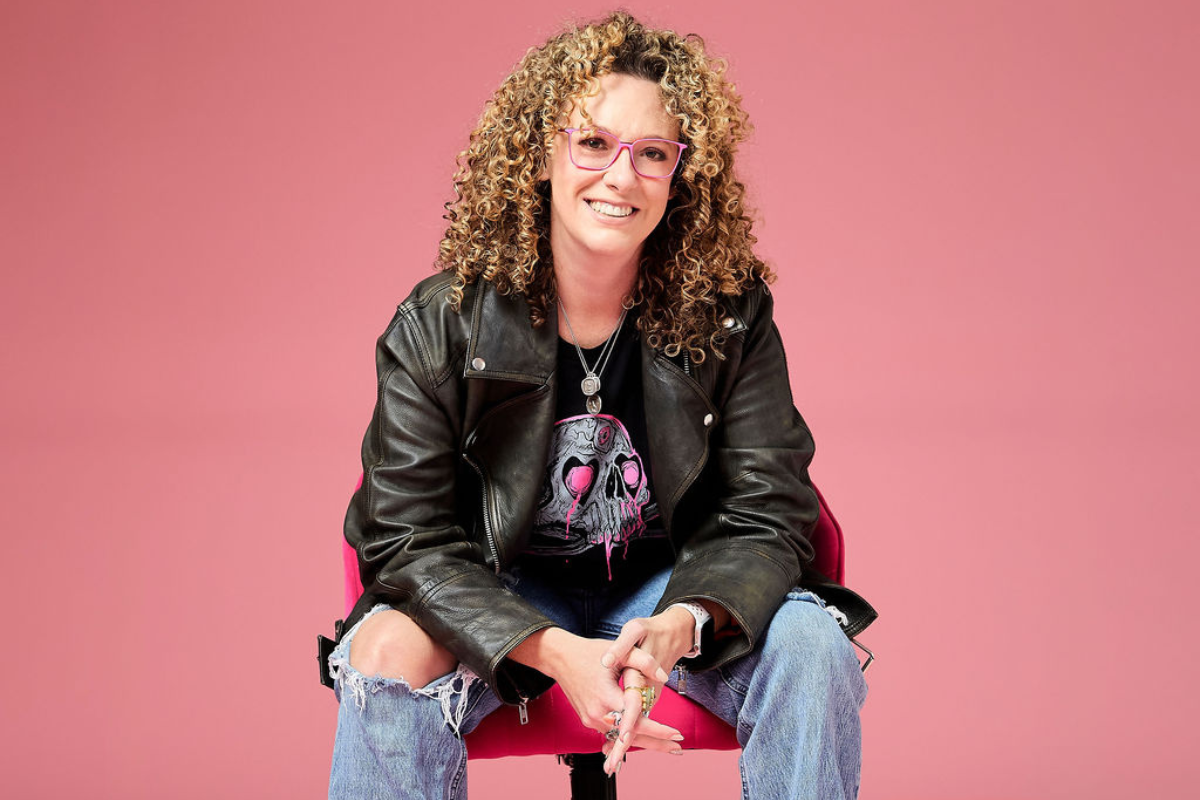
Samantha Chase is a New York Times and USA Today bestseller of contemporary romance that’s hotter than sweet, sweeter than hot. She released her debut novel in 2011 and currently has more than 100 titles under her belt – including The Christmas Cottage which was a Hallmark Christmas movie in 2017 and Wedding Season which was a Hallmark June Wedding movie in 2023! A lifelong Disney enthusiast with an unapologetic love for ’80s rock, Samantha spends her downtime devouring romance novels, playing far too much online Solitaire, and occasionally donning a tiara while hanging out with her sassy pug, Maylene. She lives in Wake Forest, North Carolina, with her husband of 35 years and their two sons—proof that real-life love stories can have happily-ever-afters, too.
One thing most authors will agree on is that writing is a lonely business.
We spend hours alone with our thoughts and having silent conversations with fictional characters, and sometimes you just want someone to commiserate with.
Or have them carry part of the load.
Co-authoring can totally be the answer, but it can also introduce a whole other set of issues. That’s why it’s so important to talk things through before you even start putting ideas down on paper (or screen).
When couples go into counseling, one of the first things they hear is how important communication is. And I know this because my husband and I have been in a situation where we needed it. And that experience helped me when co-writing on a project was first presented to me.
Back in 2013, Noelle Adams reached out to me and presented an idea of co-writing a series. We had cross-promoted each other’s books and had already done a few group projects together (including a box set that hit the NY Times), so I was well familiar with her books and writing style. We already knew how similar our stories were and felt that writing together would be an enjoyable experience. The only issue was that we had never met!
So I drove four hours and spent a weekend with her, where we got to know each other while plotting out the first two of four books. It was such an incredible experience because we laid everything out first: expectations, who was writing which characters, what we wanted the covers to look like, what marketing and promotion would look like, and—most importantly—how would the royalty split and accounting be handled. It wasn’t the most glamorous conversation, but neither is arguing over money after the fact. Every marriage counselor on the planet would probably approve.
We talked, knew our own strengths and weaknesses, and put them to good use. Looking back, that weekend wasn’t just plotting. It was relationship counseling for a partnership that hadn’t technically started yet. We were essentially negotiating a prenup for a book series.
Let me stop and say that Noelle is the best person to do a project like this with because she is the most organized person I know and her marketing skills are top-notch. Me? I’m good with words. I am extremely prolific and can write all-day, every day and still be thinking about the next several books to come. Noelle writes just as much, but she has the additional gifts of marketing and accounting. So it felt a little unbalanced—I struggled with not bringing more to the table—but that wasn’t a big deal to her. That’s another thing co-authors need to understand: equal doesn’t always mean identical. Sometimes one person is the spreadsheet wizard and the other is the word goblin. As long as everyone knows their roles, it works.
And really, thank God, because no one wants me responsible for math!
With that part out of the way, we had to figure out our writing schedules because this project would happen while we were both committed to our individual writing deadlines. That meant we needed to be respectful of each other’s time.
During that single weekend, we plotted out every chapter (a paragraph or two that loosely described what we wanted), so there were no surprises. I knew what was coming to me every time she sent a chapter, and she knew what I’d be sending back. The words flew, and we honestly worked like a well-oiled machine because our expectations were clearly laid out.
Were we over-prepared? Maybe. But it’s amazing how many potential arguments disappear when everyone already knows where the story—and the partnership—is headed.
A few weeks later, she drove four hours and came to me, and we plotted the rest of the series, and honestly, it was a phenomenal experience. So much so that we did it again a few years later with a new series.
Did we always agree? No. Show me a partnership where two creative people agree on everything, and I’ll show you a unicorn riding a bicycle.
Covers were our biggest issue because while our writing styles were similar, our branding was not. So finding a middle ground so the book didn’t look like it was only a Noelle Adams book or only a Samantha Chase book wasn’t easy. If you’ve ever watched a couple try to choose a paint color for a room, then you already understand the energy we were bringing to some of those cover discussions.
One cover in particular really had us at a standstill. So we did what any mature, professional co-authors would do—we asked thousands of readers to settle the argument for us and we shared the options in our reader groups and took a poll because as it was we just could not agree. Ultimately, we did, but—and this was a hard lesson for me—when someone is better at marketing than you, don’t dig your heels in. Sometimes being a good partner means recognizing when the other person is the expert in the room. Winning and being right aren’t always the same thing.
Fast forward to a year ago when I was presented with the opportunity to co-write LUCKY 22 with Ashley Eckstein. By then, I thought I had co-authoring figured out. I knew the questions to ask, the expectations to establish, and the importance of communication.
Then the universe laughed and handed me a completely different experience.
Okay, maybe it scared me a little because Ashley is famous and I was a little intimidated and worried I wasn’t good enough. Nothing says confidence like sitting across from someone you’ve seen on television while wondering if they’re about to discover you’re making this whole writing thing up as you go.
Imposter syndrome is real, y’all.
I walked into the project with all the experience I had as an author for fourteen years, almost 100 books published, and having co-written seven books with Noelle. But you know the phrase from The Wizard of Oz, “Toto, I’ve a feeling we’re not in Kansas anymore”? Yeah. That.
I did my homework before I got on the plane. I researched everything I could about Ashley and David. But LUCKY 22 was going to be a fictionalized version of their romance, which took a little time for me to get my head around.
Ashley and I spent maybe eight hours together in person. That was it. I was taking notes from the moment she sat down, and over a day and a half, I had everything I needed to get the project started.
After that, Ashley and I relied on phone calls, video chats, and text messages so I could keep gathering the information I needed. I’d write a few chapters, the publisher would review them, and then Ashley would add the details and memories only she could provide.
This was a completely different way of co-writing. If my projects with Noelle were a carefully planned long-term marriage, this one felt more like a long-distance relationship. Sometimes weeks would pass without progress, or our schedules simply wouldn’t line up, but we kept checking in, adjusting, and moving forward because we shared the same goal and the same deadline.
The funny thing is that both experiences taught me the same lesson, even though they couldn’t have been more different.
With Noelle, we had spreadsheets, outlines, schedules, and enough planning to make a project manager weep with joy. With Ashley, we had a much looser process that required flexibility, trust, and a willingness to adapt as we went. Different approaches. Same result.
Because at the heart of every successful co-authoring project are the same things that make any partnership work: communication, respect, trust, and the understanding that you’re working toward the same goal. You’re not competing with one another. You’re building something together.
And just like any marriage counselor will tell you, problems rarely appear out of nowhere. They’re often the result of expectations that were never discussed in the first place. Who handles the accounting? Who approves covers? What happens if someone misses a deadline? How are disagreements resolved? Those conversations might not be glamorous, but they’re a lot less painful than trying to have them halfway through writing a book.
So if you’re considering co-authoring, my advice is simple: talk first. Talk a lot. Then talk some more. Have the awkward conversations before they become actual problems. Establish expectations, play to each other’s strengths, and remember that compromise isn’t losing—it’s part of the process.
And if all else fails, do what any good couple would do: step away from the cover design for twenty-four hours and revisit the discussion when everyone is feeling less emotionally attached to a stock photo.
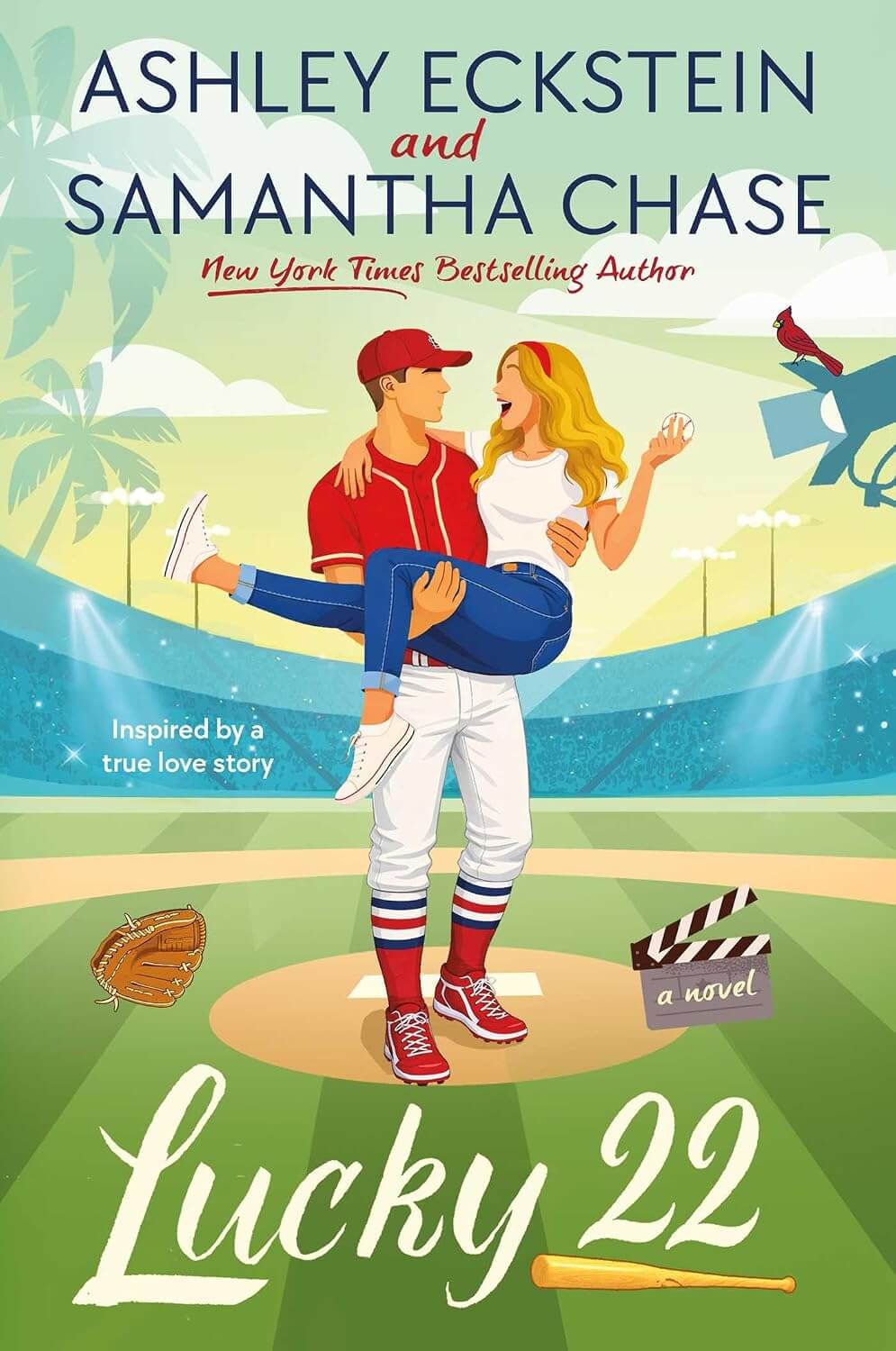 Lucky 22 by Samantha Chase and Ashley Eckstein
Ella Rose Holt is chasing magic and her acting dreams in Los Angeles. She’s coming up on her golden birthday and life couldn’t have more possibilities. The problem is it feels unfinished. Professional baseball player Christian Lucas is focused on his game and his schedule. Spontaneity is not one of skills. Their lives change when an accidental meeting, a lucky meeting, and a date bring them together. Neither Christian nor Ella were expecting their easy friendship to transform into something deeper, but the pair must decide if their relationship is something worth fighting for among the flashing lights of public lives.
Buy the book now: Bookshop.org | Amazon




Leave A Comment