
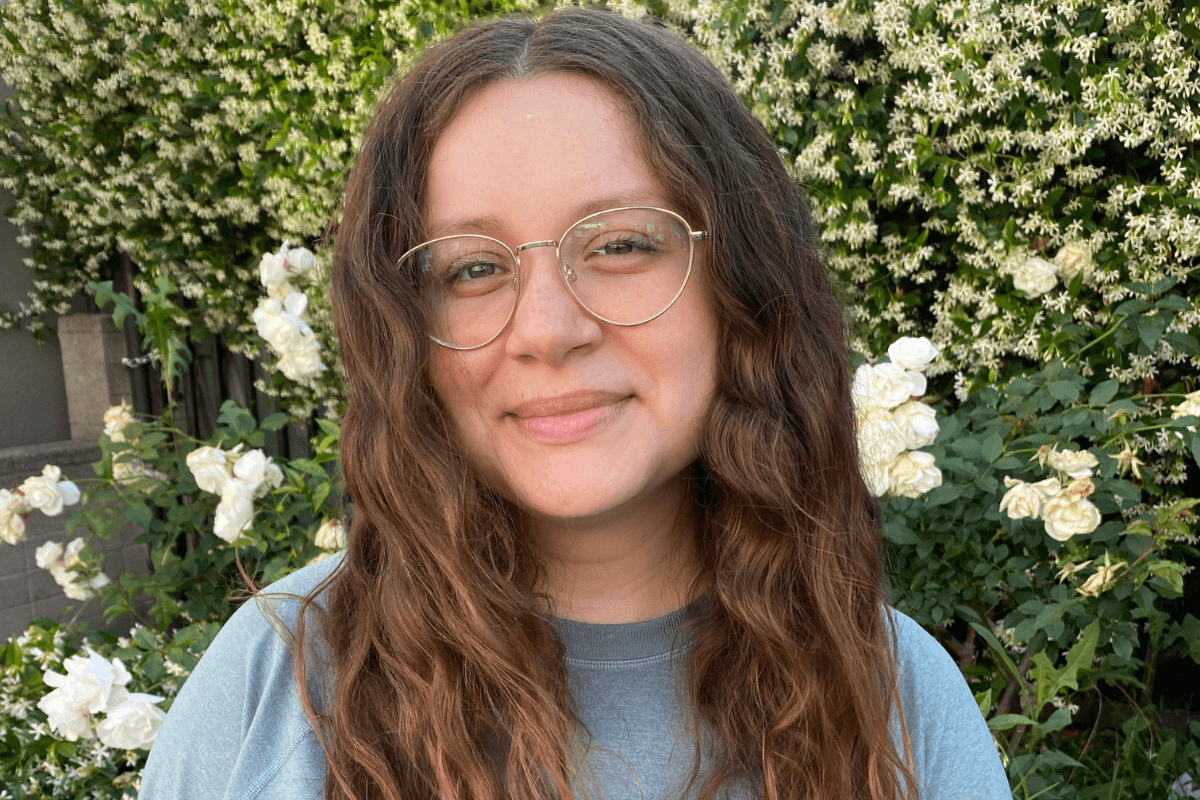
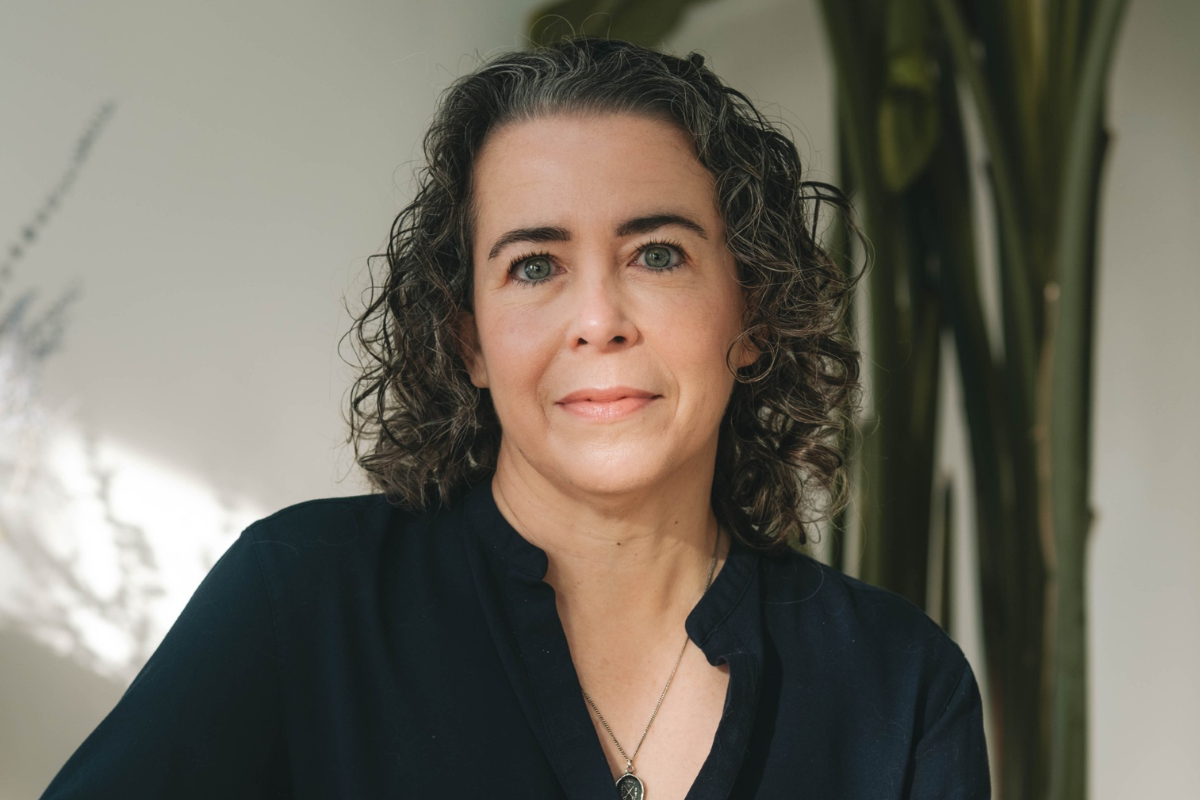
Natalie Messier is a Reese’s Book Club LitUp Fellow and Los Angeles-based screenwriter. She has worked as a writers’ assistant for the series Severance and Chicago Fire, and her scripts have received recognition from NBC, Disney, Paramount, Final Draft, The Blacklist, NHMC, and the Austin Film Festival. Originally from south Texas, she is a proud Mexican-American. When she’s not writing, she can be found searching for LA’s best matcha lattes, reading romance novels, and cuddling with her two cats. Her debut novel Every Version of You is available wherever books are sold.
If I’m honest, my pivot from novel writing to TV writing initially came from a place of insecurity. Don’t get me wrong, I love television. I loved TV before I ever loved books—my parents weren’t too concerned about brainrot or me developing a love for the written word, so I was allowed to spend all my free time watching Buffy the Vampire Slayer. But it wasn’t until I discovered my love for books that I became a writer.
I started writing novels when I was twelve. I drafted two (very bad) books in high school. Then, I got to college, determined to become a young adult romance novelist, and grew insecure in my writing. I’ve never been one to agonize over every single word or the lyricism of my prose, so I worried it all fell flat. But I was confident in my ideas, I knew I could craft compelling characters, and I loved to write dialogue and banter. Pivoting to screenplays felt perfect.
The biggest appeal of TV writing is that it’s the closest thing to an apprenticeship you can get as a writer. TV writers’ rooms have levels, and a staff writer has years to learn from more experienced writers before they’re expected to run a room themselves. You aren’t expected to know everything, and in fact, acting like you do can be pretty off-putting. I loved the concept of writing as a team effort. If two heads are better than one, surely the six-to-ten heads in a writers’ room are even better.
I think writing and reading and watching TV and movies are all, at their core, about connection. We seek connection via stories, whether we’re writing them or consuming them. The interconnectedness of a writers’ room is ideal for learning how to connect—you can see if people are connecting with your ideas in real time, as you pitch them to the room.
On the other hand, pursuing a career as a novelist can feel a bit sink-or-swim. You’re on your own for so long. It’s just you, your thoughts, and whichever word processor you prefer. Isolated. And then, once you feel your manuscript is in good shape—hopefully after receiving feedback from trusted beta readers because in what can be a very lonely career community is everything—you send it out into the ether via querying and submission, and then, you just…wait. You wait, and you hope that something you wrote connects with the right people.
That sounded downright terrifying, so even though I still loved books, still wrote books even, my twenties were mostly dedicated to writing scripts.
Writing scripts quickly taught me an important lesson: a lot of writers think they’re great at dialogue…until the writing is nearly all dialogue. What reads well in a book doesn’t necessarily work in a screenplay. Your dialogue needs to be sharp. What little “prose”—”action” in a screenplay—you have real estate for may not need to be pretty, but it needs to be clear and direct. You can’t go on tangents. Every line, every word even, needs to service the plot—and if nothing else, TV writing will drill plot and structure into you.
For the next six years, I pursued TV writing relentlessly. I still had ideas that I knew would work better as books than TV pilots, and sometimes I tried writing them, but writing a novel is hard, whereas writing a TV pilot is fun. If you’re fast, you can push through and write a draft in a weekend. You can revise it in a week. And when you’re done, you have…something.
In my mid-twenties, I got frustrated that “something” wasn’t enough. A pilot script, and even a feature screenplay, is a blueprint for a piece of art. Yes, screenwriting is an art in and of itself, but until you can get something filmed, it never really feels like you’ve “made” anything. Around this time, all I kept hearing was that the TV pipeline, that aforementioned apprenticeship model, was broken. There were fewer jobs, it was getting harder and harder to get promoted, and more than anything, studios wanted ideas based on IP…like novels. So I drafted a novel in 2019. It was terrible. Another in 2020, also terrible. 2021…wow, was I ever going to get good at this?
My debut novel Every Version of You comes out July 7, 2026, but the roots of it stem back to 2022. I had just wrapped my first writers’ room. I wanted something to show for what was, by that point, fifteen years of hard work. I had a pilot I loved, even though no one seemed to agree, and I began working on a pitch document for it as a show. When I thought of a season cliffhanger, I realized that would also be the perfect low point for a romance novel…so I wrote it. I wrote it at the beginning of 2022, and then, I didn’t do a single thing to try to sell it for nearly two years, when I applied to the Reese’s Book Club fellowship on a whim at the end of 2023. I got in, and it changed my life.
What I’ve since realized is that those insecurities that drove me to TV writing when I was eighteen never went away. I was still worried my prose wasn’t good enough. Scared of my name being out there. Petrified at the thought of my writing being perceived, like sharing it with the world meant that it wouldn’t be “mine” anymore.
But I have to write. And if writing is about connection, then it hardly feels right to leave it sitting on my hard drive forever. A lot of people will tell you—about any art but especially writing—that if there’s anything else you’d be happy doing, pursue that instead. I know many writers who say it’s the only thing they’ve ever been good at, and that’s certainly true for me—but I think it’s the only thing I’m good at because it’s the only thing I’ve ever cared to be good at. While my insecurities around my writing have been hard to overcome, I’m glad for them because I know they made my writing better. That decade-long detour into TV writing made my novels better. Digging into characters in the way you only can via 90k words of their internal thoughts has made my screenwriting better. I’m so grateful to be able to continue to pursue both screenplays and novels, and I’m so excited—and scared, yes, but mostly excited—for my writing to be out there for readers to discover and connect with.
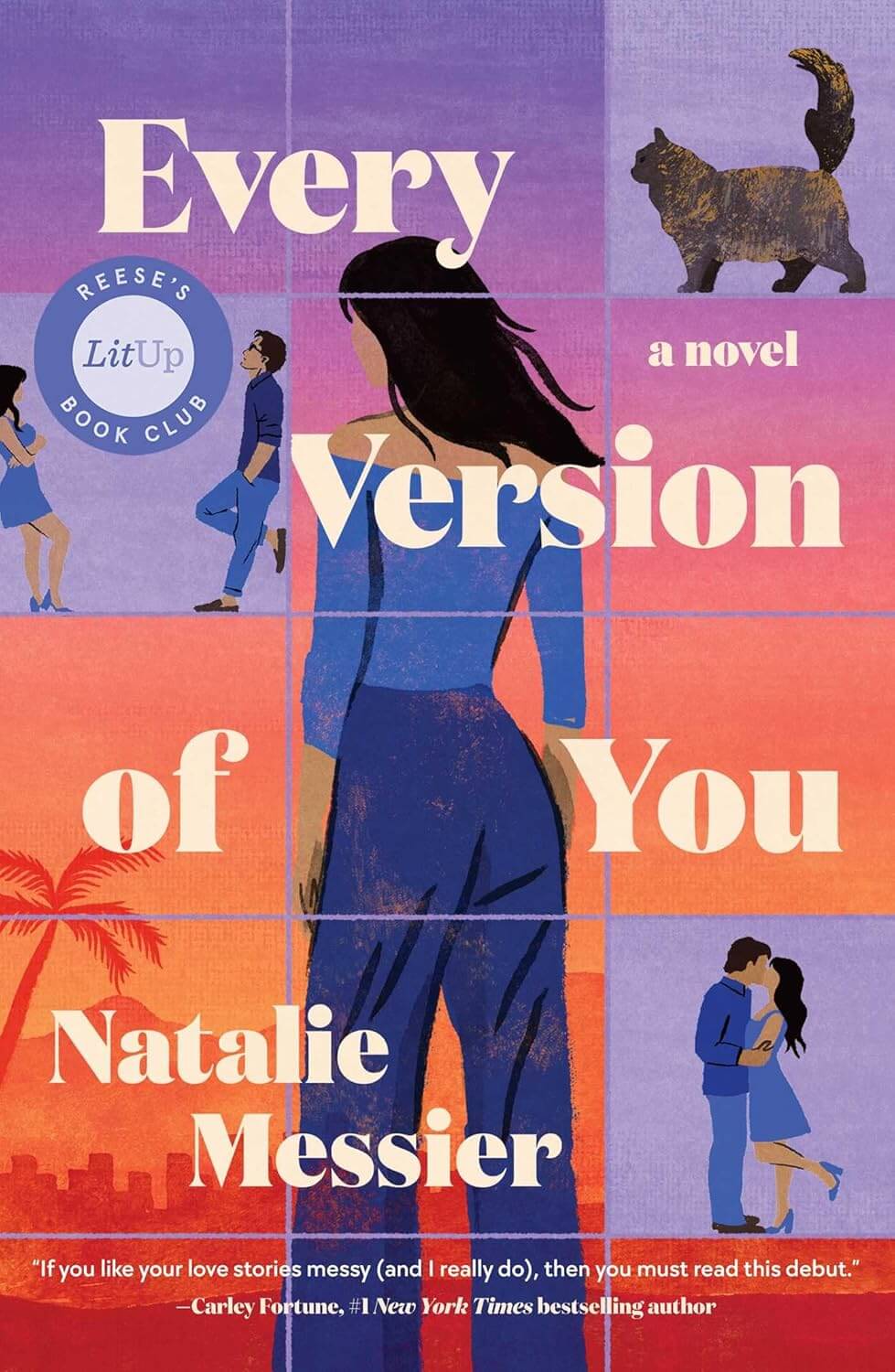 Every Version of You by Natalie Messier
Joey Vasquez has made a pretty good life for herself. By 32, she is about to make partner at the law firm she works for, she owns her own house in Los Angeles, and she almost measures up to her doctor sister in her parents’ eyes. Her best friend and secret crush of fourteen years, Elijah Aarons throws a dinner party. Much to Joey’s dismay, Alex Aquino, the last person she wants to see is there. He’s a basic rich jerk that is going to ruin Joey’s evening. The night takes an even worse turn when Joey dies. She’s given a second chance though, waking up at eighteen, the year she met both Elijah and Alex. With all her memories from her first life, Joey is going to take the opportunity to make Elijah fall in love with her. What she isn’t expecting is to feel for Alex, the guy she thought she hated.
Buy the book now: Bookshop.org | Amazon




Leave A Comment