
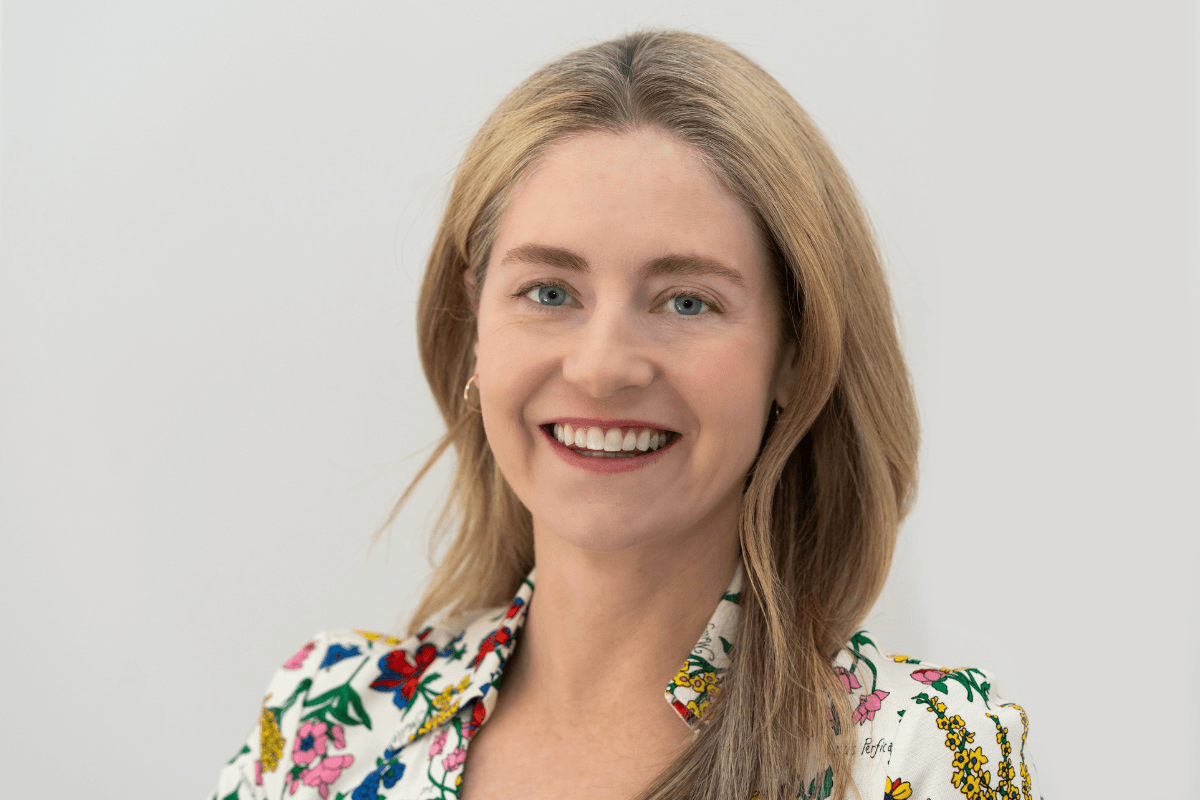
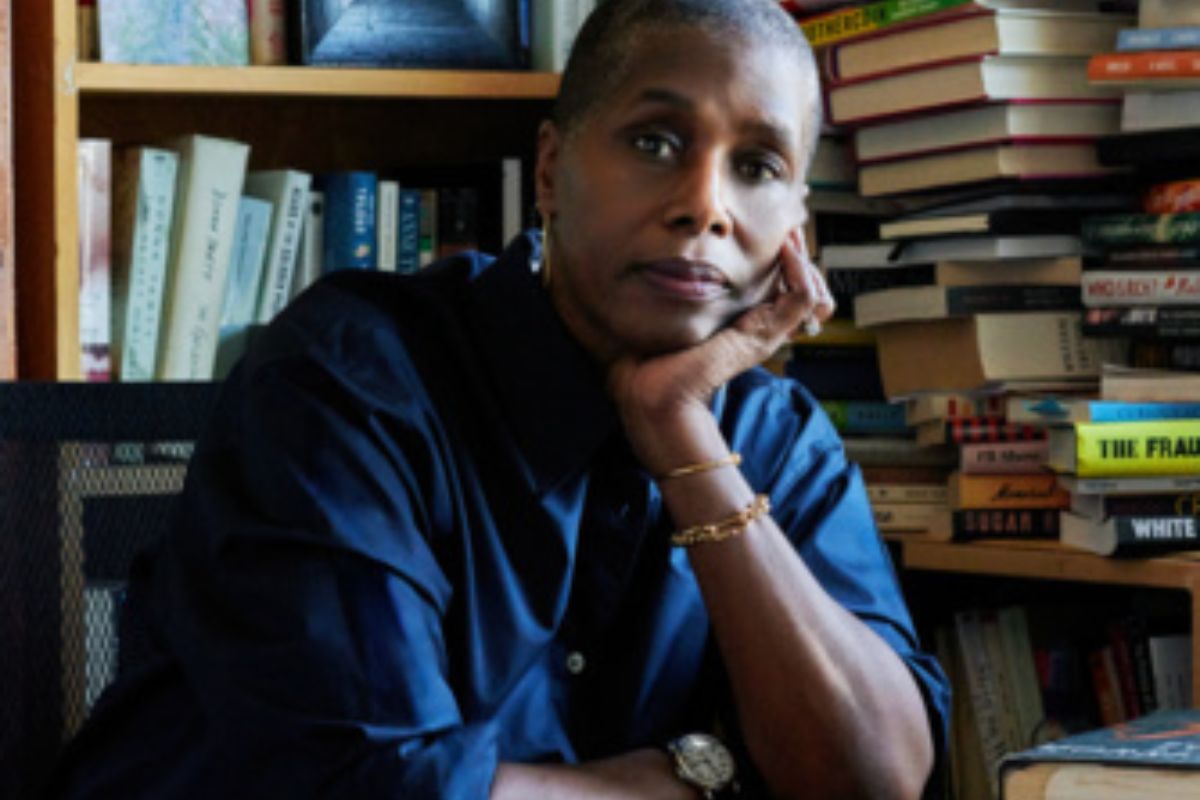
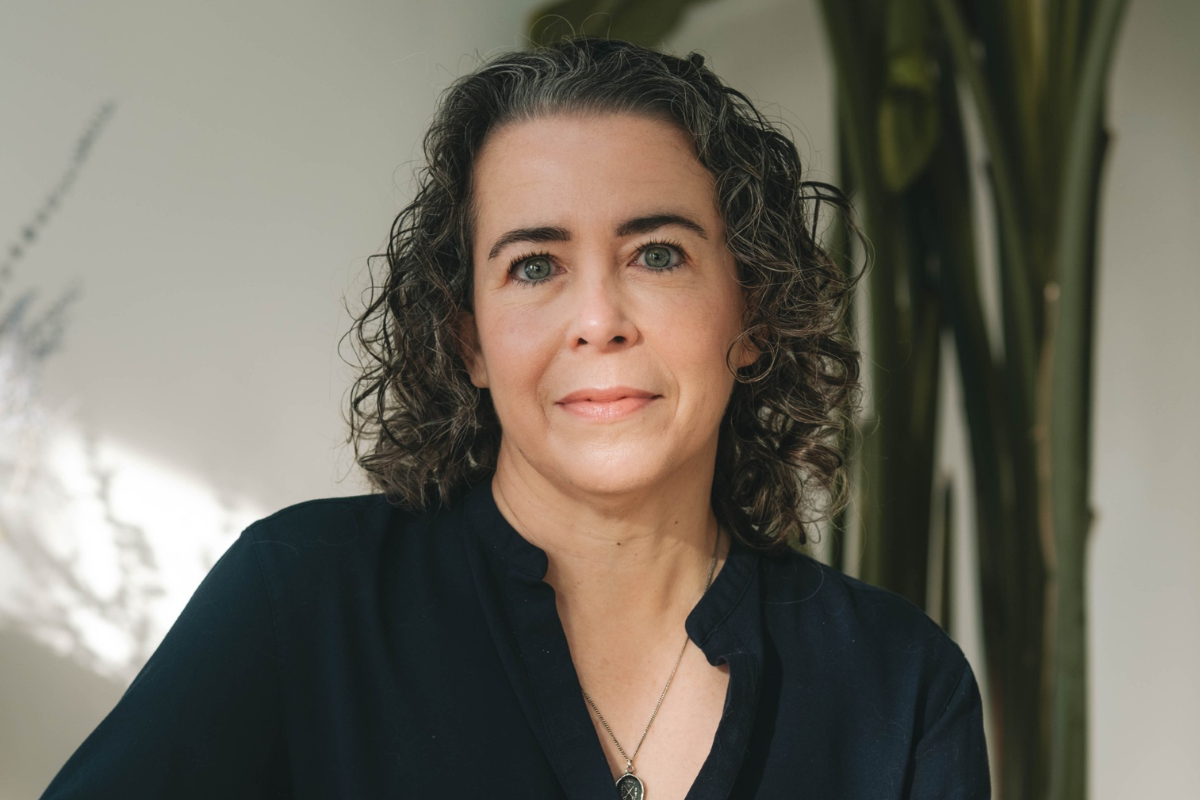
Jenny Jackson is the New York Times bestselling author of Pineapple Street. A graduate of Williams College and the Columbia Publishing Course, Jenny is vice president and editorial director of fiction at Alfred A. Knopf. Raised in Ipswich, Massachusetts, she lives in Brooklyn Heights with her family.
Tell us about The Shampoo Effect. What inspired this book?
The Shampoo Effect is the story of a young woman—a native New York, a nepo-baby, daughter of a famous thriller writer—who wins a writing fellowship and moves to the small town of Greenhead, Massachusetts to write her own Great American Novel. But instead of writing, she falls in love with someone and becomes swept up into this life, his wild group of friends. When she learns that one of the women in his set, an ex-girlfriend, is having his baby, it throws her new relationship into jeopardy. It’s a story about New England, about millennial marriage, about parenthood, and ambition.
Like Pineapple Street, this book explores social ecosystems. What draws you to that theme?
I love the way that people can have entirely different personalities and experiences when they enter new social ecosystems. I remember a high school trip to South Carolina where all these southern girls were head-over-heels for one of my classmates, a guy we had never looked at twice. Or the way I felt like such a fish out of water when I got to college after going to a hippie bilingual high school. It’s the “a stranger comes to town” plot and it gives me the chance to examine the rites and rituals in groups with an anthropological eye.
In many ways, The Shampoo Effect is about growing up later in life. What did you discover about the process of growing in this novel?
One of my favorite dinner party topics is to talk about how old you feel on the outside vs. how old you feel on the inside. I personally feel 40s on my outside and about 30 on the inside. Until I had kids I would have told you I felt 22 inside. That’s the thing about becoming a parent—it forces you to play the role of adult, but it doesn’t mean you necessarily feel that way inside.
You have edited and published iconic books like Tomorrow, and Tomorrow, and Tomorrow, Crazy Rich Asians and Station Eleven. What makes a book stand out to you?
As an editor, one of the main things we talk about when we position a book is “comps,” comparative titles. You want to position a new writer by saying “This is the next Gone Girl,” or “This is the next Goon Squad.” But I find myself most drawn to books where that comparative title is elusive. A video game novel about friends who platonically love each other? A rom com about class and inherited wealth in Singapore? Of course, it makes it really hard to position the book in early sales meetings, but it’s thrilling to find a book that’s doing something totally new.
Are there any parts of the publishing process that surprise you being on the author side that you couldn’t see from the publishing side?
The timeline feels nearly unbearable from the author’s perspective. From the moment I finished the first draft I was ready to have the book out in the world. But obviously there is a year of editing and then a year of planning the publication. There are busy periods, but there is lots of waiting around, feeling like there is no news, wondering if everyone forgot about you. Of course I have the insight from my publishing side to know that those “quiet periods” are actually really busy for the sales reps, the booksellers, the production team, but when you’re waiting for your book to publish you can start to feel like time has completely stopped!
What do you think makes for a great author/editor partnership?
An author should feel like their editor understands their book on a completely intimate level. I like it when an author calls me up and we can talk about their characters like they are real people we both know. I loved it when my editor, Pamela Dorman, would point to a line and say, “Bailey wouldn’t phrase the line that way.” And she was right!
There are a lot of misconceptions out there about the dynamics between editors and authors. How should authors think about editing when it comes to the traditional publishing space?
If you were going to hike Mount Kilimanjaro you wouldn’t want the guide to just give you a water bottle and send you on your way—or worse, take you to the top and leave. I think when people picture and editor, they are thinking about someone who will give them comments on the work and then be on their merry way. But an editor is actually going to take you all the way up and down the mountain. An editor is going to read five drafts of your book and give you comments each time. Then the editor is going to sell your book in-house to sales and marketing, going to help package the book, going to speak to booksellers and media about your book. Editing a book is a multi-year project that extends long past the printed object.
Did becoming an author change anything about how you approach editing?
It made me more empathetic and it reinforced the value of a compliment sandwich. Even if I know the editor is doing it, I love it when I see a heart or a “haha” in the margins of my manuscript.
Did you find writing a novel challenging with so many years under your belt being on the other side of the process?
I think my work as an editor has given me a huge advantage as a writer. I have had the chance to study so many amazing novels from the inside, I’ve seen how they work, I’ve seen writers struggle and seen how they get themselves unstuck.
What trends are you seeing in the publishing industry right now, either editorial or structural that you think authors should be aware of?
We’re really seeing a change in the traditional book tour. It just doesn’t move the needle the way it used to, so we are looking at ways to create meaningful experiences for our writers to have with readers, booksellers, and media.
What are some 2026 books you’re really looking forward to?
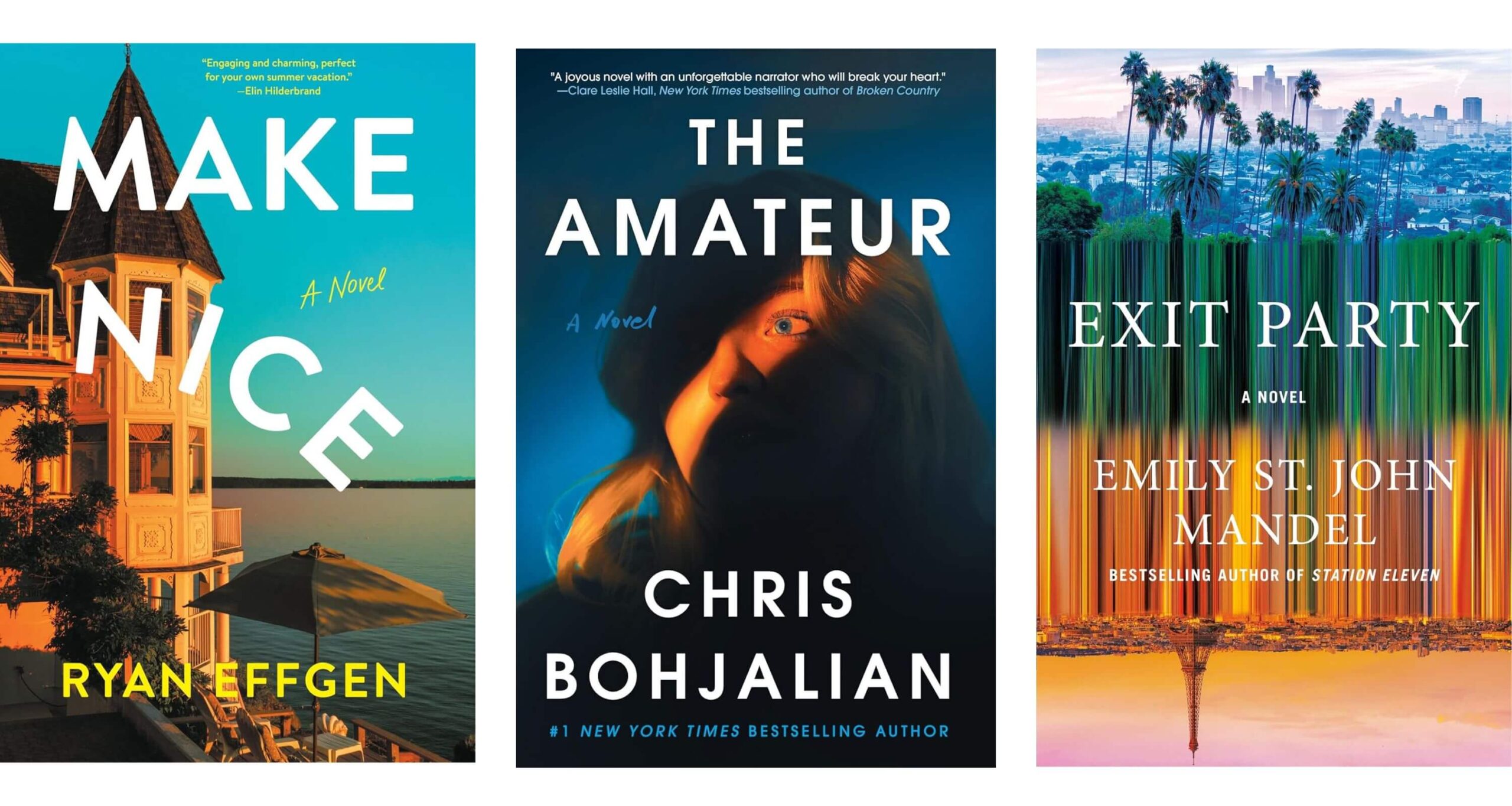
Make Nice, a hilarious Michigan debut by Ryan Effgen, The Amateur, a gripping story about a golf prodigy who accidentally kills a boy by Chris Bohjalian, and Exit Party, the new novel by Emily St. John Mandel.
What are you working on next?
I’m actually trying my hand at writing the TV pilot for The Shampoo Effect. Because nobody ever got their heart broken by Hollywood, right?
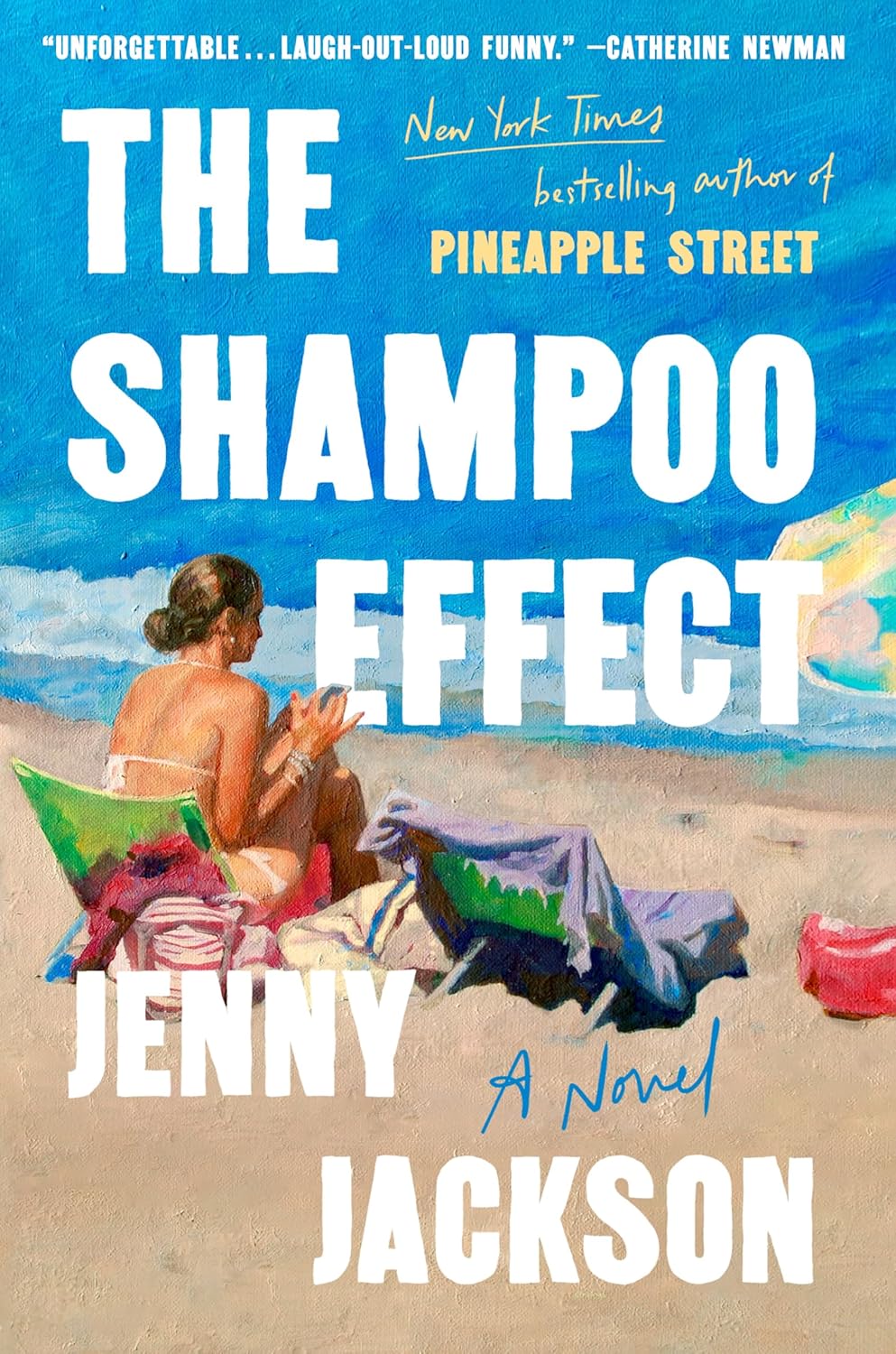
The Shampoo Effect by Jenny Jackson
Caroline Lash has fallen for Van Whittaker shortly after arriving in the coastal town of Greenhead, Massachusetts. She becomes a member of the group that Van has been friends with since high school including his beautiful ex-girlfriend Bailey, the wealthy, snobbish Augusta, and boy mom Fran. They spend lots of their summer together drinking, sunbathing, playing games, and running wild. The carefree dynamic comes to a screeching halt when Bailey finds out she is pregnant with Van’s baby. Caroline is cast out of the group and in retaliation exposes their long kept secrets sending Greenhead into a dramatic spiral.
Buy the book now: Bookshop.org | Amazon


Leave A Comment