

Jillian Laine is an author and journalist. She has written multiple children’s books and has worked as an acquisitions editor, book festival director, and literary award judge. She and her husband live with their pride of cats in the Great Lakes State. Henry Tudor Must Die is her first novel. Learn more at www.jillianlaine.com.
I spent nearly a decade in the publishing industry, working my way up from a book awards assistant to an acquisitions editor. It was, in many ways, a dream job…but my real dream was to be on the other side of the table as an author.
Eventually, I did get there: a decade, about a dozen manuscripts (several of which never saw the light of day), and 150 queries later. My debut novel, Henry Tudor Must Die, which follows a witchy Anne Boleyn out for revenge, releases from Berkley July 21, 2026, with a companion novel set in the same alt-history Tudor world to follow next summer.
It wasn’t easy to get here. Publishing is a subjective industry, where tastes seem to change by the minute and where new pressures—mergers, AI, fickle social media trends—are always causing at least a little bit (and sometimes a lot) of chaos. But there were four lessons that I took with me across the table that can work for writers in any genre or age group.
1. Pitch to the right person.
This seems obvious, but I can’t tell you how many times I got pitches for genres that I didn’t publish. Save yourself the instant no!
For those in the query trenches, check agent websites and/or Manuscript Wish Lists and aim for the folks whose tastes overlap with your story. Make sure your query letter reflects the fact that you’ve done your research, and mention the reasons you feel your book caters to their list.
For example, in the query letter that (finally) got me an agent, I wrote, “I saw on your MSWL that you’re searching for alternative history stories, and I hope this fits the bill! The story blends the intrigue of The Other Boleyn Girl with the irreverence of The Great and the vengeful catharsis of Inglourious Basterds.”
All of the above goes for going on submission to publishing houses. Your agent should have plenty of ideas of folks to send to, but you can also look on Publishers Marketplace for deals made in your genre, or even scan the acknowledgements sections of your favorite books, as authors will often thank their editors. My agent’s pitch positioned the book as “SIX the musical meets My Lady Jane,” and she sent it to editors with a penchant for feminist historical fiction.
2. Have a title that pops.
When I first queried the book that landed me a deal back in 2021-2022, it was called To Kill a King. I also gave Killer Queens a try for some Freddie Mercury vibes. No bites. And while I did polish up my manuscript a bit before I queried again in 2025, it didn’t change that dramatically. What did change was the title, to Henry Tudor Must Die.
Immediately, you get a sense of what the book is about. Clearly, it’s a play on John Tucker Must Die, the 2000s film in which spurned women team up to get back at a cheating ex-boyfriend. That matches the main plot of the book, in which Henry VIII’s wives decide to get revenge. Second, it shows this version of history is going to be a bit irreverent, so the reader isn’t expecting a story completely faithful to the facts.
Titles can always change after you get an agent or after your book is acquired. But give yourself the best chance for success with a title that does some legwork for the book itself. It may just catch the attention of the person you’re querying.
3. Know how your comps are performing (and your genre’s market in general).
When you’re picking your comps—titles that would compare/compete well with yours on the shelf—look for books with strong sales. That could mean hitting a bestseller list, being adapted for the screen, or getting lots of good buzz online. (And yes, you can absolutely comp to films/TV shows, video games, and other media!) In short, you want an agent/editor to instantly recognize your comp as a successful product…not something they have to Google to find out what it is.
The same goes double for your genre. Publishing trends ebb and flow; one moment romance is all the rage, and the next, the shelves are filled with dystopian fiction. A saturated market will make it harder to sell a book in your genre, and while you can’t control the market, you can control how you position your book within it. Highlight what makes your book stand out and why it will feel fresh for retailers and readers. What does your book do that hasn’t been done before?
4. Make that first chapter shine.
Agents and editors receive thousands of queries every year. That makes it all the more important that your first chapter leaps off the page, because if an agent or editor doesn’t connect to those first pages, they won’t ask for more.
My favorite first chapter of all time is in The Hunger Games. There are three things Suzanne Collins does beautifully in that chapter. 1) We get an immediate sense of the stakes in Katniss’s life, from her responsibilities within her family to the upcoming Reaping. 2) She introduces us to District 12 (and by extension, Panem) in a visceral way, so that even though we’re in an unfamiliar world, we get a feel for this forgotten, gritty, down-on-its-luck district. And 3) She ends with *spoiler* Prim’s name being called at the Reaping, which means of course you’re going to turn to the next chapter. The fact that she does it all in 17 pages is a masterclass.
Your first chapter should check those three boxes: a character and their stakes, a sense of place, and a reason to keep turning the pages. Not every book has to start with a bang, but there should be enough intrigue to propel the reader to the next chapter. Polish and polish—and solicit the advice of friends and beta readers—until it’s there.
In the End…
There’s no magic bullet to land a book deal. You really do need the right book, at the right time, with the right person. But take it from someone who has been on both sides of the table—it can happen. It might take years, and it might be hard and frustrating, but you’ll learn along the way. And hopefully these four suggestions can help make that learning curve a little bit shorter. Good luck to you!
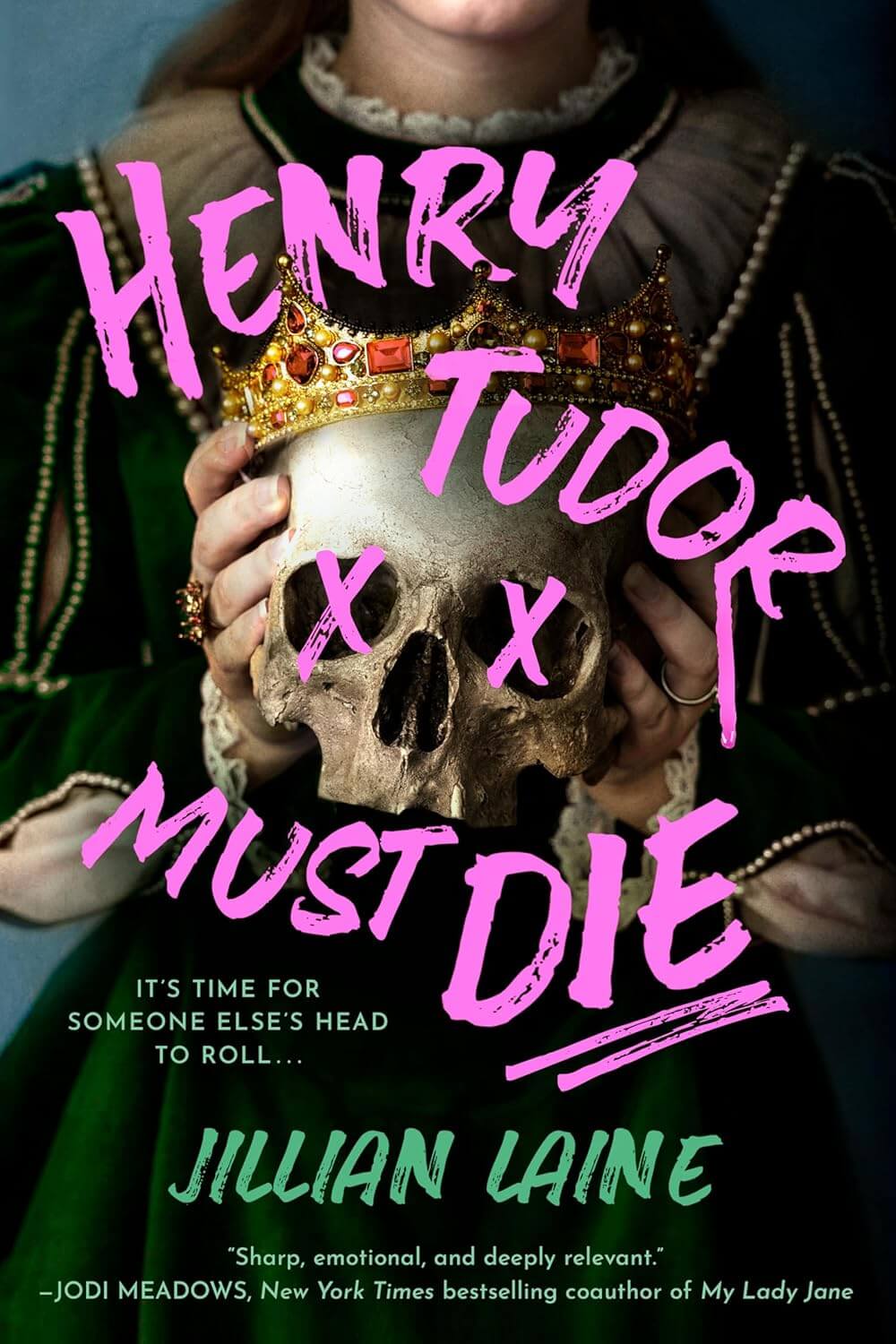
Henry Tudor Must Die by Jillian Laine
After escaping her execution with the help of her former rival, Catalina de Aragón, Anne Boleyn joins a secret sisterhood dedicated to protecting powerful women and bringing down Henry VIII. Setting aside old rivalries, Henry’s queens unite to infiltrate the Tudor court, take revenge on those who wronged them, and plot the king’s ultimate downfall.
Buy the book now: Bookshop.org | Amazon













Leave A Comment