
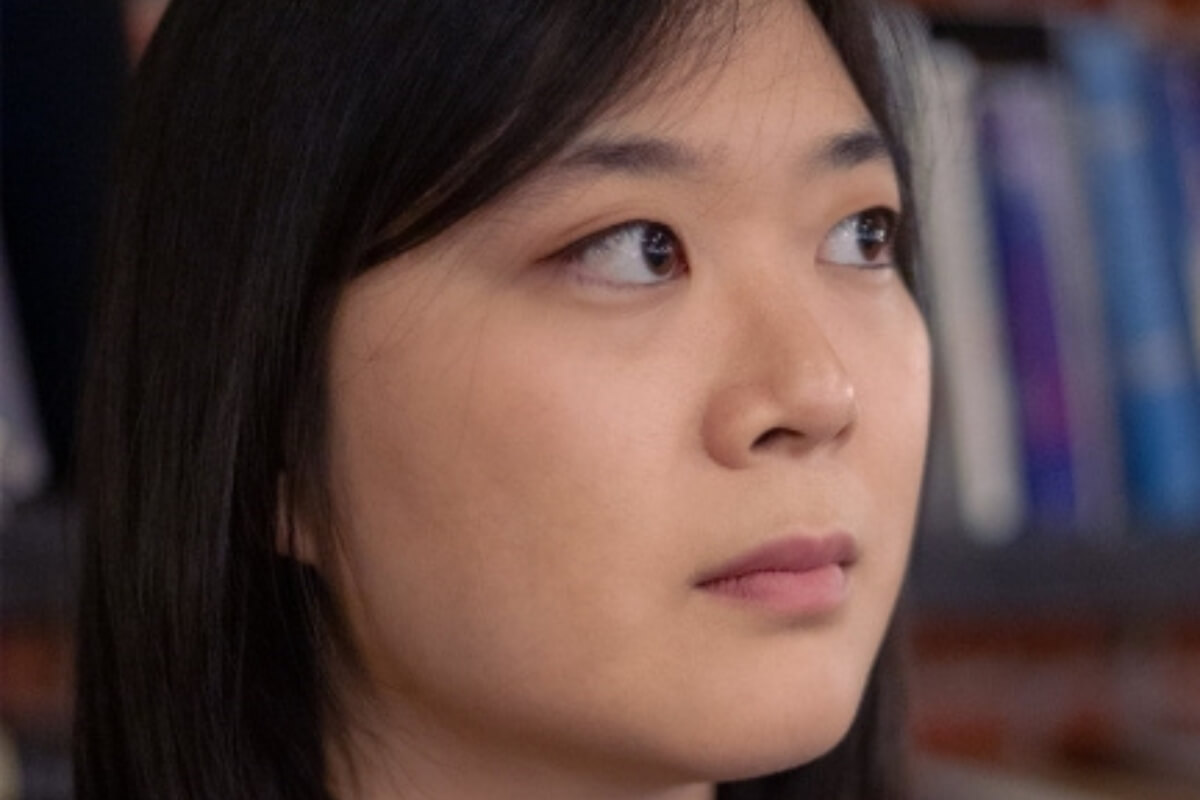
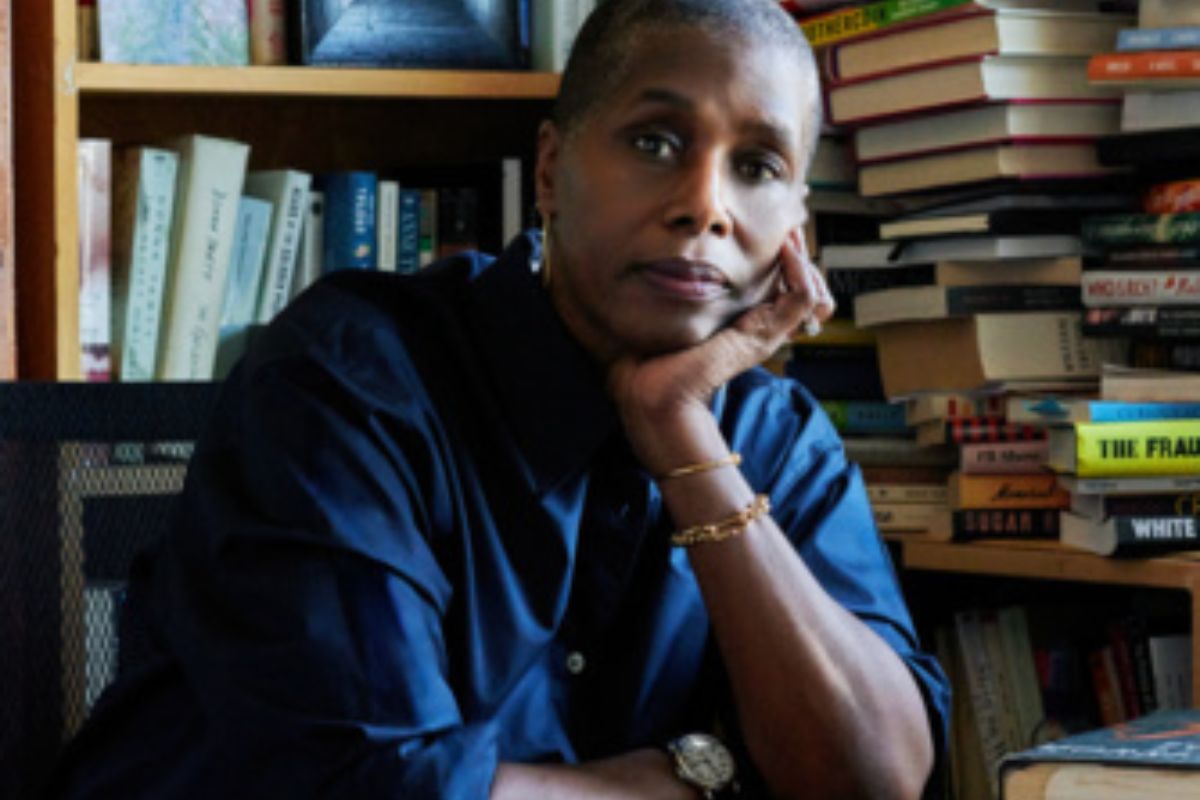
IJK is an artist / attorney / artistic genius before her time. Her short story “Wire Mother” is currently a finalist for the Hugo and Locus awards, her short story “You’ll Understand When You’re a Mom Someday” won a Shirley Jackson Award and her short story “Why Don’t We Just Kill the Kid in the Omelas Hole” won the Nebula, Locus, and BSFA Awards. Her work has been translated into multiple languages. When she’s not writing, she’s co-hosting Wow If True, a podcast about internet culture.
Tell us about Sublimation. What inspired this story?
Sublimation is a speculative fiction novel set in a universe where, if you cross a border, you split into two. Literally. One person stays in the home country, the other goes to the new one. If they ever meet again and physically touch, then they combine back into a single individual with both sets of memories. We follow Rose Soyoung Kang, who goes back to Korea from New York for her grandfather’s funeral. Her other self is waiting for her, and her other self would love to reintegrate, and Rose very much doesn’t want to. Things escalate from there.
I was inspired by my experience growing up between Korea and the states—I was born in New Jersey, but lived in Korea for part of my childhood—as well as my experience going back to Seoul as an adult and wondering how I would have been different, had I remained in Korea.
Sublimation was picked up for a TV adaptation before it even hit shelves. What did that moment feel like for you as a debut author?
Insane, but it was also kind of funny because I had no idea how rare my situation was at the time. So while I was very excited, I think I was less nervous or awestruck than I would have been had I known how outside the norm getting optioned so early was. Overall, it just added to my excitement that something was happening for my novel, because writing is so much waiting around for something to happen, and now it felt like everything was happening to Sublimation.
Did having a studio like Universal International Studios involved so early change the way you thought about the book’s release?
A little bit, though I think to a large extent I had no preexisting expectations for the book’s release, since I’m a debut author and this is my first time releasing a novel. I think the one major way it made me think a little differently is that I use a lot of TV comps when pitching the book now—mostly Severance, since that seems to resonate with people really well.
You’re also serving as an executive producer on the adaptation—what does that role look like for you at this stage?
At this stage—aka, when the book has been optioned, but the show hasn’t made it to set, nobody’s been cast, etc—really nothing crazy. I read a lot of cool spec scripts by various cool potential showrunners, and I’ve sent my input in as well as taken some meetings. This isn’t the only project that we’ve set up that I’m an EP on (but I can’t talk about those, haha), and I’d say that globally, so far my input has been mostly offscreen, which was about what I was expecting this early on before anything’s really coalesced. I think there’s a future where I’m not working on two novels where I take a more active role, though.
When you’re dealing with a concept as big and visual as “instancing,” did you always feel like it had screen potential—or did that realization come later?
The realization came later—I think when you begin writing, it’s less important to think about what the potential adaptations and spinoffs might look like and more important to think about how you can do justice to that idea in that moment, and how writing it is interesting to you right now. I try to concentrate on that, and then after the story is finished, then I start thinking about what other forms the story could conceivably take.
That being said, with the concept of “instancing,” I did always think it would be really fun to watch a single actor play two characters against each other.
Did you ever find yourself visualizing scenes cinematically while writing Sublimation, or were you fully rooted in the novel form?
I visualize everything as I write it! When I’m drafting a scene, my first step is to imagine it playing like a movie in my mind, with all the physical details included. I was an English/Art double major in college, and when I’m thinking about scenes, I’m usually thinking about what they would look like when embodied in video. I picture the scenes and the characters embedded in them like actors on a stage set in my mind’s eye, and then I try and translate that into text so that the reader might get an approximation of my vision.
What’s something about the adaptation process so far that has surprised you?
How much of a group project it is, compared to a novel, and because of that, how much more complicated making a film can be. Also, how vital the financial aspect of financing a movie or TV show is—this was interesting to me because my prior career had been doing leveraged finance, but I had never thought about the fact that film and television is created with the hope that it returns on investment in the same way that other ventures are embarked upon.
What’s one misconception you had about adaptations that’s already been challenged?
That a good adaptation is one that is completely faithful to the source material. I started thinking about this when I was being asked about what I envisioned for a filmed version of Sublimation, and how the story might be adapted for multiple seasons of TV. It was a really good exercise in thinking about what aspects of the plot, worldbuilding, and characters are necessary for the core of the story, and which are just there as extraneous scaffolding or only make sense as part of a written narrative. I’ve been pitching more of my non-Sublimation work as well, and running through how the filmed version of a written work might need to be tweaked has been a fun exercise.
What are some adaptations you love that you feel were done really well?
Off the top of my head, this is very silly, but the One Piece live action adaptation was very well done in my opinion—adapting manga for live action is difficult due to the tone and length of the source material, a lot of the time, and in this case I think the team nailed it. More seriously, I think the movie adaptation of the short story “Story of Your Life” by Ted Chiang into Arrival was really well done—it’s a hard narrative to adapt, because it’s very internal and plays with time, but I think the movie does a great job.
What aspects of your book are you excited to see translated for the screen?
I’m most excited to see the doubled selves interacting with each other—it’s going to need to be the same actor playing two different characters with pretty subtle nuances, which is going to be so fun to watch. There’s also (spoilers ahead) a naked knife fight between two instances, fairly late into the novel, and I’m so ready to see how that translates to film.
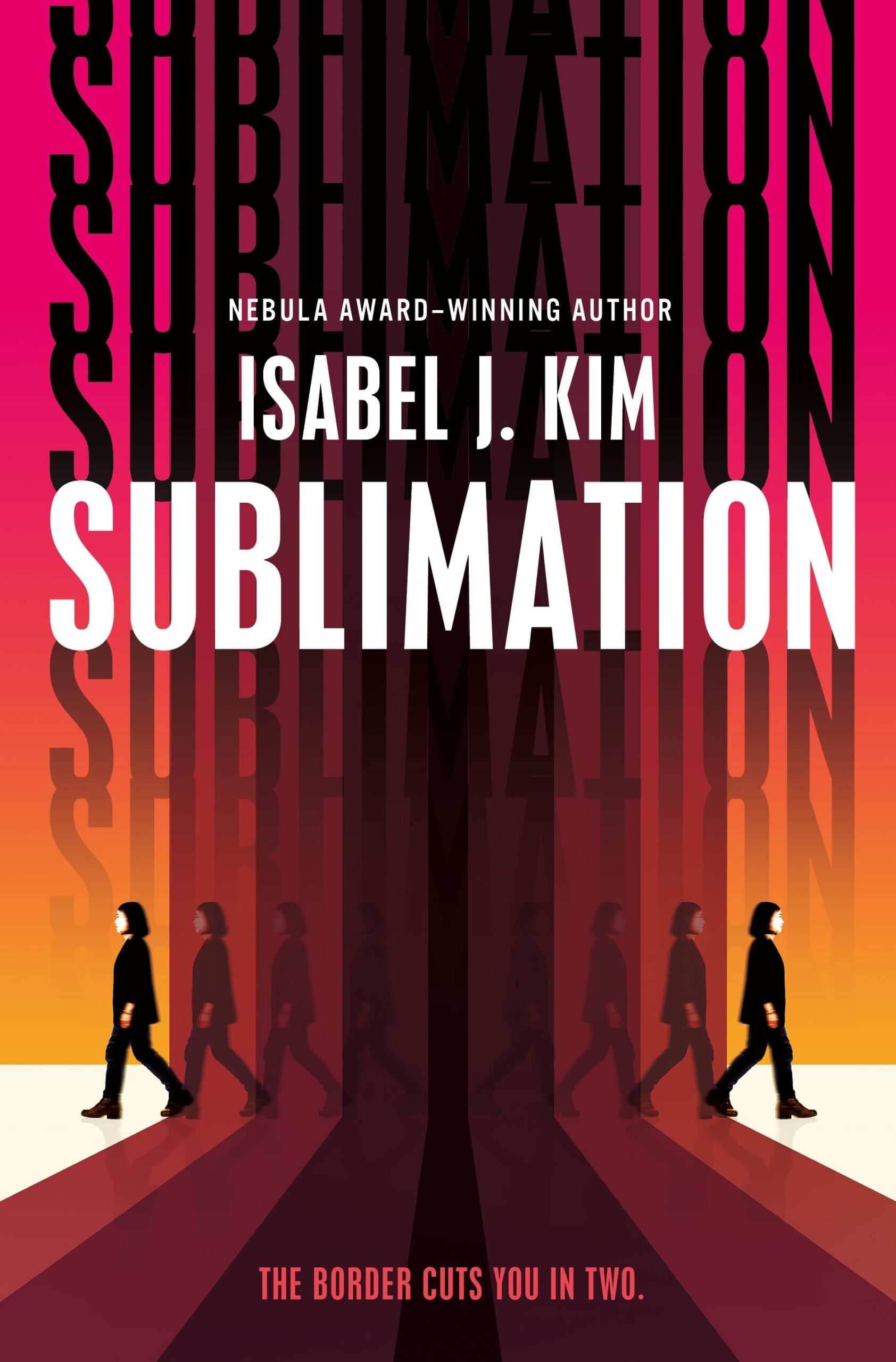
Sublimation by Isabel J. Kim
In a world where immigration splits a person into two separate selves, one staying behind and one starting anew, Rose has long ignored the life she left in Korea. But when she returns for her grandfather’s funeral, she discovers her other self has her own plans—ones that threaten to take over Rose’s life entirely. The story explores identity, choice, and how far someone will go to reclaim the path they didn’t take.
Buy the book now: Bookshop.org | Amazon








Leave A Comment