
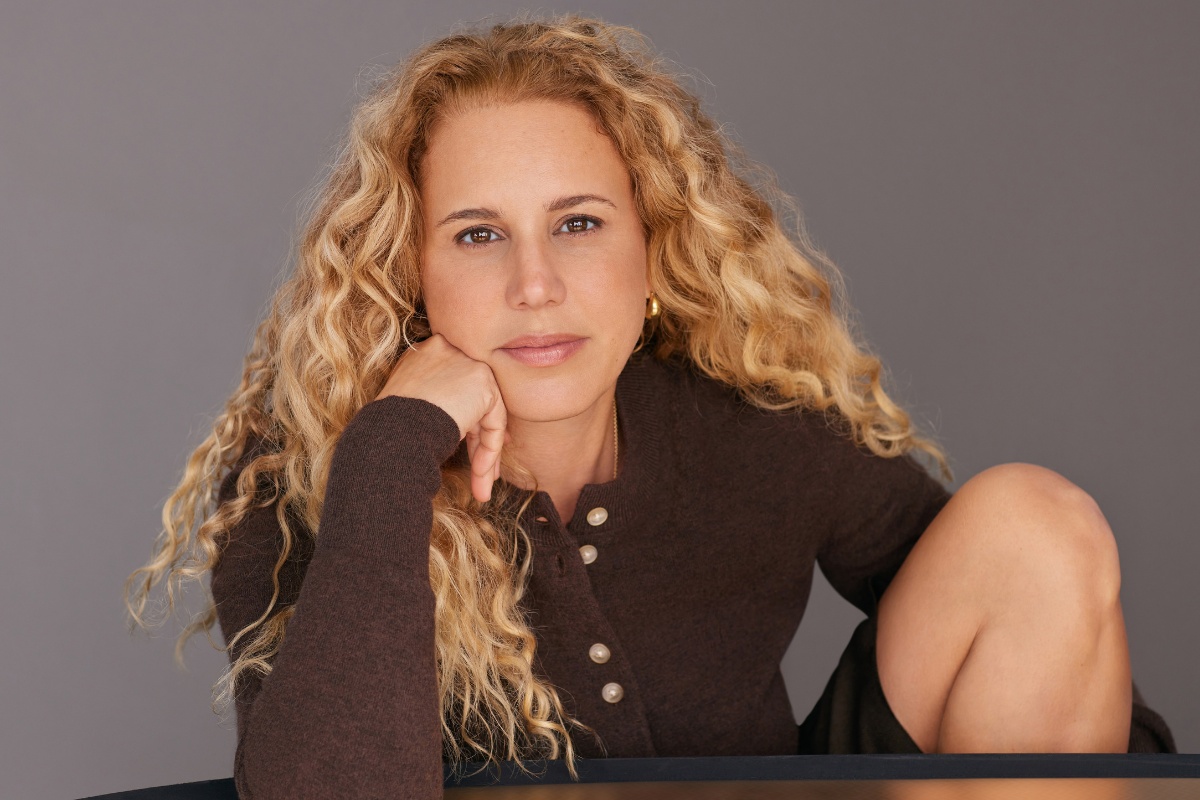
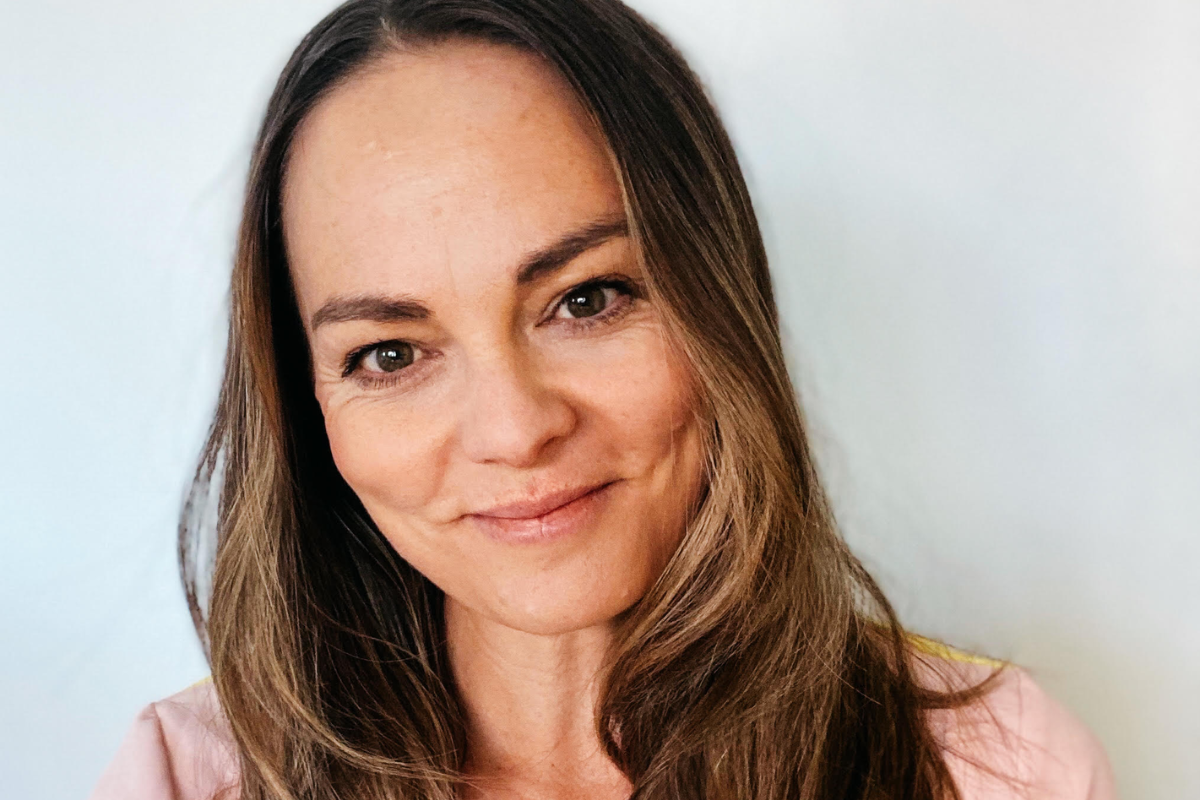
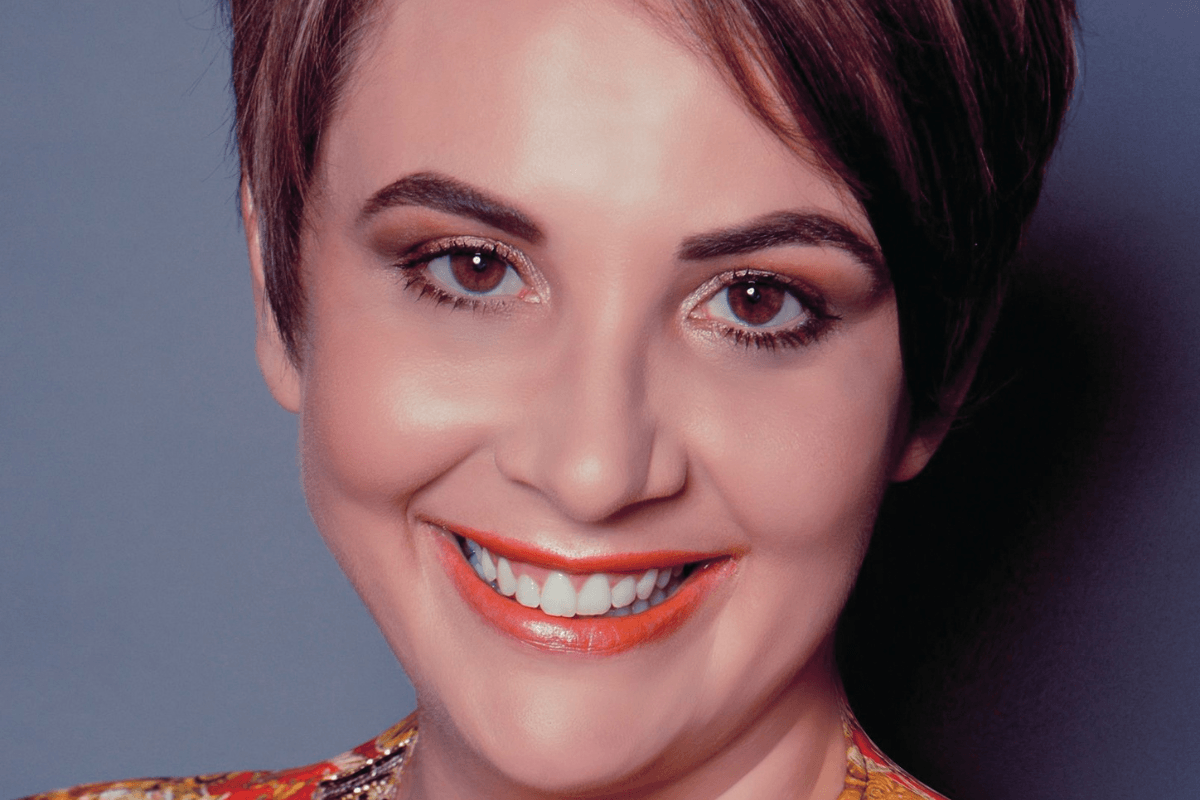
Amy Chozick is an author, screenwriter, and journalist who has covered major stories in politics, business, and media for The New York Times. She is the creator and executive producer of the HBO Max original series The Girls on the Bus, inspired by her New York Times bestselling memoir Chasing Hillary. Her debut novel, With Friends Like You, will be published by Dutton in July. She is currently adapting the novel into a feature film with Brad Weston—the producer of several Oscar-winning films—and Fifth Season. She also has multiple television projects in development at Netflix and Apple. Amy’s writing has appeared in The New York Times Magazine, Vogue, Vanity Fair and other publications. At The New York Times, Chozick served as the lead reporter covering Hillary Clinton during the 2016 presidential election. Most recently, she conducted an exclusive interview with Elizabeth Holmes. Prior to joining the Times in 2011, Chozick spent eight years at The Wall Street Journal, including as a political reporter covering Barack Obama and as a foreign correspondent based in Tokyo. She served as a consultant on the Netflix political drama House of Cards and Greg Berlanti’s USA series Political Animals. She lives in Los Angeles with her husband and son.
Tell us about With Friends Like You. What was the inspiration behind this book?
It’s a psychological thriller set in NYC about new motherhood, obsessive female friendship, wellness culture, and the seductive idea of finding a “village.” Emily is an exhausted new mom who becomes fixated on finding the one person who truly understood her: her friend Daisy, who disappeared 15 years ago, into a world of sex work and a high-end escort service for global billionaires. Three weeks postpartum, Vogue called – Anna Wintour wanted me to profile Stormy Daniels. It was exactly the type of story I loved. So, I said yes, and the first time I left my baby, it was to go to strip clubs in Milwaukee. The incongruity of those two worlds—sex work and new motherhood—stayed with me. Both make you feel exposed, commented on, and vulnerable.
As an award-winning journalist, screenwriter, and nonfiction author, what made you dive into novel writing?
I always wanted to write a novel, but I was too afraid. What if no one wanted to publish it? What if no one reads it? Then, I got a strange surge of creativity in those early months with my baby in New York. I wrote a (bad) screenplay while he took naps. I scribbled poetry on my phone on the F train. A few years later, I moved to L.A. to write for film and TV. I thought maybe, maybe I could finally try to write a novel.
What was the motivation for choosing to tell the story through this medium versus heading straight into writing a script?
There’s a lot of math involved in writing a script. You have to think about structure (“Does the midpoint fall at exactly the right place in a 54-page pilot script?”), logistics (“That scene is unproducible.”) and budgets (“Can we afford that car chase?”). So, writing a novel felt like a vacation for my brain. The blank page let me imagine anything—no network executive saying we can’t afford that car chase, no line producer calling a scene ‘unproducible.
You are in the unique position of not only landing an adaptation with your fiction debut, but also having that happen before the book hits shelves. What was that experience like, both emotionally and logistically?
It was so surreal when Hollywood got my novel before it had even landed with a publisher. We were just starting to take meetings in New York and the book scouts sent it all over L.A. I guess that is how it goes these days, with “I.P.” (I hate that word!) being so in demand. I was excited, but also felt so exposed—like guys, this hasn’t even been edited yet! But I was so thrilled and beyond grateful that it got to Brad Weston and Fifth Season, who are film geniuses and instinctively got what I set out to do.
Has this changed anything about how you’re bringing the book to market?
I was writing the screenplay while I was editing the book, which was a gift because the mediums could creatively inform each other. I’d be working on the script and then get back into the book manuscript to sharpen dialogue and scenes. Or, I’d be building out a scene in the book, and it would help me deepen the characters in the script.
You’ve previously adapted your nonfiction work, Chasing Hillary, and now you’re writing the script for an executive producing With Friends Like You. Does your approach to adapting fiction differ from the work you’ve done with your nonfiction adaptation?
The Girls on the Bus was loosely inspired by my nonfiction book, Chasing Hillary, about my decade covering Hillary Clinton and politics for The Wall Street Journal and The New York Times. The HBO Max series follows a group of female journalists covering a fictional presidential campaign, so we really had to dream up the characters and an entire world, so it felt more like writing fiction. I’ve thankfully never adapted something directly based on nonfiction. I really admire the journalists-turned-screenwriters who do that. I think it would be incredibly difficult to write something real and entertaining about actual flawed people—especially when they’re alive (and threaten to sue you!).
You also have other television projects in the works, including The Nanny Diaries reboot for Netflix with Scarlett Johansson executive producing. So you’re not only adapting other works of fiction, but also rebooting a beloved adaptation. Has it been challenging to have two different types of source material to work with?
Oh, I have way more imaginary friends in my head than that! I’ve got two shows (a soapy workplace drama and a female-led thriller) set up at Apple and The Nanny Diaries adaptation at Netflix, which I am writing with the legendary Jenny Bicks. I am also currently in a writing room of an upcoming family drama for HBO. I need to clear my head between projects—go on a hike with my dog or play tennis—but I enjoy having several projects at various stages all in the works. I love all of my characters and talk about them like they are real people. Sometimes my husband will interrupt me and be like—Wait, is this a real situation or are you telling me about one of your scripts?
What advice would you give to authors who hope to catch Hollywood’s attention and bring an adaptation project all the way across the finish line?
Voraciously read scripts. You can find almost any script online. It really is a different medium from novel writing. I devour great scripts and study their structure, the language, and the brevity of the scene descriptions. It’s actually a good exercise for a novelist. I have a sticky note with David Mamet’s key questions: “Who wants what from whom? What happens if they don’t get it? Why now?” If every scene can’t answer those questions, I either rewrite it… or kill my darlings!
What’s something about the adaptation process that you think would surprise most writers?
It can take longer to write a script than a novel. As the Mark Twain saying goes, “I would’ve written you a shorter letter, but I didn’t have time.” Don’t let the page count fool you.
Because you’ve worked on both sides, what’s the biggest misconception authors have about Hollywood and adaptations?
As authors, we get very wedded to our words—understandably! But in Hollywood, although everything starts with a great script and the town would be paralyzed without writers, the script is a blueprint. You have to let go when a director signs on, when an actor signs on, when you’re actually in production and the thing that worked so beautifully on the page isn’t ringing true on set. I love that it is a creative collaboration, but I think that can sometimes be tough when you are so used to writing alone and your words being the final product.
Do you think the current appetite for adapting books has changed the way stories are being written or pitched? What role have streaming services played?
I hope the Hollywood appetite for original ideas doesn’t impact what authors put out in the world. William Goldman has a famous quote about Hollywood—“Nobody knows anything.” So, even if everyone in town is saying “We need more sexy dragons!” Then, the next thing you know, the sexy dragon movie flops and no one wants your project. I think it’s best to put blinders on about what your book could potentially become and just write the book you’re moved to write.
Without spoilers, what’s one scene from With Friends Like You you’re most excited to see come to life?
The moms in the book set up in one of those obscene luxury skyscrapers that have popped up in New York City and are owned by global billionaires who don’t even live in them. I cannot wait to see 527 Park Avenue come to life. This ultra-tall Manhattan tower is hopefully to With Friends Like You what the Dakota was to Rosemary’s Baby. I want it to feel luxurious and aspirational and quintessentially New York… and then ominous.
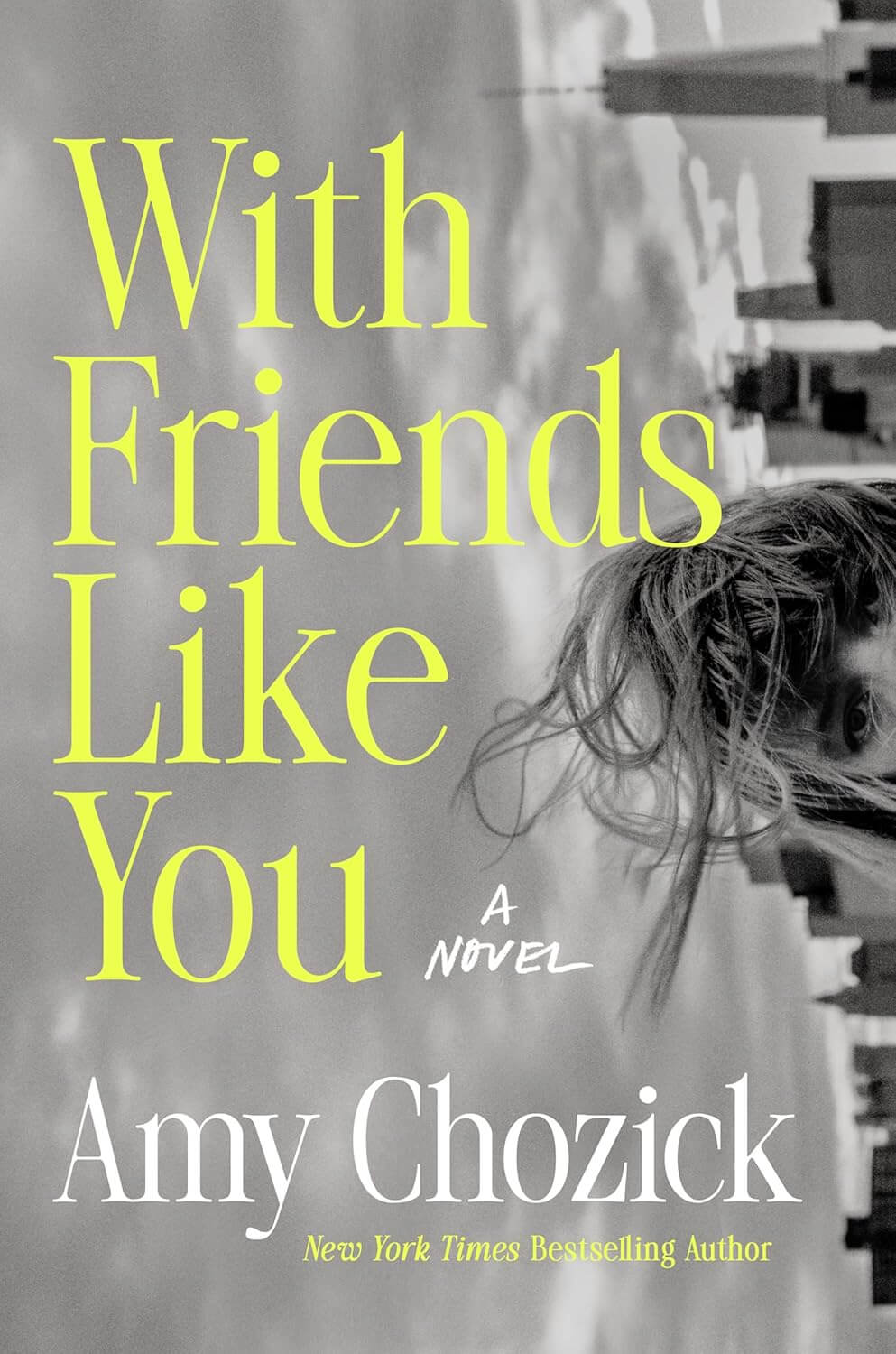
With Friends Like You by Amy Chozick
Emily is struggling to adjust to motherhood, feeling isolated and disconnected from both herself and her husband, when she becomes obsessed with finding Daisy—her magnetic college roommate who disappeared years earlier. Her search pulls her into a hidden world of online secrets, sex work, and elite escorts before Daisy suddenly reenters her life. But as the two women reconnect and build a glamorous new mothers’ community together, Emily begins questioning whether Daisy is helping her heal—or quietly destroying everything around her.
Buy the book now: Bookshop.org | Amazon


Leave A Comment