

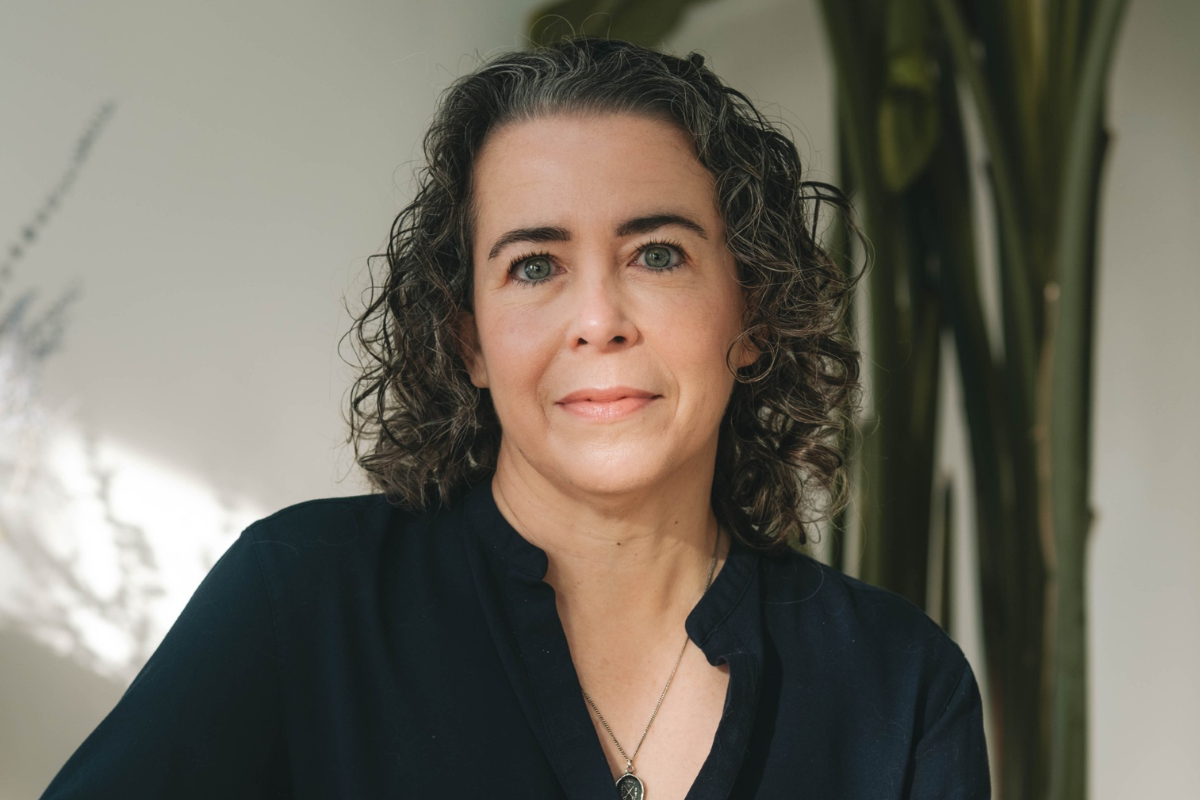
New York Times bestselling author RaeAnne Thayne finds inspiration in the beautiful northern Utah mountains where she lives with her family. Her books have won numerous honors, including six RITA Award nominations from Romance Writers of America and Career Achievement and Romance Pioneer awards from RT Book Reviews. She loves to hear from readers and can be reached through her website.
When I sit down to write each morning, I am acutely aware that somewhere, a reader is seeking refuge in the pages of a book. Maybe they’re sitting in a hospital waiting room or they’ve just lost a job or they’re simply feeling overwhelmed by the constant stream of troubling news. These readers aren’t looking for me to pretend their world is perfect. They’re looking for a reminder that despite everything they’re facing, beauty and hope still exist.
Writing uplifting fiction in dark times isn’t about creating a fantasy world where nothing bad ever happens. It’s about acknowledging the storms while helping readers find their way to the sunshine that still breaks through the clouds. The most powerful, hope-filled stories don’t ignore darkness. They find authentic light within it.
Your readers aren’t fragile. They’re navigating struggles and pain you may never know about, and they deserve stories that reflect their resilience back to them. I’ve learned this from countless reader letters over the years. One woman told me she read one of my books while caring for her dying mother. Another told me she read them for comfort after losing her husband of many years. Yet another told me reading my books helped save her marriage during the Covid lockdown by reminding her of all the reasons she loved her husband.
These readers need stories that validate their experiences while reminding them of their own incredible strength. There’s a vast difference between writing that patronizingly suggests everything will be fine and writing that empowers readers with the truth that they have what it takes to weather whatever storms come their way.
When we underestimate our readers’ capacity to handle real emotions and genuine struggles, we rob them of the very thing they’re seeking: the reassurance that others have walked difficult paths and found reasons to keep going.
I know firsthand the power of uplifting fiction because I’ve lived on both sides of the page. As the primary caregiver for my nonverbal, nonmobile 29-year-old son with severe mixed quadriplegia cerebral palsy, I understand what it means to desperately need hope when life feels overwhelming.
There have been countless nights when I’ve picked up a book after a particularly challenging day, seeking not escape from my reality, but a comfort in the midst of it. I needed stories that acknowledge that while life can be incredibly difficult, beauty and joy persist alongside struggle.
The books that have sustained me most haven’t been the ones that portrayed perfect lives or miracle cures. They’ve been the ones that understood the weight of real responsibility while still believing in the power of small victories, unexpected kindnesses, and the deep satisfaction that comes from loving someone fully. These stories didn’t minimize my challenges. They honored them by showing me characters who faced their own difficulties with courage and found reasons to keep going.
This experience has profoundly shaped how I approach writing uplifting fiction. I write for the caregiver reading by lamplight after everyone else is asleep. I write for the parent pacing a hospital corridor, for the person waiting for test results, for anyone who needs to be reminded that their experience has value and that tomorrow might bring unexpected grace.
The most meaningful uplifting fiction begins with honesty. When we pretend problems don’t exist or gloss over real pain, we undermine the very hope we’re trying to create. Readers can sense when we’re not being genuine. False optimism feels hollow when you’re facing real challenges.
I’ve found that acknowledging authentic struggles – loss, uncertainty, family conflict, financial stress, health scares – actually strengthens a story’s ability to inspire hope. When characters face real problems, their victories mean more.
The key is finding the balance between emotional honesty and emotional safety. I might write about a character dealing with job loss, but I’ll also show her discovering strengths she didn’t know she had. I might explore the pain of a broken relationship while also revealing how it opens doors to unexpected growth.
The most memorable feel-good fiction doesn’t pretend life is perfect. It reminds readers that even amid chaos and complications, the world can still be beautiful and filled with joy. This is where the magic happens in uplifting storytelling.
Hope in fiction isn’t about grand gestures or miraculous turnarounds (though those can certainly have their place). More often, it’s found in the smallest moments: a neighbor showing up with soup when someone is sick, a child’s laughter echoing through a difficult day. These moments don’t erase the darkness, but they remind us that light persists alongside it.
I love writing about the power of human connection during difficult times. There’s something profoundly hopeful about characters who support each other, who choose kindness even when they’re struggling themselves, who build communities of care in the midst of chaos. These relationships don’t solve every problem, but they provide the strength needed to face whatever comes.
Character growth is another powerful source of hope. When readers watch a character discover their own resilience, learn to forgive, or find the courage to try again after failure, it plants seeds of possibility in their own hearts. These characters become proof that change is possible, that healing happens, that second chances exist.
Creating uplifting fiction requires intentional craft choices. I’ve learned to develop protagonists who are genuinely flawed but genuinely growing. Characters who struggle, make mistakes, and keep trying anyway become mirrors for our readers’ own journeys.
The language we choose matters enormously. Let characters feel their pain fully, but also make sure to include moments of lightness. A shared laugh, a beautiful sunset, an unexpected kindness from a stranger. These moments don’t minimize the struggle; they provide the breathing room readers need to keep going.
As writers of uplifting fiction, we hold a sacred trust with our readers. They’re inviting us into their hearts during vulnerable moments, seeking comfort, inspiration, and the reminder that they’re not alone. This responsibility both humbles and motivates me every time I sit down to write.
We have the extraordinary opportunity to create stories that not only entertain but sustain. Stories that acknowledge the full spectrum of human experience while highlighting the beauty, connection, and resilience that make life worth living.
Include the darkness, but don’t forget the sunrise. Honor your readers’ intelligence and strength by giving them stories that reflect both the challenges they face and the incredible capacity for joy, love, and growth that exists within us all.
Our readers are counting on those of us who write feel-good fiction to be beacons of hope in dark times. What a privilege – and what a calling – that is.
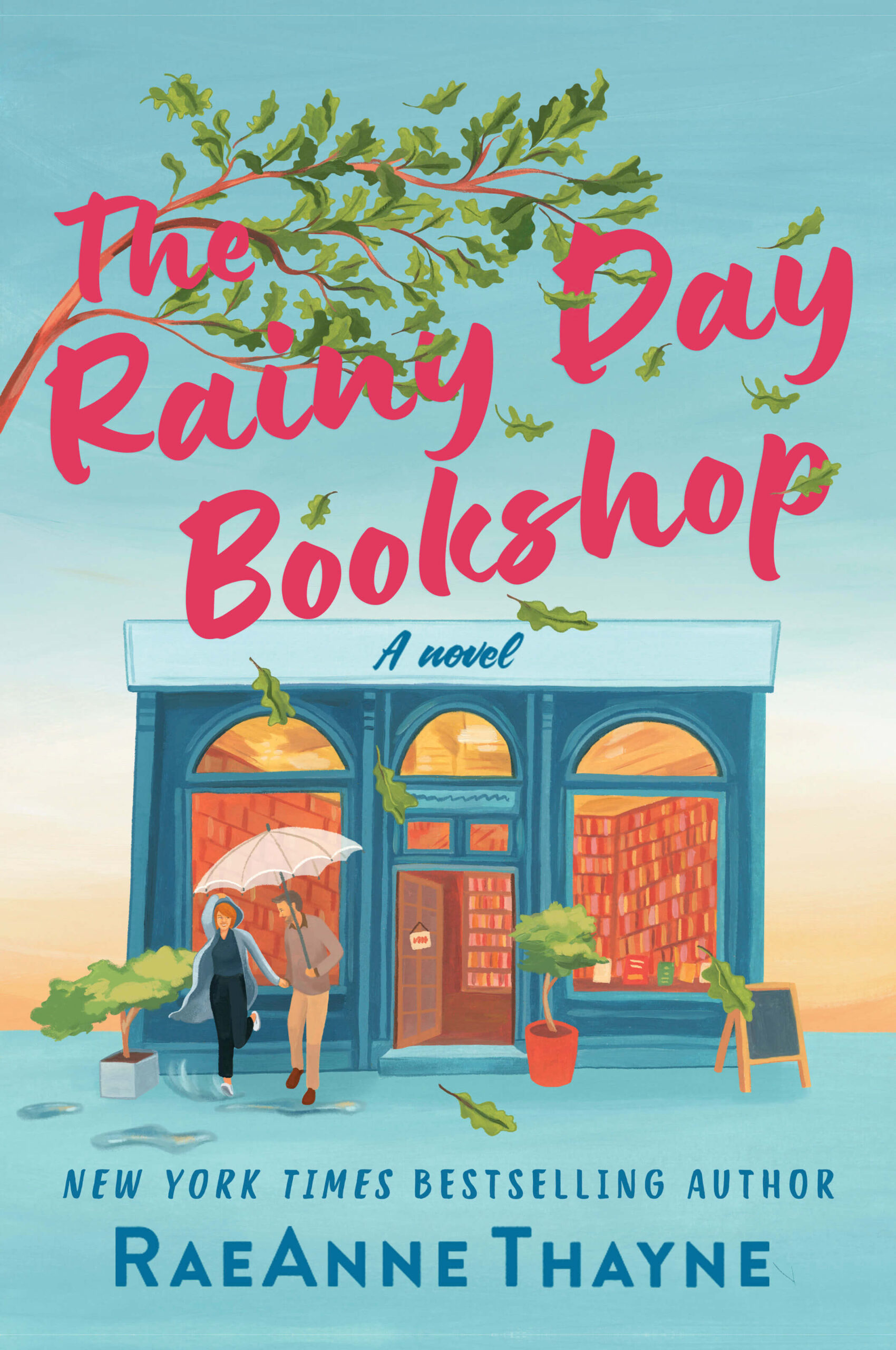
The Rainy Day Bookshop by RaeAnne Thayne
Rosie Lucas is trying to balance caring for her mother, running the family bookshop, and repairing her strained relationship with her daughter, Emma. Just as things begin to settle, an unexpected connection forms between Rosie and a guarded single father who slowly becomes someone she can rely on. Meanwhile, Emma is hiding a painful secret from the past that threatens to resurface and change everything. As old wounds and buried truths come to light, mother and daughter must find a way to heal together.
Buy the book now: Bookshop.org | Amazon











Leave A Comment