
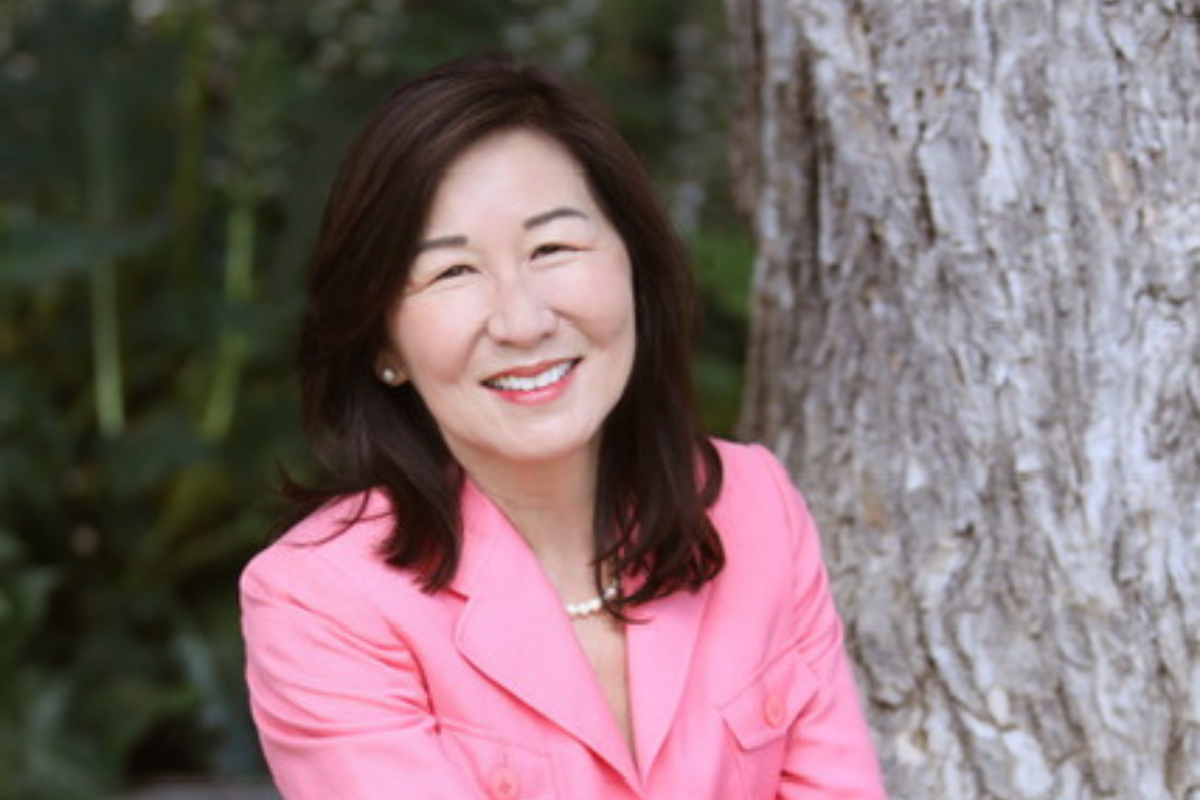
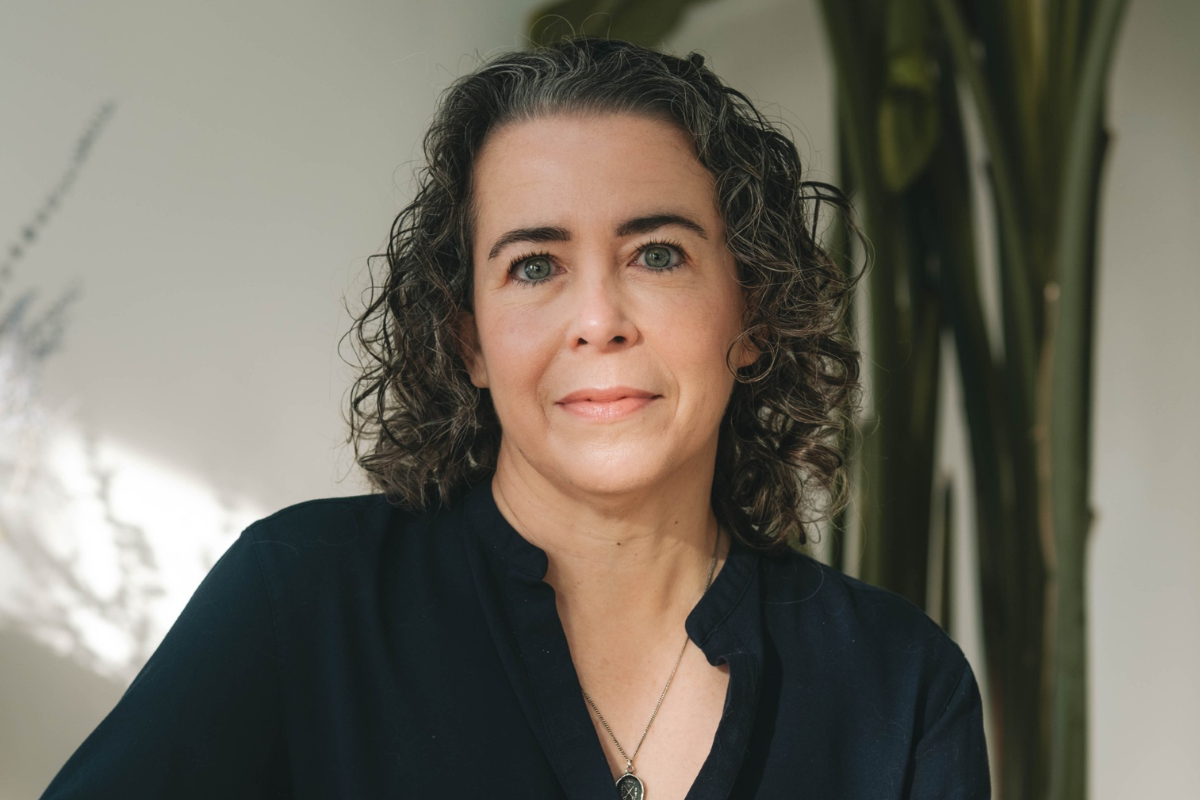
Rosa Kwon Easton is a Korean American lawyer, a library trustee, and the author of White Mulberry, a #1 bestseller in historical fiction. Named a “Best Book” by, among others, Parade magazine, BookBub, and Book Riot, White Mulberry has been translated into multiple languages. Easton is an Anaphora Writing Residency Fellow, and her work has appeared in CRAFT Literary, Electric Literature, Writer’s Digest, and elsewhere. A graduate of Smith College, Columbia University, and Boston College Law School, she resides with her husband and Maltipoo in sunny Southern California.
My debut novel, White Mulberry, and the sequel, Red Seal, forthcoming in October 2026, are both inspired by my family’s oral stories. I conducted numerous long interviews with my paternal grandmother before she passed away in 2012 at 95. I also interviewed my father, who is almost 90 today, about his childhood with his single mother and their eventual journey to the US. They endured one of the most harrowing periods of modern Korean history, and I wanted to preserve my family’s stories before they were lost.
How did I use my family’s oral history to write my novels? First, I had to elicit my grandmother’s and my father’s stories. Around 2010, when my grandmother was in her early nineties, I brought a cassette recorder to her senior apartment in LA’s Koreatown and asked to interview her. I brought her favorite green tea and some tangerines I knew she liked. My father accompanied me to help with translation, as my Korean is limited. I told my grandmother that these stories were for her grandchildren and the next generation.
At first my grandmother’s lips tightened. She didn’t want to talk about her painful past. We drank tea, ate some snacks, and chatted about other things. But once I asked her about some old photos and her faded nursing and midwife certificates from the 1930s, she slowly started to open up. I followed up with additional interviews this same way.
In 2012, my grandmother passed away. We buried her at a memorial park in Los Angeles, and I began to assemble my notes and recordings of our conversations. My first thought was to write my grandmother’s story as nonfiction, capturing the facts and chronology of her life. But as I wrote, I realized I couldn’t explore the emotions and nuances of her character as much as I wanted. I shared my work in progress with a few family members, and one of them didn’t want our family story to be told. It was then I decided to share my grandmother’s story through fiction. I never looked back.
To fill in gaps in my grandmother’s story, I spent every Tuesday afternoon sitting with my father, carefully going over the details of my grandmother’s life. This naturally led to my father talking about his own memories, and I knew I had material for his story too. This time, I used a digital audio recorder instead of an old-fashioned cassette recorder. Gradually, I turned to recording our conversations using the video function of my iPhone camera, or the Voice Memo app on my phone. How technology has advanced even during the decade or so that I started recording my family’s stories! Now it’s so much easier to capture oral histories.
My father also helped me visualize my family history by creating timelines and family trees. My mother often made my favorite Korean meal of doenjang jjigae—fermented soybean-paste soup—to keep us going. We had a wonderful time recalling anecdotes from the past and going over documents, such as my father’s letters to my grandmother that she had brought with her to the US. We teared up reading some of those emotional letters. We laughed coming up with the Korean names I would give to some of my characters. Interviewing my family was one of the most rewarding parts of writing my books. It was a time of bonding, learning, and growing as I started to understand our wider family story and its place in the arc of history.
White Mulberry centers on my grandmother’s story and was published in December 2024. Writing a novel allowed me the freedom to tell my grandmother’s tale through her eyes and deepen the emotional aspects of her story. I could more richly imagine how her life might have been, what her goals and conflicts were, and how she changed at the end to become the strong, independent woman she was. I altered a few details—names and sequences of events—but the essence of my grandmother’s journey remains the same. I also conducted historical research and incorporated it into the world I envisioned my grandmother must have navigated and endured.
The interviews of my father became the inspiration for Red Seal. While my grandmother was guarded about revealing her past, my father shared everything. The most interesting part of hearing his stories was how different some of his recollections were from my grandmother’s. For example, he told me about his longing to return to Japan, where he was born, after he and my grandmother fled to Korea during WWII. My grandmother’s version focused more on her loneliness being a single mother during wartime. It was the duality of their points of view that I found most compelling during this process.
Red Seal grew out of the conflict between my grandmother and father that became apparent during these interviews. I decided to explore the tensions between a parent and child, ones that I know well from raising my own two children. That’s why I chose to write a dual point of view historical novel in both the mother’s and son’s perspectives for Red Seal.
How do we remember the past? How do two people remember the same event so differently? What was going on in a boy’s head, and a mother’s heart, as the world changed around them, and they had different wants and needs? What lessons about family bonds can we learn from our ancestors? By considering these questions, I hoped to understand my inheritance and pass these memories and lessons of resilience to future generations.
I was also fortunate that the non-profit oral history organization, Korean American Story, filmed my father and mother’s stories in 2025. I had reached out them to document my parents’ stories, and the timing was ideal because I was completing Red Seal. Although I had heard my parents’ tales before, listening to them in this way allowed me to discover nuances I’d never known before. I understand better now why they decided to immigrate to the US, which informed the final part of Red Seal. I am thankful that my parents agreed to participate in these interviews and that these videos are archived at the Korean Heritage Library of the University of Southern California. I am currently working on a third novel inspired by my mother’s life.
I wrote White Mulberry and Red Seal to honor my family’s stories, but I also learned something important in the process. I discovered my heritage and became a different person. I learned to appreciate where I came from and embrace all the parts of myself that make me who I am. The memories of my elders experiencing war, migration, and struggle have shaped me and helped me understand that every day is a miracle.
If you have an opportunity to speak to family members about their stories, I recommend it highly. Maybe you’ll want to write a novel about them too!
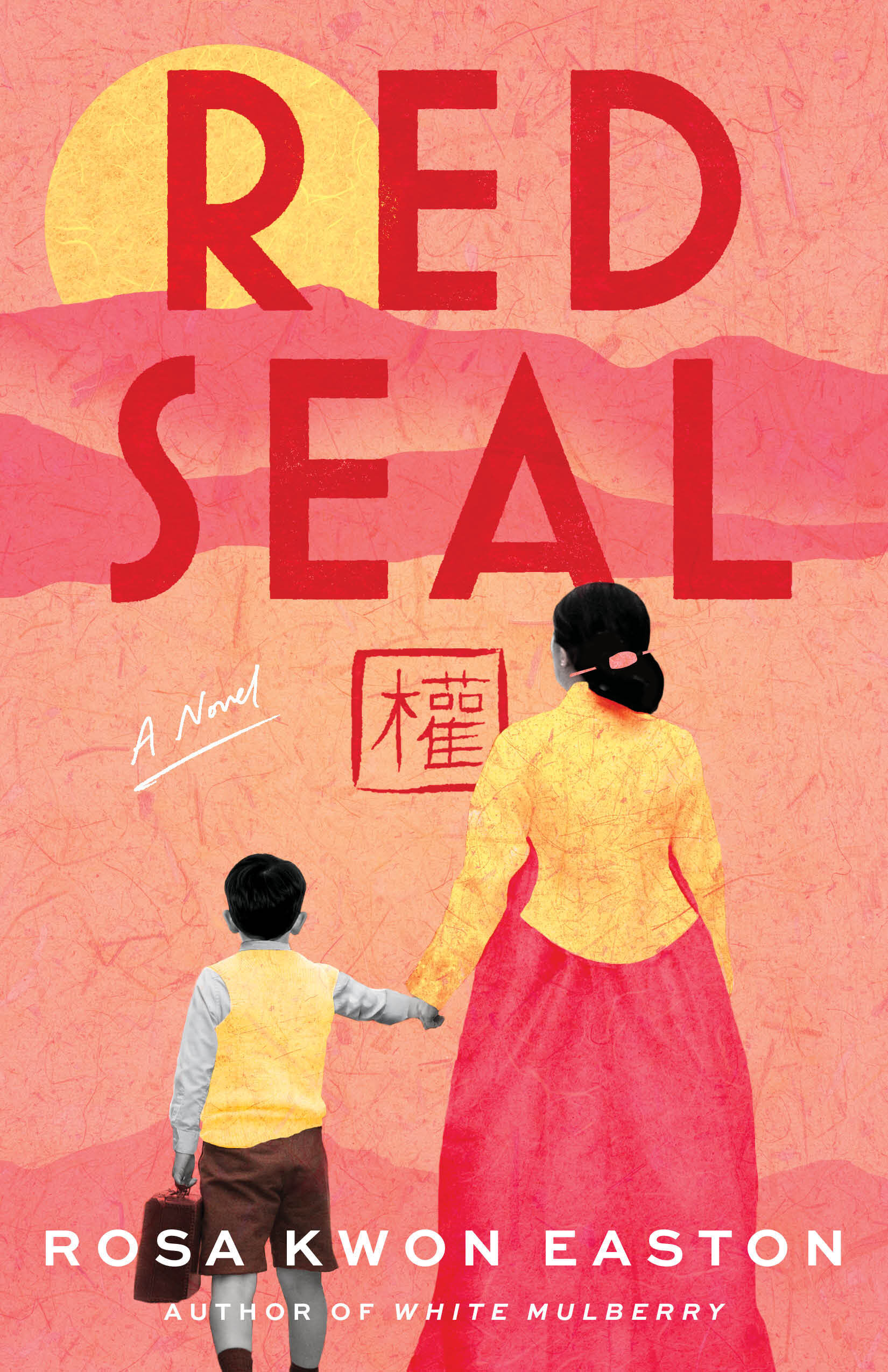
Red Seal by Rosa Kwon Easton
In 1943, Korean-born nurse and single mother Miyoung defies an order to serve in the Imperial Japanese Army and flees Japan with her six-year-old son, Ko-chan. Their journey toward Miyoung’s homeland takes them through Japanese-occupied Manchuria, but Japan’s defeat forces them to escape once again. What begins as a search for home becomes a decades-long family odyssey of survival, sacrifice, and identity across three nations.
Buy the book now: Bookshop.org | Amazon

Leave A Comment