
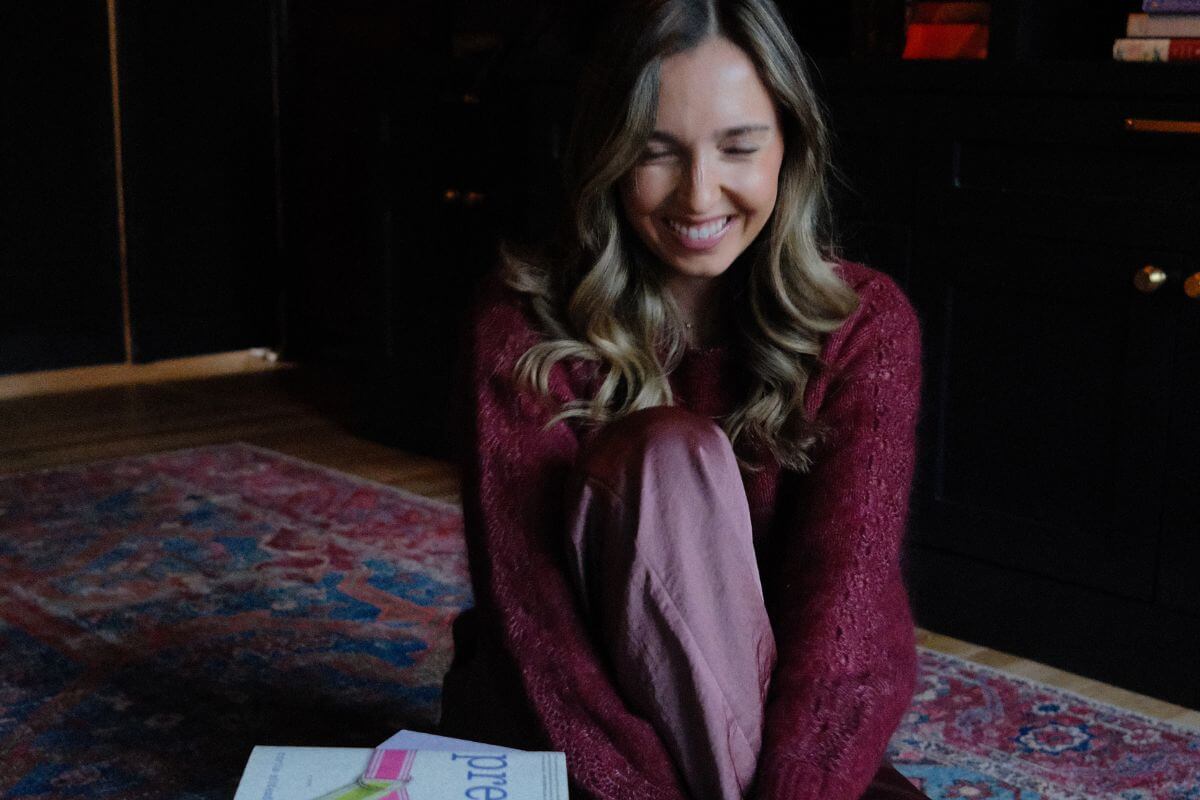
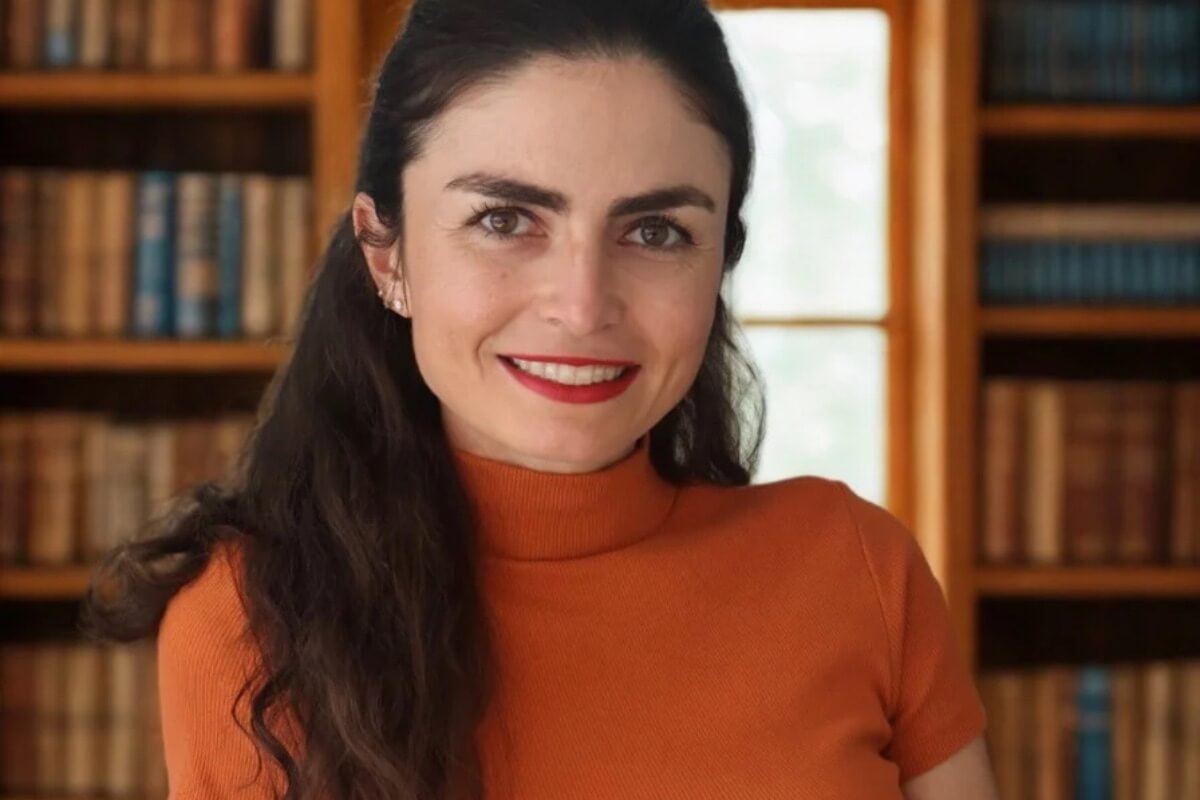
Mary Maeve McGeorge work dissects the ways we deteriorate and blossom in the name of art. Her stories have won accolades from writer’s digest and tulip tree and have been featured in literary magazines such as sunlight press, flora fiction, blue river review, visual verse, brown bag online, heartland society of women and the owl. She is represented by courtney paganelli of levine greenberg rostan literary agency. Her debut novel, LOVERS & LEAVERS, is forthcoming from putnam in spring 2028. She currently live in austin, texas with my husband & sweet baby boy.
I remember when I wrote my first book. I was twenty or so years old, convinced I was the next Veronica Roth. I would graduate college, publish my book, become an immediate millionaire, never need to work a corporate job.
And then I met the querying trenches and realized you didn’t just write a good book on your first try and that it was very much normal for authors to work a day job for a considerable amount of time before and after publishing their debut novel. The horror!
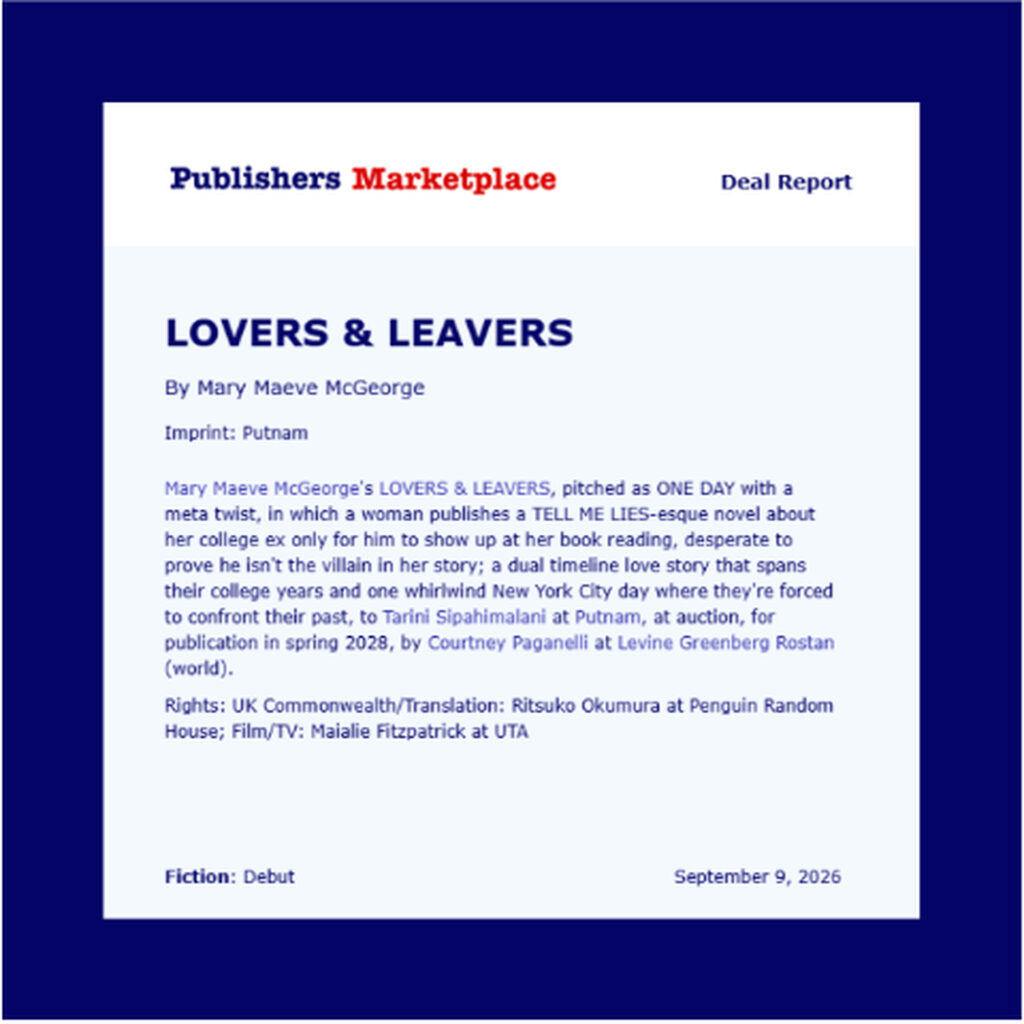
It took me nearly ten years to land an agent and sell my novel and while that in itself is a dream come true, I am well aware that my job is far from over.
Because now, I still have to sell my book as much as I have to sell myself.
Thankfully, I have the tools to know how to do that. Because I was lucky enough to spend ten years in a profession that helped prepare me for this very moment. I’ve spent ten years as a brand strategist leading multimillion dollar campaigns. I know how to position a brand, sell a product, tell a story—and I’m using those lessons I’ve learned as a brand marketer to sell myself.
The first and most important lesson I want to bestow upon you, dear readers: all good marketing is rooted in a call to action. And so, I’ve broken out my approach to building out my author planning based on what I’m trying to drive people to do:
- Phase 0: Take me seriously.
- Phase 1: Follow along (I’m here now)
- Phase 2: Sign up for preorders
- Phase 3: Buy my book
My hope is that this breakdown helps you understand why you’re posting to help you think through what you should be posting.
Phase 0 – Take me seriously
When you’re in the drafting or querying phase of the traditional publication process, there’s very little valuable action you can drive potential readers towards. Unless you have a really potent, hookworthy concept that gets thousands begging for the book—or you’re a natural born influencer—readers don’t matter at this stage.
There is one particular reader, however, who does matter.
Your future literary agent.
For a long time, I didn’t want to post on social media. I thought it would be embarrassing to expose so much of myself for all the world to see. I wanted to protect my writing, focus on the craft, keep it as this quiet, romantic thing I did solely for myself. And for a long time, I remained stuck in the querying trenches. There was, unsurprisingly, a correlation between my reluctance to get on social media and my inability to land a literary agent.
It’s not that I didn’t have enough followers–I still don’t really have “enough” followers–it’s that I was still treating writing as a hobby.
And that, in my opinion, is unfair when asking a person to bet their career on you.
Phase 0, for me, was nothing more than proving to my future literary agent that I was in it for the long run. Showing that I was willing to put myself out there, that I was committed, that I was willing to try.
From a content perspective, I was in full play mode here. Posting what came to mind, doing my best to feel organic, seeing what sticks, honing my content creation craft. And in doing so, I grew more comfortable sharing myself online. I found a cadence that worked for me, a platform that felt innate, a niche that was organic to who I was as a person. I got better at it.
Another lesson to bestow upon you: you are only going to post if you like what you’re posting. And people are only going to engage if they can tell you like what you’re posting too. It has to feel authentic, so you should use this phase—while the stakes are lower—to find what feels most authentic for you.
Authors who are nailing this phase:
- Rena Rani. She knows which genre she wants to write—smart romance novels—and so she’s become an expert in it and gathered a not-so-small following on substack of three thousand plus subscribers.
- Samantha Dilley. With her consistent, recognizable DIML author content TikToks, she’s proven, far and away, that she is in it to be a career author.
Phase 1 – Follow me (I’m here now)
There’s no preorder link for my book. There’s no cover for me to build awareness for. No Goodreads listing for readers to mark my book as want to read. The only tangible action I can drive potential readers to take is to follow me, and the most interesting thing about me is the fact that my dreams came true.
I got an agent after hundreds of rejections. I sold my book at auction, in a six-figure deal to a big five publisher after previously shelving the very same manuscript. I am about to go out with that book for foreign rights. I have a film agent at one of the most reputable talent agencies in the world.
I am now, shockingly, a success story.
As such, my current target audience is fellow writers. They are who will be most compelled to follow me–because they want to know how I did it.
I’m still playing around to see what works from a content perspective–but my content itself has more bravado to it because my perspective is now valuable. I can show my life, show my process, show my failures and show my successes. I can share my thoughts on timely things like books I’ve loved and artificial intelligence and Elizabeth Holmes’ creepy husband, and people will listen because now I have qualifications.
I’m slowly beginning to hint at what my book is about, but I’m saving the meat of my most compelling, Lovers & Leavers-related social content for when there’s a more valuable call to action for interested readers to take than hitting follow (which doesn’t guarantee they’ll actually read your book).
Authors who are nailing Phase 2:
- Hannah Callahan is the definition of a professional author. She’s locked in, and the proof is in the breadth of followers she’s achieved across platforms.
- Kaela Higgins has such a compelling voice on socials, so compelling I already know how voicey her debut novel, Not That Kind Of Ghost Story, will be.
Phase 2: Sign up for preorders
Preorders directly influence the support I get from my publisher, so this is arguably the most important phase of building my author platform. But luckily, I’ll have a clear, tangible call to action and a pretty cover to pair with it.
This is when I plan to meet my readers.
I already know who I’ll be targeting—women aged sixteen to thirty five that can’t help but belt their hearts out to Olivia Rodrigo and Gracie Abrams and have thoroughly dissected the psyche of Stephen DeMarco. I want the girls who have fallen, over and over again, for the wrong guy. As such, I have a running list of content ideas aimed at resonating with my potential audience.
Dissections of attachment styles and analyzing the draw of limerence, songs I listened to as I wrote key scenes (my book is Right Where You Left Me on paper), actors I’d pick to play my main characters (Drew Starkey…hello), etc.. This is where I’ll test the big, hooky, potential viral social concepts—I wrote a book about a girl who writes a book to get back at her ex…here’s how much is true—because this is where I can actually drive people to take tangible, measurable action.
I can actually start to sell my book.
Everything I post at this stage will directly contribute to the perception of my book, so all content will be intentionally mapped out, vetted for quality, and posted at an optimal time. And because I spent so long playing and testing and honing my social skillset, I won’t have to guess at what works. I’ll already know.
Authors who are nailing Phase 2: Both Lexie Axon (Viper & Lilies) and Kate Emilie (Seven Dishes To Forever) are the definition of polished and consistent.
Phase 3: Buy my book.
I want my books to be evergreen. Prep and One Day and Normal People all have staying power because they dissect a sort of love that most everybody, at one point or another in their life, knows. I want my book to have that same staying power.
However, I do not want to fatigue my audience. There’s only so many times that I can post the cover, so many times I can dissect a quote, so many times I can sell my book.
Creative fatigue is a real thing in brand campaigns, and it’s a real thing with authors too. Eventually, they will get tired of seeing me post about the same thing, over and over again. Eventually, they will get over my book.
But my perspective–if they like my book–will always remain interesting.
From the launch to ten years down the road, my content strategy will be intentionally cultivated thought leadership, all surrounding the key theme of my novel: limerence.
Any time I have a new perspective on limerence, or there’s an interesting cultural moment surrounding toxic love, or I have a new take I want to unpack on Substack, I’ll be posting about it with my novel as proof that I know what I’m talking about. If people are intrigued by my perspective, then I’ll gently nudge them to read my book.
There’s one last part to this—a part I haven’t quite nailed yet—that has to do with brand consistency. I want people to see my content and instantly know that it belongs to me. Whether that’s sticking to a color palette or having a distinct content niche that I carry on over time (I’m currently testing scrapbooking my substacks), I’m still deciding what this looks like but I plan to have my content vibe nailed down by the time I get to this phase.
Authors who are nailing Phase 3:
- Sonia Feldman (Girl’s Girl) just posted a viral video about friendship trios, sharing her perspective then subtly weaving her novel into the ending. Perfect example of posting relevant, evergreen content. Friendship trios will always be interesting, and she knows that.
- Primary colors somehow now belong to Loretta Rothschild (Finding Grace). Anytime I see her content, I know instantly that it belongs to her.
And lastly: a note.
I have writer friends who dread posting on social media. They are worried friends and family might judge them for it. They’re worried their companies might see them posting. They’re worried about how they will be perceived. The list goes on, and I get it.
But to that, I say:
- You’re writing a book. That is really freaking cool. There is nothing cringey about pursuing a passion, especially something as profoundly human as this.
- You’re writing a book. You hope to one day publish said book. I can bet there is a line in your book that is far more embarrassing than you posting a day in your life as an author managing a full time job, raising a family, baking sourdough, etc.
- You’re writing a book. That’s a whole lot of work to not go all in on making it a success. The cringe is worth it if posting on social media will show to agents, editors, publishers, yourself—that you are taking this seriously.
- You may think there’s nothing interesting about yourself to merit posting, but might I remind you…YOU ARE WRITING A BOOK.



Leave A Comment