
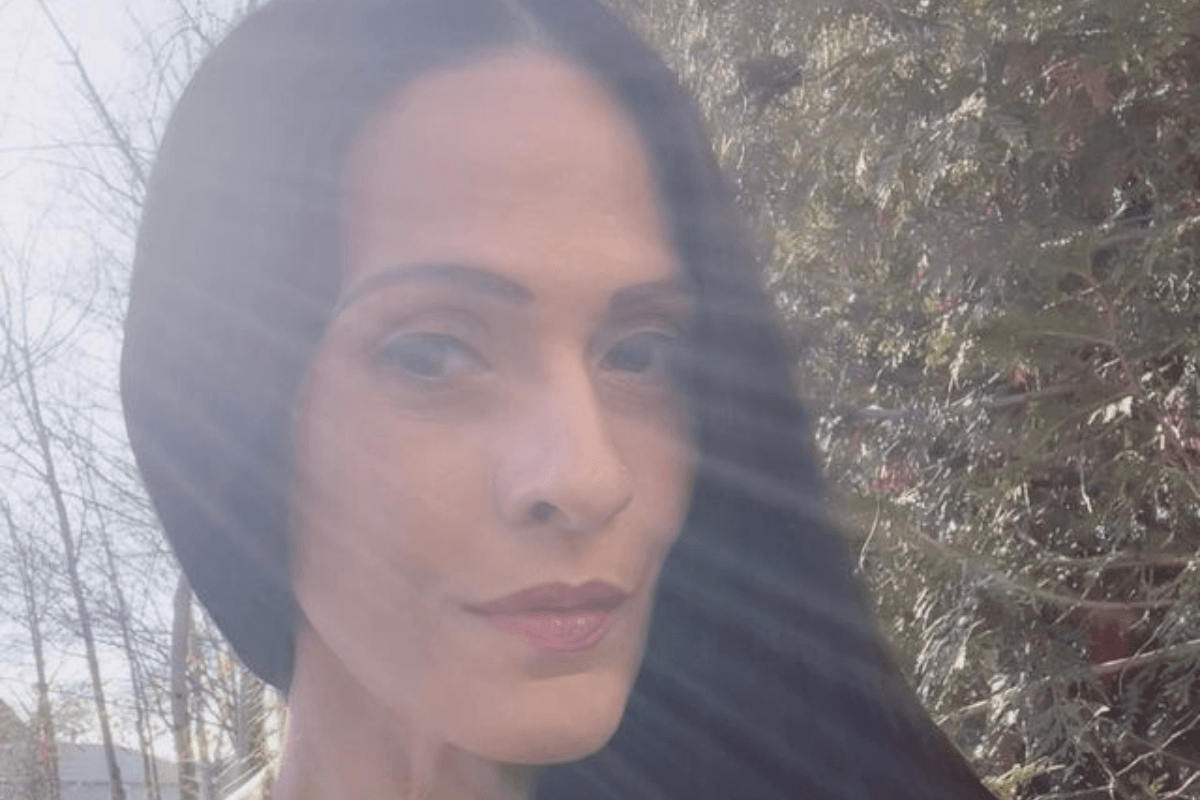
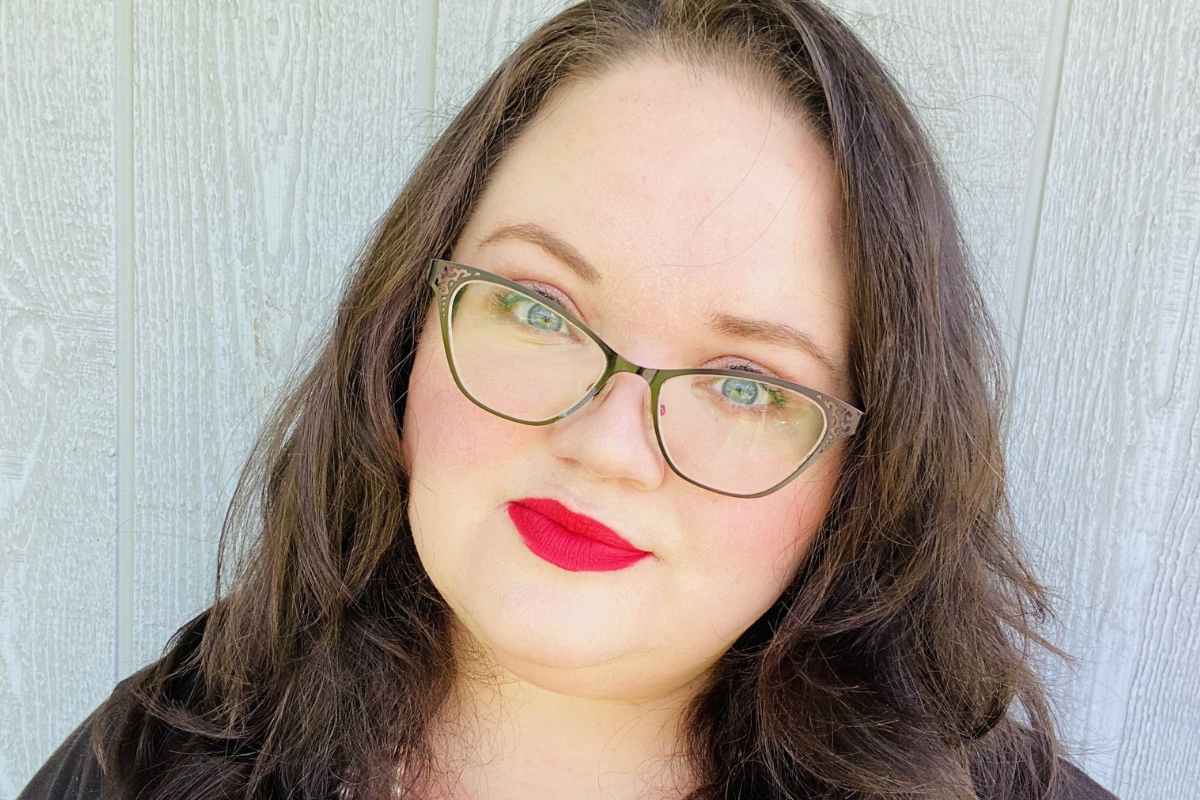
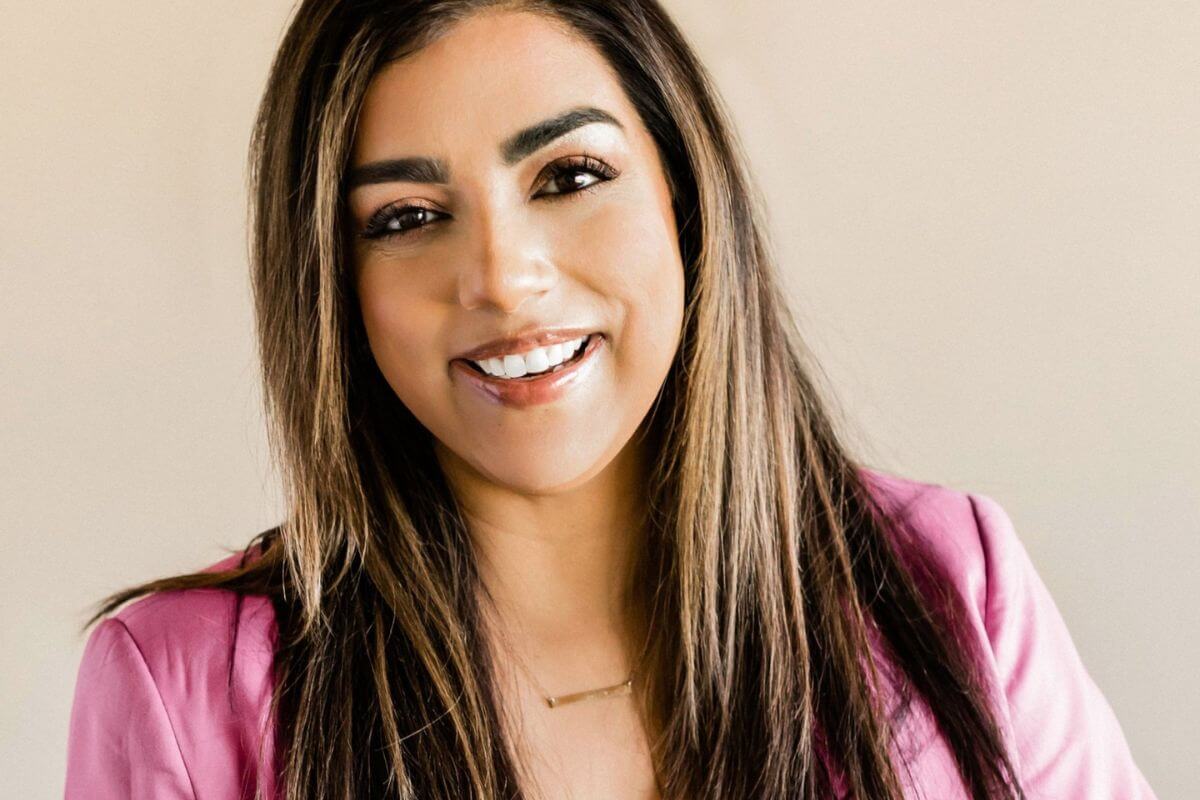
Cynthia Pelayo is the Bram Stoker Award–winning author of Forgotten Sisters, Children of Chicago, and The Shoemaker’s Magician. In addition to writing genre-blending novels that incorporate fairy-tale, mystery, detective, crime, and horror elements, Pelayo has written numerous short stories, including the collection Lotería, and the poetry collection Crime Scene. The recipient of the 2021 International Latino Book Award, she holds a master of fine arts in writing from the School of the Art Institute of Chicago. She lives in Chicago with her family. For more information, visit www.cinapelayo.com.
I’m often asked why it is I write horror and very often I provide expected answers like: Horror is the genre of truth in that we’re able to tackle a range of issues without looking away. Or, because we all experience fear. Or, because none of us can definitively answer the greatest unanswerable question: “What happens after we die?”
All of these are reasons I write horror, but there’s another reason: I write horror to process all that I would do to protect those I love. And so, in a sense, horror is a love story.
If you strip any genuine horror story to its scaffolding, you will find someone the protagonist does not want to lose. A mother barricading a door from a monster, a sister running back into the house to save a sibling, a grandmother on her deathbed telling her family, finally, who the ghosts really are that haunt them. We see this again and again, the fight to the death to save someone from dying, or even, the refusal to accept a loved one has died, because we just need one more minute, one more hour, one more opportunity to say goodbye.
The defining characteristic of a horror story is that it is a story that generates fear. I also think it’s important for us to consider… where does that fear come from? And when thinking about it, very often it comes from the thought of losing someone we love.
Specific to Latin American horror, our monsters are very often known to us. They come from inside the family, from our towns, histories, the tales we’ve told again and again. In Latin American culture it’s like we inherit our ghosts.
Latin American horror does often present tropes that are common in American horror, like the slasher or the final girl, but those are not the elements that dominate. What we often find in Latin American horror stories are our people running towards one another, towards the monster, and sometimes even reaching for the ghost. When I edited Something Followed Us Home: Tales of Latiné Horror, I gave seventeen Latin American authors a prompt: What story from your place of origin haunts you, whether that be something that was told to you by a family member, something you read, a true crime story from your place of origin, and so on?
I think the typical American horror reader would expect blood and gore and violence and monsters… but the stories I received were exactly the tales I was expecting, because I know us Latin Americans, and I know that we are much more complex than Western media presents. Latin American identity is not a monolith and what we fear ranges. Still, nearly every story held a thread about protection, family, and wanting to be loved / accepted.
Even our most terrifying and widely known stories include elements of protection: Cucuy, who waits in the dark for children, but yet, there is always a guardian — mother, grandmother, someone there waiting to protect the child. La Llorona is about the protection inverted, where the protector became the danger, a betrayal our cultures refused to absorb quietly, and so the story is repeated again and again. We frighten each other with these tales, but yet, they’re also warnings about the real dangers in the world, and reminders to our loved ones to please keep close so the monster does not whisk you away.
My story “El Jíbaro de Puerto Rico” was written as a memoriam for my own father, who was from Adjuntas, a small mountain town that once produced coffee and sugarcane in abundance. The story holds the history of conquest, the tradition of espiritismo, the tragedy of the Ponce Massacre, but at the very center it’s about a grandfather handing his granddaughter the truth, because it was all that he had to give, and he did so in order to show her how much he loved her, and because he knew this truth would protect her.
I think this is what people miss when they dismiss horror as a genre that simply revels only in blood and guts and cruelty, because there is depth there, you just need to know where to find it. In order to be afraid, you must be scared of losing something, and very often what we’re most afraid of losing is those we love the most, and horror is able to confront that directly.
Latin American horror very often demands to know who would you protect, what will it cost you, and how are you willing to pay for it? I think in our stories, the answer is very often, yes, I will pay anything and everything to protect those that I love. I will pay for it in full, I will pay for it in blood, I will pay for it in exile, I will stand there and wait until the lights go out and the monsters descend and I will not turn back because I will fight until my last breath to protect those for whom I open my eyes each morning. That is the genre I write in, and I do it to show and prove that’s why it’s so important to fight the monsters, so that we can keep those we love safe.
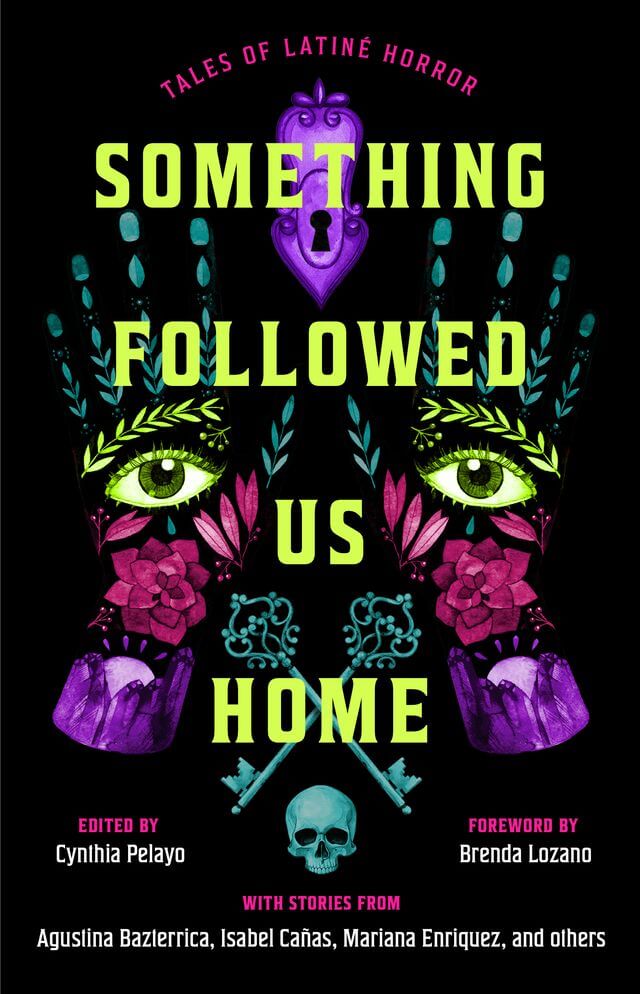
Something Followed Us Home: Tales of Latiné Horror edited by Cynthia Pelayo
In this collection of Latiné horror stories from 17 different authors edited by Cynthia Pelayo, tales of haunted households, now dangerous sacred spaces, brutal landscapes, and bodies taken by ancient and intimate forces are told. Each story tells the tale of the evil that follows us home, watches from our mirrors, and rarely leaves without taking something in return.
Buy the book now: Bookshop.org | Amazon


Leave A Comment