
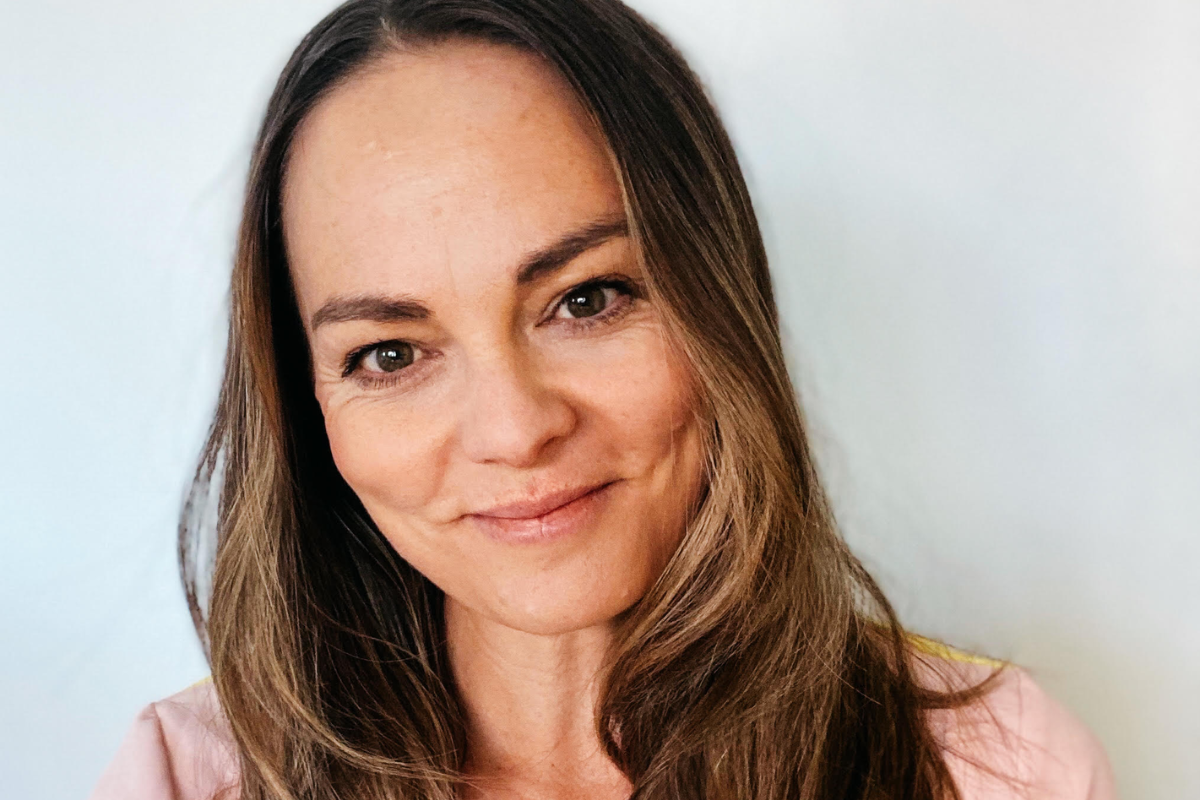
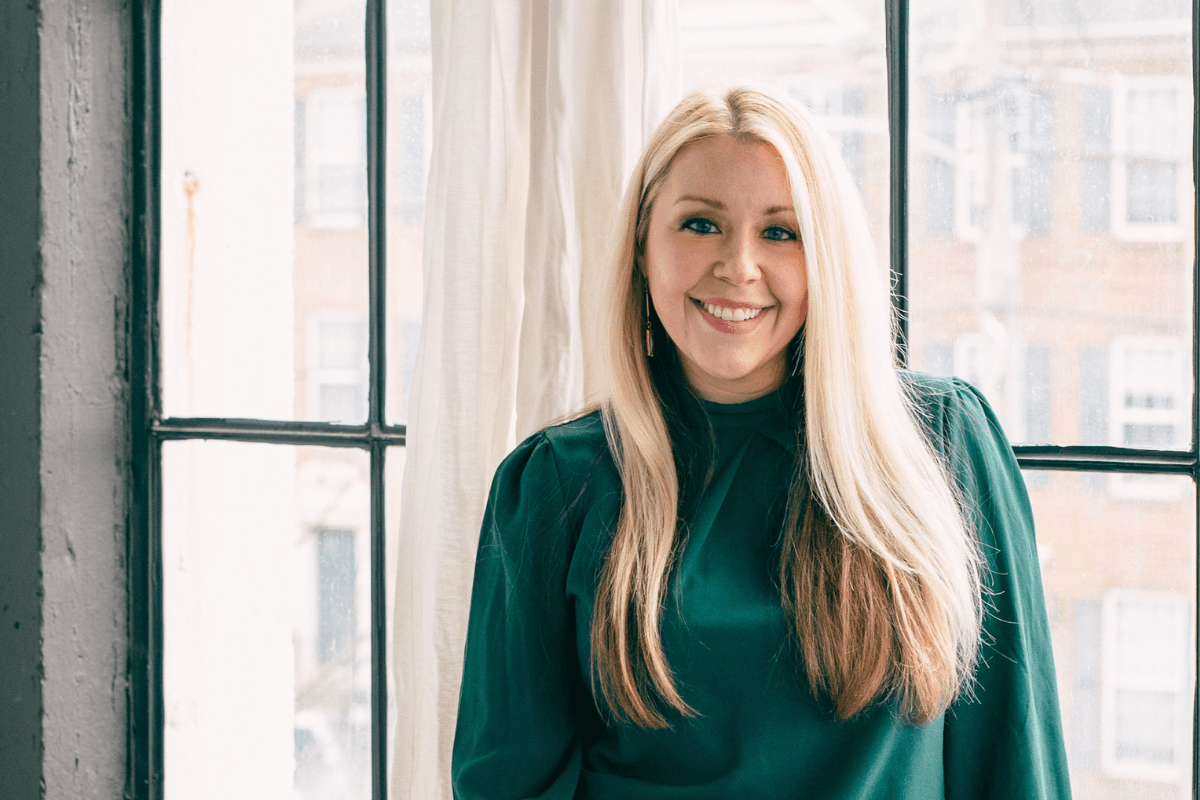
Chelsea Chong writes speculative suspense in the vein of Black Mirror. When not writing, she can be found drinking coffee, swimming with her kids, or scouring second-hand stores for items she can up-cycle. Of Scottish and English heritage, Chelsea was born on the unceded lands of the Eastern Maar Peoples in Australia. She now lives on Gubbi Gubbi country in Queensland with her husband and two fiery young girls. Her debut novel THE WAY OF THE LIGHT is out with HQ HarperCollins Australia in early 2028. Find her at www.chelseachong.com or on instagram @chelsea_anne_chong.
Fear of creative failure held me back from pursuing my publishing dreams for more than a decade. Growing up, my heroes were literary giants. C. S. Lewis. Charlotte Bronte. Ernest Hemingway. They seemed magical to me. People I assumed could sit down and pour their genius onto the page in a steady stream: from brain to paper to publication. I wanted to be like them—a ‘great writer’—but my sentences were ugly, my words uninspired, and the inadequacy of my talent was overwhelming.
In university, when creative writing tutors edited my work, I became defensive and self-flagellating in equal measure—convinced they didn’t ‘understand’ my writing, certain I’d never write anything worthy of publication. It’s laughable in retrospect but felt devastating at the time. Stephen Pressfield says the degree of dread you experience in pursuing a creative dream measures the importance your soul places on that dream, and this rings true for me, but rather than sitting down to face the spectre of my aspirations, I ran from them. I opted out of further creative writing electives and spent my twenties focussed on politics and international development instead.
It wasn’t until my sister died of bowel cancer at the brutal age of thirty-two that I realized my mistake. At her celebration service, many of us spoke about her creative bravery—the way her short life had overflowed with art. She wrote music, played the guitar and piano, and sang. She took dance classes, released albums, made music videos, and performed at weddings. If my sister had any fears of pursuing her creative dreams, she’d faced them head-on.
Witnessing my sister take her last breath left me with one foot in the world and the other in eternity. It shattered the illusion of time. Nothing was certain anymore. My life was happening. My time was running out. So in 2019, eight months after my sister passed away, I signed up for a creative writing short course at my local university. This would be the first time in a decade I’d worked the muscles of my creative bravery, and as with any new exercise routine, it was painful at first. We studied magnificent short stories by famous writers that left me aching and inspired. We wrote during class and shared our unpolished work. My tutor offered to edit my stories on her own time and sent links to short story competitions, encouraging me to submit.
I almost didn’t. I almost let fear regain control, but the memory of my sister’s fierce creativity pushed me to take another step into the unknown. I sent a story off to a couple of competitions and tried my best to forget about it. Three months later, an email arrived from The Bristol Short Story Prize to say my story had been shortlisted and chosen for publication in their anthology. I read the email at one in the morning while breastfeeding my daughter and, buzzing from the news, couldn’t fall back to sleep.
Spurred on by this early success, I continued writing and submitting short stories for three years, accruing a handful of publications and hundreds of rejections. Faced with such constant failure, I decided to approach writing in the same way I approached competitive running in my teens—as a mental game. I found my mindset had a profound influence on the flow of my creative energy, so alongside developing my writing skills, I also focused on growing my resilience. Cultivating an attitude that would allow me to continue producing, editing, and submitting my work, even if that work didn’t find a home.
In early 2023, I began my first full-length manuscript—an adult speculative thriller. My daughters were still young and needed constant attention during the day, so I joined the ranks of the early riser, waking at 5 a.m. to write. I drafted and edited my first manuscript in seven months, and while cleaning and cooking, listened to The Shit No One Tells You About Writing podcast to learn how to query.
Determined to find someone who loved my manuscript, I queried one hundred agents, received 6 full requests and no offers of representation. The rejection stung, but I took the positive feedback from those rejection letters and wrote it onto my bathroom mirror. Responding to constructive criticism, I re-wrote the novel as YA and sent the new version to one hundred more agents, receiving 6 more full requests but still no offers.
It was during this time that my eldest daughter began experiencing prolonged panic attacks. She’d always needed extra care and sensitivity. Through her toddler and preschool years, we tried to manage what we thought was the challenging behaviour of a strong-willed child, but as a second year of kindergarten loomed, my daughter’s nervous system shut down. Undiagnosed autistic and ADHD from birth, she’d been functioning as a neurotypical kid for too long without the accommodations she needed, and her body had had enough. She began to have trouble sleeping. Would scream until three in the morning. Could hardly eat. Stopped talking and began to walk on all fours. When we were finally able to get her to a paediatrician, she was diagnosed with level 2 autism, ADHD, and a co-occurring nervous system disability. The experts told us our daughter was experiencing severe burnout, and so began the hardest season of my life: caregiving through two years of nervous system recovery.
Drowning under the weight of this responsibility, I needed to find something for myself—an accessible, external source of joy—and that came in the form of a scholarship to The Faber Academy’s Writing a Speculative Novel course. For a couple of hours every Tuesday night, I hid away in the office and took part in online classes. Gun-shy from the widespread rejection of my first manuscript and shaken by my daughter’s struggles, my energy for writing had waned, but the incredible sense of community I found at The Faber Academy reinvigorated my passion. Over the nine months of this course, I wrote the novel that would go on to become my debut.
Largely confined to our house, writing became my escape and my sanity as we gave our daughter the time and space needed to heal. I wrote on the couch, left arm slung around my daughter to stave off her panic attacks, right hand tapping away at the keyboard. I wrote in little snatches of time in between fetching snacks and medication and rocking my daughter through the worst of her anxiety.
When it came time to query this manuscript, I strapped myself in for a protracted journey, expecting months of rejection, but a mere five days after I sent my first query out, I received an offer of representation from a brilliant agent in the UK. In May 2025, I signed with Hannah Weatherill from Watson Little, and after five months of revision, we went out on submission to editors. In early December 2025, seven years after I finally decided to face my fears and take my dream of publication seriously, an email landed in my inbox with an offer for a two-book deal with HQ HarperCollins Australia.


Leave A Comment