
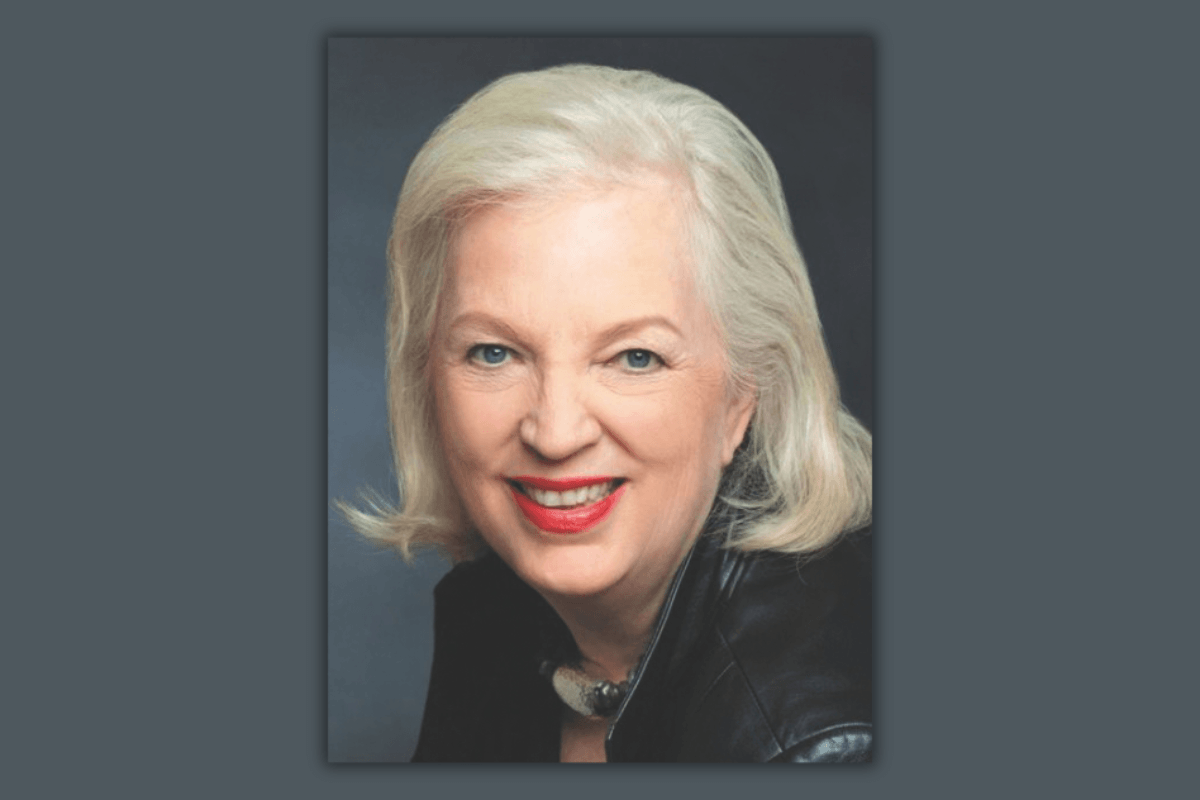
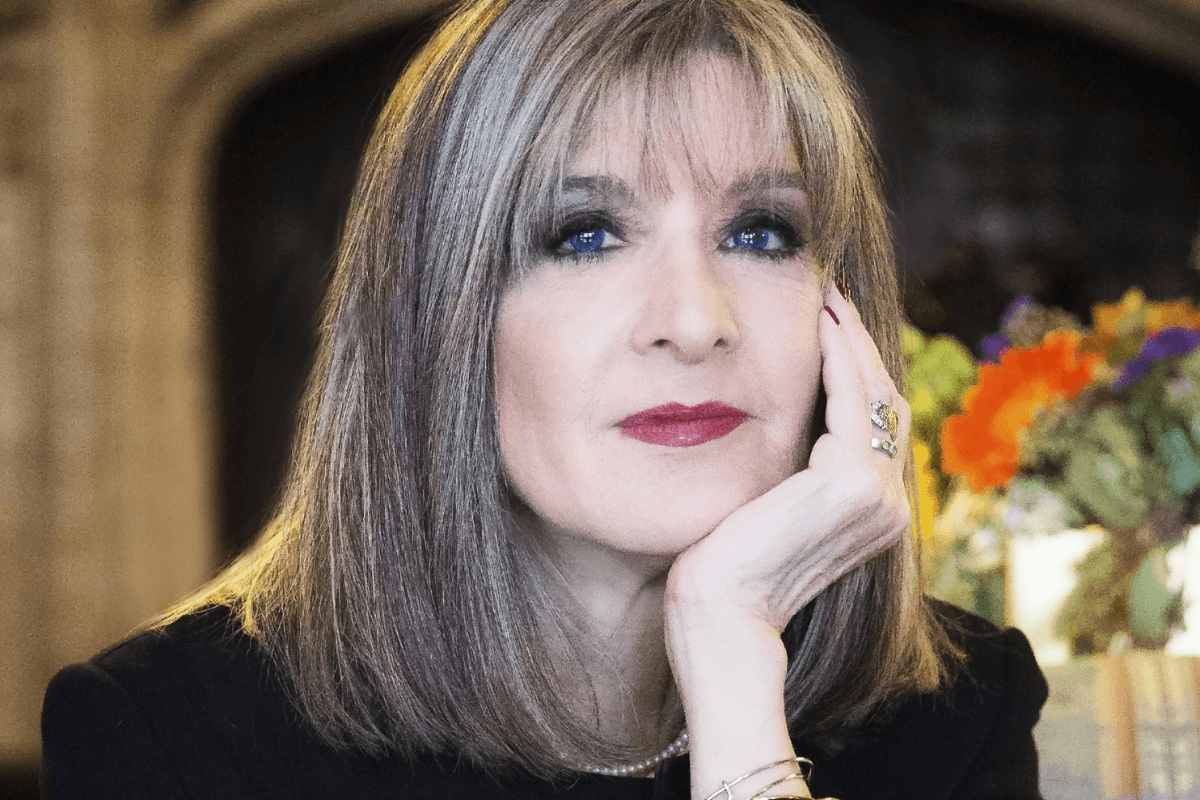
J.A. Jance is the New York Times bestselling author of the J. P. Beaumont series, the Joanna Brady series, the Ali Reynolds series, six thrillers about the Walker Family, and one volume of poetry. Born in South Dakota and brought up in Bisbee, Arizona, she lives with her husband in Seattle, Washington.
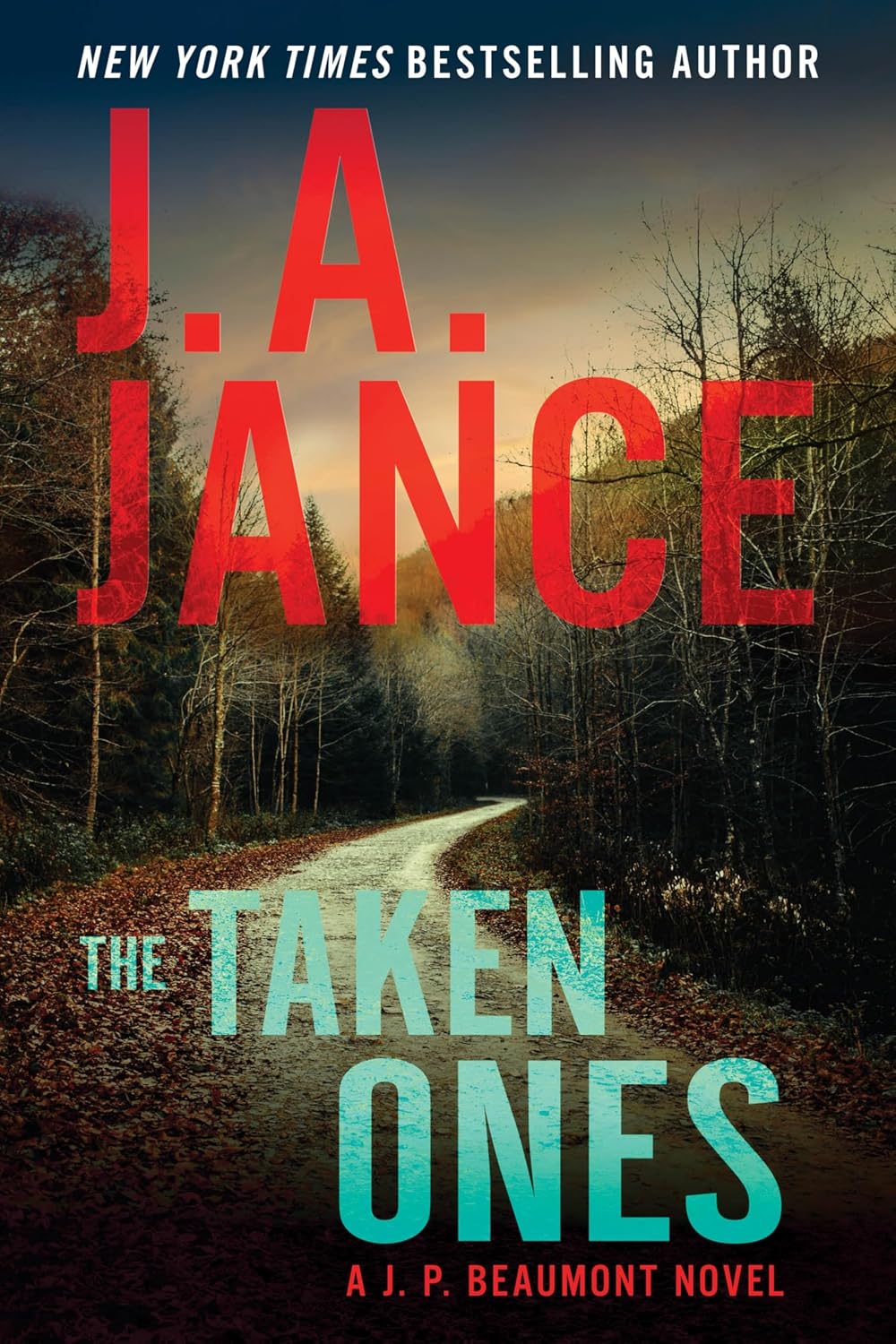
Tell us about The Taken Ones. What was most on your mind while you wrote this J.P. Beaumont novel?
I don’t do outlines. I first met outlining in a sixth-grade geography class. I hated it then and nothing that has happened to me in the intervening decades has changed my mind about that. So I knew early on that there was more than one kidnapping victim and that all the girls involved were outstanding in one way or another. It took me a while to figure out WHY they were being taken. That means that when things happen in one of my books, I don’t know they’re going to happen until they do. That’s one of the things that keeps me interested in what I’m writing. Like my readers, I, too, want to learn how the story will turn out.
Buy the book now: Bookshop.org | Amazon
This year marks more than 40 years with J.P. Beaumont. When you look back at the woman who first created him, what surprises you most about the journey you’ve taken together?
For six months, in the latter part of 1982, I tried to start writing the first Beaumont book, but I couldn’t get it to come into focus. Finally, in 1983, I sent my kids to camp for spring break and put myself on a train from Seattle to Portland where I intended to spend some time with a friend from my days in the insurance business. I boarded the train with a stack of blue-lined notebooks and a fistful of ballpoint pens.
As the train pulled out of the King Street Station, I asked myself, “What would happen if I wrote this book through the detective’s point of view?” So I got out a notebook and a pen and began writing. “She might have been a cute kid once. That was hard to tell now. She was dead.” As soon as I wrote those words, I was walking around a crime scene on the back of Seattle’s Magnolia Bluff. I was walking in Beau’s shoes, seeing what he saw, and hearing what he heard, but I was also hearing what was going on in his head. Our story started out that way—with him in first person—and it’s been that way ever since.
I sometimes tell people I met J.P. Beaumont on a train, because it’s true. He seems real to me. And he only works in the first person. When a new editor tried to put him third person, he turned into a cardboard cutout instead of a living, breathing character.
As for what surprises me most? What expected to be a one-book book has now turned into a series of close to thirty!
With 60 novels under your belt, what continues to fuel your passion for storytelling?
The ancient sacred charge of the storyteller is to beguile the time. I loved hearing from readers who have told me reading my books helped them get through some difficult events in their lives—like going through a divorce or losing a spouse after a long battle with some dreaded disease. Tough times are times in need of beguiling. It turns out, that’s also a two-way street. During the isolation of Covid while becoming a caregiver to a husband with worsening Parkinson’s symptoms, writing books rather than reading them helped me maintain my own sanity
You have a strict and ambitious daily schedule you keep. How much of your longevity as an author comes down to routine?
I get 10,000 steps a day—day in and day out—and that alone takes at least an hour and a half. My goal is to walk around the world. That’s 24,901 miles. I’m currently at 22,000. I look after my husband. I do the cooking—not gourmet cooking, but adequate. Neither one of us is starving. We have a very stubborn dachshund. She has a doggie door which she chooses not to use, so my job is to function as her doggie door. And then I write, sitting in a chair in the family room with a laptop on my lap while my husband doses in front of the TV set. (I grew up in a family of seven kids. We did our homework at the kitchen table while our mother made dinner. I can work with distractions!)
Today is Tuesday. I’m working on an online interview right now, but Tuesdays are the day I usually write the blog that posts on my website every Friday morning. I probably won’t do that today, though, because I’ve just finished writing the next Joanna Brady book, Before the Trail Goes Cold, and I’m doing a word-by-word correction-reading of that before sending it off to my editor—hopefully by the end of the week.
Now that you mention it, I guess it is a pretty ambitious schedule.
Talk about the changes you’ve seen for women in publishing during your career. Do you feel there was a particular moment where you saw women start to be taken more seriously as authors?
I submitted the manuscript for my first novel, Until Proven Guilty, under my real name—Judith Ann Jance. My agent—my agent then and still my agent now—knew what was what. So she changed the title page author to J.A. Jance. The second editor who saw the manuscript called and told her, “The guy who wrote Until Proven Guilty is a good writer.” She asked, “What would you say if I told you the guy who wrote that book is a woman?” His reply, “I’d say she was a hell of a good writer!”
A year later, the marketing team at Avon got hold of the manuscript and called a halt, saying, “No readers (meaning male reader, of course) will read a police procedural by someone named Judy. Let’s use her initials.”That’s where the pen name J.A. Jance came from. The irony of that is that for the past 40+ years, my next-door-neighbor on bookshelves in stores and libraries has been P.D. James, short for Phyllis Dorothy, who had to use her initials for the same reason decades earlier.
You wrote your first novels before sunrise while raising children and working full-time selling life insurance. Many women are still reaching for their careers under these circumstances. What advice do you have for them?
When people tell me that someday when their lives are perfect, they’re going to write a book, too. As soon as the words are out of their mouths, I’m pretty sure they’re never going to write anything. Writers write when their lives are IMPERFECT. My first published book, After the Fire, was written during the dark of night while my first husband, who died of chronic alcoholism at age 42, was passed out cold in his recliner. After the Fire recounts the story of that challenging relationship—in poetry and prose—and my entire mystery writing career came about AFTER and probably even BECAUSE of that emotional fire.
Readers have shared that your books helped them through grief, illness, and difficult seasons of life. What have those conversations taught you about the impact stories can have beyond entertainment?
A couple of years ago, at an event in Phoenix at the Poisoned Pen, a woman seated in the second row said, “Reading After the Fire changed my life. Everything that went on inside our house was a secret. After I read After the Fire, I knew I didn’t have to keep those secrets any longer.” What she said gave me goosebumps. Still does.
Looking back across your entire body of work, is there one lesson about writing (or life) that stands out the most?
Do what you love even when people around you insist that it’s never going to work. Right now I have three books written and in the publishing pipeline. I have two more under contract. I’m 82 years old. I’ll be fully employed until I’m eighty-five.
How do you think about legacy? And what do you hope is yours?
When I was a K-12 librarian on the Tohono O’odham reservation in Arizona, I told 26 stories a week in K-6 classrooms. I’m six-feet tall. I often wore a bright green dress on story-telling days. I learned years later that the kids used to call me “the Jolly Green Giant,” because when I visited their classrooms, it was only for fun.
That’s how I still think of myself—not as a novelist but as a storyteller. As I said before, the ancient sacred charge of the storyteller is to beguile the time. That’s how it was when tribes of hunters and gatherers, clustered around fires for warmth, began sharing stories to keep the scary stuff at bay. And that’s how it is now when people are spending lonely hours in a hospital waiting rooms, dreading the worst and hoping for the best, and reading one of my books to keep out all of their scary stuff.
What are you working on next?
Since I’m just finishing Joanna #22, Beau should be next up. I always like to touch bases with him and all his friends and relations, and writing another book is the only way to find out what they’ve been doing while my back has been turned.

Leave A Comment