
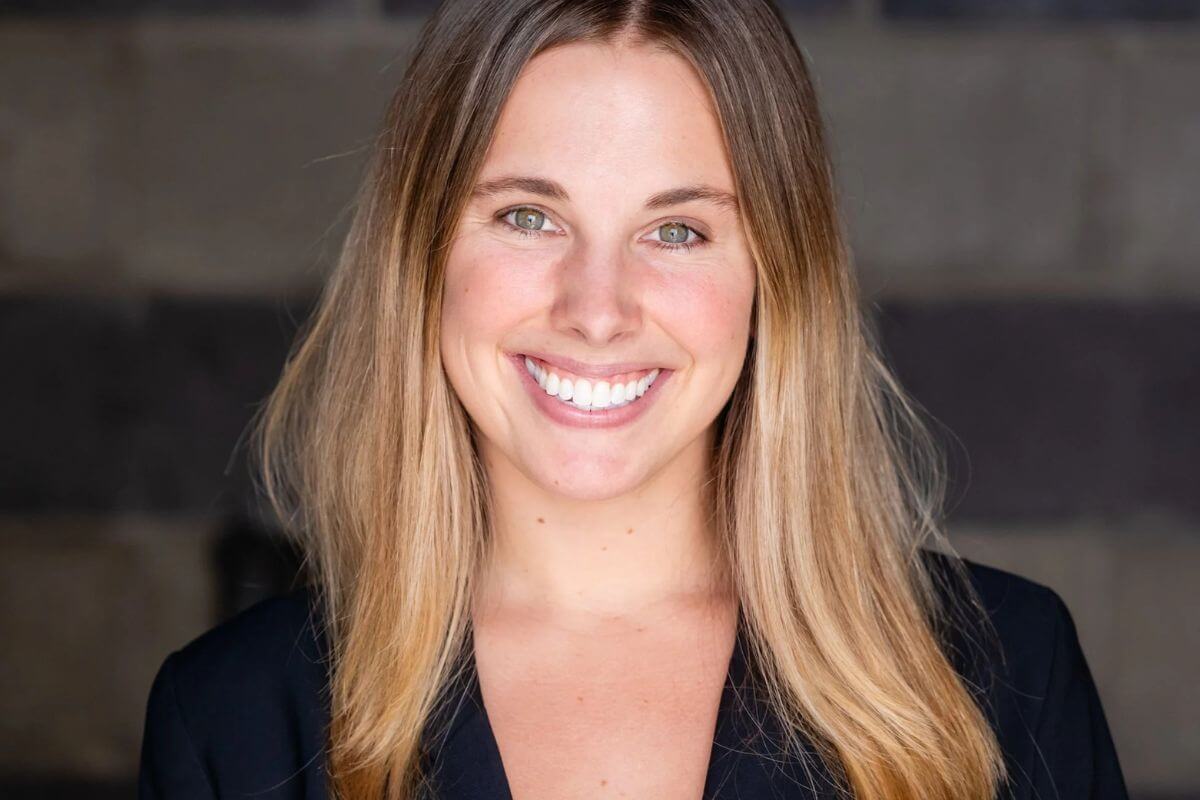
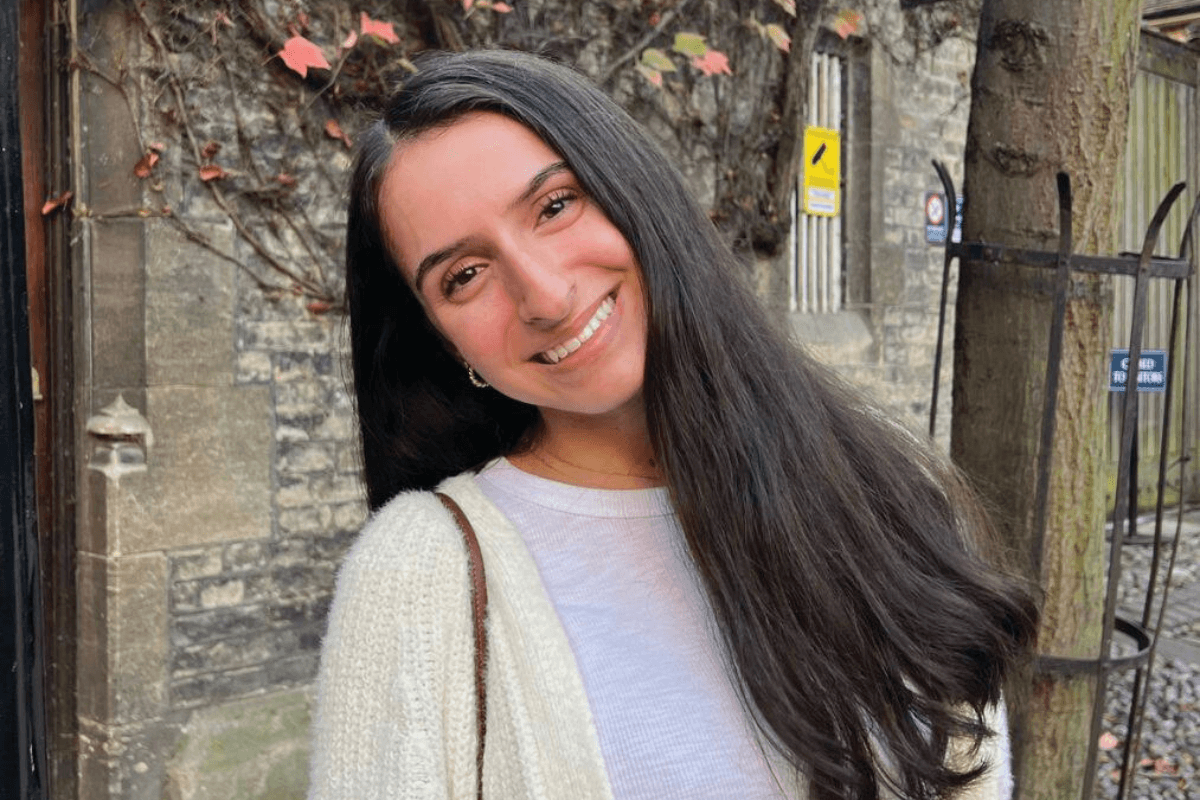
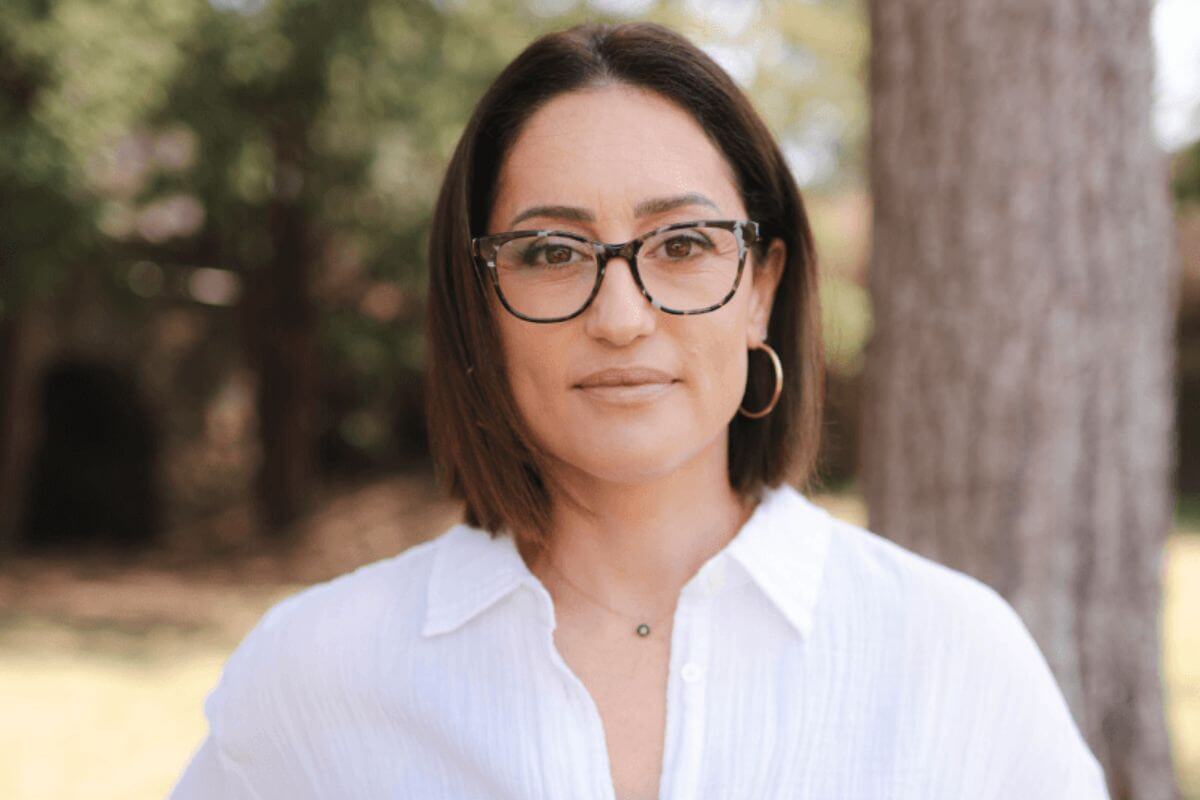
Emma Noyes writes books about love, magic, and mental health for both the young adult and adult genre. Her works have been published in over a dozen languages and include Guy’s Girl, How to Hide in Plain Sight, The Sunken City series, and The Soul of Shadow series. She was named a 2025 Forbes 30 Under 30. She now lives in Chicago with her Swedish husband and their accident-prone Pomeranian.
You recently shared the evolution of your career. Your publishing journey has gone from querying trenches, to self-publishing, to traditional and now a return to self-publishing. Looking back, how has your definition of “making it” as an author changed along the way?
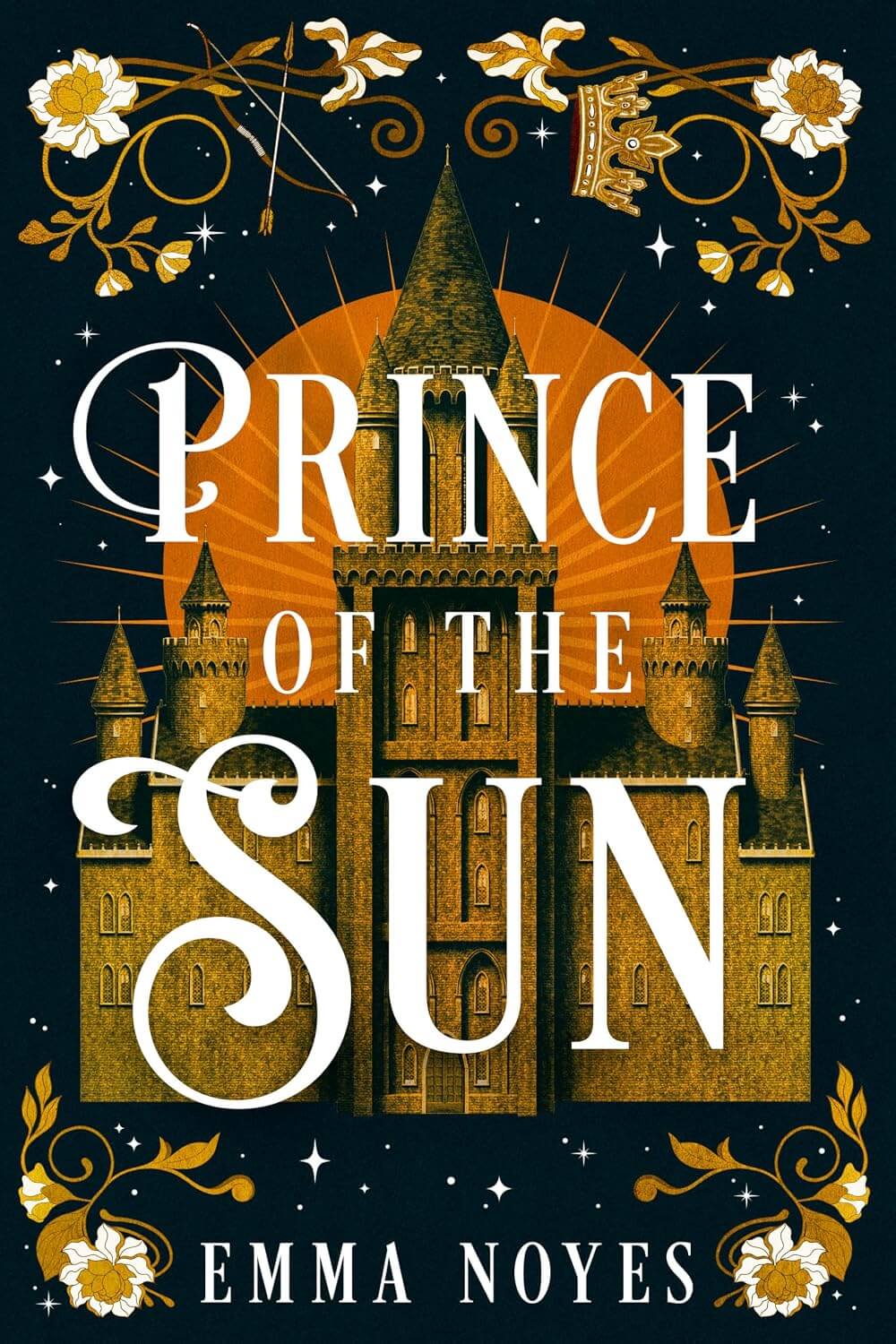
To give a quick summary of my path: I started querying a contemporary novel in 2020 that died on submission; in 2022, I self-published a YA fantasy series, The Sunken City; by the end of that year, I had a new agent and a 2-book deal; in 2023, I received a second book deal for a YA fantasy series (and cried, because I couldn’t believe this was my life and I figured—this is it! My career has been made!). Now, in 2026… I am back to self-publishing again. I just self-published my eighth book, Prince of the Sun, because none of the five books I sold to traditional publishers sold enough copies to make anyone want to sign me for Prince.
Throughout all of this, it feels like my definition of “making it” has changed with every milestone that I’ve hit (or failed to hit). When I was 24 and just starting to query my first book, I could barely imagine landing a literary agent, let alone a book deal. Back then, I would have said that I’d “made it” if I managed to publish even one book. But, of course, once I hit that goal, the bar moved higher. I didn’t need to just publish a book; I needed to publish multiple. Then I needed to publish a bestseller (which I still haven’t done). If I do manage to hit that goal one day, I’m sure my bar will just go even higher. I’ll know I’ve made it when I have a movie deal! It’s a never-ending journey. It’s Sisyphus and a boulder shaped like a special edition hardcover with custom sprayed edges. It’s giving me a headache just to type.
Ultimately, this kind of outlook is not only untenable, it’s damaging. It’s a one-way ticket to burnout and chronic anxiety. But the good news is: there’s a much healthier way to do this writing thing, which we’ll get into later in this conversation.
Transparency is often a scary endeavor in publishing, but you chose to share the good and the bad of your experience. Has doing so felt like a relief?
More than I can say. I follow a lot of authors on social media, which means that, some days, opening Instagram feels like an exercise in self-torture. The first thing that pops up is inevitably someone who has just signed a movie deal or hit a bestseller list or announced a seven-figure book deal. It was on one of those days, scrolling my feed and feeling sorry for myself, that I started thinking about writing that Substack post. The actual writing of the post took several more weeks. I kept stopping and re-starting, asking myself if it was too embarrassing to post. But if there’s one thing I’ve learned from writing about my real life on the Internet, it’s that no experience is unique. Everything that I’ve been through, someone else has been through, too, and my most “embarrassing” stories (like what it’s really like to have OCD or an eating disorder) are the ones that resonate most with people. That make them feel seen, understood, and validated.
More and more we’re hearing about publishing journeys that are, if nothing else, unpredictable. Moving between self-publishing and traditional in either direction is becoming more common. What has this experience taught you?
We’ve all heard the phrase “the journey is not linear.” I heard it when I started eating disorder recovery, and while I understood what it meant in theory, I didn’t really understand it until I lived it myself. Until I went three months without purging, only to relapse and find myself right back where I started… sort of. Because I wasn’t really right back where I started, right? I might have slipped back into an old unhealthy habit, but I also had nearly a year’s worth of treatment under my belt. It took me far less time to ask for help, and when I did, I already had great resources in my tool kit to help me get back on track.
It feels similarly with publishing. While going back to self-publishing might feel like returning to square one, it isn’t. Not by a long shot. While I’m technically doing the same thing that I did back in 2022 (publishing a fantasy novel in both physical and ebook form via Amazon and IngramSpark), I’m doing so with almost five years’ worth of experience in publishing under my belt. I’ve built up my social media. I’ve established relationships with bloggers and reviewers. I’ve journeyed into the (admittedly still-sort-of-opaque) world of traditional publishing, peeked under the hood, and realized, “Actually, I could do a lot of this on my own.” I got to bring all of this with me when I returned to self-publishing, and it has felt like a completely different experience this time around.
What do you wish more authors understood about large advances versus “smaller” advances?
SMALL ADVANCES ARE NOT A DEATH KNELL! There are plenty of books with “small” advances that go on to become massive hits. Take my favorite book of the year, The Correspondent by Virginia Evans. It didn’t originally sell for a huge advance, but it has become a sleeper hit, sitting on every bestseller list for months, selling for translation all over the world, and landing a movie deal to boot.
Naturally, the reverse is true, too. Plenty of books that receive big, splashy advances end up selling barely any copies at all. Unfortunately, I have lived this experience out multiple times now. I’ve published five books with traditional US publishers, and not a single one has earned out its advance. It was humiliating to type those words and send them out on my Substack, but as I’ve now learned—not only from other authors but from my editor at one of the publishing houses I work with, who sent me the loveliest note about how difficult publishing is and how proud I should be of myself for what I’ve accomplished—it’s far more common than I originally thought.
There is sort of a constant and endless debate about social media’s impact on sales. What is your perspective on the way the two interact?
Oh, lord. I think about this all the time. On the one hand: has social media ever positively impacted my sales? Absolutely. In 2024, I decided to list my self-published series on TikTok Shop (because I noticed how hard the algorithm was pushing videos with shop links) and it completely exploded. I sold something like 10,000 copies out of my own apartment, and I also saw a huge boost to my KENP on Kindle Unlimited. That was a very crazy, very cool experience. BUT. Did it have a lasting effect on my career? I honestly can’t say. I certainly didn’t sell 10,000 copies of Soul of Shadow when it came out the following year. I’ve barely even sold 1/4th of that number, no matter how hard I push it on TikTok and Instagram.
There’s a myth that I tell myself, and I have a feeling it’s one that other authors will relate to. I started my TikTok in 2021, thinking, “I’ll just do this until I get to a point in my career where I’m established enough that I don’t need to do it anymore.” But does that point really exist? When I look at my friends who are more successful than I am, who sell millions of copies of their books and have film/tv deals, they’re still making content. They’re still putting hours of precious time into it, because the truth is: social media is a beast that must be fed over and over and over again. It is never satisfied. So, if I only see a marginal boost in sales based on years of work—or one very large boost every couple of years, which then doesn’t last—is it really worth it? I don’t know.
I think what’s most important about your story is the loyalty you have to the craft and the art of storytelling itself. What advice would you give authors facing a similar crossroads?
I love to write. Writing has been the through-line of my life, from silly little stick figure stories I wrote at six years old to the journals I kept to stay sane in the worst periods of my mental health to the bound, completed works I put out now. It is how I arrange my thoughts, how I make sense of the world. I cannot imagine a version of myself that doesn’t feel compelled to put words down onto paper.
Which doesn’t mean that I’ve always written for that reason and for that reason alone. Once you start achieving those milestones that I talked about in my answer to your first question, it’s hard not to get caught up in it all. To stress over sales numbers and video views and whatever other artificial ways there are to compare yourself to others. The reason opening Instagram can feel like an exercise in self-torture is because I, too, suffer from the ailment of Comparison. But the thing I always come back to, and the piece of advice I would offer to other authors facing similar issues, is this:
Our job as writers is not to sell a certain amount of books or to get a movie deal. In fact, in a perfect world (which ours is decidedly not), that would be none of our business. Why? Because our job, as writers, is to write a good story. That’s it. Period, end of sentence. When I lose sight of that—when I set goals for myself that are anything other than “write a good story”—my work suffers. I find myself trying to write something “marketable” rather than something I love. And there’s no better way to write a bad book than to try and write something marketable.
You’ve described looking at self-publishing at one point as defeat. But your view has changed. What does self-publishing offer that you’re looking forward to returning to?
I decided to self-publish Prince of the Sun in March, and it officially came out on August 4th. Already, I’ve felt the benefits of not being tied to a publishing house’s schedule or requirements. The first, most obvious benefit is that of control and oversight. When I was going through the publication process for my first traditionally published book, Guy’s Girl, I was shocked by how little I actually knew about what was going on. I heard from my editor regularly as we went through the editing process, I had one Zoom meeting with my PR team, and I got periodic updates from them as reviews and media requests came in. That was it. When it came to design, I was also disappointed. They presented me with a few cover options. I wanted the purple, painted look (which many of my foreign publishers ended up choosing), but the sales team chose a pink floral cover. It didn’t feel right to me at all. I fought hard for the cover I wanted, but at the end of the day, it wasn’t my decision. The book didn’t sell well at all, and I saw several reviews that said they found the cover to be misleading.
With self-publishing, though, you have complete control over these decisions. I got to hand-choose the cover artist, tell them exactly what I wanted, and do the same with the interior. If I wanted to add a map to the beginning of my book (which I did), I could choose to set aside budget for that. It was up to me, not my publisher.
The flip side of this, of course, is that all of these things—cover artists, map illustrators, interior designers—require money. It can be quite a large up-front investment, depending on how fancy you get with effects. The hope, of course, is that you earn all of that back via book sales, but a high up-front cost isn’t feasible for everyone. I certainly wouldn’t have been able to swing it back in 2022, when I was self-publishing for the first time.
How do you look at your career in terms of longevity, versus individual events and circumstances?
These days, when I think about longevity, I think more about my relationship to the craft of writing than anything else. I want to be writing books my whole life. In order to do that, I need to have a healthy relationship with writing itself, which isn’t always easy. In 2024, I was on deadline for book three of the Soul of Shadow trilogy while also planning my wedding. At the end of that year, I burned out spectacularly—anxiety, chronic migraines, panic attacks every time I sat down at the computer. It only got worse as more of my traditional books came out and none of them hit any bestseller lists or came anywhere near earning out on their advances. For all of 2025 and most of 2026, any time I tried to start a new project, my expectations were far too high. This has to be the one that does it, I told myself. This has to be the one that blows up, or my career will be over.
With that mentality, I couldn’t write anything. I would start a project, get 5,000 words in, decide I hated it, and put it aside. Then I would do that all over again. And again. And again. The migraines got worse. The panic attacks did, too. It’s only now, after quite a bit of therapy and soul-searching, that I see what should have been obvious from the beginning: I was putting too much pressure on myself. Anyone who starts out trying to write a bestseller is going to fail. I needed to give myself space to write a bad book, or at least a bad first draft.
That’s what I’m doing now. As we speak, I have a piece of paper pinned to my bulletin board that says: “I am writing a bad book on purpose.” It’s a little bit of ERP, courtesy of my therapist. And you know what? Since I put that sign up, I’ve done more writing than I have in the previous two years combined.
Five years from now, what would success look like for you?
If you had asked me this question six months ago, I probably would have said, “Success looks like finally hitting the New York Times bestseller list and closing several more book deals.”
Now, my answer couldn’t be more different. Would I like both of those things to happen within the next five years? Of course! But life is long, and as I mentioned earlier, what I care about more than anything else is maintaining my ability to write. In five years, I will feel like a success if I am writing consistently without driving myself crazy—no more panic attacks, no more migraines, just healthy, reasonable goals that let me do the thing that I love. If that means I need to get a day job to make money because my book income isn’t cutting it, then so be it. I would rather be advance-less and healthy than drowning in book deals and completely miserable.
What are you working on now?
I have a few different projects on my hard-drive right now, but there’s one in particular that I’m excited about. It’s a YA fantasy. I don’t want to share too many details because I don’t entirely know what it is yet (I’m a pantser, not a plotter!) and I have no idea if it’s something I’ll be able to sell to a publisher one day, but I’m having a blast playing around in a brand-new universe.

Leave A Comment