
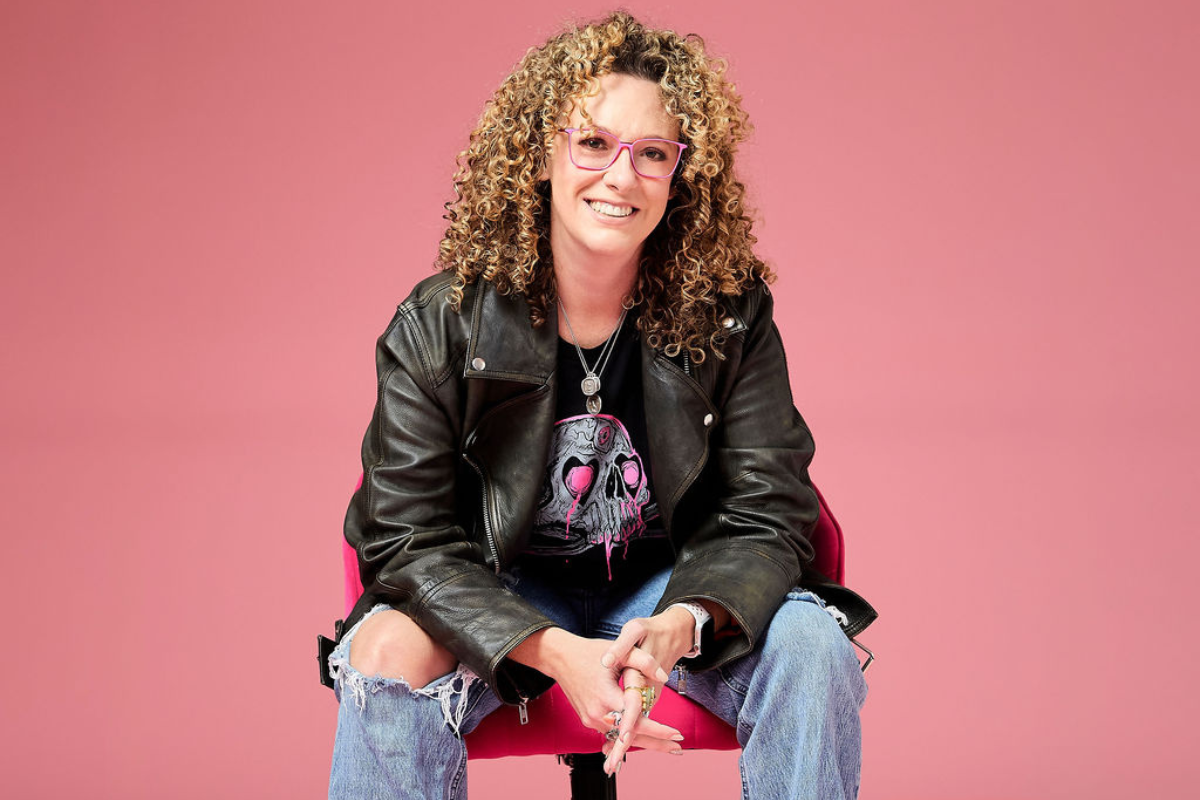
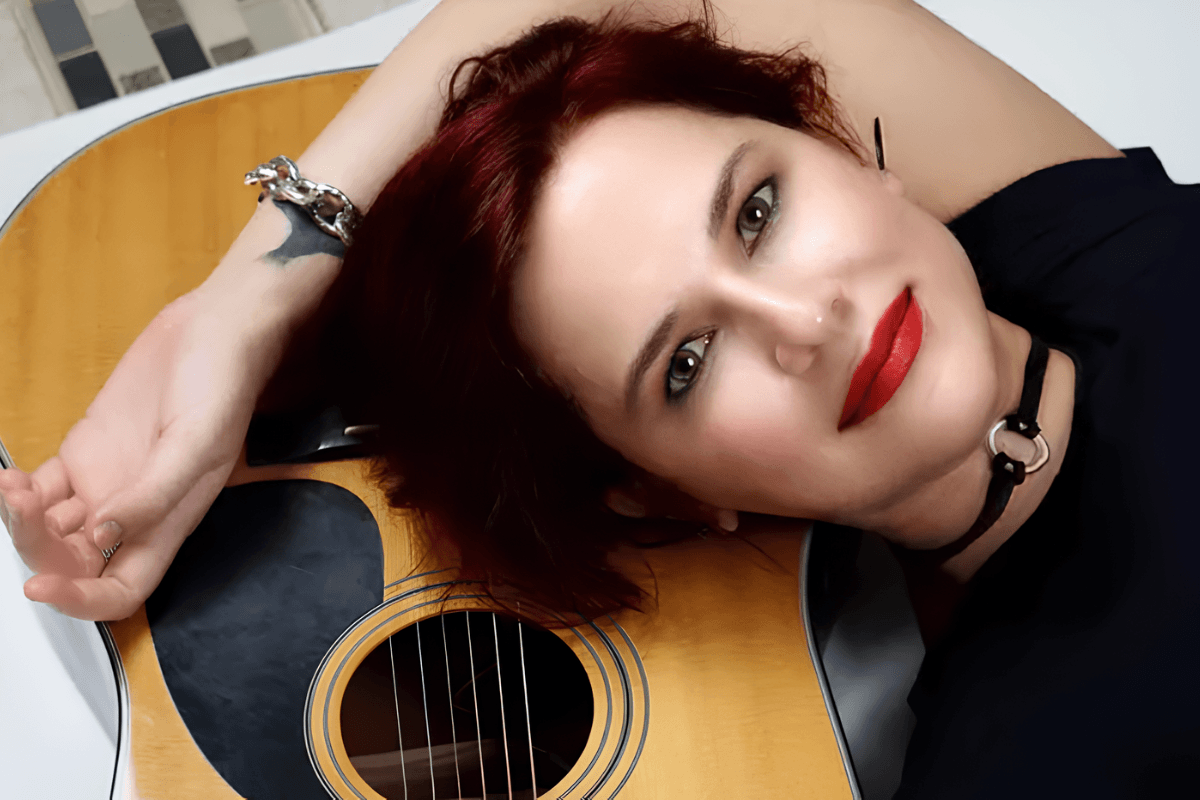
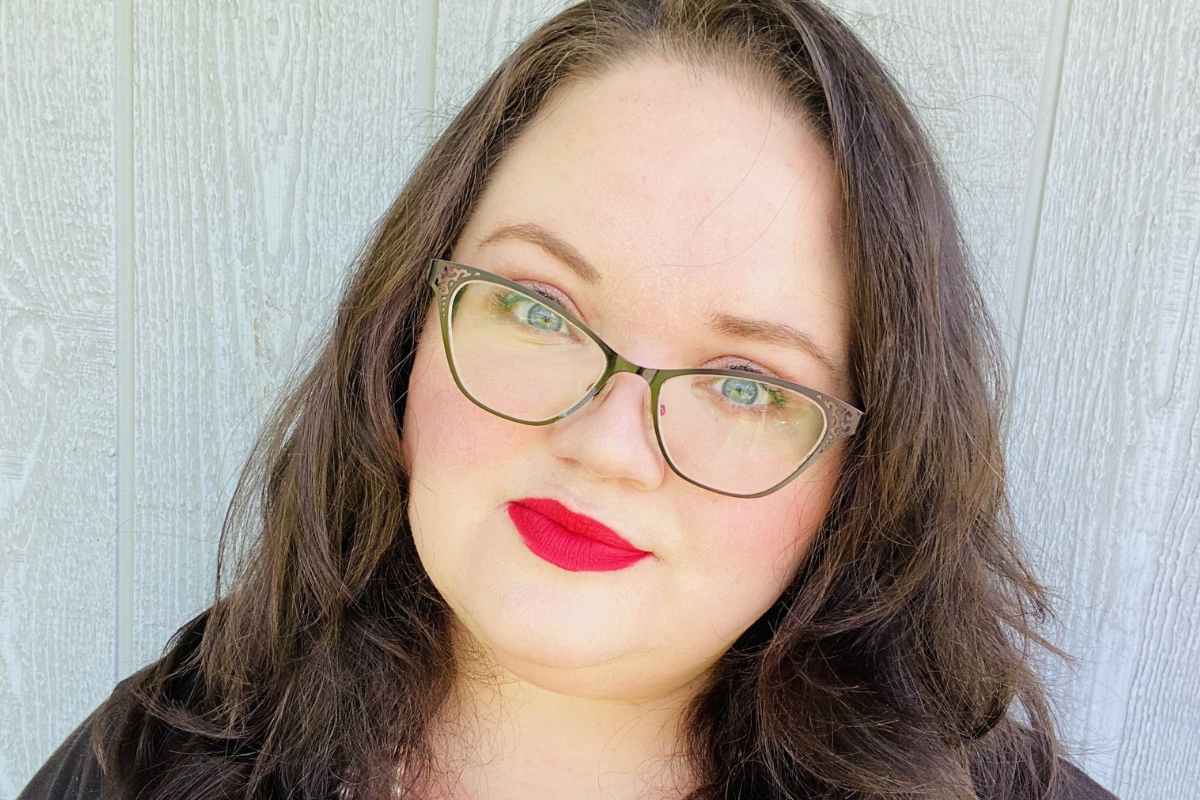
Tanya Pell is a professional dream chaser. After spending a decade as a high school teacher, she left the classroom to write and edit academic pieces on everything from fairy tales to video games. At some point, she joined the circus and spent some time as an aerial arts instructor. Now, she writes stories filled with trauma, hope, and puns. And maybe magic and monsters… Tanya lives just across the South Carolina border from the city of Charlotte where you can catch her performing aerial or emceeing from time to time. A clinically tired narcoleptic, Tanya drinks bougie coffee, loves video games, and her favorite punctuation is the interrobang. When she isn’t writing, collecting odd bones, or hanging from her lyra or contortion loops, she is focused on her family.
Horror has always been interested in what society would rather keep hidden. Beneath the masks and in the walls of haunted houses lies a far deeper fascination with what we all truly fear: vulnerability. For women, vulnerability means accompanying anxieties around aging, changing bodies, beauty standards, motherhood, sexuality, the constant pressure to remain desirable, to remain thin, to remain good, to smile, to perform, to be better, and to be perfect. And while society handles these anxieties as something you ignore or treat with better drugs or a better attitude or more protein or more exercise or less carbs or less stress, horror offers a slightly more holistic approach.
Horror names them as the monsters they are and allows them to be beaten.
Instead of simply asking whether a woman is afraid of growing older or failing to meet the ideal beauty standards, horror turns those anxieties into literal monsters, ghosts of the past, and grotesque transformations. By making internal fears visible, horror allows audiences to examine where those fears come from and whether they deserve to have so much power.
Maiden, Mother, Crone
The horror genre has long offered women a space to confront fears often too difficult to discuss directly; aging being one of the most controversial. Where men are—traditionally—allowed to age like wine, women are allowed to age like bread. (This is not to say men/nonbinary persons do not deal with ageism, but there are enough studies to show that women are disproportionately judged, take drastic measures to conceal their age, and are targeted more for anti-aging procedures/drugs.)
One of the single best examples of horror showcasing a woman’s fear of aging is The Substance about an aging celebrity who goes to terrible lengths to secure her youth. The infamous mirror scene which sees Demi Moore’s character, Elizabeth Sparkle, preparing for a date took a staggering forty-five takes. Shot after shot of Elizabeth checking her reflection, finding the flaws as she applies and reapplies makeup, tears at her hair and lashes, and scrubs at her face till she looks on the outside like she feels on the inside. These shots interposed with closeups of an analog clock force us to watch the seconds tick by amidst her growing panic at her inability to control the passage of time.
Audiences were horrified.
Women empathized.
Because we celebrate youth—particularly in women—while treating aging like something shameful. Women are encouraged to hide wrinkles, gray hair, sagging skin, and other visible signs of time. Yet, horror exposes the cruelty of this expectation by making the fear of aging
literal, not because aging itself is inherently frightening, but because of the social consequences attached to it. Like Elizabeth Sparkle, the horror comes from the possibility of becoming invisible, undesirable, disposable, or irrelevant. In this sense, the monster is not the act of aging, but rather a culture that teaches women to fear it.
Bodies, Bodies, Bodies
Horror refuses to make fears comfortable. A film or novel about aging might present folds, body changes, or physical deterioration and urge us into visceral reactions. Such imagery can initially seem to reinforce society’s fear of women’s bodies, but it also calls into question why natural progressions are considered grotesque in the first place. By exaggerating society’s unease and forcing us to sit with that same discomfort, horror reveals the assumptions underlying it.
Body image is another area where the horror becomes especially effective at peeling back the layers. Women are constantly surrounded by images of ideal bodies, making us feel like our own is something that must be controlled because it is always judged. Horror pushes this anxiety to an extreme. The body becomes invaded, transformed, mutilated, or uncontrollable. It is poked, prodded, augmented, deformed, and finally unrecognizable.
Body horror becomes literal.
This loss of bodily control is frightening partly because girls are taught from an early age to experience their bodies as objects for public evaluation. Horror challenges that perspective by turning the body into something impossible to ignore. Bodies become something that refuses to obey or remain filtered perfection. It sweats, bleeds, oozes, gets sick, or transforms. Caitlin Starling’s novel The Graceview Patient follows a woman with a chronic illness as she loses, not just control over her body to her disease, but her autonomy and ultimately her mind. Such representations can be disturbing, but might also be liberating for women who often feel unseen, unheard, or medically gaslit.
This liberation gives women permission to acknowledge experiences that society often attempts to erase or undermine. Instead of presenting the female body as perfectly controlled and aesthetically pleasing, the genre emphasizes its reality and flaws. In doing so, it challenges the idea that women must make their bodies perfect and thus be perfect before they are worthy of love or respect.
Trad Wife-core
Horror also confronts societal expectations surrounding femininity. Women are often expected to perform multiple roles simultaneously: daughter, partner, mother, temptress, and boss babe. The mental load of carrying that many personalities is a nightmare. Horror dramatizes this pressure by placing female characters in situations where the identities imposed upon them become actual nightmares.
A rather toxic example is motherhood through the trad wife lens. Motherhood is romanticized through the trend while minimizing the exhaustion, resentment, isolation, and loss of identity typically left out of the job description. Horror spotlights these hidden terms and conditions. A mother who feels trapped, overwhelmed, or ambivalent is not necessarily evil; she might be a person struggling under expectations that demand self-sacrifice every day like the mother in Rachel Yoder’s Nightbitch. Which is yet another reason horror is a valuable form of feminist storytelling: It does not require women to be perfectly sympathetic.
Female characters are permitted to be flawed. They are hurt, vain, jealous, ambitious, sexually curious, frightened, or—gasp—bitchy! Horror makes room for emotions that women are frequently discouraged from expressing after being conditioned to remain pleasant, perky, and perfect.
Sisterhood of the Traveling Panic
At its most effective, horror creates a distinction between fear—or perception—and truth. Monsters help audiences recognize this difference. When an internal anxiety becomes an external creature or transformation, viewers can examine from distance that offers clarity and safety.
This does not mean that every horror story involving women is automatically empowering. (Can you imagine?) Horror can just as easily reproduce the social prejudices it critiques. Images of old women as witches can reinforce stereotypes and stories centered on physical suffering can become exploitative when trauma is only for shock value.
But ultimately, horror’s power comes from its inclination to look directly at what people are taught to avoid. For women, that can mean confronting the realities of aging, change, imperfection, and our social biases. The genre does not banish the fears. It just gives them shape.
And that shape—that little difference?—is significant. When a woman sees her private anxieties represented on screen, she may recognize they aren’t personal failures. In a way, horror takes a woman’s fears deeper into the darkness to make them easier to face in the light.
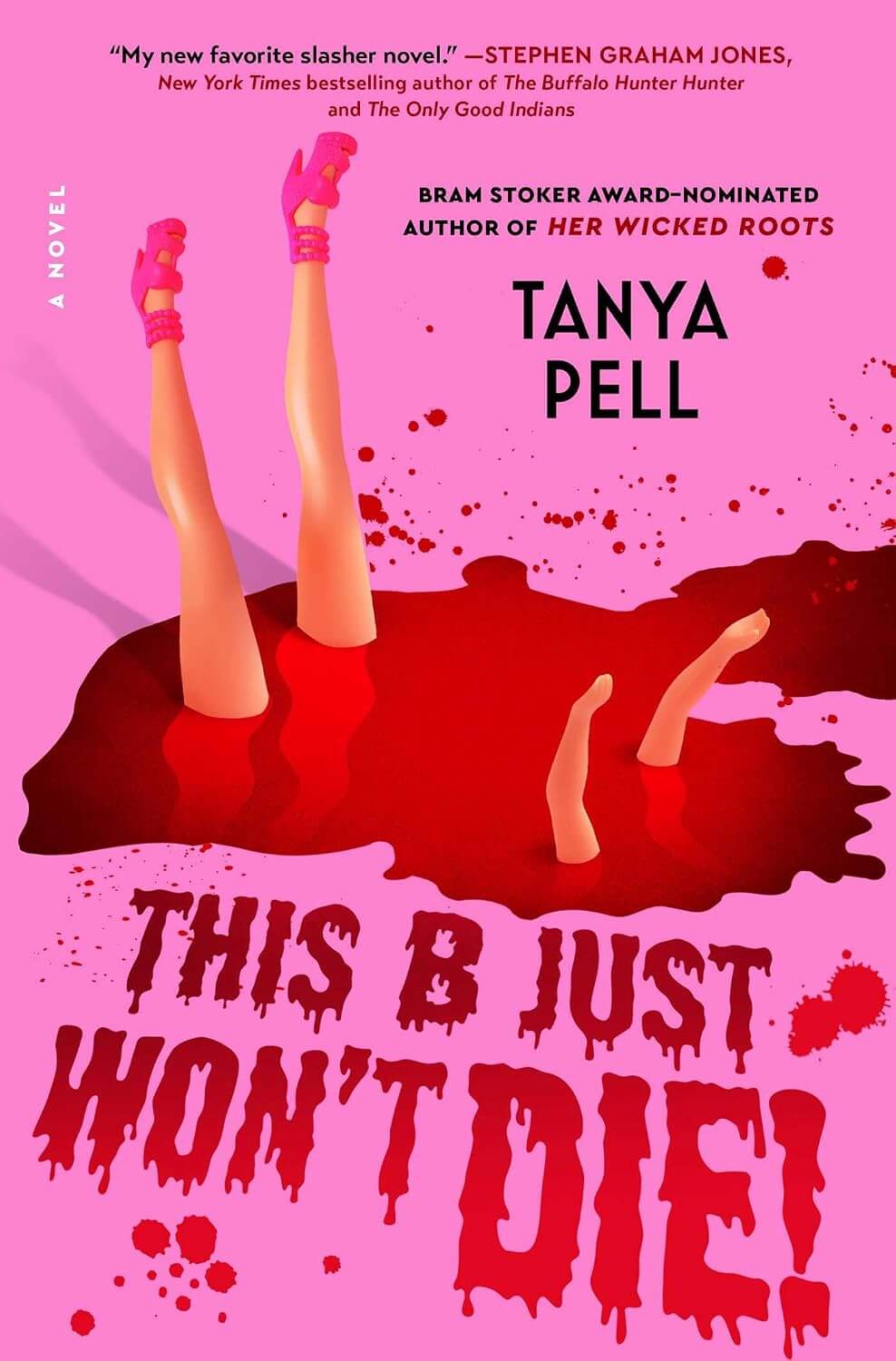
This B Just Won’t Die! by Tanya Pell
Barbra Jacobs, a former scream queen, has a desperate longing to escape the tight box Hollywood has packed her into. Sometime twenty years ago, she was cast as the leading star in the Mirror horror franchise films. Not only did this role shape her career, it also ruined her chances of being taken seriously as an actress. Now forty years old, she continues to seek the approval of her peers and makes money only by signing old photos of herself and doing horror convention meet-and-greets. When a producer of The Monsters We Made, a new horror docuseries, calls and asks if she would like to host, Barbra believes she’s now on the right track. However, when fans start dying in a similar way to the kills in her films, she is pulled back into the role she can’t seem to break free from: The Final Girl.
Buy the book now: Bookshop.org | Amazon


Leave A Comment