
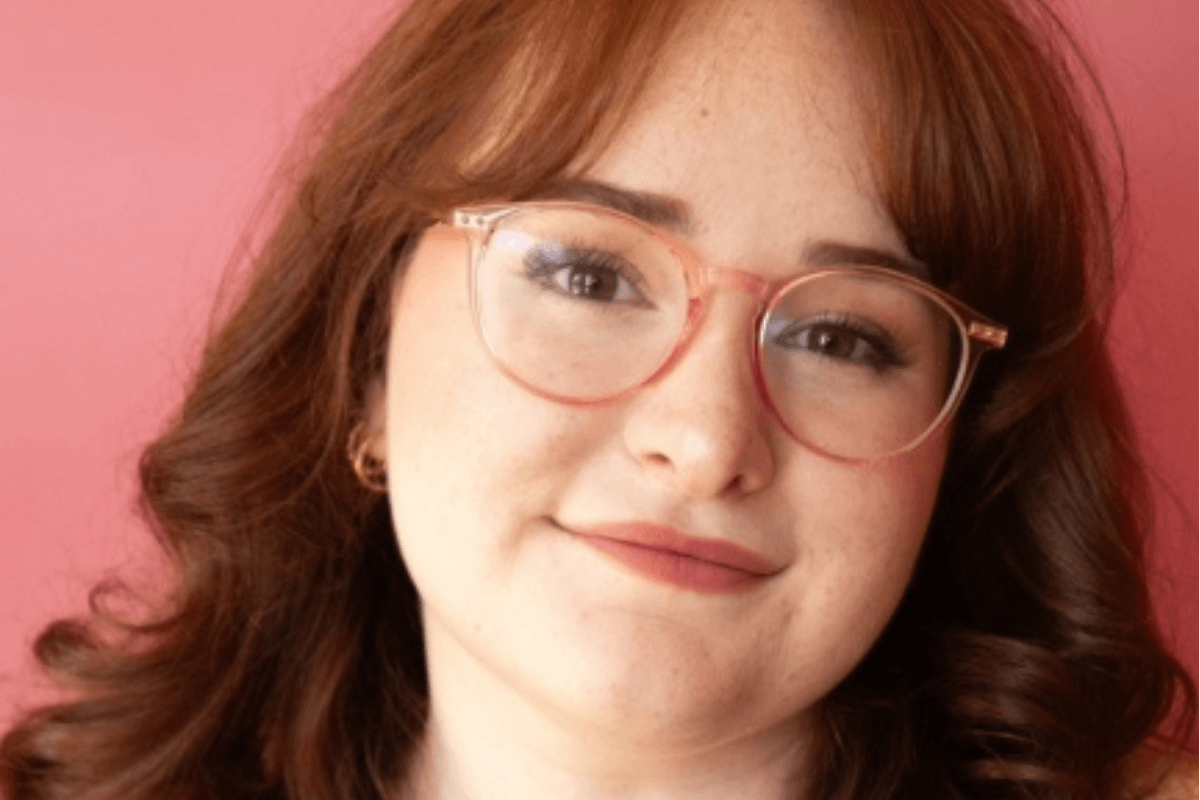
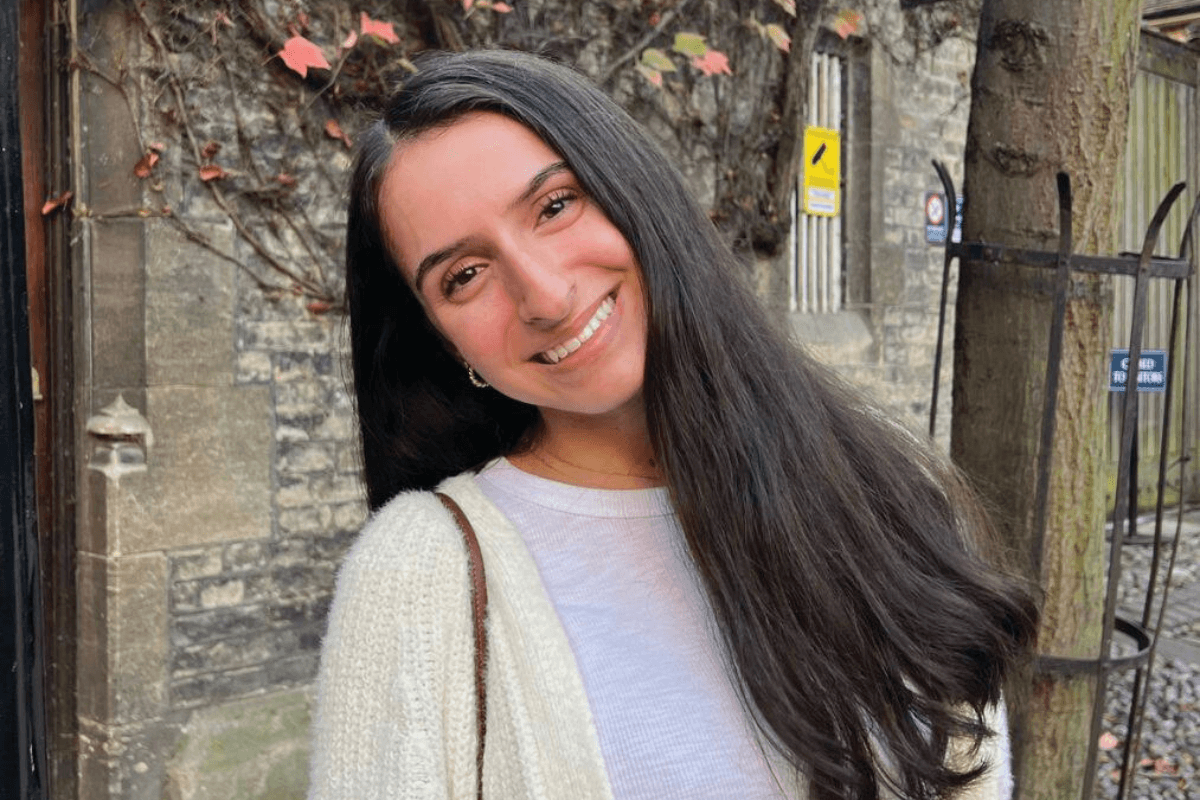
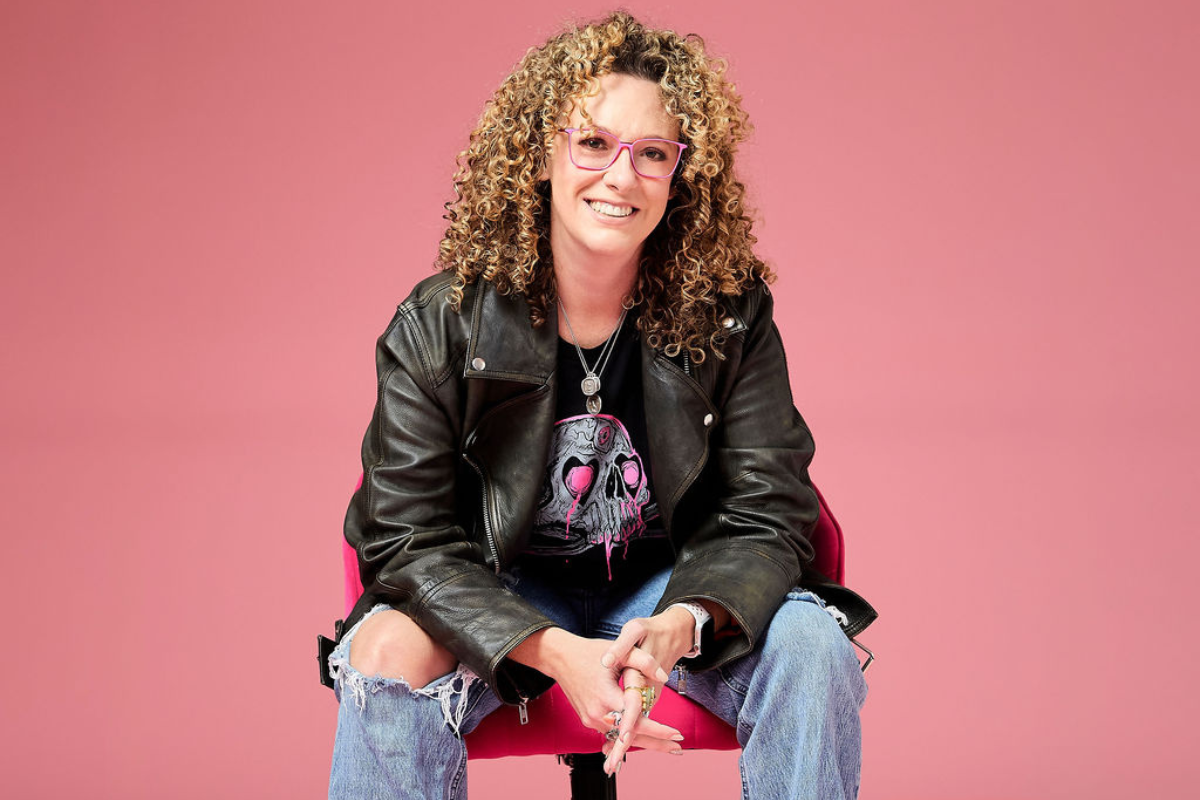
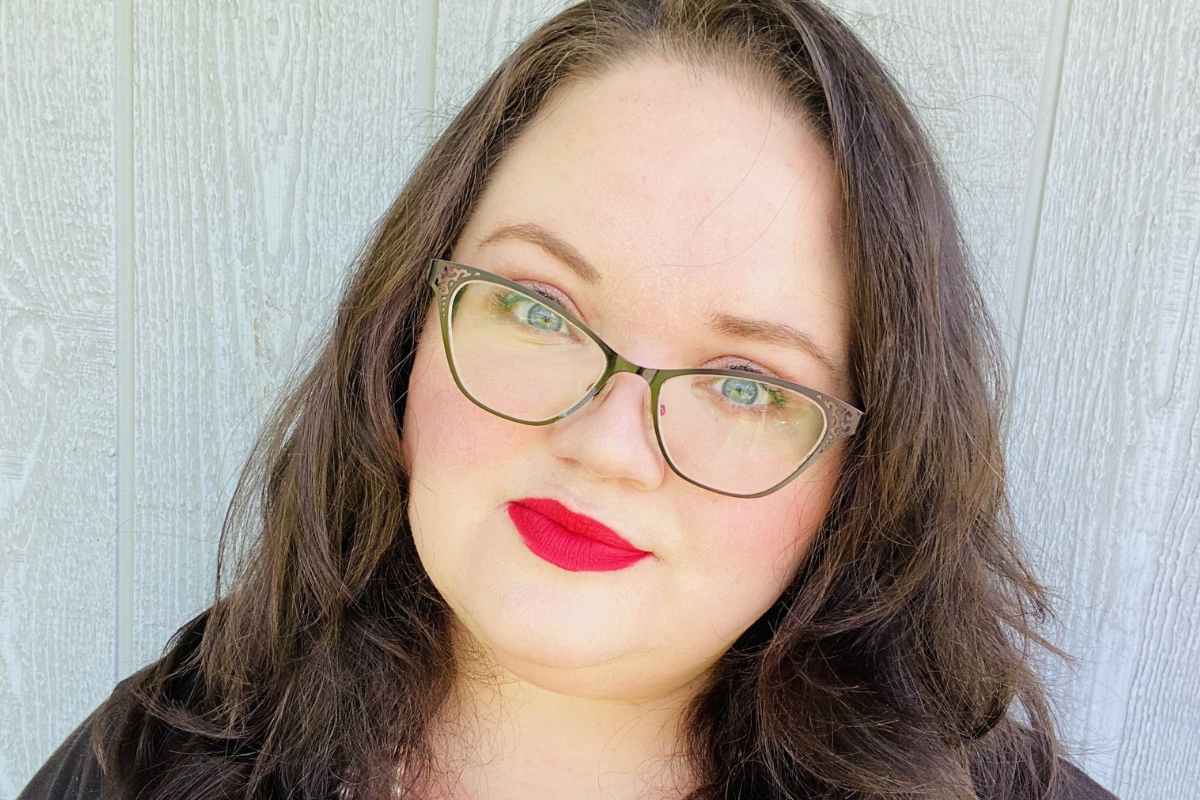
Julia Bianco lives in Los Angeles with her fiancé and their cats, S’more and Rigatoni. She works in the entertainment industry and enjoys baking, reality television, and playing with her cats’ ears. Witch Season is her debut novel.
Tell us about Witch Season. What inspired this story?
Witch Season was me writing the book I wanted to see in the world! I felt like I kept looking for a book that I couldn’t find. I knew all the elements I wanted– a real world, contemporary fantasy with a strong romance subplot (ideally enemies to lovers, because obviously), the distinct voice I loved in shows like Buffy the Vampire Slayer and Veronica Mars, and, perhaps most importantly, a magic system where power didn’t come free– where every spell demanded a bloody cost. But no matter how hard I searched, I couldn’t find the book I was looking for. So I finally decided that if I wanted to read it, I had to be the one to write it!
Your novel has been picked up by Lionsgate (congratulations!!). What has that process been like as a debut author?
Surreal! As a debut author, so many dreams are coming true at once. Just seeing my words make it into the hands of readers is mindblowing in and of itself, and now getting to work on taking my story to the screen? It’s incomprehensible, honestly. We’re still very early days, so I can’t share a lot of specifics, but I’m so excited to dive into the adaptation, and especially to work with the fantastic teams at Made Up Stories and Lionsgate TV to bring this world to life.
You’ve had a lot of experience in the writer’s room. What was that time like and what made you decide to write a novel?
My journeys in TV and books were actually very aligned! I wrote my first novel while on summer break from my TV writing grad program. I’d initially planned to write the idea as a television pilot, but I kept picturing the ending, something I wouldn’t get to if I were just writing one script. I decided to try writing a few pages of it as a novel, and I instantly fell in love. As I graduated and started working assistant jobs in the entertainment industry, writing novels became my favorite thing to do in my spare time.
Right around the time that I started working on Witch Season– my third manuscript– I got my first job in a writers room, and that experience was crucial towards making it the book that was good enough to get published. In a writers room, you have to learn how to come up with ideas on the fly, how to pivot quickly, how to take notes. It’s a deeply collaborative environment, sometimes a bit stressful, but always incredibly fun. I’ve been so blessed with the people I’ve gotten to work with in various rooms over the years, and I’ve gotten to learn from so many brilliantly talented writers.
And I took all of those lessons into my drafts of Witch Season. I always think of writing as a muscle, and being in a writers room and writing a novel are some of the best workouts that you can get. Even though it can be hard to balance with work hours, I get my best novel writing done when I’m in a room. For me, the two completely feed each other, and I feel like I’m in tip-top writing shape when I’m doing both at the same time.
Do you feel like you were writing a novel with TV in mind the whole time? Possibly reflexively?
It wasn’t intentional, but there’s definitely TV in my storytelling DNA, and I think that’s apparent in the book! I loved reading as a kid and spent all my time at the library, but as I got older, stuffy required reading at school turned me off of books for a bit, and I looked to TV to fill the gap. This was pre-Netflix, so I was giving my mom’s laptop dozens of viruses while I illegally streamed Angel and The Vampire Diaries and The O.C.— shows that became fundamental to my taste and voice. I of course wound up falling back in love with reading too, but they’re both still there in me, and I think it’s clear in my work.
You’ll also be writing the adaptation. How is writing your own adaptation different than the work you’ve done in the past?
It’s strange, but fun! I’ve worked on adaptations for TV before, and you come in with a great appreciation for the book but know that you have to take it apart and put it back together in a new medium. Now I have to look at my own work and do the same thing. There’s always a feeling with an adaptation that you don’t want to let the author down, and I still feel that now, even though the author is me! I’ve been living with these characters and this story for so long, and love this world so much– I want to do them justice.
What do you wish novelists knew about TV writing?
I think this is for both novelists and readers, but I wish they knew that no decision is made lightly. A TV show is a very different medium than a book, and while it’s easy to look at a book and wish it could go on screen exactly as it is, it often wouldn’t translate. I think people see changes in an adaptation and think that they were just change made for changes’ sake, but there were actually probably hours, if not days, of debate in the room about that change. There was deep consideration and a myriad of factors behind the decision. You don’t commit to writing a show if you don’t love the source material, and loving the source material means wanting it to succeed in the new medium you’re translating it into– even if that means changing it.
What do you wish television writers knew about novel writing?
That it’s fun! I think some TV writers are intimidated by novels, but they’re such a joy to write. Plus, you don’t have to think about the budget when you’re writing a novel!
This novel is also part of a duology. How is writing the show impacting the second book in the series?
To me, the show and the books are already two separate tracks. They’re running parallel, and while they’ll definitely intersect at points, they’re their own entities. The show will have its own demands, as will the books. That being said, I’m very excited for how much the sequel expands the world, and I think that’ll bring some really fun possibilities into the show as well!
What advice would you give authors who hope to one day adapt their own work?
I think that you need to find the balance between being open to change and having a strong point of view. The adaptation is its own work, and things are going to shift, but this is also your world, and the reason you want to adapt it is because you know it best. Stay true to the core of your story, but also be flexible where you have to.
What has been the most unexpected part of your publishing journey so far?
The fact that it’s happening! Truly, every time a stranger tags me in an Instagram post or shares my book in one of their anticipated lists, I’m in shock. I can’t believe my book is a thing that people are hearing about and reading. I can’t believe it’s going to exist and be in stores. I can’t believe I get to do this as a career. I hope I get to do it forever.
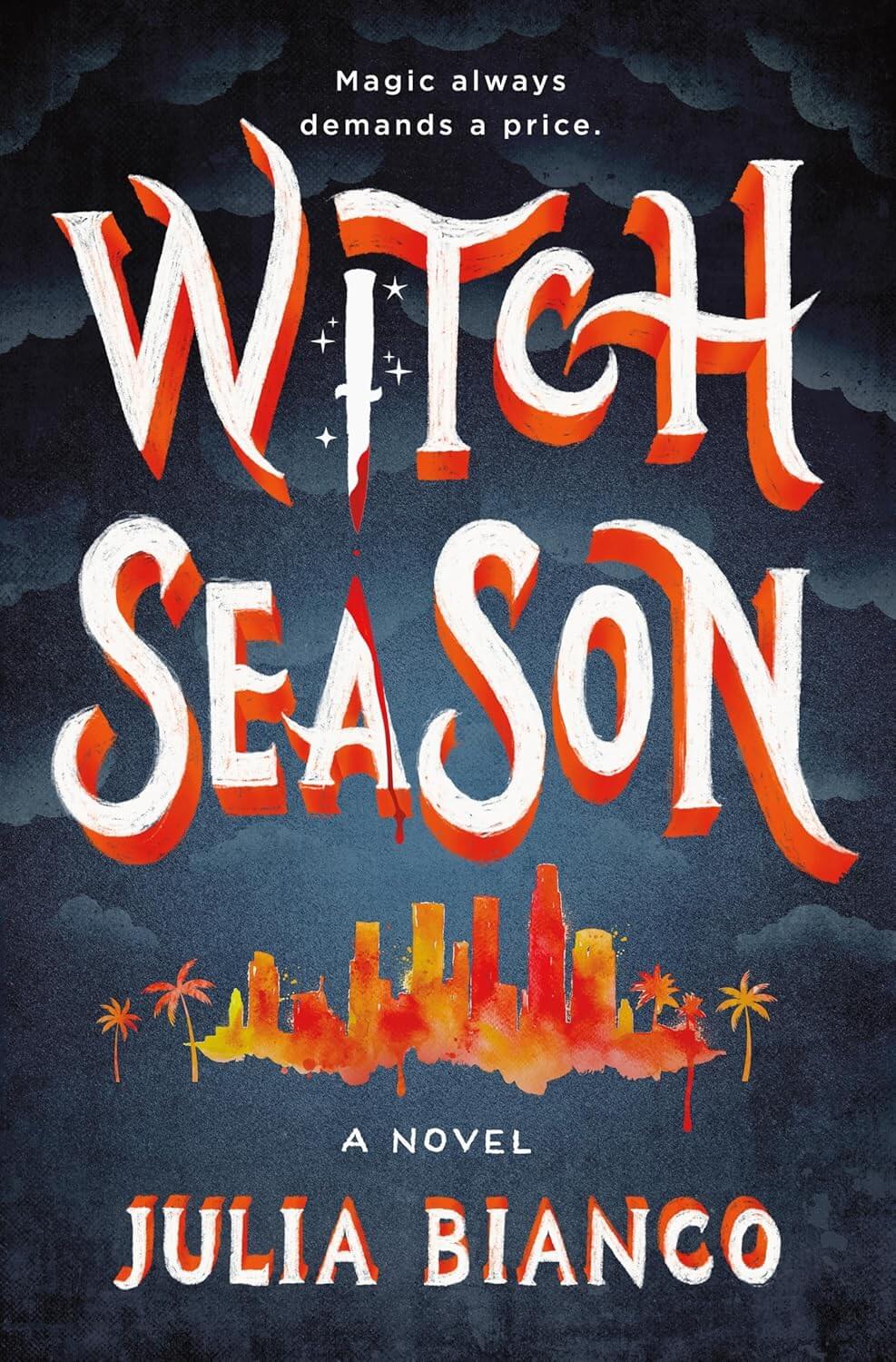
Witch Season by Julia Bianco
Katherine Barnes was an unsettled witch before Sylvia Page and the Aestas coven saved her life. Now she is an enforcer for Aestas which gives her the opportunity to help other unsettled witches – people who aren’t aware they have magical powers until it’s too late. When Silas Khatri, heir to the Noctis coven, arrives in Los Angeles to hire Aestas for some unconventional tasks, Katherine’s disdain for him grows exponentially. The two must set aside their differences and work together because a powerful threat against all covens is coming.
Buy the book now: Bookshop.org | Amazon

Leave A Comment