
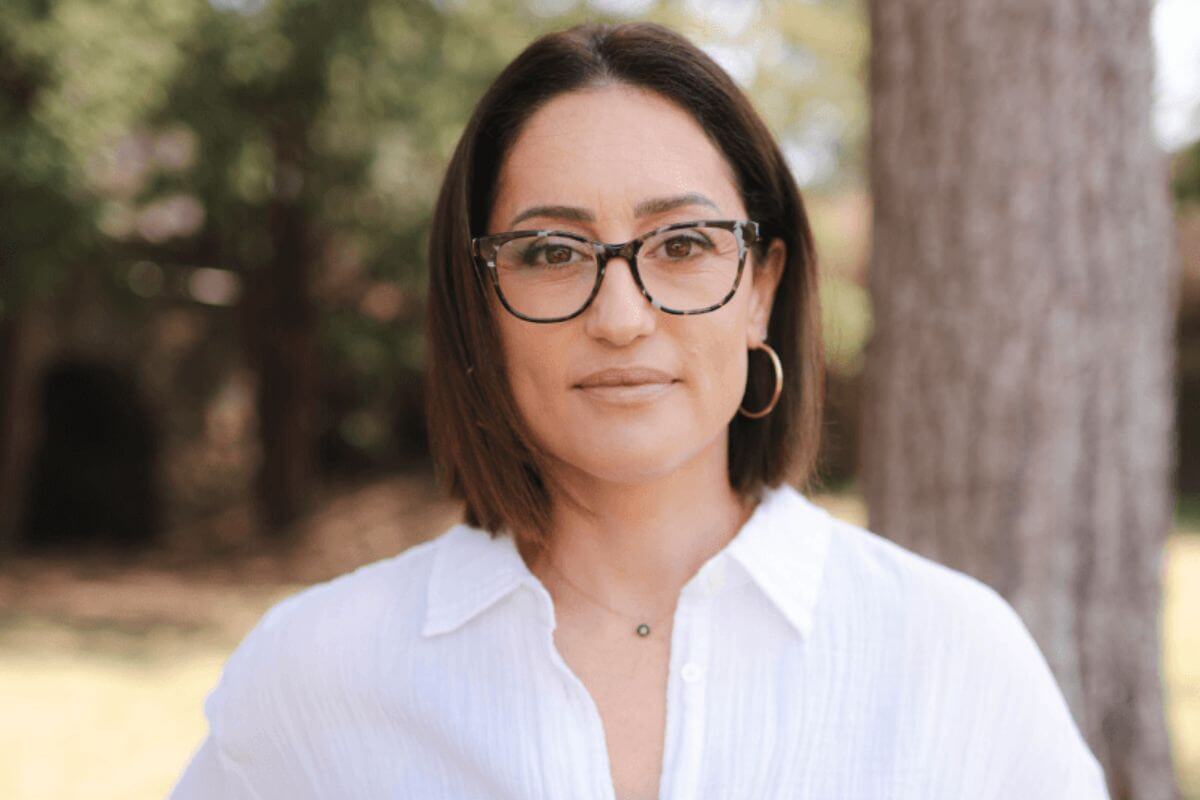
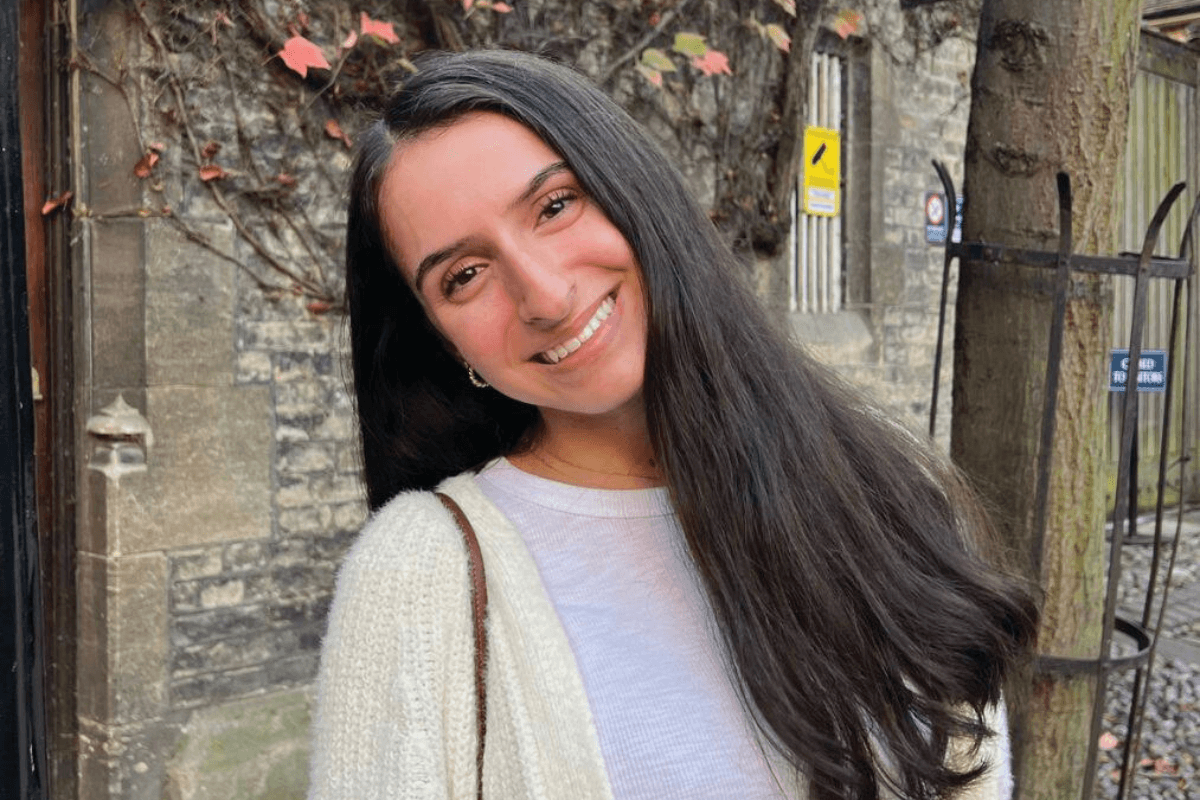
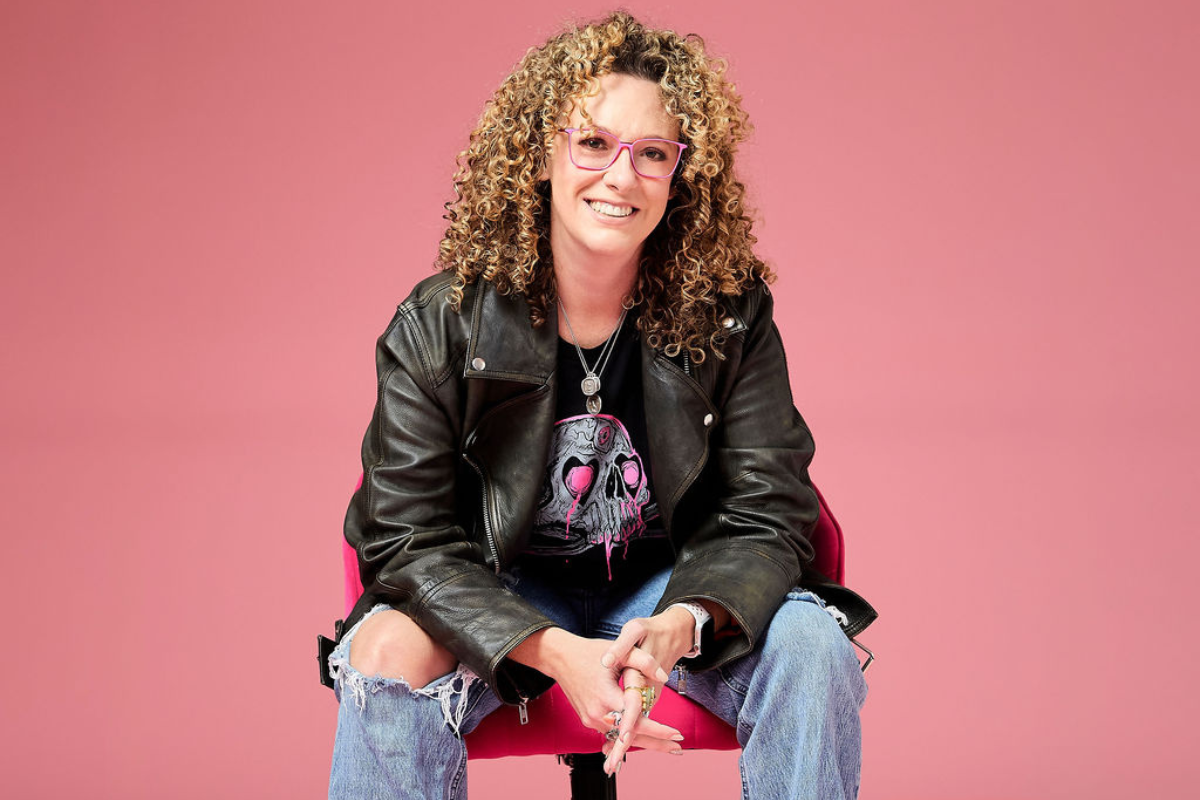
Abby Salois is a novelist and essayist. She’s an alum of GrubStreet Center for Creative Writing and Pioneer Valley Writers Workshop. Her essays have appeared in Cognoscenti, the ideas and opinion section of Boston’s NPR station and in the blog for national mental health nonprofit To Write Love on Her Arms (“TWLOHA”), among others. Abby is a practicing attorney, and she lives in Massachusetts with her family. She’s represented by Mark Gottlieb, Trident Media Group.
Anybody who’s experienced the magic of summer camp understands the way uniquely intense friendships are born there. I met Carly Schwartz a lifetime ago when we were sixteen and working at a sleepaway camp in the foothills of the Berkshires and ours was one of those friendships.
We bopped around camp wearing cotton jersey shorts with folded over waistbands, listening to Dave Matthews and the Indigo Girls. We were wildly boy crazy and more consumed with our crushes than the kids in our care. We were the epitome of silly, carefree girls, who worried about getting caught skinny dipping in the lake at night, or failing the drug test at the start of the summer. Was 30 days weed-free really long enough? Nobody was ever sure. We worried if my little mid-nineties Saab would get stuck on the trail on our way to those all-important staff parties in the woods. We both had pretty privileged upbringings and all those years ago at camp, we couldn’t imagine the magnitude of the real worries that were coming for us both.
After the last campfire in August of 2003, Carly and I packed up our cars and moved away to colleges in different parts of the country. We stayed in touch for a while, but eventually lost track of one another, each of us chasing ambition and building our professional, adult lives.
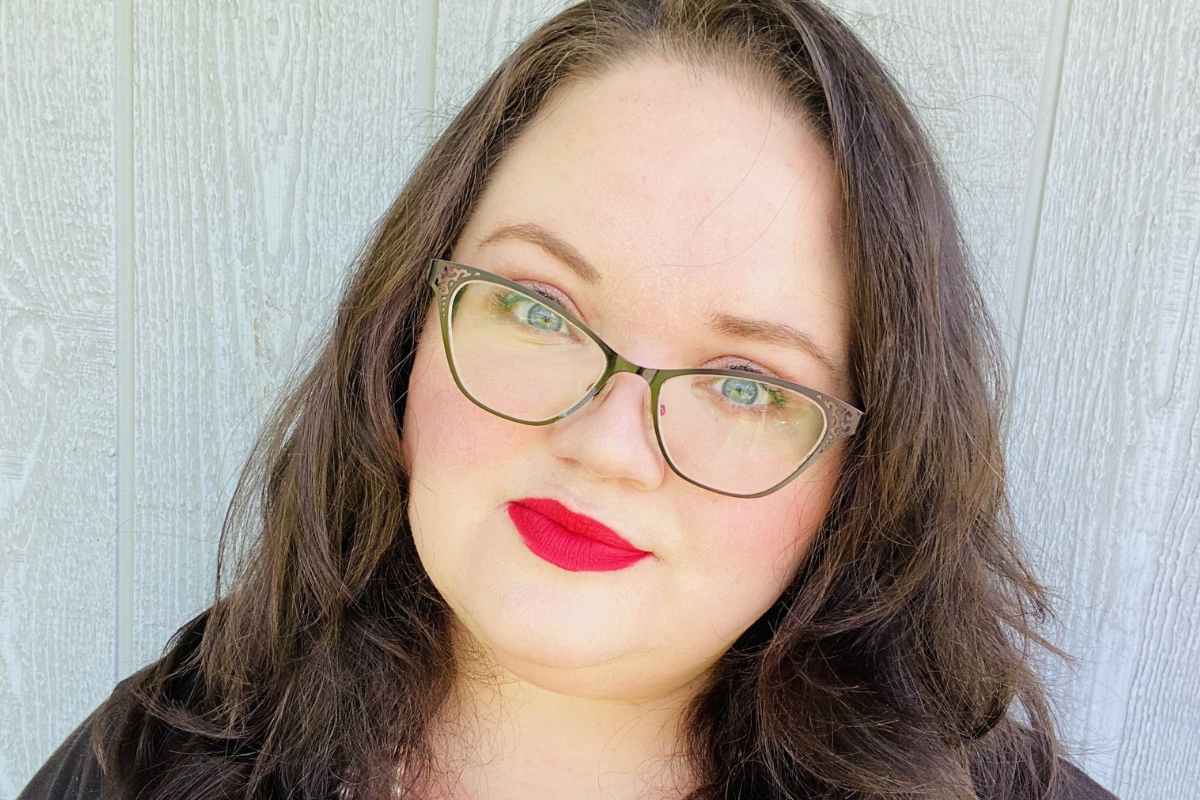
Sometimes I’d see Carly’s face smiling up at me from my social media feed. She had big, impressive jobs at places like The San Francisco Examiner and HuffPost, but her success never surprised me. I’d always thought of her as sort of unstoppable. I’d see her and think, look at her, she’s so untied down. No spouse, no children. I envied her world travel and her ability to pull off vibrant red lipstick with gusto. That’s never been me. I’ve never lived more than four hours away from the town where I grew up, I’ve never been to Burning Man, and I look weird in anything brighter than chapstick.
What I didn’t see, of course, was Carly’s struggle with a co-occurring serious mental illness and a substance use disorder, a struggle so relentless that no measure of external validation or professional success would matter. This is the subject of her new memoir, I’ll Try Anything Twice, Misadventures of a Self-Medicated Life.
In her book, Carly writes about achievement and about being “in a pipeline of sorts, exiting one era only when it was explicitly time to enter a new one: education, more education, job, another job.” This I understood. I’ve always been someone who’s done what’s expected of her: college, then law school, then the career, the husband, the house, the son, the daughter, the dog. Check, check, check, I nailed every expectation without looking up. Everything was going according to plan, and by plan, I mean the one that’s served up to women like me and called success.
I’d never really questioned this trajectory I was on until my older sister, Liza, died by suicide. Her death stopped me cold, slamming on the brakes and forcing me to step back and examine my life. That plan? That trajectory towards objective success? It suddenly seemed pointless. Shortly after Liza died, I dusted off my lifelong love of writing because ever since I was a child, writing has been the way I’ve made sense of things. I wrote and I wrote and I wrote, all while outwardly carrying on with my regular working mom life.
Carly once told a doctor, “I’ve always wanted to write a book. And I’ve always known it too, I just hate admitting it. I’m terrified I would suck. That I would fail.” I too saw writing as intimidating and I never thought it could be a viable profession. Unless you’re a literary superstar like Taylor Jenkins Reid, which most of us aren’t, writing has never been something successful mere mortals get to do. But despite writing being seen as frivolous or just a self-indulgent creative hobby, I couldn’t stop writing and eventually, I finished writing Wild Child, a novel about mental illness within a family.
Now, Carly and I are back in touch with each other after more than two decades. It turns out, I was sitting at my writing desk in Massachusetts at the same time Carly was sitting at hers in San Francisco, both of us writing about the darkest corners of the human mind. When I was lucky enough to read an advanced copy of Carly’s book, she joked, “what a way to catch you up on the last twenty years.” Once I started reading, I couldn’t put it down. I loved it for its sense of adventure and playfulness, and I laughed when I got to the part about Carly and her recovering friends riding from rehab to AA meetings in a van dubbed the “druggy buggy.” The druggy buggy! The cleverness and Carly’s ability to laugh at herself delighted me. But I loved the book most for its vulnerability.
The challenges Carly and I have faced are different, but they’re both the kind of hardships that knock you down and humble you, making you more open-hearted, more human than you ever imagined you could be. In her book, Carly writes about a letter she wrote to her father, who also has depression. She writes, “I reflected on the affliction he passed down to me, thinking about the profound empathy for pain and darkness I’d amassed as a result.” She thanked him for “bestowing upon [her] those superpowers. For showing [her] a type of hardship that can serve as a means to connect with others.”
That’s it, right there. The superpower of connection that Carly refers to is precisely why storytelling about mental health matters so much. The ability to connect is, perhaps, the ultimate measure of success. Where around 50,000 people die by suicide every year in the United States, connecting with others through telling stories like ours is perhaps the most important work.
I’ve never been back to camp. I wonder what it might be like for Carly and I to go back there for a visit together. We wouldn’t remember the names of the boys we had crushes on or whatever happened to my ancient Saab. Older and wiser and far more compassionate than the naive teenage girls we once were, we would quietly smile in the face of just how big and bad and dark our worries became and that still, we are both here.
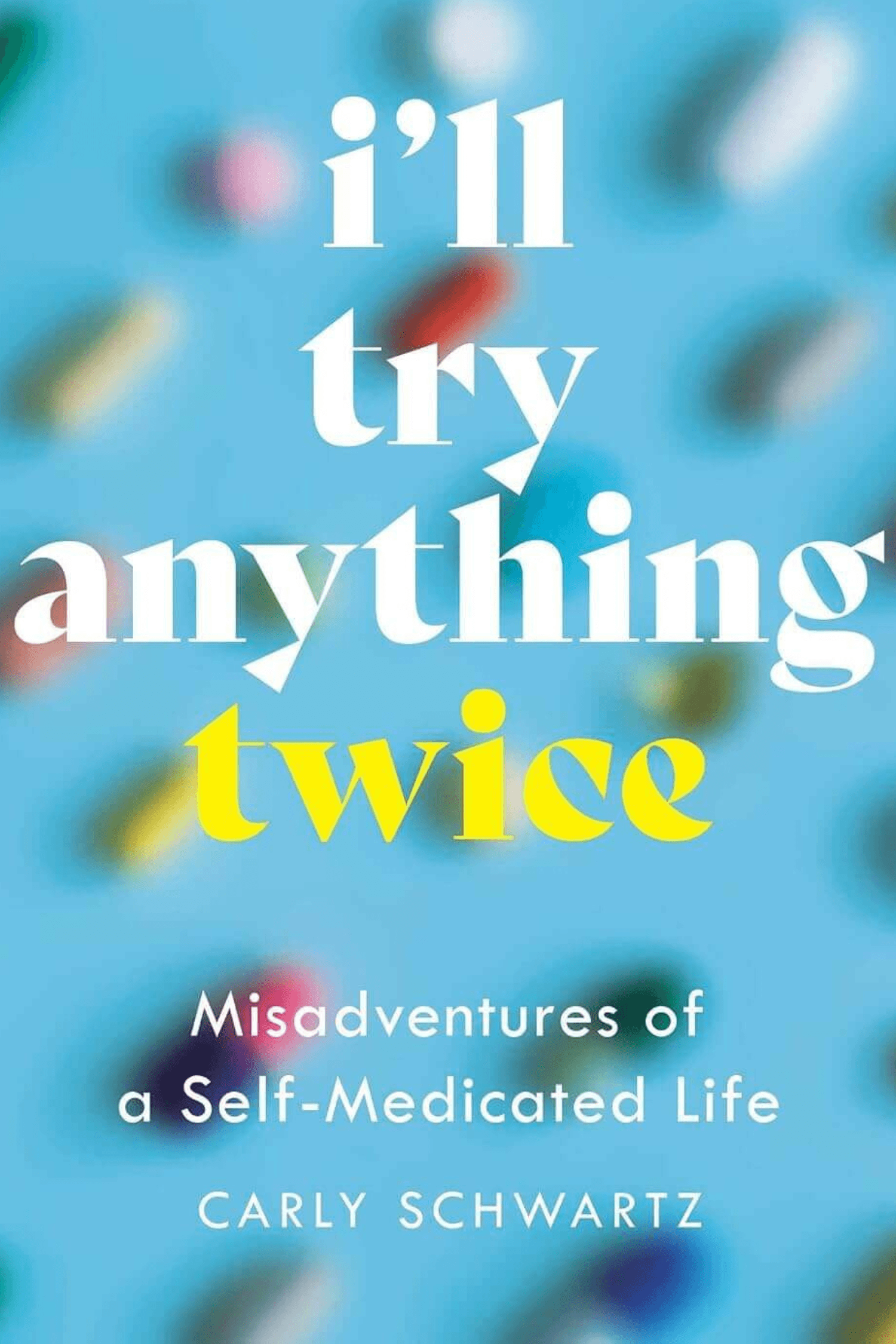
I’ll Try Anything Twice by Carly Schwartz
The memoir of a journalist who seems on top of the world, but is struggling with her inner demons, using drugs, alcohol, and men to cope. Those inner demons follow a man all the way down to the jungle of Panama where she finds herself in a world of trouble she can no longer run from. Learning that help comes from unexpected places when you finally have the courage to ask. For fans of Eat, Pray, Love, but with a refreshing rawness as she finds what she’s willing to do to learn how to love herself.
Buy the book now: Bookshop.org | Amazon





Leave A Comment