
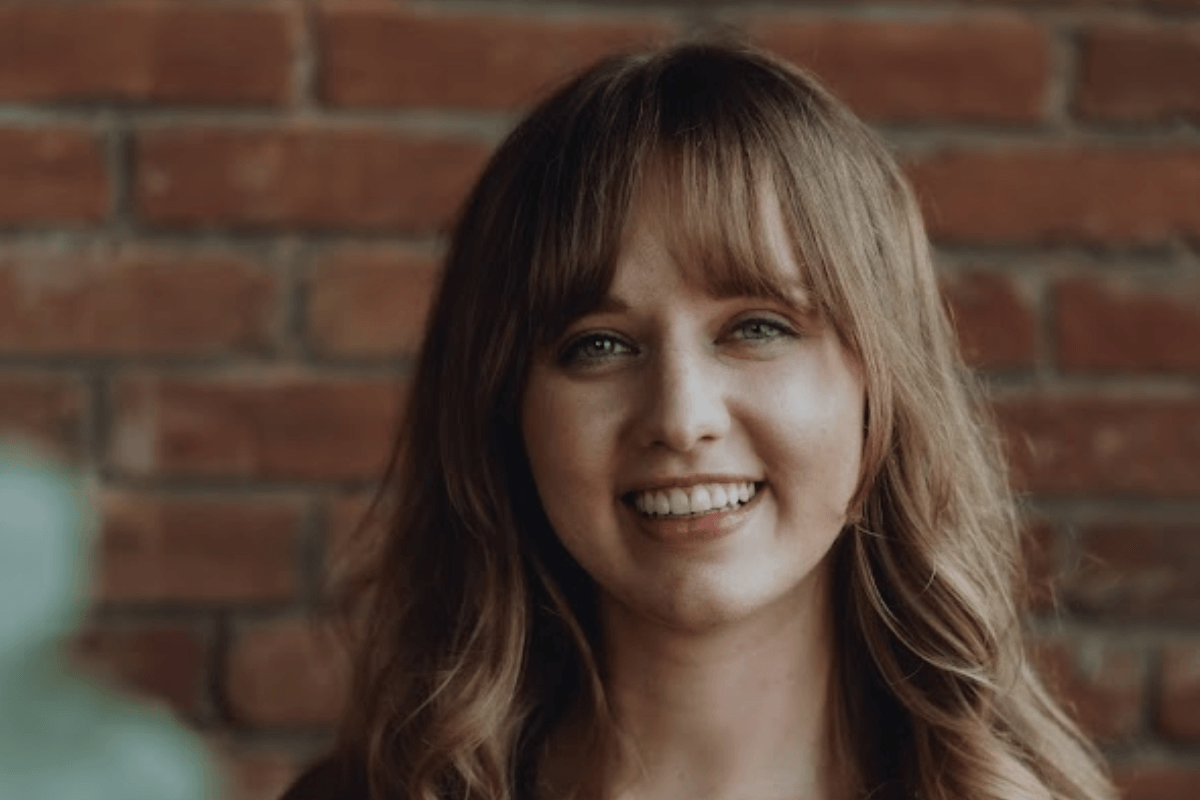
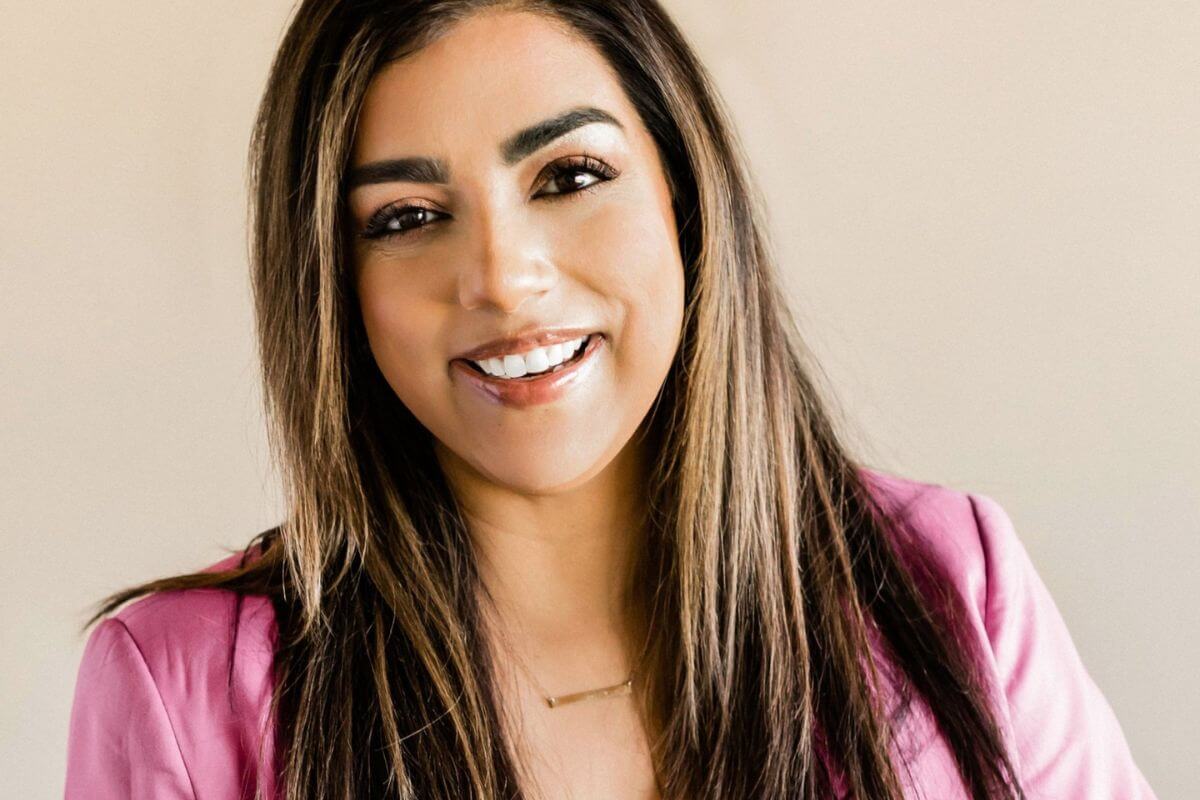
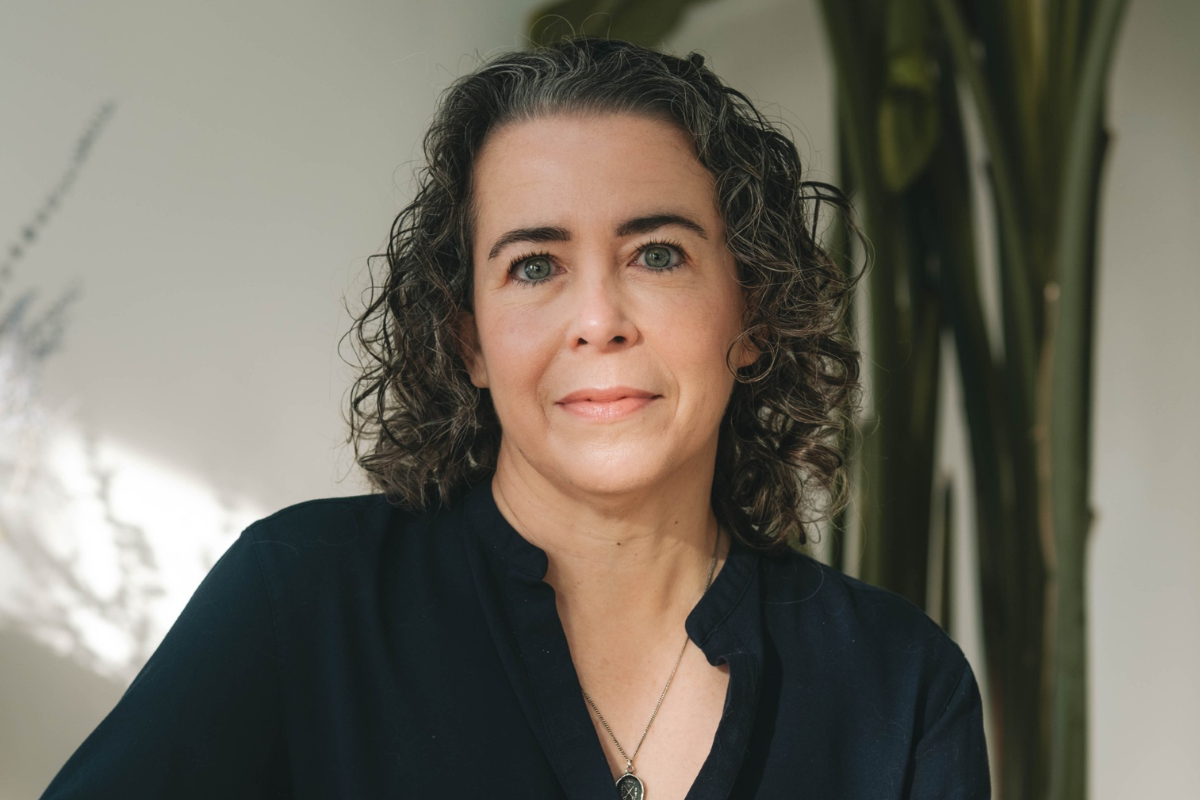
Maria Giesbrecht is a Canadian poet whose work explores her Mexican and Mennonite roots. Her debut poetry collection, A Little Feral (Write Bloody Publishing), will be released on May 8, 2026. Maria’s writing has appeared in The Literary Review of Canada, Narrative, Grain, ONLY POEMS, San Pedro River Review, and elsewhere. She is the winner of the 2025 Jack McCarthy Book Prize, the Lesley Strutt Poetry Prize, a finalist for the 2025 Narrative Poetry Prize, a Best of Net nominee, and the founder of Gather, an international writing community that connects poets worldwide. Born in Durango, Mexico, she now lives near Toronto, Canada with her fiancée.
In the literary world, there has long been a perceived tension between craft and visibility. For many years, there were two lanes: you were either a “serious: poet laboring in the quiet sanctity of a writing desk or within the confines of an MFA program, or you were an “Instapoet” performing for the fickle glow of a smartphone screen, often criticized for prioritizing relatability over rigor. A craftsperson or a creator; rarely were you allowed to be both.
But as the algorithm has experienced a seismic shift in the last few years, a new archetype has emerged from the static. The Tradstagram poet. This writer double-dips, benefiting from the prestige of the traditional world while harnessing the democratic reach of social media, sacrificing the integrity of neither.
My own journey into this “middle way” began five years ago. I started sharing my work on Instagram under the handle @theguelphpoet, and to my delight, my grid poems quickly found an audience. For a former high school loner whose literary world consisted of exactly one English teacher, the discovery of a global community was nothing short of magic. My “world of poets” expanded from one to thousands in weeks. When a few of my poems went viral, my following skyrocketed by tens of thousands overnight. I watched as my peers self-published collections, bypassing the “slush piles” of New York publishing houses to land on bestseller lists.
This was the golden age of the chronological feed, a distant memory now, when platforms actually showed your content to the people who followed you. The instant connection to readers was an intoxicating hit of dopamine. It was motivating, yes, but it was also a trap. To keep the engine running, the poems had to stay short, punchy, and frequent.
However, a parallel hunger was growing within me. Even as my follower count climbed, the allure of traditional publication began to compete for my attention. I started submitting to literary magazines and enrolling in craft classes. I quickly realized that the four-line aphorisms that performed best on a screen weren’t necessarily the poems I wanted to be remembered by. I wanted texture; I wanted subtext; I wanted the “difficult” beauty that requires a reader to slow down. Chew on a poem.
As I felt this internal shift toward longer, less “clickable” work, the algorithm began to shift, too. The “engagement-bait” era of 2022, where volume reigned supreme, gave way to a system that began to reward quality and saved content over mindless scrolls. Without intending to, I became a Tradstagram poet.
I am far from alone in this. Esteemed poets like Chen Chen and Isabelle Correa have refused to stay in one lane. They maintain robust online presences, sharing memes and process notes that reach readers in real-time, all while remaining deeply committed to the rigors of craft. They enjoy the best of both worlds: the mentorship, peer review, and prestige of traditional journals and presses, combined with the unmediated accessibility of Instagram.
This hybrid model is, frankly, much more sustainable. The old “post every day or die” mandate zapped creativity like an electric fly swatter. In the new landscape, a single thoughtful post can remain relevant for weeks, slowly accumulating connections. A poet who writes slowly is no longer being punished. We can hold onto our poems, sit with them, wait for the right publication to give them a home, and then share that victory with our digital community.
If you find yourself caught between the desire for “literary” merit and the need for connection, here is how to navigate the Tradstagram life:
1. Respect the Two Tabs
Treat your writing time and your “posting” time as two different vocations. I keep two tabs open: one for Submittable, where I track my formal submissions, and one for Instagram. The work on Submittable is for my legacy; the work on Instagram is for my community. They feed each other, but they are not the same.
2. Focus on “The Save,” Not “The Like”
The new algorithm favors content that people want to revisit. Instead of writing short “relatable” quotes, post poems with enough depth that a reader feels the need to “Save” it for later. This allows you to post longer, more complex work that actually challenges your audience. Don’t be afraid of a carousel post, either.
3. Use the Platform as a Process, Not a Gallery
Traditional publishing is slow; social media is fast. Use your grid to share the “scaffolding” of your life: what you’re reading, your rejection letters, your revisions. Save the finished, polished “masterpieces” for the journals, but use the platform to build the brand of being a writer. Folks love a good “behind the scenes.”
4. Quality Over Frequency
The “Tradstagram” ethos is about the long game. If you only have one great poem a month, post it once and let it breathe. The algorithm is now smart enough to find the right readers for a high-quality post over a long period, freeing you up to actually spend time in the library.
The short, clippable era of “Instapoetry” may be over, but poetry has always been a conversation. Whether it’s on a 16th-century broadside or a 6-inch glass screen, the goal is the same: to make someone feel less alone.
As I toggle between my two tabs, I realize that Walt Whitman might have had it right all along. We are large; we contain multitudes. We can be the hermit in the library and the performer in the square. We can have the craft and the crowd.
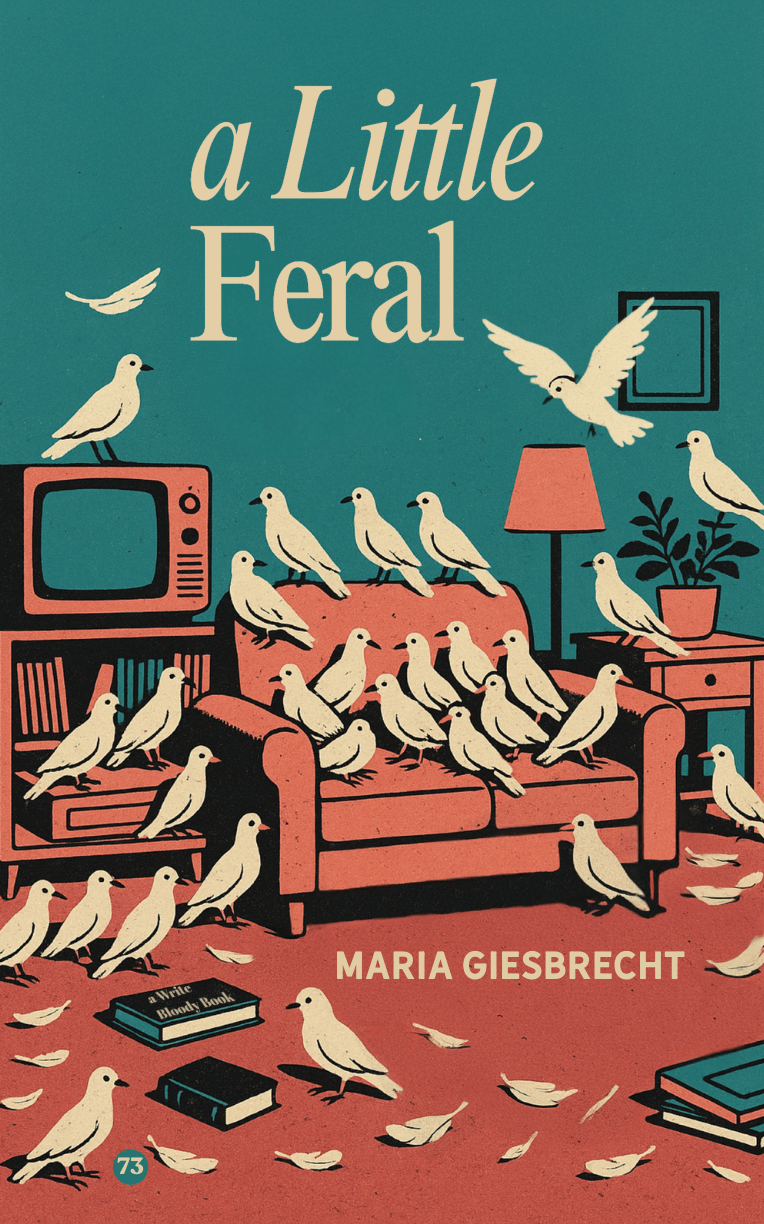
A Little Feral by Maria Giesbrecht
A revelatory collection of poetry by Maria Giesbrecht’s highlights the struggles of reconciling religion, family ties, and personal transformation. Giesbrcht’s poems explore her journey leaving her Mennonite childhood and proceeding to part from the weight of parental influence, ideological constraints, and submission in a controlled environment. With melodic language and a topical exploration of revolting from oppressive forces, A Little Feral invites a radical reevaluation of individuality in the reconstruction of faith that withstands broken family ties, ingrained practices, and weight of living in a patriarchal society.
Buy the book now: Bookshop.org | Amazon




Leave A Comment