
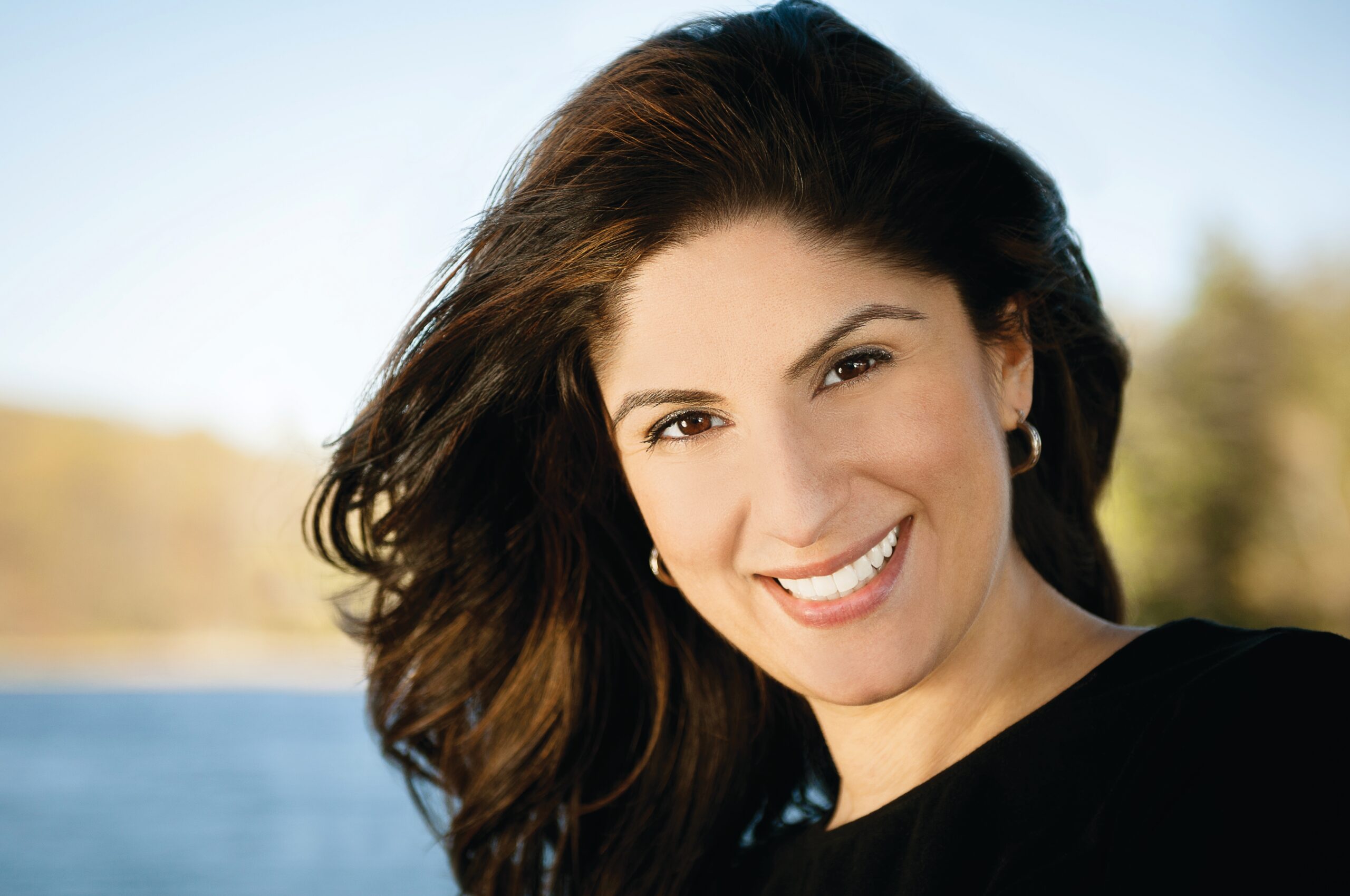
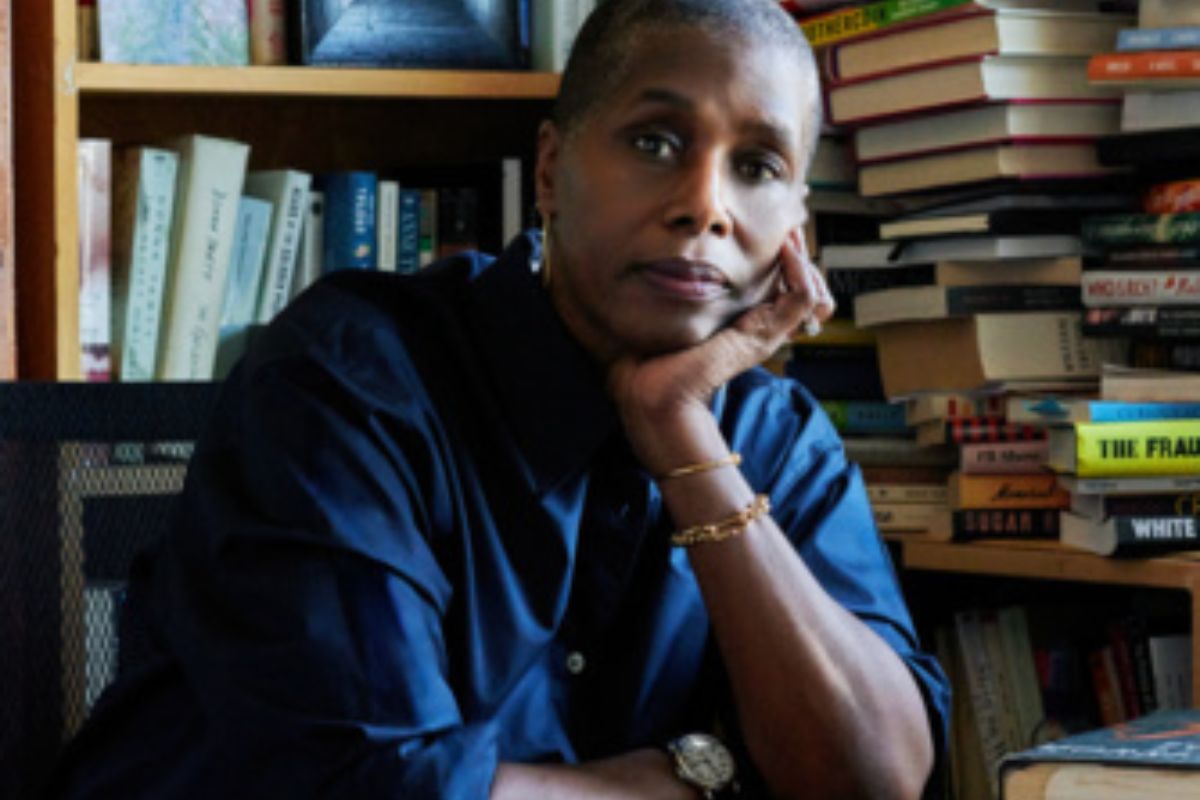
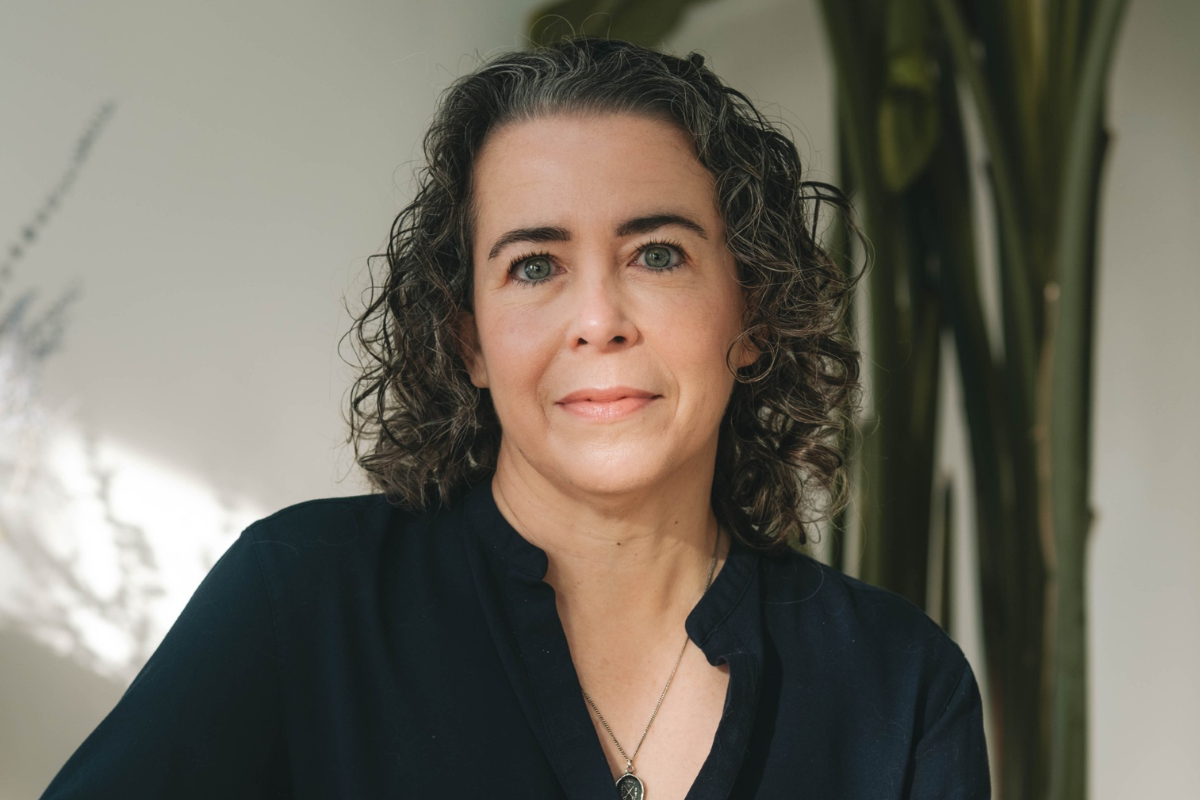
Nadia Hashimi is a pediatrician turned international bestselling novelist and daughter of Afghan immigrants. She is the author of four books for adults: The Pearl that Broke Its Shell, A House Without Windows, When the Moon Is Low, and Sparks Like Stars, as well as the middle grade novels One Half from the East and The Sky at Our Feet. She lives with her family in the Washington, DC, suburbs.
“So have you figured out yet what you want to be when you grow up?” my wise-cracking brother asked. I had just interviewed the UN Special Rapporteur on Human Rights in Afghanistan on the outlook for women living under gender apartheid. It was a fair question. We shared an apartment in Brooklyn while I was attending medical school so he had a front row seat to the hours I spent studying and working to become a pediatrician. Six years later, my first book was published followed by my second and third. I slowly transitioned from physician to author of bestselling novels, a journey for which I have been profoundly grateful.
This journey has also demanded that I make choices about how I spend my time. I cannot frame having choices as anything but privilege.
But choosing writing meant pulling away from my career as a pediatrician which, after years of long shifts and sleepless nights, felt like more of an identity than a job. Just this week, I rediscovered an old cheerful email from a patient, a teenage girl who had spent nearly half her childhood in hospitals, sharing that she was doing well and dreamed of becoming a doctor. I’ve sat with grieving parents and new parents. I have felt what it is to be trusted by a family during their most turbulent moments. Sometimes we heal. Sometimes we reassure. Sometimes we stumble. We are always learning.
Why would I turn my back on these experiences?
When I started toying with the idea of writing, I was immediately drawn to the stories of my relatives and the families living in contemporary Afghanistan. My parents had emigrated from their homeland in the early 70s, my husband in the early 90s. In the decades since, conflict has ravaged the country, scarring generations and uprooting millions, and scattering families across continents. Afghanistan has become the worst place in the world to be a woman. Images of Afghans are reductive. Guerilla warriors. Terrorists. And our women? Victims waiting to be saved by outsiders.
I started writing the stories I wish I could have found on the shelves of my local library when I was a child. I started writing the stories of Afghans who looked more like real humans, women moved by ambition, who loved to dance. Men who recited poetry. I also wrote about families forcibly displaced by conflict or suffocated by the brutal boot of patriarchy. When I learned that a real editor at a real publishing house wanted to turn my unpolished drafts into real books that people could pick up in libraries and bookstores, I had to pinch myself.
I didn’t leave pediatrics overnight. I spent fewer hours as a physician and spent more time writing, editing, and meeting with book clubs or presenting at literary festivals. I try to introduce readers to the vibrancy of Afghan culture – the music, poetry, and cuisine. In Sparks Like Stars, I take readers into Afghanistan’s halcyon days when diplomats in Kabul, a party post, had enough downtime to put on a performance of the musical, Oklahoma. Of course, Kabul doesn’t stay rosy for long. This is the story of a girl orphaned by a coup and haunted by a past that refuses to stay buried, even when she appears to be thriving as a surgeon in New York. I’ve had several Afghan-American women tell me this story resonated with them in a way they hadn’t expected. One called it a whisper from childhood. Another called it a “kind and honest mirror.”
In August of 2021, the Taliban stormed Kabul and claimed the presidential palace. People either fled to the airport or shuttered themselves in their homes. I found myself on urgent Zoom calls with organizations trying to piece together a plan for the tens of thousands who had been evacuated to the United States. The calls turned into a formal role helping design and implement mental health and social support for the families who had survived the heat and chaos at the Kabul airport. These individuals were sheltering at military bases across the United States. I worked directly with families deemed medically fragile. Some had survived the bombing that killed almost 200 people. A two-year-old girl had miraculously survived a blow to her head by either a bullet or shrapnel. She was scooped up and evacuated for medical treatment along with her mother and one brother but her father and two siblings were left behind. A mother of six learned on arriving that the odd swelling in her breast was metastatic cancer. I looked at her eldest daughter, a tween who would soon be thrust into adulthood in a land utterly foreign to her. I met young women eager to apply to college, one who wanted to continue her studies in literature. I met a doting husband who would dance to cheer up his homesick bride. There were so many stories to take in, so many lives to honor, so much hope and hurt to witness.
In my forthcoming title, City of Widows, readers will meet the courageous Afghan women who served in the elite special forces unit trained to fast-rope out of helicopters, descending into villages under cover of night to hunt down Taliban targets. Government buildings and vehicles were taken over. Files and weapons fell into the wrong hands. Because these lion-hearted women endeavored to make their country and our world safer, they became priority targets for the Taliban when the United States withdrew troops. I doubt most people know that Afghan women donned military uniforms and engaged in these missions. City of Widows will show readers what their scramble to escape a fallen homeland looked like and hope the introduction will, in some small way, undo the preconceived notions and stereotypes many hold about Afghan women. This, too, is a privilege.
These days, I no longer see patients. I’m a writer most days, a mother every day. And other days, I moderate panels or attend board meetings for a non-profit. We celebrate ancestral holidays with our children, our friends, and extended family. I imagine it’s impossible for most of us to encapsulate who we are in a word or even a few but here’s my go at it: I am a pediatrician turned author, someone whose occupation is better described as a preoccupation with honoring the stories of my people.
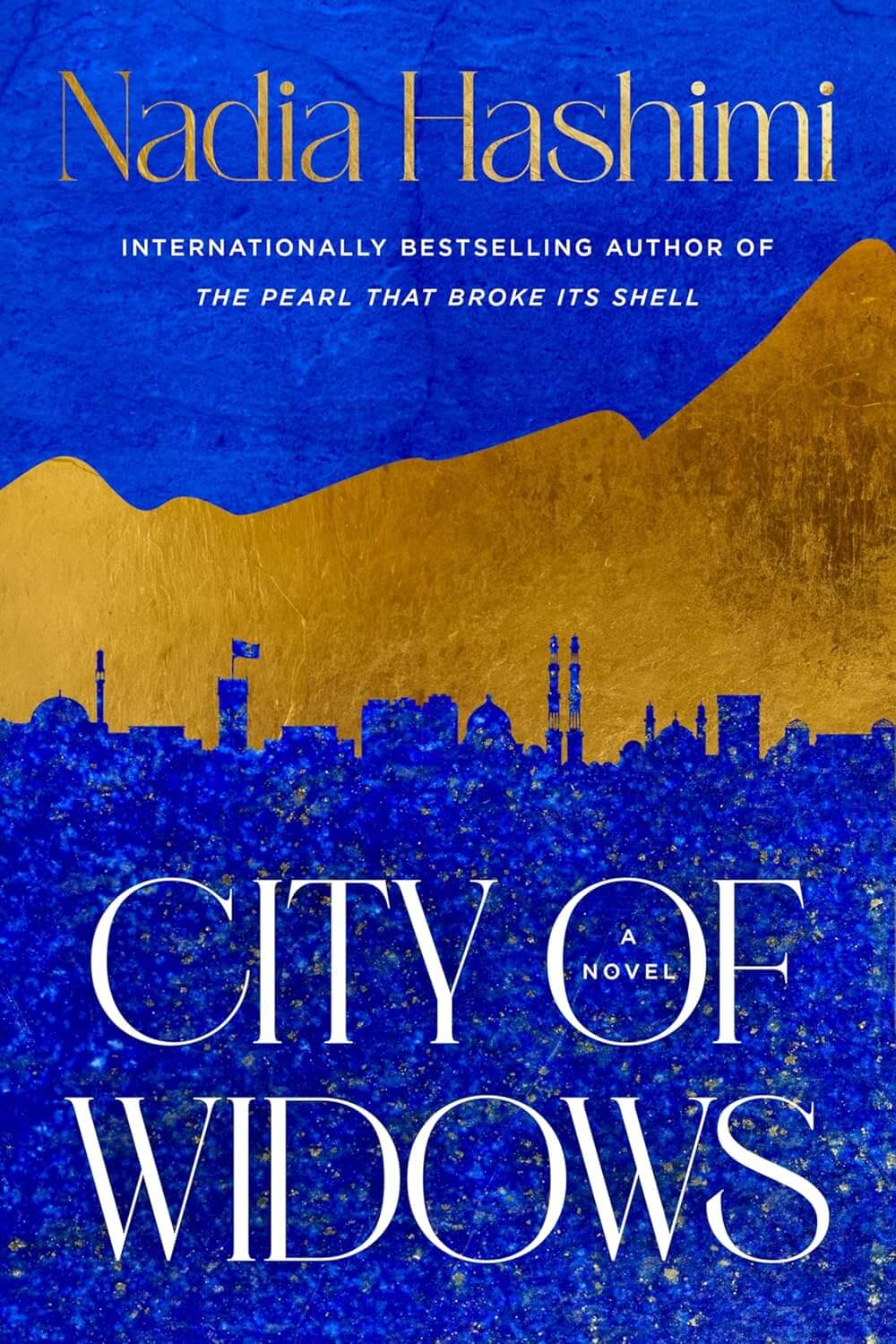
City of Windows by Nadia Hashimi
As U.S. troops withdraw and the Taliban regains control, a generation of Afghan women faces the loss of the freedoms they’ve built over two decades. The novel follows several women in Kabul—soldiers, journalists, and professionals—each forced to decide how to survive in a rapidly changing world. From fighting back to fleeing or forging new paths, they refuse to quietly accept their fate. It’s a powerful story of resilience, identity, and the fight to hold onto autonomy in the face of oppression.
Buy the book now: Bookshop.org | Amazon

Leave A Comment