
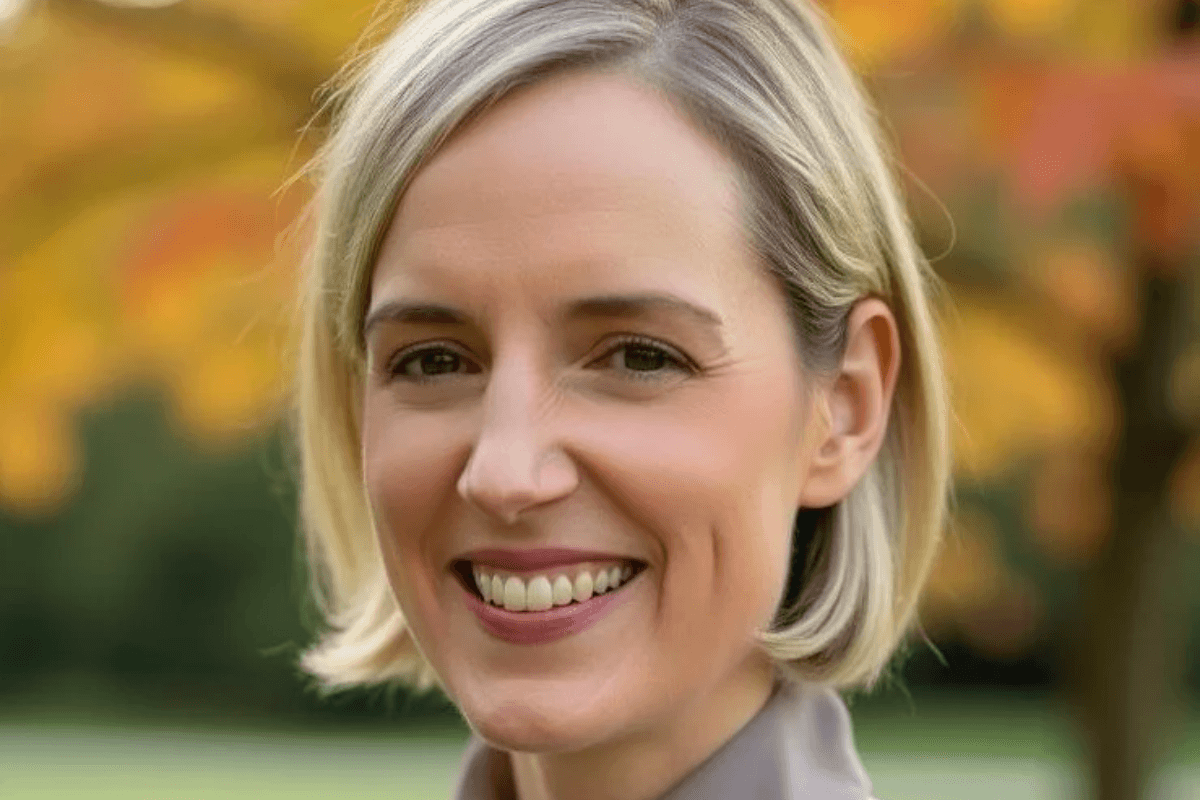
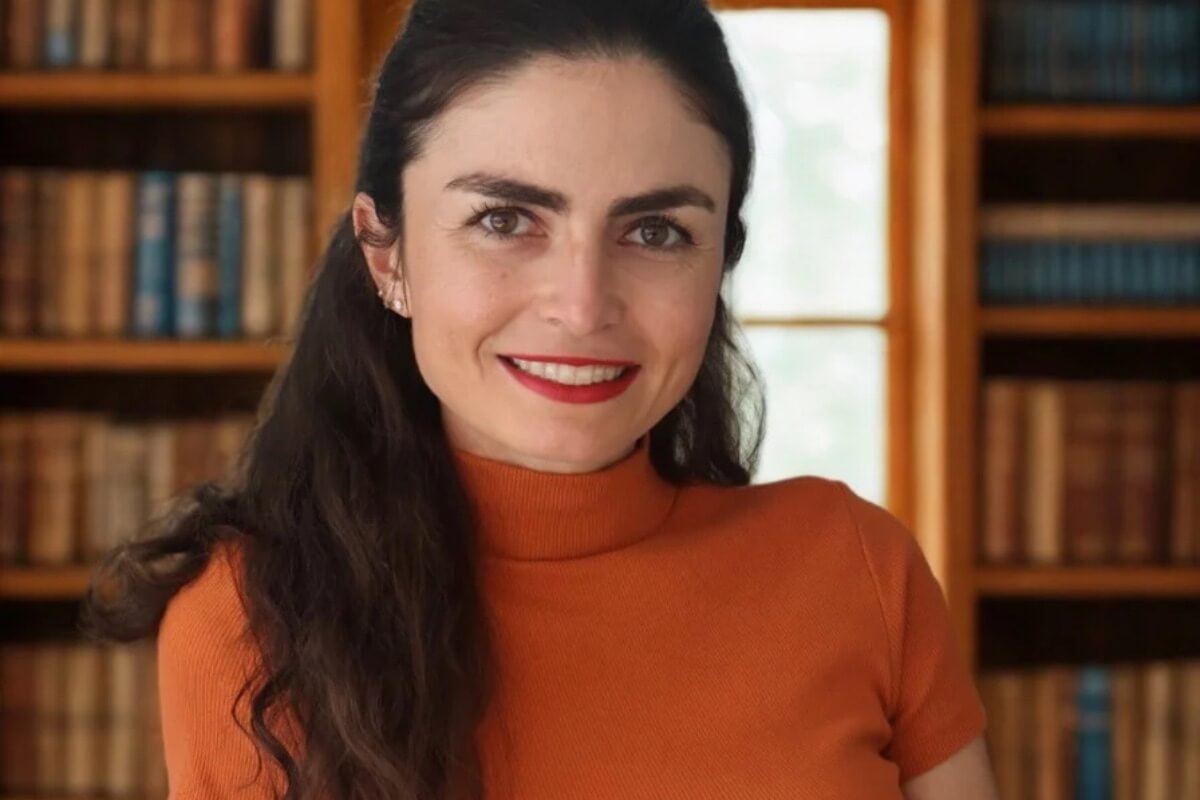
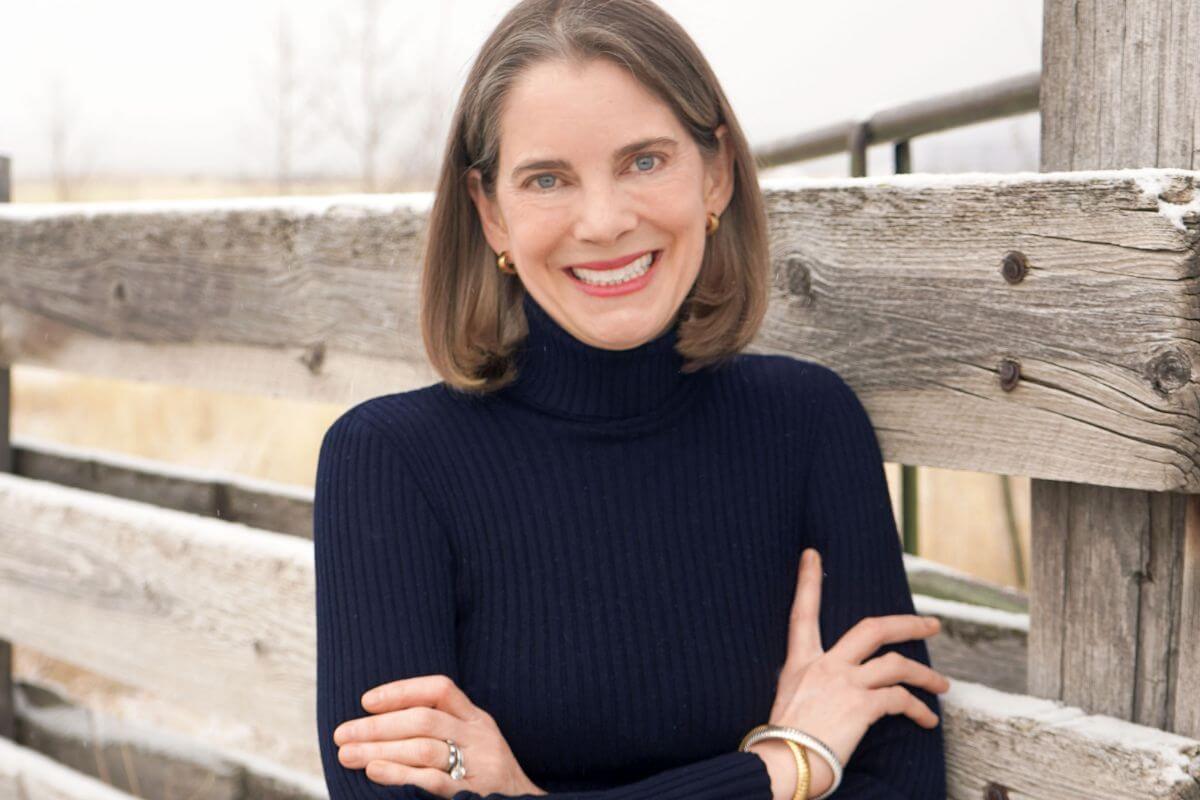
Kimberley Tait was born and raised in Toronto, Canada, and moved to the U.S. to attend Dartmouth College, where she pursued her romantic and literary passions as an English and Government double major and writing tutor at the Composition Center. In 2001, Kimberley wrote her senior thesis on “life as a staged performance” in the novels of F. Scott Fitzgerald, unaware that widespread performance addiction was on the brink of gripping society through the rise of social media. Kimberley wrote her sophomore novel BRIGHT STARS, published by Dogstar Press in September 2026 to commemorate the 25th anniversary of September 11th. A portrait of the dual losses of the 9/11 tragedy and the final vanishing of offline life through the eyes of four young graduates, the story is informed by her experiences as a Canadian expat who moved to New York to serve on the 9/11 relief effort, and her membership in The Last of the Innocents—the last human beings to experience an analog childhood. Kimberley is the recipient of a 2026 FAIR Artist Grant supporting artistic freedom and excellence that reinforces our common humanity. As an advocate for beauty, sincerity, and the human soul, she founded Dogstar Press, a literary press that is helping preserve heartfelt literary art.
Sincerely: Letting Nothing Disrupt the Writer’s Signal
Maybe it is my natural earnestness, or my deep childhood love of Anne of Green Gables that planted the seed in me, but I have always believed writing should be an act of sincerity. This feels like a revolutionary belief in a modern world that encourages and rewards performance like never before. Each of us has been granted the gift—the miracle—of a lifespan on this earth and no one will ever have the same vantage point in all of human history. A writer’s duty is to use that totally unique perspective to write what is true to them. John Steinbeck once described a writer as a distant star sending signals; I whole-heartedly agree and think it’s vital we let nothing disrupt our precious transmissions.
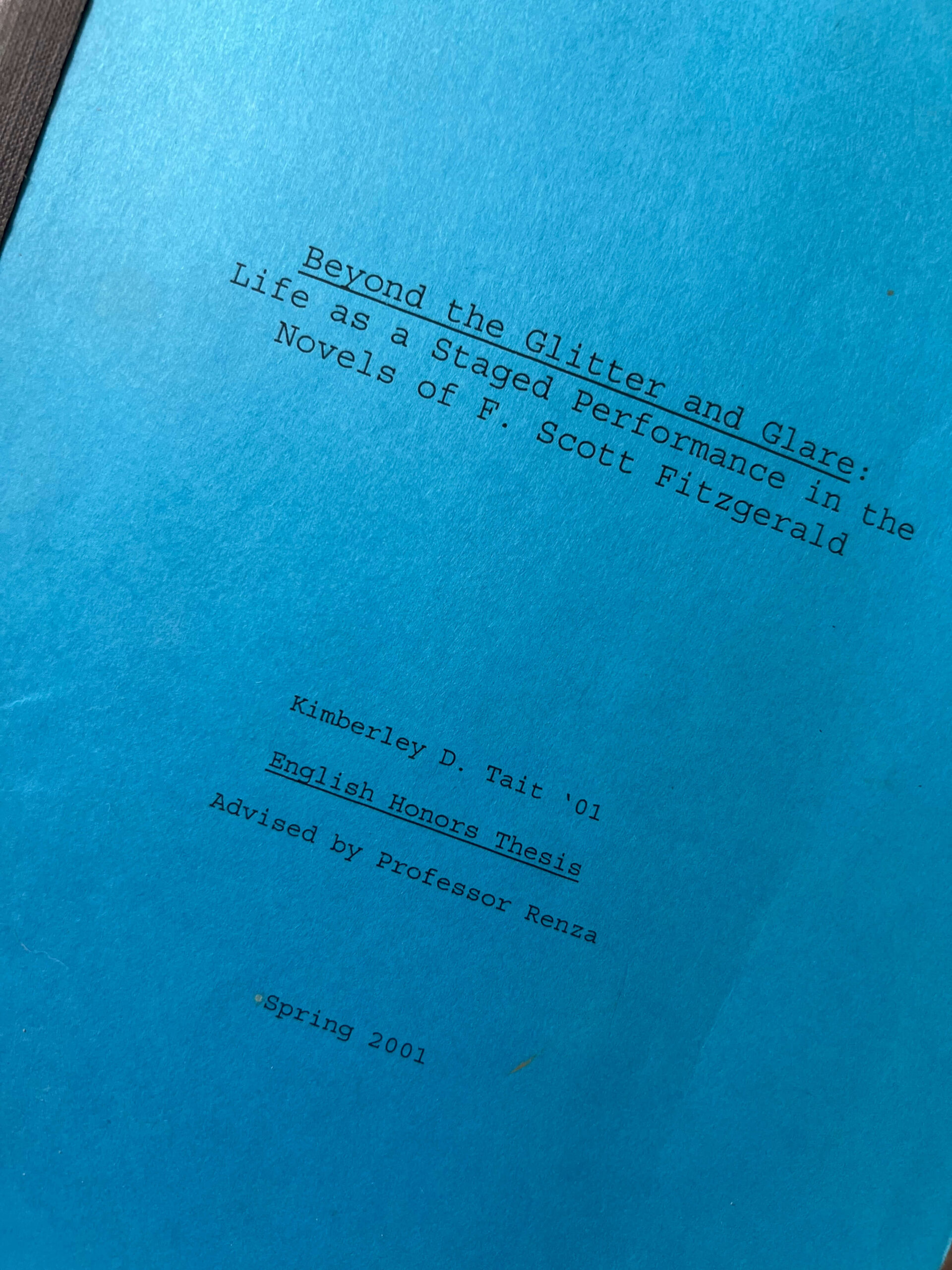
When I started my career as a writer, I had no idea how many distractions and distortions we would need to contend with in everyday life, both as people and as artists. As an undergraduate, I wrote my senior thesis on “life as a staged performance” in F. Scott Fitzgerald’s novels, observing that all his leading men attempted to stage life in some way, and so were doomed. It was Spring 2001, with Friendster and MySpace at least a year away, and none of us could have guessed that mass performance culture was on the brink of taking over society. My humble thesis now reads like a prophecy. Over the last 25 years, social media platforms have become a relentless engine, muddying the creative process with pressures to perform and placate the algorithms. This synthetic bubble is far removed from the purpose and power of any art form.
 As the digital world has evolved, mainstream publishers have been very good at adapting to serve the algorithms and cater to the new behaviors engrained by chronic social media use. As publishers consolidated into the Big Five and private equity acquired Simon & Schuster (saddling the publisher with $1 billion in debt), short-term commerciality has shifted to the forefront in the industry, even in literary fiction. I experienced these shifts first hand over the last 10 years after my debut novel, Fake Plastic Love, was published by Flatiron Books—ironically a novel about the perilous performance culture that began taking over life in the mid-noughties.
When sitting down to write, novelists today face a host of resulting pressures at a prose, character, theme, and story level. Literary gatekeepers are seeking “explosive” first chapters, shorter sentences, and shorter novels that cater to rapidly plummeting attention spans. Novels longer than 100,000 words are frowned upon and rejected outright if the author is not a known figure with a loyal following. Looming worries about length undermine the freedom of a writer’s style—an essential vehicle for emotion and meaning. While a novel’s merit is not correlated with its word count, prohibiting length makes it much harder to write immersive fiction steeping readers in atmosphere and detail, once upon a time the cornerstone of great novels. If a writer knows mainstream gatekeepers have no appetite for the “extraneous,” and that it will reduce the likelihood a manuscript will be acquired, they will consciously or subconsciously adapt their writing approach. How much rich, insightful, and original prose has but struck from drafts around the world, or never even written, because the writer knows brevity is the new commercial standard? Will this lead to the extinction of lyrical and expansive prose, already under serious threat from short-form digital communications?
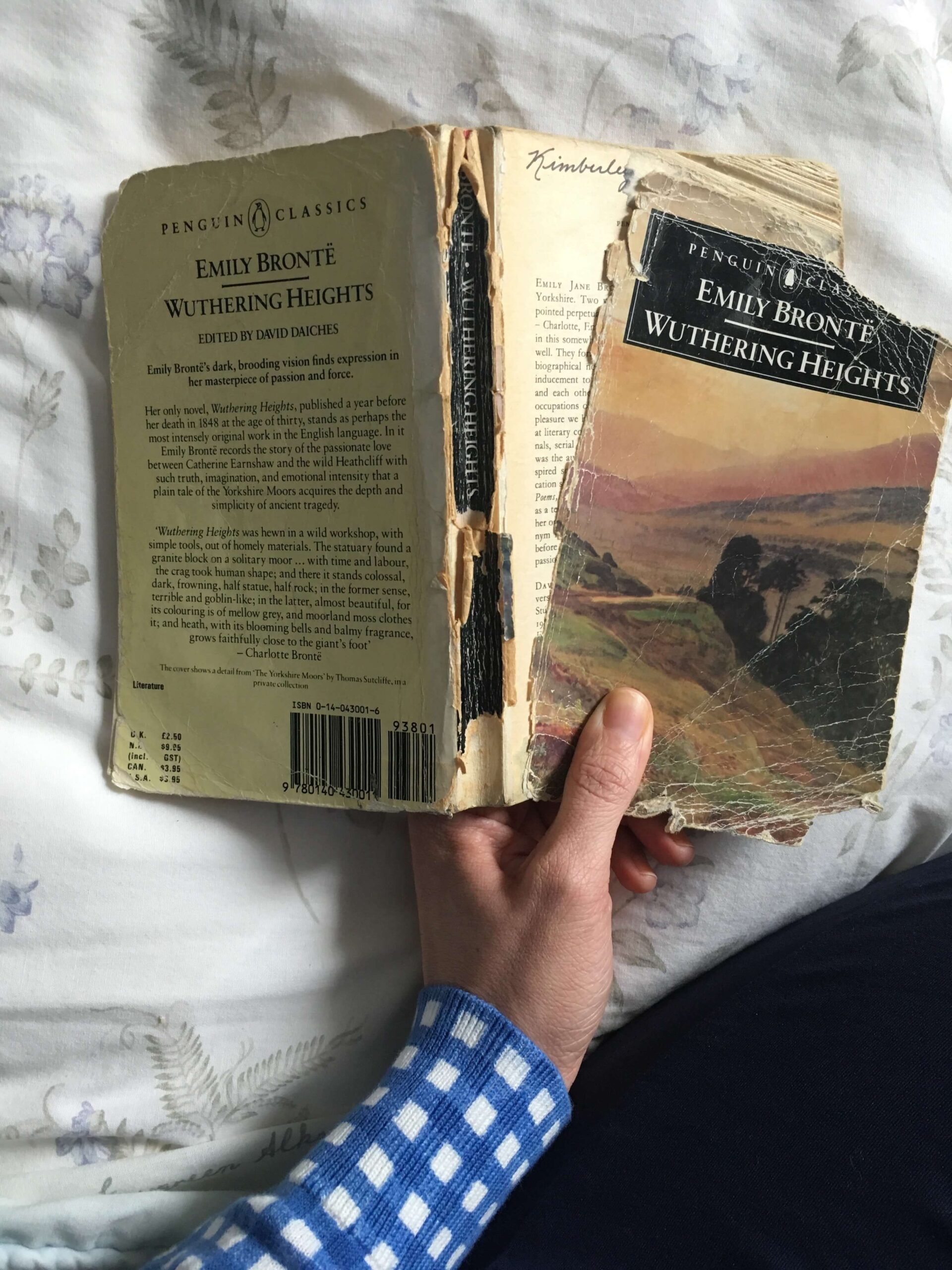 There are equal pressures to write a novel with an irresistible hook and the potential to go viral. A cold chill passed through me when I saw the first billboard for Emerald Fennell’s film adaptation, “Wuthering Heights” (emphasis on the quotation marks). Drive me mad, the poster read. “Everything is a tagline now,” I said aloud to myself, feeling my heart wilt in my chest. Publishers rushed to issue new movie editions of the novel, even though Fennell herself admits it is not true to the original story. If this is how one of the greatest novels in history is treated today, nothing is safe. I picked up my high school copy of Wuthering Heights and examined its threadbare cover, detached from heartfelt handling. Where does sincerity and soul fit into this brave new world of publishing?
This is the beauty and possibility of independent publishing. An independent writer or literary press can make the decision whether or not to yield to these pressures. I believe the preservation of literature as a true art form that endures will require people and ventures that rise above the algorithmic loops and short-term commercial cycles to share heartfelt stories about the human condition with no connection to virality or external mandates. In A Room of One’s Own, Virginia Woolf expressed in very blunt terms how vital artistic purity is: “So long as you write what you wish to write, that is all that matters . . . But to sacrifice a hair of the head of your vision, a shade of its colour . . . is the most abject treachery, and the sacrifice of wealth and chastity which used to be said to be the greatest of human disasters, a mere flea-bite in comparison.” Making artistic compromises in the name of getting published is a slippery slope—one concession leads to another and to another. A writer will never know the true extent of what they have given up artistically. They will never see the final product they might have shared with the world, illuminating a reader’s heart or even altering their life, if they stayed true to their original vision.
I took Woolf’s words to heart and refused to sacrifice a hair of the head of my vision as a novelist writing character-driven fiction in lyrical prose. This felt especially important for my new novel, Bright Stars, which I wrote as a tale of First Love and a portrait of my subgeneration—The Last of the Innocents—the last human beings with an analog childhood who came of age at the world-changing moment of September 11th and the final vanishing of offline life. When my publisher and literary agents (as I searched for a new agent) told me I needed to rewrite the manuscript to comply with a range of external pressures that would have made the story both historically inaccurate and not what I wanted to tell, I declined. The story, 25 years in the making and my contribution to never forgetting the September 11th tragedy (drawing on my experiences as a new graduate moving to NYC to serve on the relief effort), was far too dear to me. Above all, that’s not the kind of novelist I want to be.
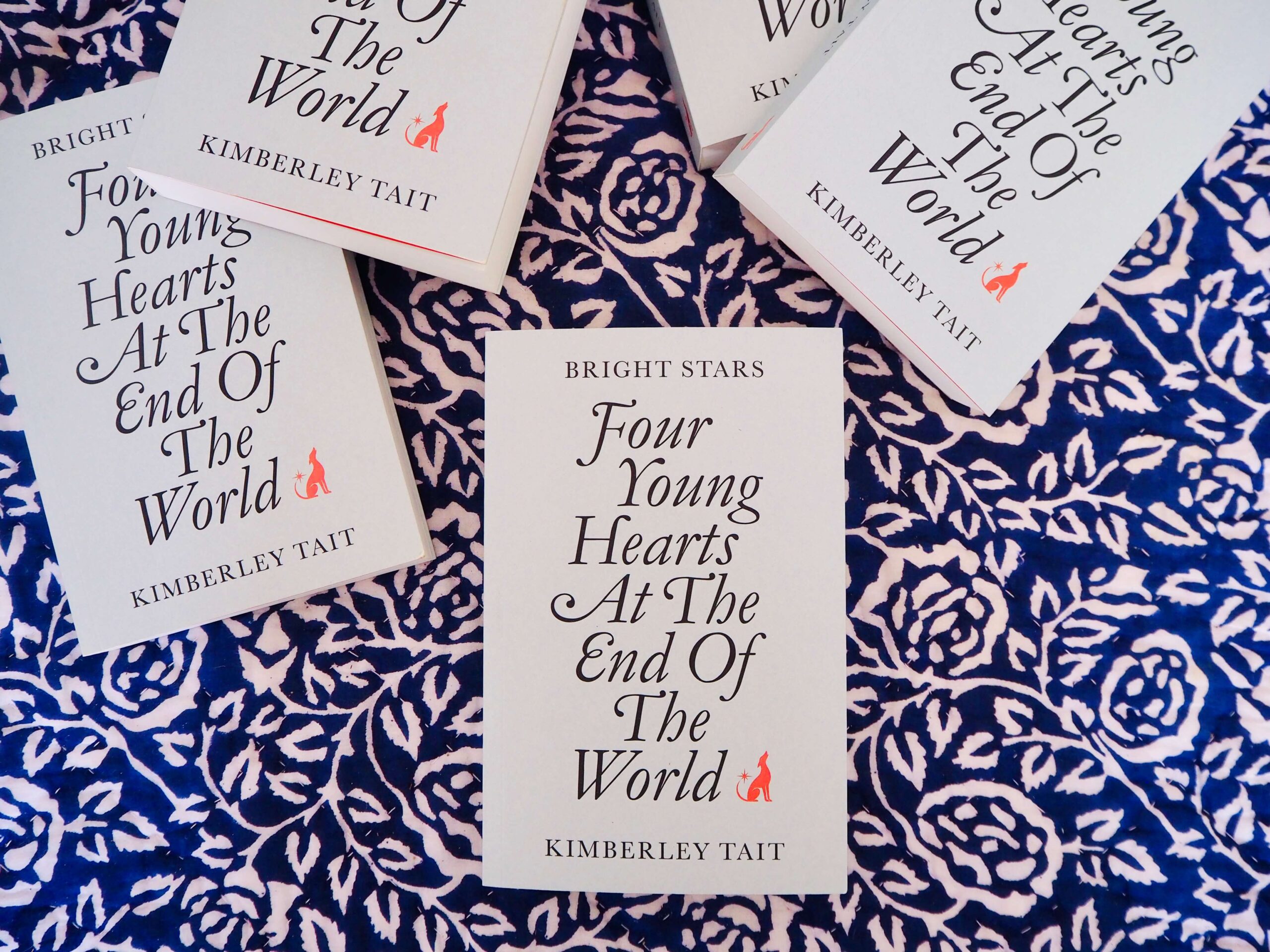 I made the decision to found Dogstar Press, a literary press devoted to beauty, sincerity, and 100% human fiction—free from machines and mandates—and published Bright Stars as its first title. One reviewer wrote: “Tait is a throwback novelist . . . free of snark and cynicism.” Sincere is what I’ve always been, and I’m sticking with it, even if it has required me to invest everything I have in building a literary venture of my own. I followed Woolf’s lead. She founded Hogarth Press in 1917 to maintain her artistic freedom. It is a significantly harder path to take, and not for the faint-hearted, but it will lead to much greater pride and fulfillment, come what may commercially.
At this crossroads for creativity, with LLMs crashing into the arts like a wrecking ball, I believe sincerity—staying true to ourselves and letting nothing disrupt our signal—is the only thing that will keep the human flame alive.
 Bright Stars by Kimberley Tait
Four Class of 2001 graduates, Cate, Teddy, Ames, and Sloane are entering the real world navigating heartbreak and growth whilst unaware that the world is about to change forever. When September 11th comes and the Twin Towers are attacked, tragedy changes and links their lives together forever in supernatural ways all connected by an undelivered love letter.
Buy the book now: Bookshop.org | Amazon





Leave A Comment