

Jamie Brenner is the USA TODAY bestseller author of over a dozen novels including The Forever Summer, Blush, and the erotic trilogy Blue Angel. Jamie’s short story “Gold Party” (Blackstone Publishing) is currently in development as a feature film.
For more, follow her on Instagram @jamiebrennerwrites and subscribe to her Substack “Diva Behavior.”
Once upon a time, bestseller lists were once filled with novels about powerful women building empires, traveling the world, and falling in love on their own terms. Books like A Woman of Substance by Barbara Taylor Bradford, I’ll Take Manhattan by Judith Krantz, and Chances by Jackie Collins brought us into dynastic estates, elite boardrooms, and yes, lots of bedrooms.
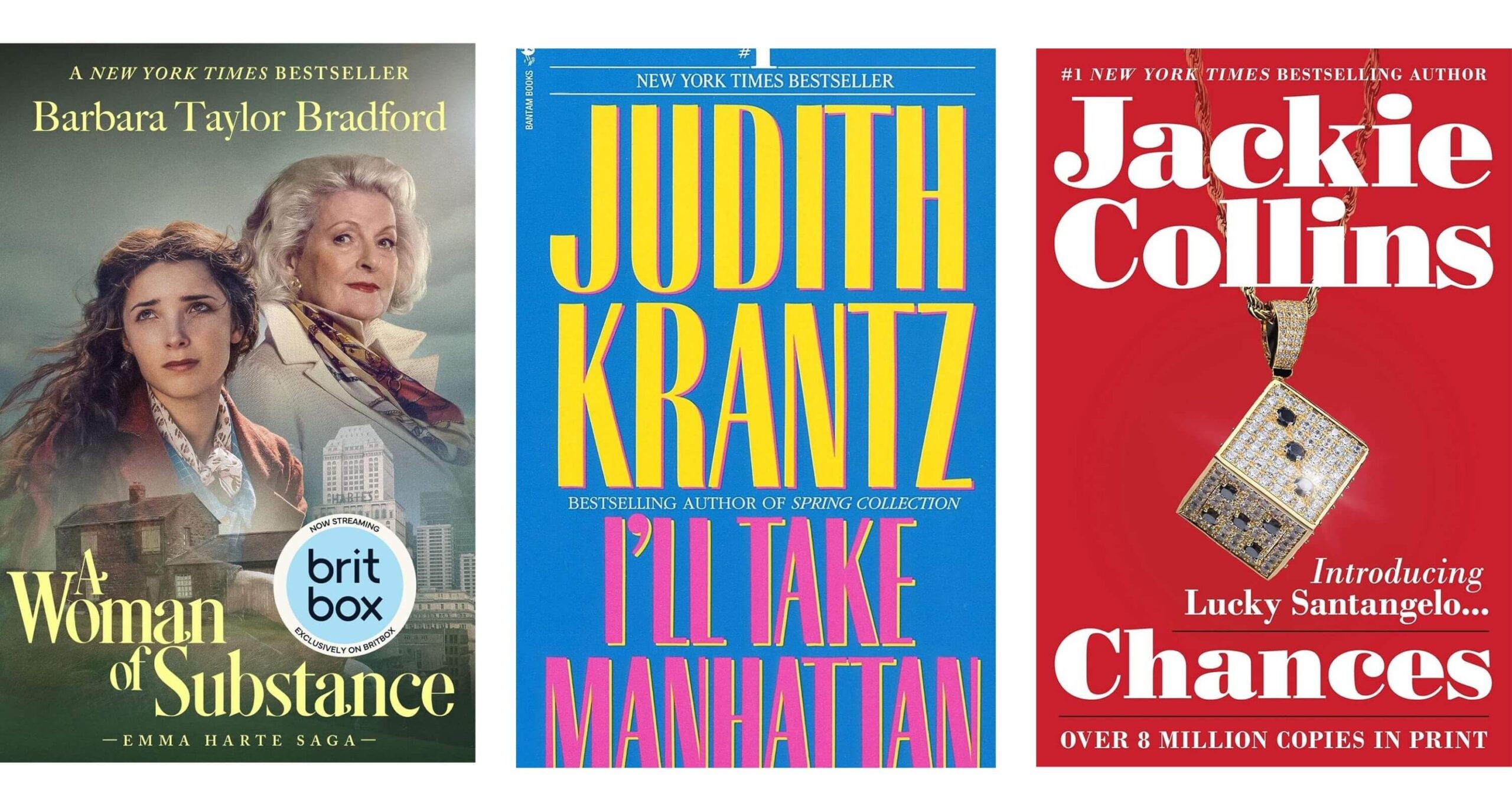
They also gave us what I think of as the Epic Heroine: A character whose story unfolds over decades, who suffers but doesn’t crumble, and whose journey is one of self-determination, not healing. These books sold millions of copies worldwide. They were adapted into television series and movies. Their authors were featured on talk shows and magazine covers. And by the turn of the millennium, this type of storytelling practically disappeared.
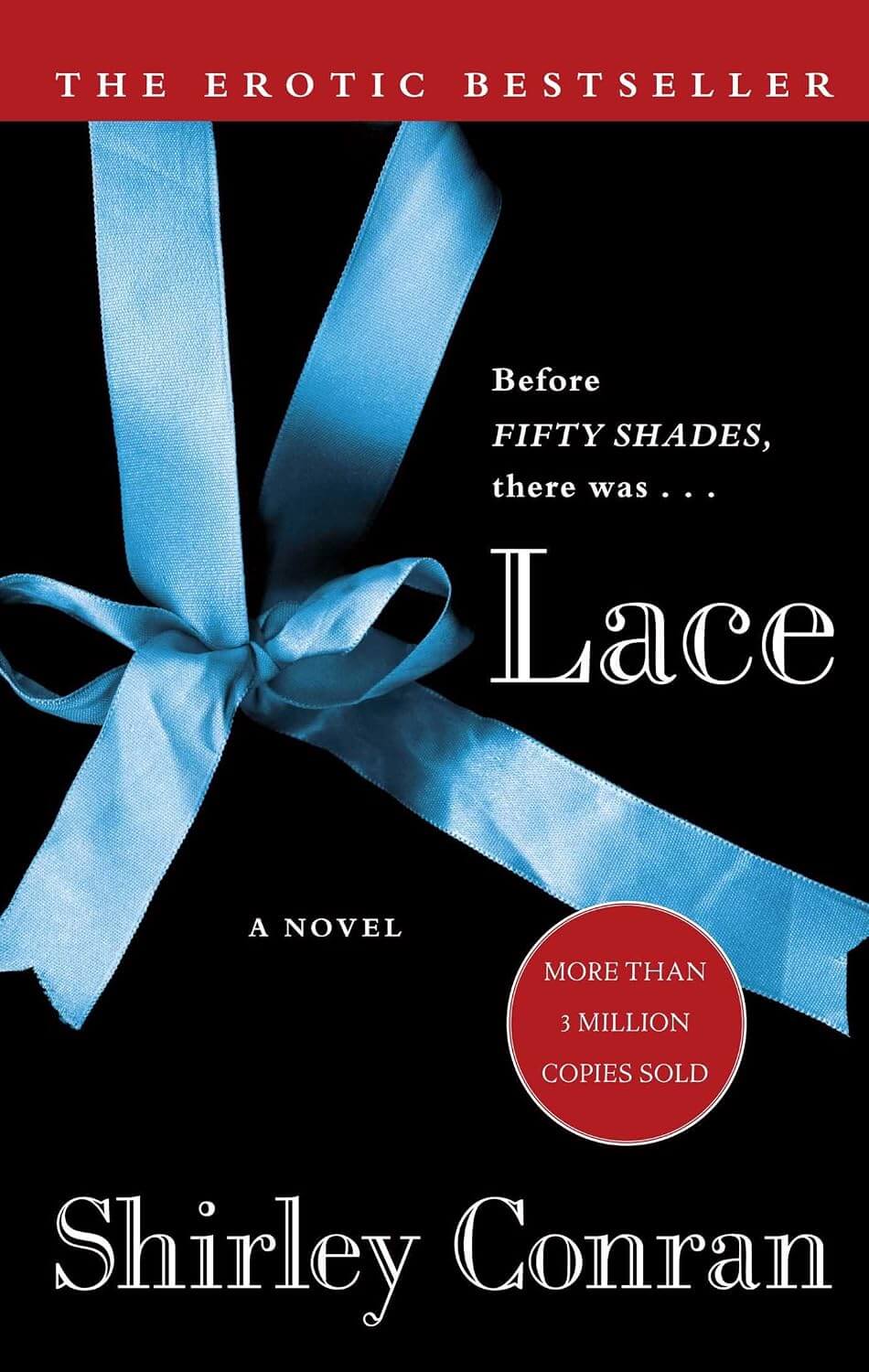
But as a reader, and a novelist, I haven’t stopped thinking about them. Nothing in contemporary books has come close to the moment in Lace (by Shirley Conran) when the character Lili asks, “Which one of you bitches is my mother?” It’s a moment of pure, unapologetic triumph in the face of crushing adversity. Yes, I was a child when I read it, and the books we read when we’re young have an indelible quality that’s impossible to replicate later in life. Even keeping that in mind, I believe it’s more than that.
The stories went something like this: A vulnerable girl has a traumatic childhood and grows up to be a formidable (and always glamorous) woman who builds an empire. She runs a fashion house/cosmetics companies/media conglomerate. She wears silk blouses, negotiates billion-dollar deals, survives betrayals, marries disastrously, divorces spectacularly, and redecorates magnificent homes along the way. Oh, and she also destroys her enemies.
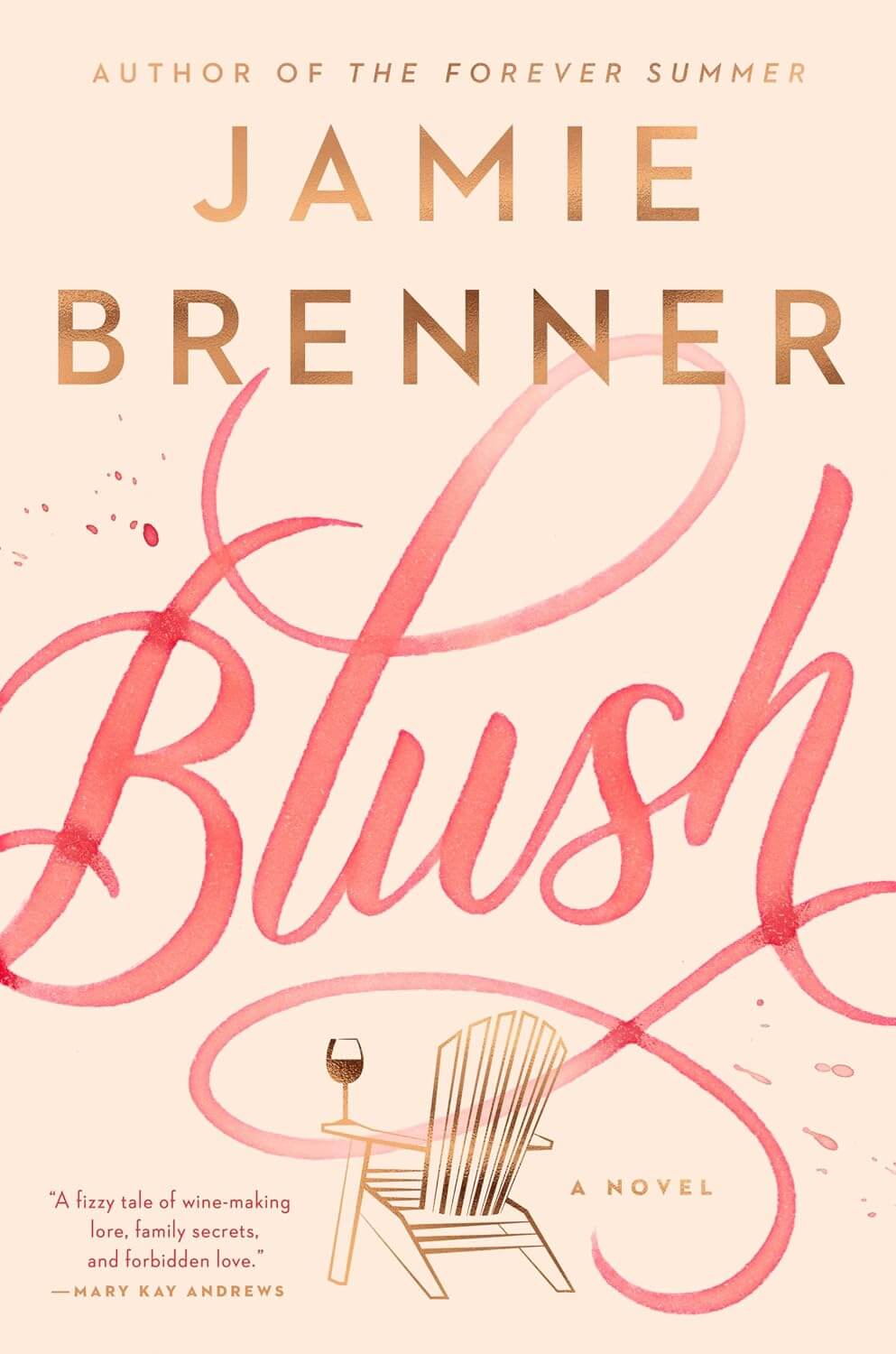
In 2021 I published the novel Blush, about three generations of women at a family winery re-reading the “trashy” novels of the 1980s. Deep down, what I really wanted to do was write a novel in that model – something epic and sprawling and melodramatic and erotic. But it would never be published. The epic sagas and their heroines are no longer in favor. The books are too long and the heroines are too unapologetic.
Let’s look at an all-time classic in this genre, A Woman of Substance by Barbara Taylor Bradford: A lowly English servant named Emma Harte is impregnated by her employer’s son and cast out – only to become a fabulously wealthy department store mogul who ultimately becomes more powerful than the family who would have destroyed her. The book published in 1979 and remains one of the best-selling novels of all time.
It would never be published today.
A 900-page debut novel that spends hundreds of pages establishing family history before its central conflict fully ignites? Nope. Too much backstory. And I get it: my attention span has atrophied along with everyone else’s. Still, I challenged myself to re-read in advance of the new BritBox TV adaptation. I’ll admit – it was tough to stick with it at first. We’ve been conditioned to expect the inciting incident to come at us fast and furious. A deliberate unfolding, a slow burn, is a lost art – both for writers and for readers. But after spending six weeks with this book I realized something: those hundreds of foundational pages aren’t delaying the story. They are the story. They build emotional equity that makes the heroines’ later triumphs all the more powerful.
Terrible things happen to Emma Harte: loss, betrayal, poverty, violence – but she never acts like a victim. Tragic events are part of the story, but the pain they inflict isn’t the entire point. In contrast, a modern heroine’s suffering is often the backbone of the plot. Something terrible happens to a woman, and the arc of the book is her healing and survival. The Epic Heroine’s story is never about surviving – it’s about thriving. Emma Harte doesn’t just escape her oppressors, she crushes them. This is a fundamentally different reading experience.
But the biggest contrast between the epic heroine and many contemporary heroines comes in the romance department: The former doesn’t allow herself to be derailed (or even distracted) by romance. At least – never more than once. While the Epic Heroine experiences love and passion, neither are her primary goal. Instead, both are a distant second behind emotional and financial stability. In the immortal words of Scarlett O’Hara, the Epic Heroine “will never go hungry again.”
Today, we do find ambitious and resilient heroines, but only when wrapped in humility, vulnerability, or self-deprecation. She’s expected to reassure us she’s still relatable. The Epic Heroine never stops to reassure anyone. That’s what makes her a standout nearly fifty years after she was first published. Is she realistic? No. But that was never the point. She’s an aspirational fantasy. The epic heroine doesn’t ask us to identify with her. She asks us to imagine ourselves becoming her. And all these decades later, many of us still are.
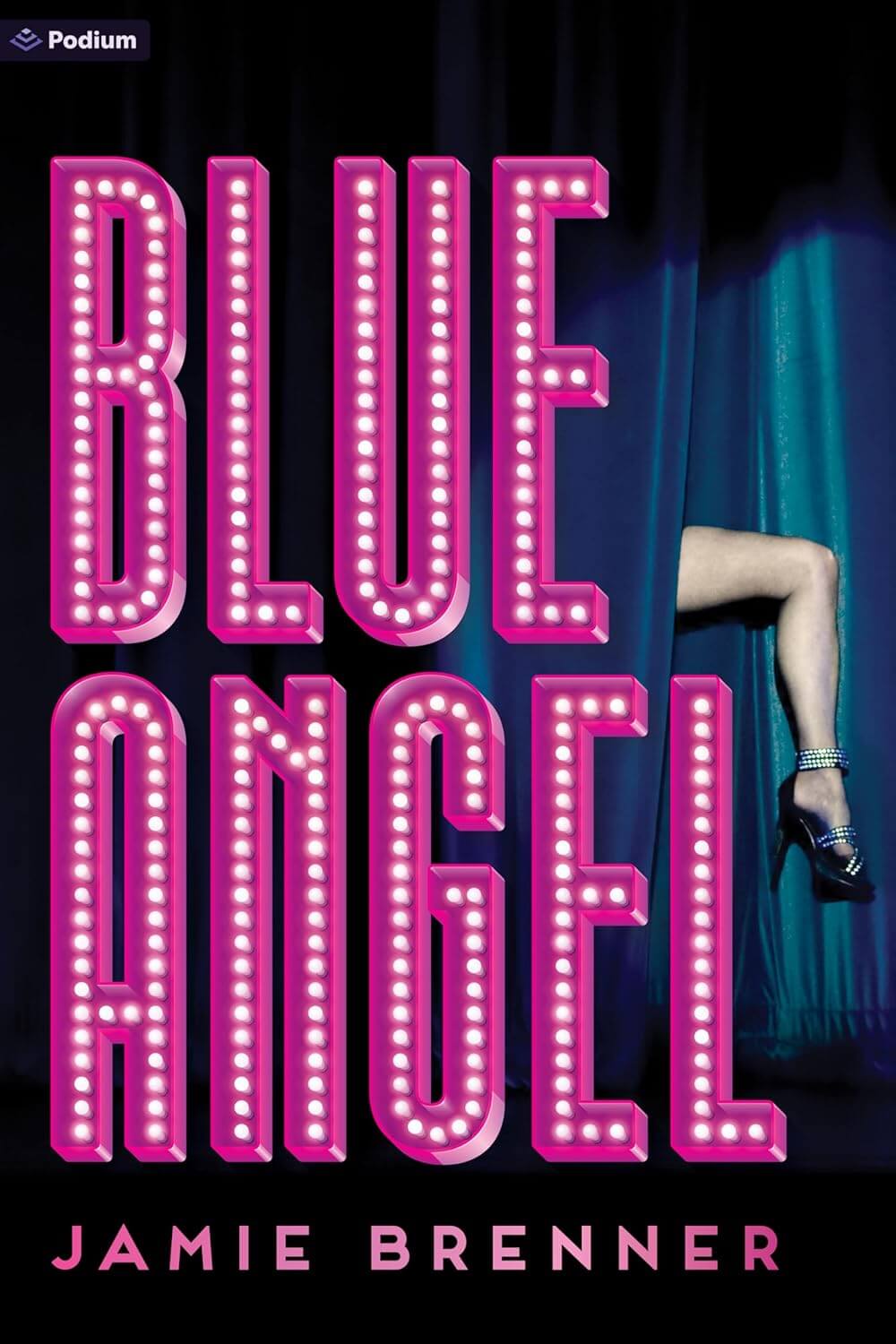
Blue Angel by Jamie Brenner
Mallory has lived a steady existence. Her job, boyfriend and sex life are all perfectly predictable until her boyfriend proposes a threesome. When they venture to a burlesque club and she’s pulled onstage by the star, her world is upended by a dazzling cascade of secret parties, striptease and private shows.
Buy the book now: Bookshop.org | Amazon










Leave A Comment