

A writing career is rarely linear. Authors change, their readers change, the publishing industry changes—every piece is ever evolving. For writers wanting to build a lasting career, longevity doesn’t necessarily mean sticking to one formula. For many, it means being willing to grow while still maintaining the elements of your writing that keeps readers coming back.
Some of today’s biggest authors have built careers by doing exactly that. From changing genres to tapping into new audiences to taking different approaches to publishing, we’re breaking down some of the most well-known authors and how they have evolved throughout to create a legacy they should be proud of.
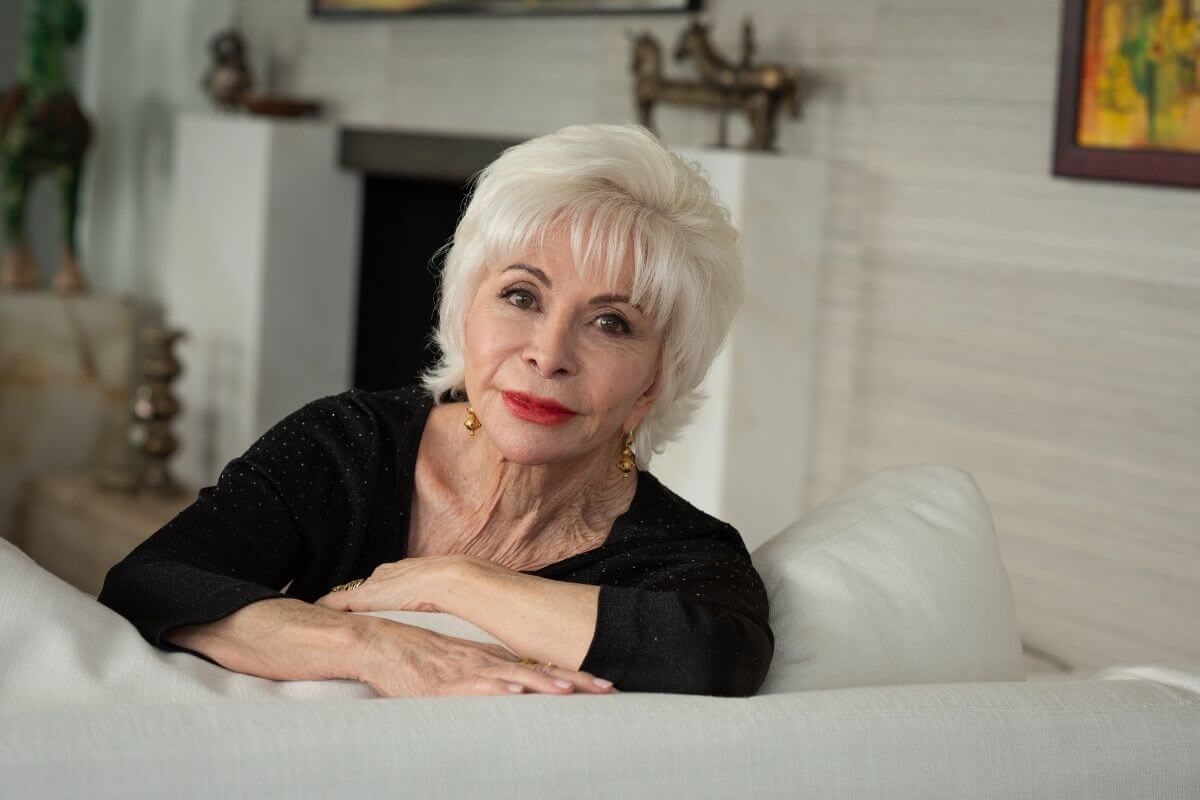
Isabel Allende
Isabel Allende began writing The House of the Spirits in 1981, while living in exile in Venezuela, after learning that her grandfather was dying. The letter she began writing to him eventually became her first novel, published in 1982, and established Allende as an internationally recognized author despite having been rejected by multiple Latin American publishers.
Over the following decades, Allende has written everything from historical fiction, contemporary stories, memoir, short stories, and children’s literature. Her books have been translated into more than 42 languages and have sold more than 77 million copies worldwide, and she isn’t planning on slowing down any time soon.
The takeaway: You don’t have to write the same kind of book forever. Your genre and interests can change while the themes that matter to you stay at the heart of your work.
Nora Roberts
This list wouldn’t be complete without looking at Nora Roberts—an author who has made herself a household name through all of her hard work. She published her first novel, Irish Thoroughbred, in 1981 and has since published more 225-250 novels (in under different pseudonyms), with more than 500 million copies of her books in print.
But Roberts’ career hasn’t simply been about producing a large quantity of books. She began primarily writing romance novels—she wrote 23 novels between 1982 and 1984 alone—before moving into romantic suspense. In 1995, after moving to Putnam, the publisher company realized they weren’t going to be able to keep up with her high-volume output, so they suggested a second pseudonym. Thus J.D. Robb was born. Under this name, she wrote romantic suspense and her futuristic science fiction police procedurals, which became the hugely successful In Death series.
The takeaway: Consistency matters. Roberts has built a decades-long career by continuing to write and publish—even if it’s under different pen names.
Jodi Picoult
Jodi Picoult has been publishing novels since 1992, and her story showcases just how much an author’s interests can change over time. Her books have covered everything from family and relationships to medical ethics, race, religion, reproductive rights, and other difficult topics. She’s also written historical fiction, young adult, comic books, and has even co-authored projects with Samantha van Leer and Jennifer Finney Boylan.
Although her subjects change, Picoult tends to focus on the same overarching topic in a lot of her work: how people make difficult decisions and how those choices affect themselves and their loved ones. Her career is a good example of following what interests you while keeping what makes your writing yours.
The takeaway: You can change what you write about while staying true to what interests you as a writer.
Lisa Jewell
Lisa Jewell’s career is a great example of a writer whose career changed throughout her life. While working in fashion, the British author took a creative writing course that sparked her interest. After a dinner bribe from a close friend, she published her debut novel, Ralph’s Party, in 1999, which became a major success in the UK. From there, she began to write romantic comedies and contemporary fiction.
It wasn’t until 2015 when Jewell made the switch to thrillers when she published The Girls. Though she did have some transition books that set her up for success as a psychological thriller author, that book is the one that is widely viewed as her first, and it quickly became the beginning of a brand new career, despite having been an author for over a decade already. Since then, she has sold the film rights to two of her novels, and has received multiple awards for her thrillers.
The takeaway: Sometimes evolution means changing genres, not starting from scratch.
Rebecca Yarros
Rebecca Yarros is a more recent example of an author whose career changed dramatically after years of consistent work. She published her debut, Full Measures, in 2014 and has spent years building a backlist of contemporary romance, military romance, and other stories before her biggest novel yet, Fourth Wing, arrived in 2023.
Though she had found a large fanbase with her other novels, the success of the Empyrean series introduced her work to an entirely new audience and expanded her career into romantasy. Following the success of Empyrean, she has now found herself involved with major adaptation opportunities, including the upcoming Amazon MGM Studio’s’ Fourth Wing television series.
What’s interesting about Yarros’ story is that Fourth Wing wasn’t actually the beginning of her career. She had been publishing for almost ten years before she found new readers that helped skyrocket her career.
The takeaway: A career can look “overnight” from the outside when there are actually years of work behind it.
Emily Henry
Emily Henry may be the newest author on this list, but she is a romance staple to many for a reason. She published her debut, The Love That Split the World, in 2016, followed by several YA novels—one of which was even science fiction. It wasn’t until 2020 when she made the jump to adult romance with Beach Read that she saw a shift in the trajectory of her career.
Since then, she’s built an enormously successful run of adult novels, including People We Meet on Vacation, Book Lovers, Happy Place, Funny Story, and Great Big Beautiful Life. Nearly every one of her books have also expanded into film and television adaptations.
Her years writing YA gave her time to develop her voice and give her insight into the industry before making a major shift. In fact, Henry stated in an interview that she’s glad Beach Read wasn’t her debut, because the experience of writing and publishing her earlier books helped prepare her for her career.
The takeaway: You don’t have to have it all figured out with your first book. Your career can grow and change as you do.
What These Careers Have in Common
These authors have taken very different paths, but that’s arguably the biggest lesson: there isn’t a one-size-fits-all shortcut to longevity or legacy. Some have changed genres while others have had one successful book launch them into an entirely different level of publishing.
What they have in common is movement. None of these careers stayed exactly where they started. A longstanding career doesn’t require you to know exactly what you’ll end up. It just requires you giving yourself enough room to grow.





Leave A Comment