

Jennifer Shoop (@magpiebyjenshoop) is the creator of Magpie, the literary lifestyle publication and platform that inspires women to live thoughtful, well-curated lives, inviting self-discovery. Magpie features a daily blog with an engaged readership covering a wide range of lifestyle topics, including motherhood, friendship, love, literature, and beyond. Jennifer holds an advanced degree in literature from Georgetown University and resides in Bethesda, Maryland, with her husband and two children. To learn more please visit www.magpiebyjenshoop.com
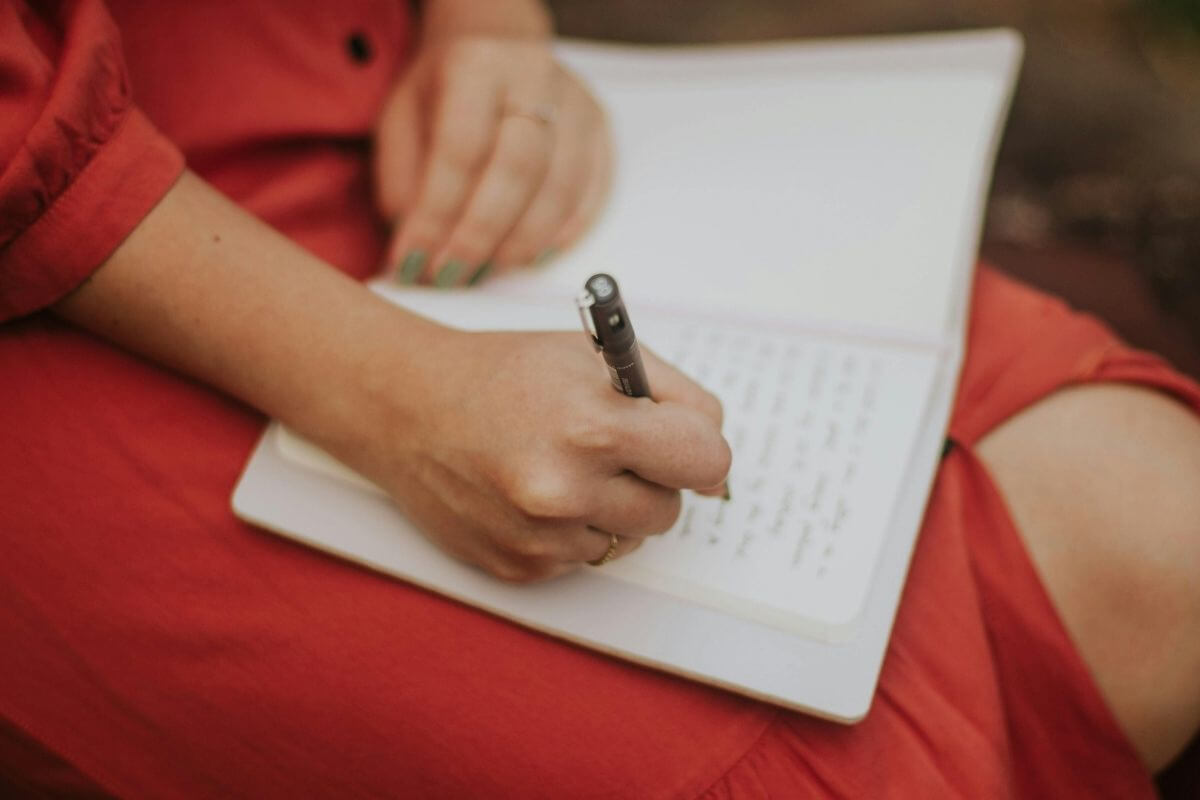
In February of last year, I signed a contract with a publisher to write my first book. I had a short timeline for writing the manuscript, and – while I have always been ritualistic about writing – found myself teetering on the shamanic with the deadline looming. My desired conditions for writing were specific: I had to write in the morning, with only natural light streaming in through the windows; I had to wear my noise-canceling headphones; I had to listen to a specific playlist (title: Jo March Energy). I permitted no open tabs on my Mac, and cleared my desktop of everything but a notebook and a black 0.3mm pen. It had to be just me and the blank page in an empty screenscape, tete a tete. Most importantly, I had to read something short and inspiring first.
Reading before writing is the equivalent of stretching before exercise. It limbers the mind; it pronates us toward what we are about to do. It draws us out of the language of the day – where terms like “deadlines,” “hope this email finds you well,” and “washing machine manual” parse the hours – and into the realm of metaphor and meter, where we find ourselves able to dress what we see in language that burnishes, or provokes, or soothes, or does whatever else we want it to do. That brief intake before putting pen to paper primes us for the task at hand.
The books that I find most generative in my pre-writing process are almost all poetry. This is in part because a poem tends to be brief and self-contained, and can be approached with almost no preamble or context. I love to flip open to a random page of an anthology just to see what the scansion gods have in store for me on a random Tuesday morning. (They’ve never once left me hanging!) But I also favor poetry because it demands a patience with language we don’t need in such extremity in other mediums. We must pause at every term, every line break. We must hold the stanza up to the sky to let the light through, then turn askance and consider a different way. We must let possible interpretations spill across the table like milk, and then wait for the meaning to emerge. In turn, I find myself more creatively flexible – my mind ready to chase multiple leads – and at the same time more careful with my own word choice. There are a few other non-poetry books, essays, and book sections that I find helpful when revving the creative engine as well. Some of these are essay collections, others are simply structured in ways that make it easy to jump into and out of. I’m sharing these, along with my favorite poetry collections, below:
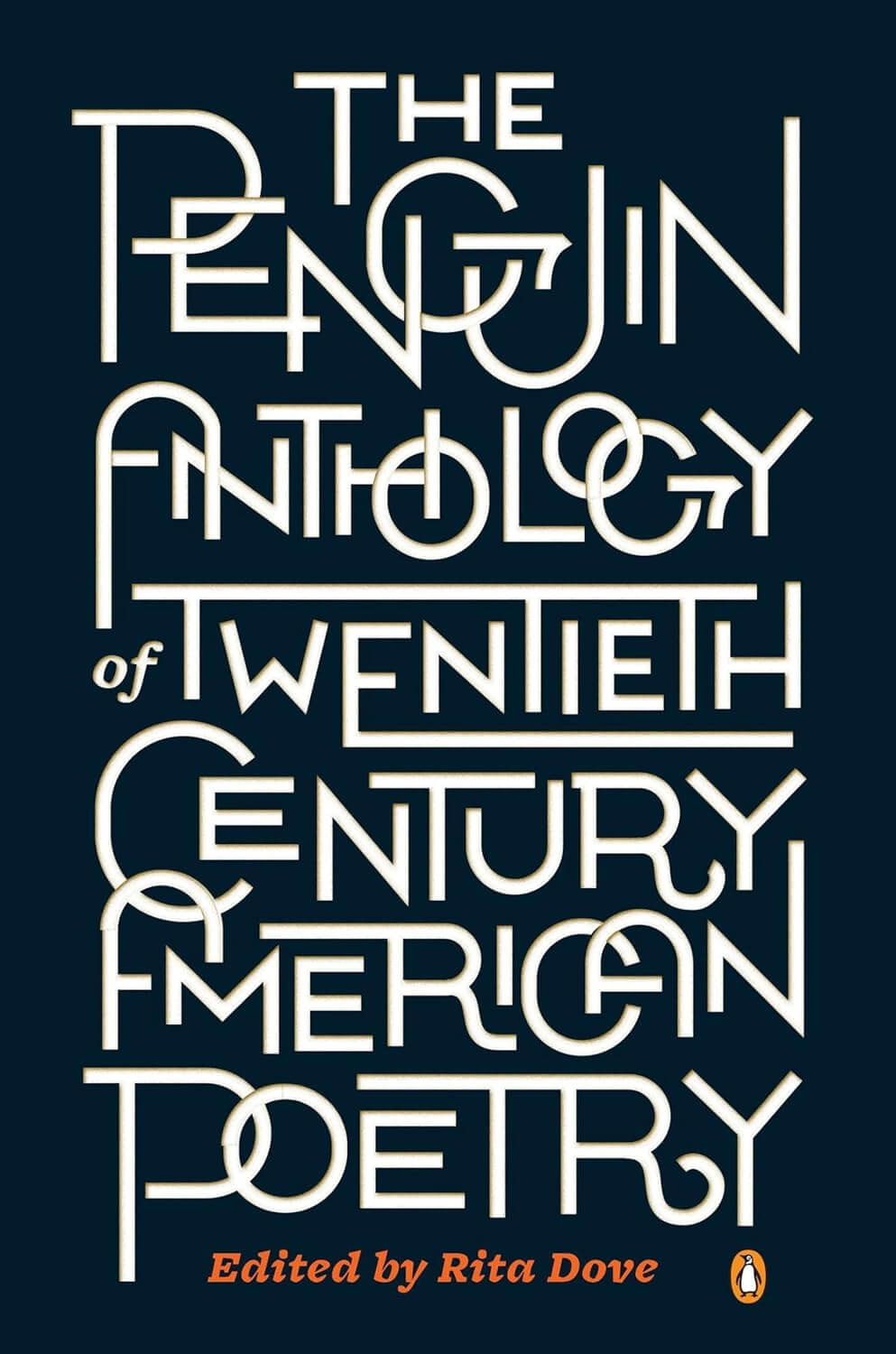
The Penguin Anthology of 20th Century American Poetry by Rita Dove
An incredible compendium of American poetry, edited by the lustrous Rita Dove. (She taught at UVA while I was there, and I always feel a completely unwarranted kinship with her because of that unfulfilled path-crossing. Her poem “Dawn Revisited” is one of my absolute favorite stand-alone poems for creative motivation.)
Buy the book now: Bookshop.org | Amazon
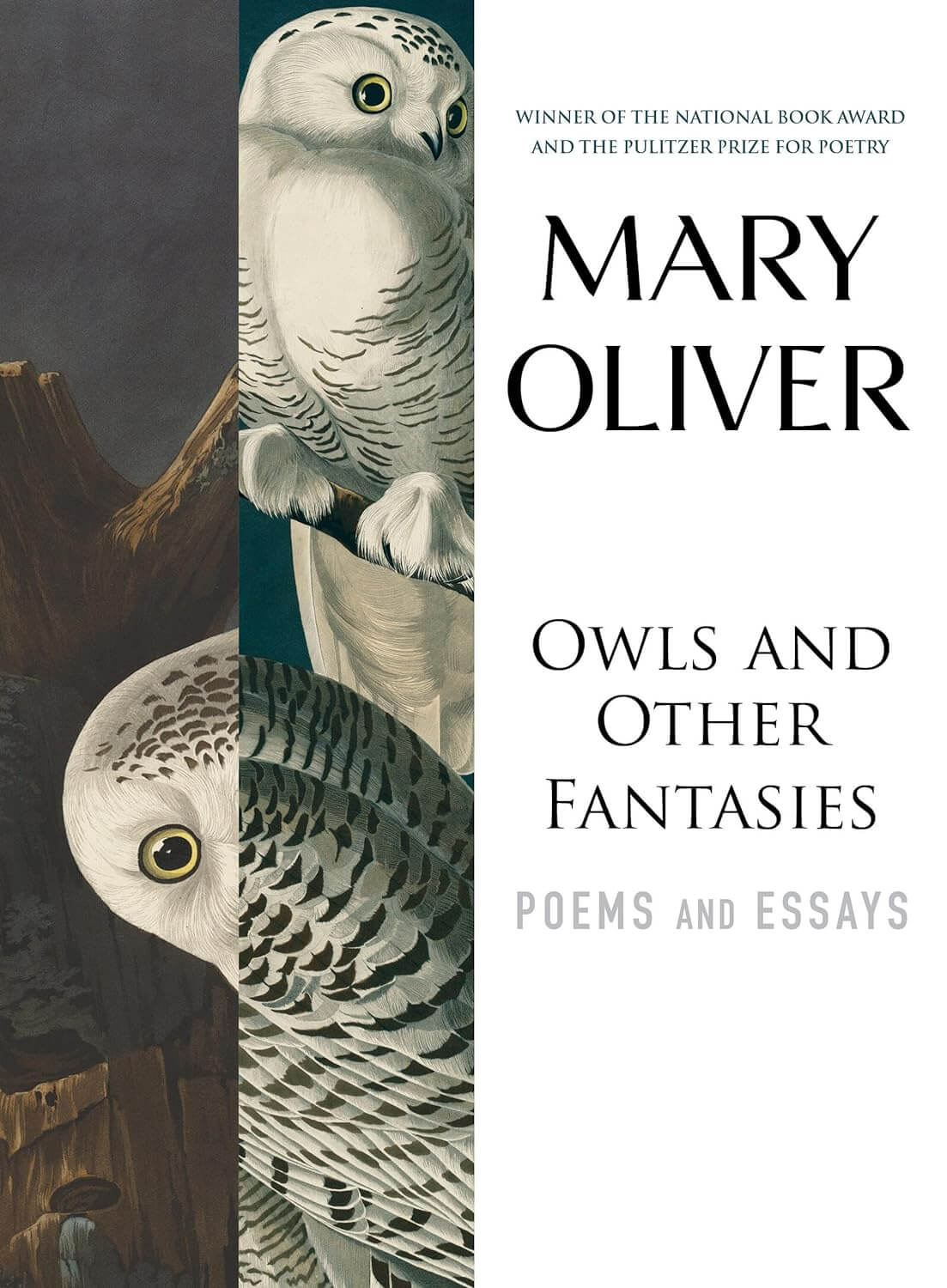
Owls and Other Fantasies by Mary Oliver
I’m a disciple of Oliver and own many of her poetry books. This is my favorite, and it includes some short essays, too. Oliver often writes about writing, which invites additional clarity when putting pen to page.
Buy the book now: Bookshop.org | Amazon
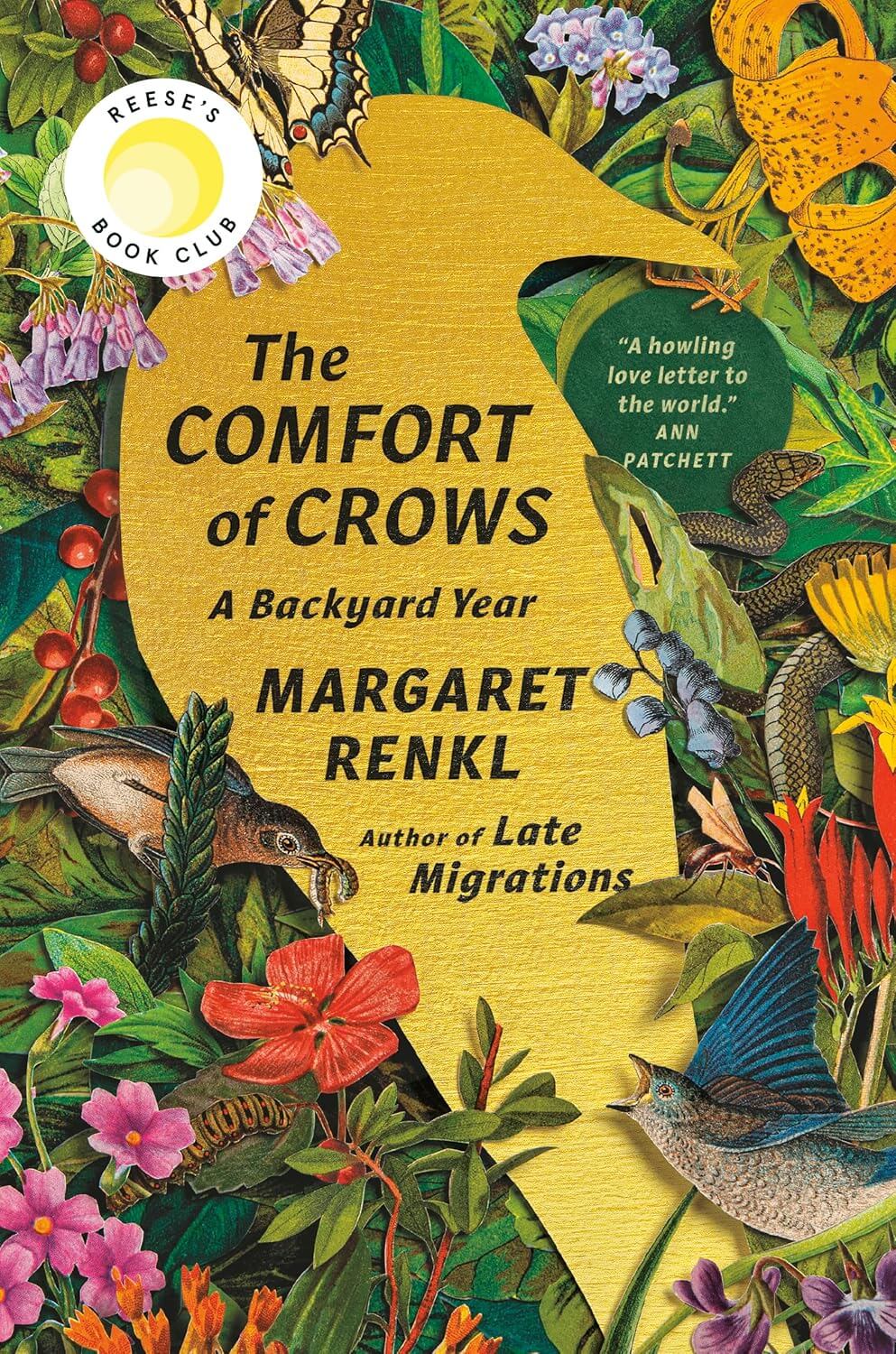
The Comfort of Crows by Margaret Renkl
Brief, naturalist writings that map to the seasons. It’s gorgeous to read contemporaneously with the time of year you’re in, connecting you in a unique way to the calendar, to the right-here-and-right-now.
Buy the book now: Bookshop.org | Amazon
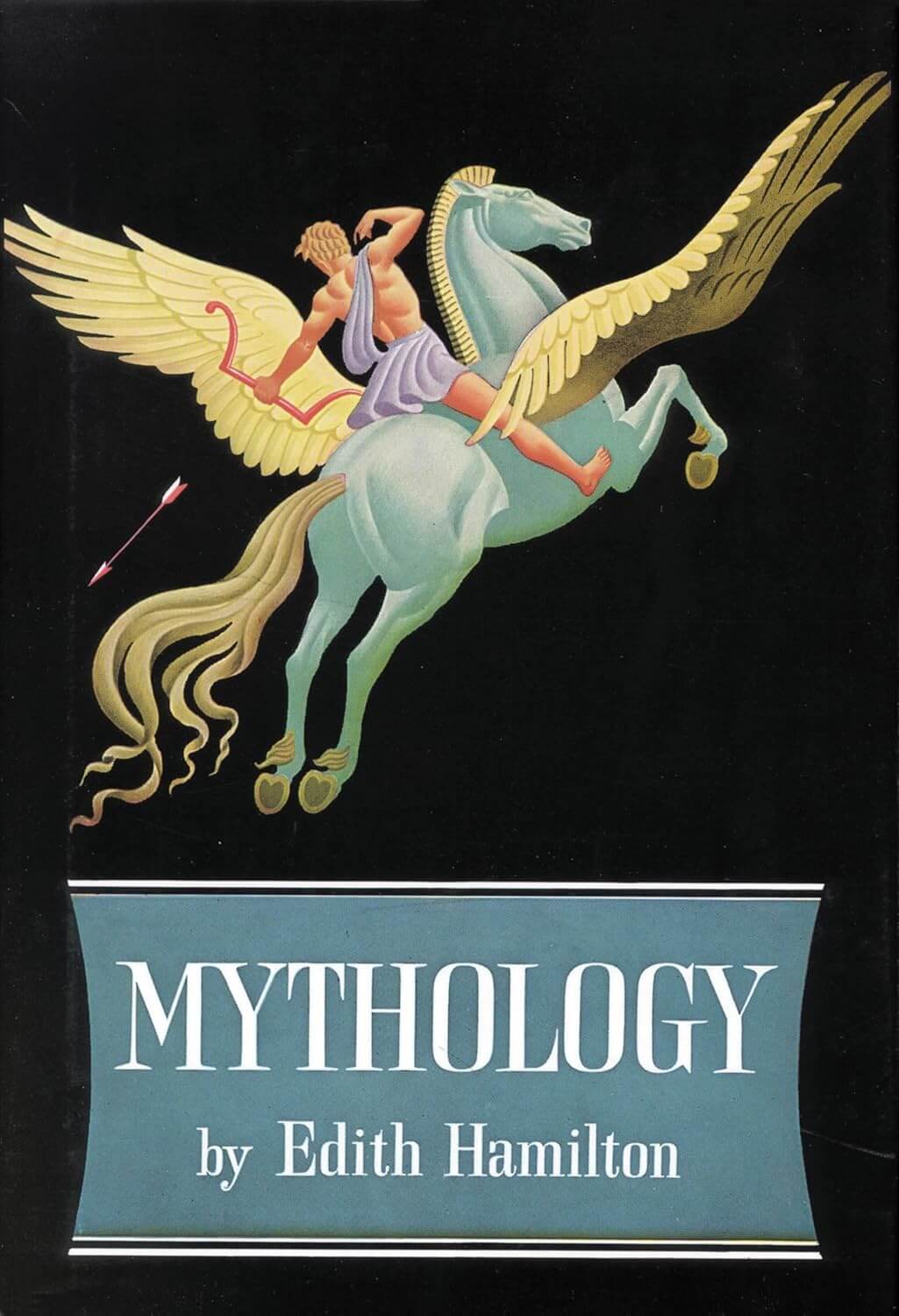
Mythology by Edith Hamilton
Technically a guide to, or ledger of, the major stories of the Greek gods, but it reads like the punchiest, most poetic fiction you’ve ever read, and it gets at the underlying shapes of human triumph and failure. I find myself drawn to concision after reading this – helpful for someone (like myself) prone to overexplication.
Buy the book now: Bookshop.org | Amazon
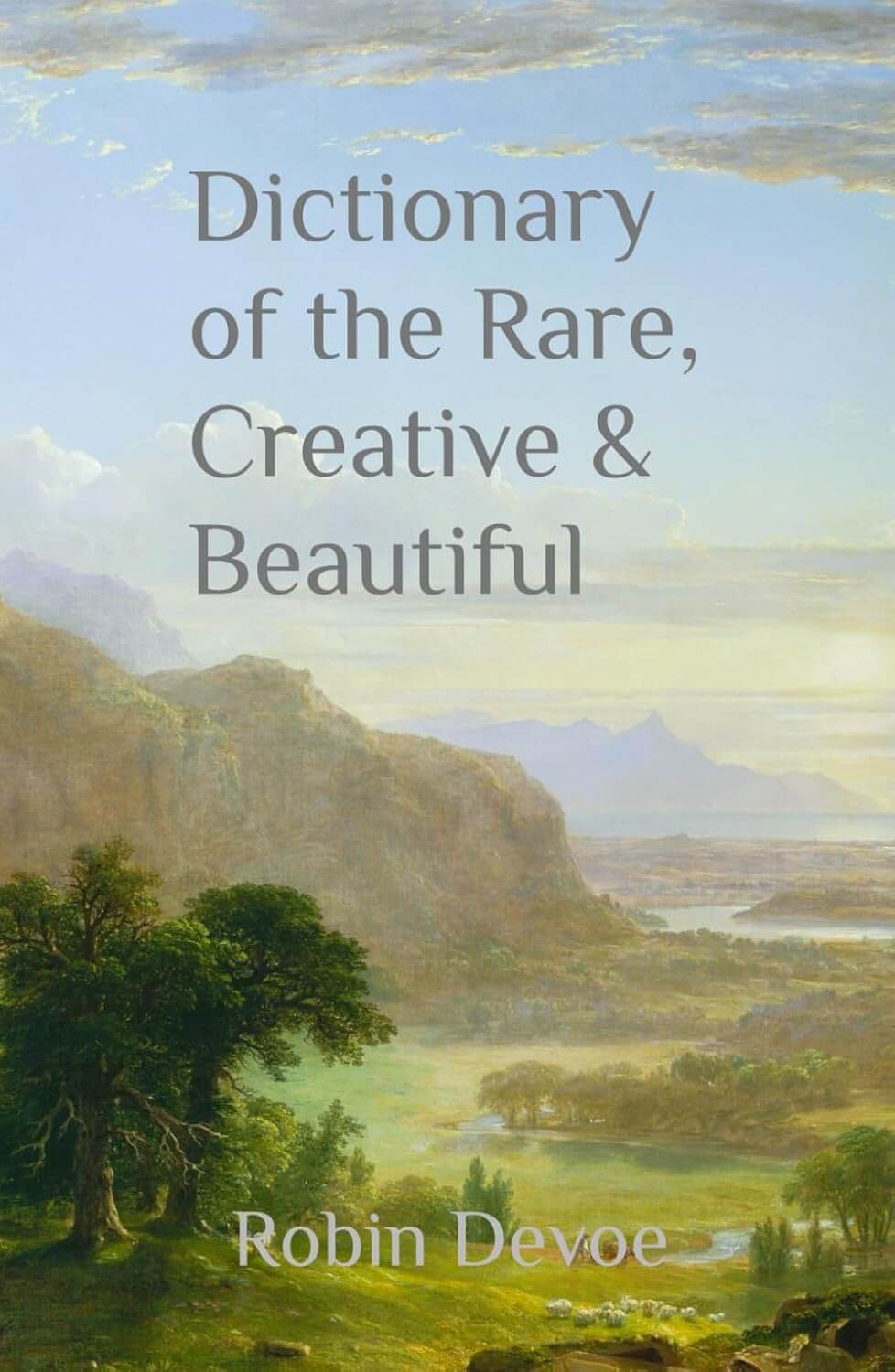
Dictionary of the Rare, Creative, and Beautiful by Robin Devoe
Open to a random page and read a couple of entries. You’ll find yourself captured by the musicality and evocativeness of obscure terms. Pick one and write about it. Shockingly generative!
Buy the book now: Bookshop.org | Amazon
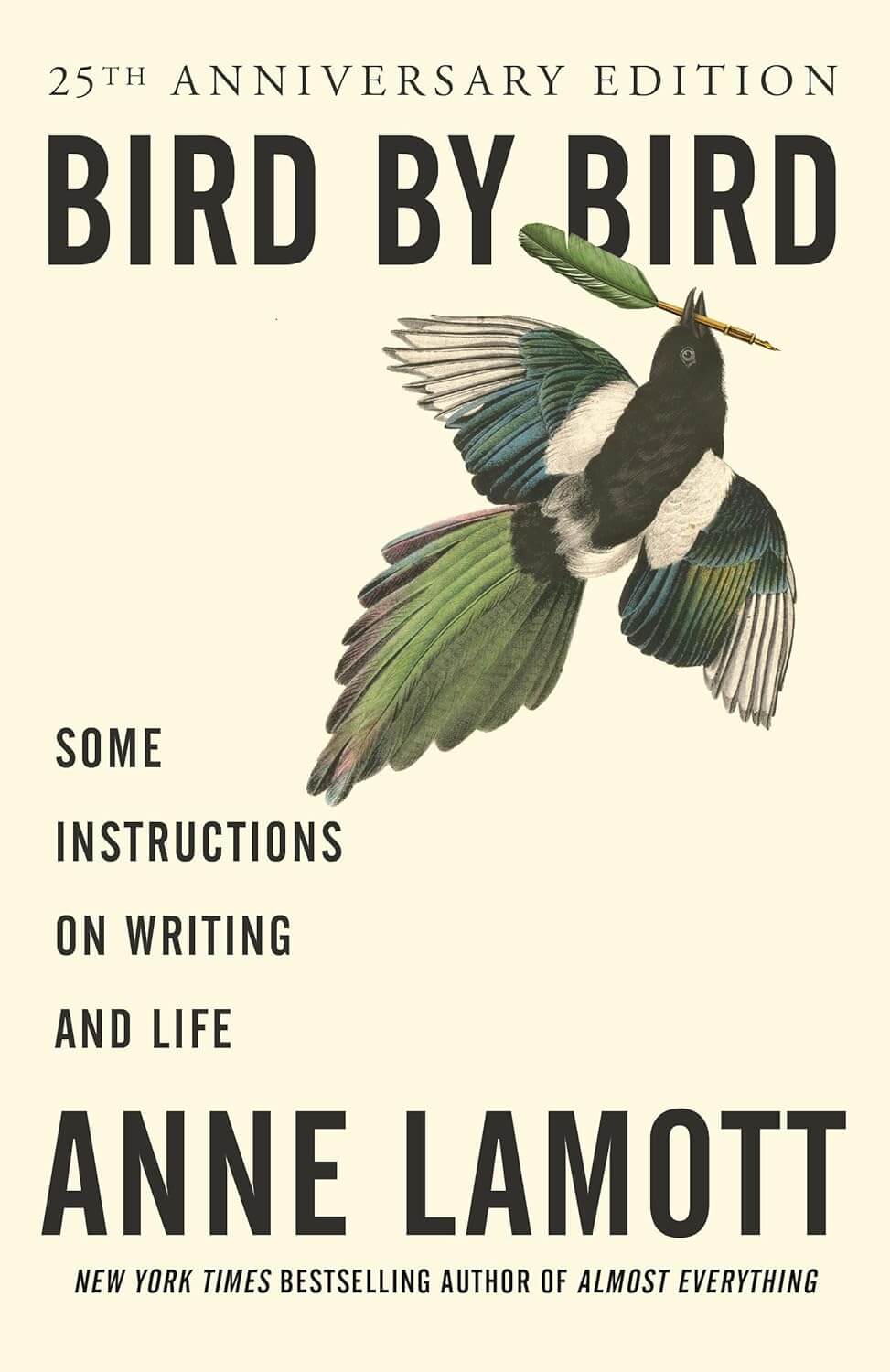
Bird by Bird by Anne Lamott
This is life advice disguised as writing advice, and deeply instructive not only in what she’s saying but how she says it. There is never a stray cat word in her crisp, clean-line writing.
Buy the book now: Bookshop.org | Amazon
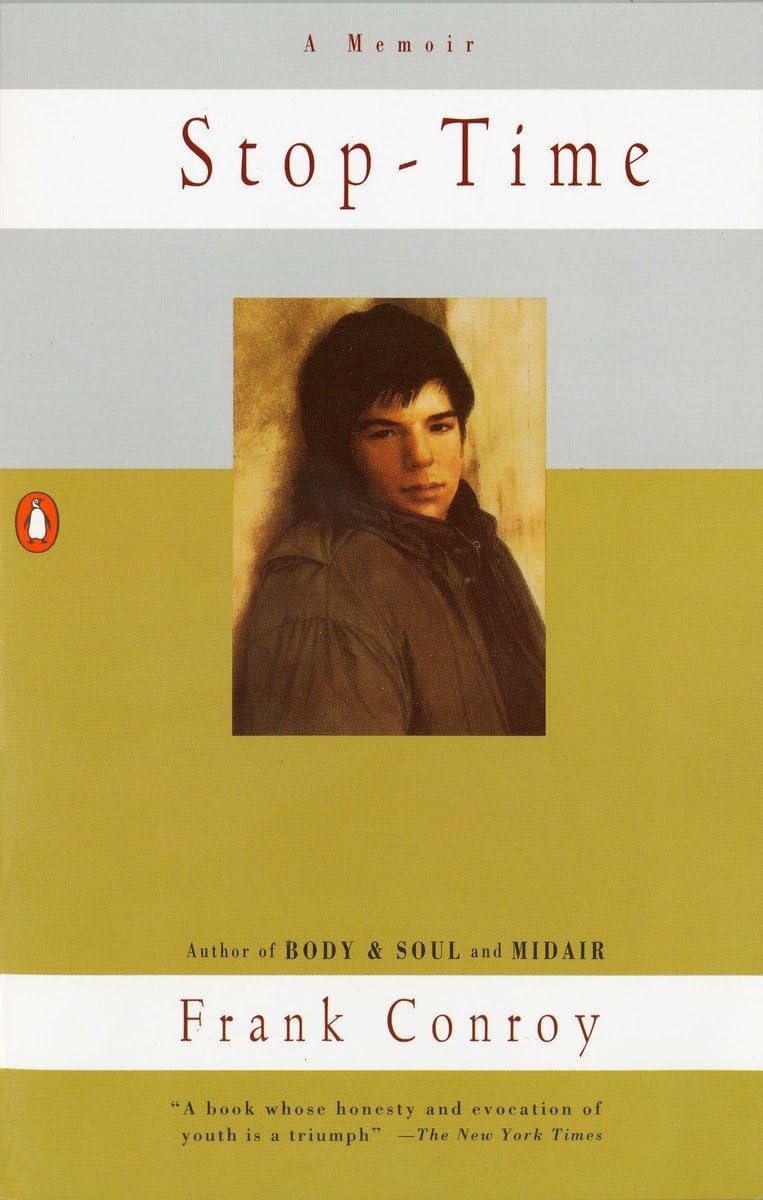
Stop Time by Frank Conroy
Just the “Prologue.” I once read that one of my favorite essayists, Suleika Jaouad, reads this when she needs a creative quickstart, and I’ve followed suit. It works. I am the same way about two other stand-alone essays: Seamus Heaney’s 1995 Nobel Lecture, titled “Crediting Poetry,” spectacular writing about the purpose of writing, and Patti Smith’s 2016 essay for the New Yorker, titled “How Does It Feel,” which is all about creative failure and resilience – themes every writer lives out on a daily basis.
Buy the book now: Bookshop.org | Amazon
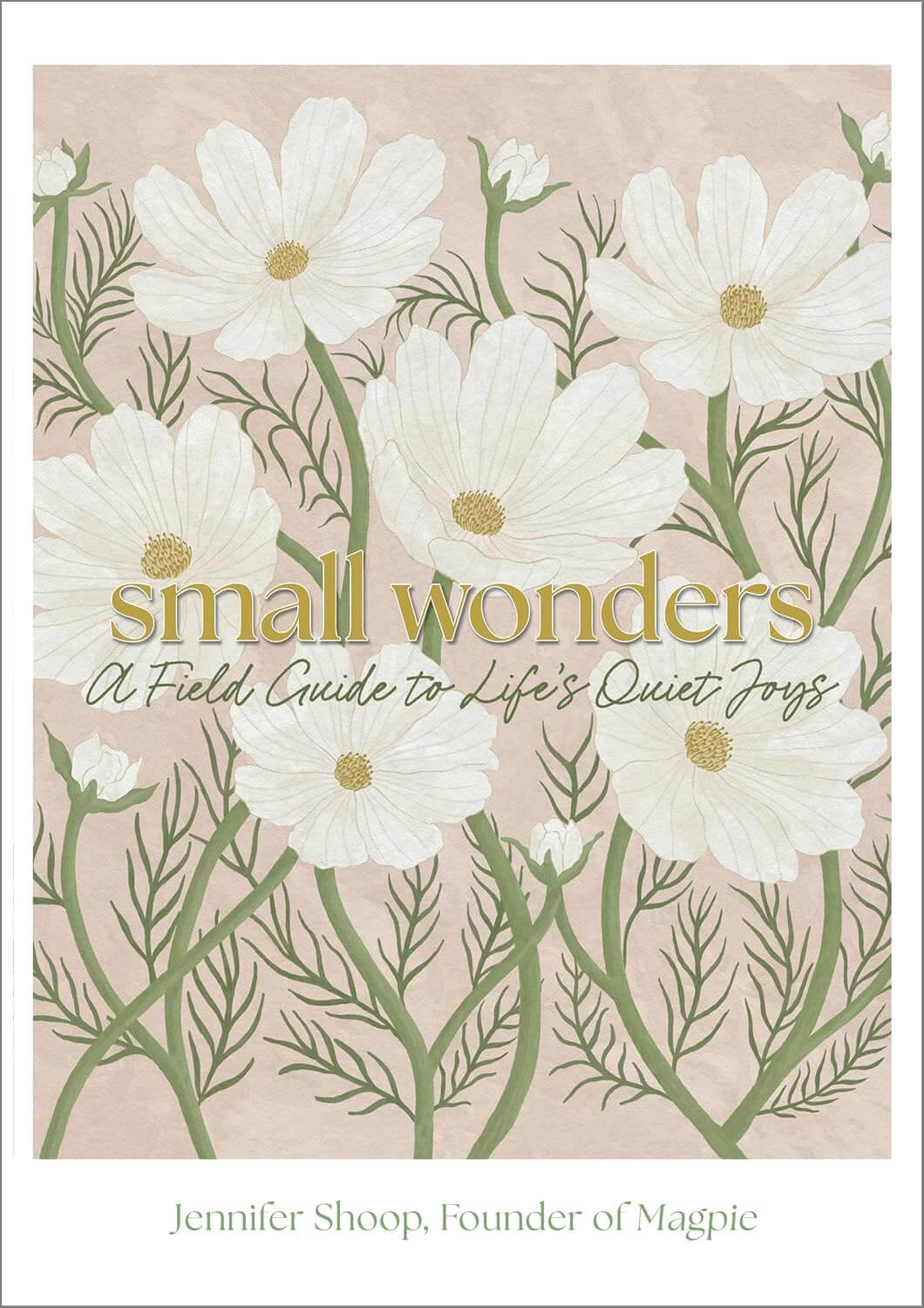
Small Wonders: A Field Guide to Life’s Quiet Joys by Jennifer Shoop
Small Wonders: A Field Guide to Life’s Quiet Joys is a beautifully illustrated collection of prose and poetry that encourages readers to slow down and appreciate the quiet joys hidden in everyday life. Through reflective writing and dreamy photography, Jennifer Shoop celebrates small moments—like long phone calls, fireflies at dusk, and treasured hand-me-downs—that often go unnoticed in busy daily routines. Warm, calming, and deeply comforting, the book serves as both a gentle reminder to pay attention and an invitation to find meaning in the ordinary.
Buy the book now: Bookshop.org | Amazon












Leave A Comment