
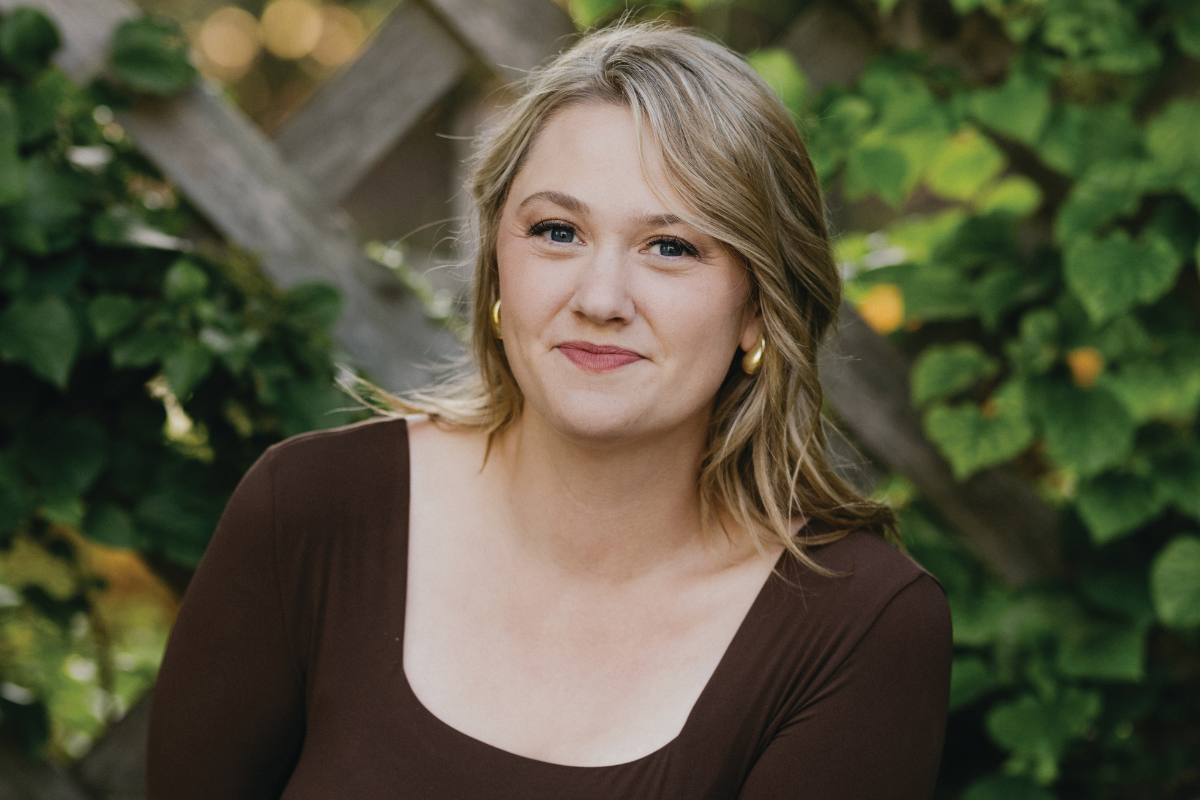
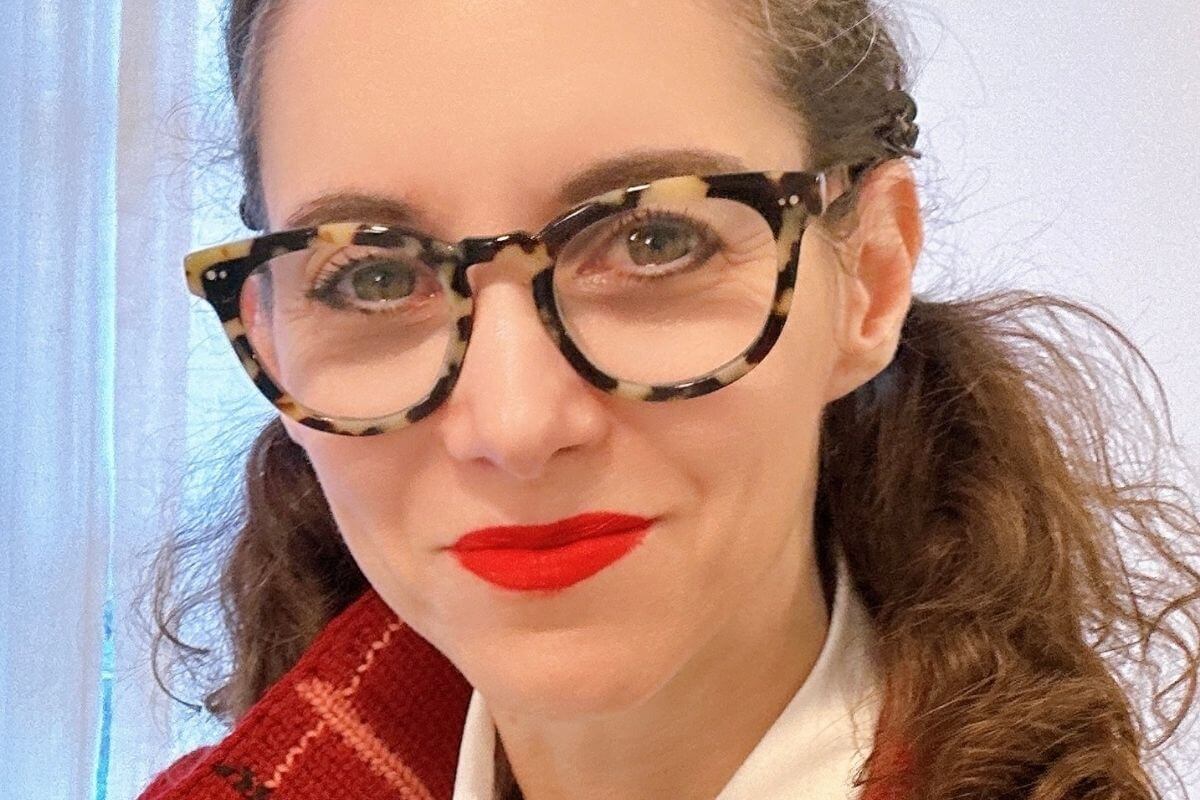
Claire Swinarski was born and raised in Wisconsin, where she still lives with her family and writes stories for readers of all ages. What Happens Next was her debut middle grade novel and was followed by The Kate in Between and What Happened to Rachel Riley, which was an ALA Notable Children’s Book, a YALSA Best Fiction for Young Adults title, a Cybils Award nominee, and an Edgar Award nominee. These were followed by Take It from the Top and Each and Every Spark. Claire believes wandering around a library can solve 95 percent of life’s problems.
There are careers where almost every day is a win. Scooping ice cream, for instance, or delivering the mail. Your ego is almost never crushed and a successful career is straightforward to achieve.
Writing is not one of those.
Every single writer understands that rejection is part of the game. In fact, it’s a huge part—nearly every writer has stories a mile long about their bumpy ride to publication.
If you want my bonafides, I queried around 75 literary agents to receive 3 offers of representation. My first middle grade novel, the one that secured that agent, did not sell after being sent to 30 editors. My next middle grade novel, which did sell at a four-house auction, was also sent to two dozen editors who said “no, thank you”. When it came out in May 2020, it was to crickets.
I’ve been fortunate enough to publish many more books, but my career is still full of rejection. I have authors saying no to co-hosting events; I have conferences saying no to my event pitches; I have editors saying no to new projects. I hear no far more than I hear yes, nearly a decade into this career.
But rejection is the name of the game. It has weeded out thousands of incredibly talented writers whose prose could sing but whose egos couldn’t handle the brutal reality of hearing no, no, no. To have a talent with words is one small part of the writing life. To have the emotional health that can handle seemingly unending defeat is just as foundational.
But what do you do when that rejection comes knocking besides curl in a ball and contemplate your failures? Here are three tricks I’ve found to be helpful.
Feel your feelings, then shake them off.
Burying your feelings does absolutely no good for your creative process or your mental health. Give yourself a set amount of time to feel like garbage. Depending on the rejection, this could be as short as ten minutes for something like a query letter or something like four hours for something like a horrendous book review. Think all of the worst, garbage-pail thoughts that float into your brain: I am terrible at this. My narcissistic father was right. I am a stereotypical loser. My life is doomed. I should become a receptionist at the dentist’s office—I wonder what the healthcare benefits are. Get yourself your favorite fast food or treat and sail away to Love Island. Just be an absolutely self-indulgent scrub for that set time period. But when that time period is over, hop back up and immediately a) move your body and b) do something that practically advances your goal. Think: a short run followed by another query to an agent. A bike ride followed by a half hour of tweaking your manuscript. A swim followed by reading a couple of chapters of your favorite book on the craft of writing. Something to get yourself out of the negative feedback loop and into the positive one.
Read negative reviews of your favorite books.
Stay with me, here. You know that book that changed your life? The one that you think about in the middle of the night and physically wince because you know you’ll never write anything as amazing? That book that became one of the building blocks not just of your creativity, but of your life? I know you have one because all writers do. That book? That life changer? Someone hated that thing. Someone thought it should have been used to paper a bird cage. And they’ve probably said so, loudly, on the internet. This isn’t a way to just alleviate your envy and think bad thoughts about a beloved author. It’s a way of reminding yourself that this entire process is ridiculously subjective. Just because someone didn’t like your book doesn’t mean it couldn’t change someone else’s existence.
Get a life.
That sounds harsh, but I’ve found that far too many writers make writing their entire identity. All of their friends are from their critique groups; all of their hobbies include the written word; all of their weekend activities are attending author events at the library. Having things that bring you fulfillment that are completely disconnected from your writing is absolutely key to staying sane. I love baking, personally; it’s not because I have any real talent, but because it brings me happiness to both knead bread dough and eat delicious bread. Most of my friends have absolutely nothing to do with publishing—I’ll never forget sobbing to a friend about a negative Kirkus review on the phone and her gentle response being I’m so sorry, Claire…um, can you remind me though, what is…a Kirkus? It reminded me that publishing is a tiny slice of this big old world. To paraphrase the great Carrie Bradshaw, patron saint of neurotic women writers: It’s what you do. Not who you are.
Writing is more failure than acceptance. It’s more rejection that reception. It will weed out the people who aren’t able to hang in there, mental health mostly intact. If you don’t find a way to keep dancing through, the world will miss out on your unique voice. And in a universe of AI slop, we need your real, true, human voice more than ever—bruises and all.
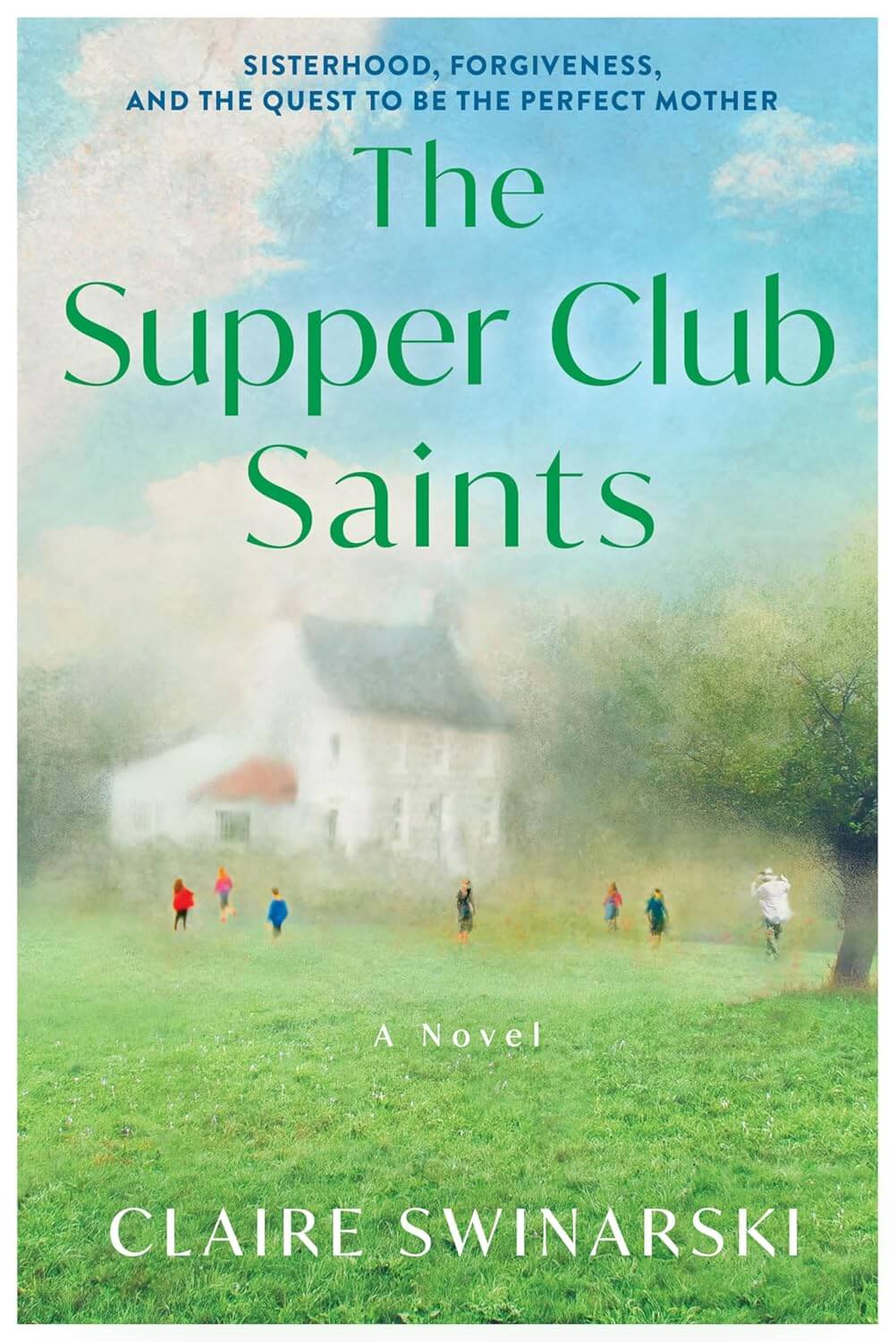
The Supper Club Saints by Claire Swinarski
After escaping a cult-like parenting community and a toxic online influencer world, Cass Simon returns to her small Wisconsin hometown searching for stability and answers about motherhood. Reunited with the strong-willed women in her family, she’s forced to confront old wounds, changing relationships, and the complicated ways each of them defines being a “good mother.” Heartfelt and emotionally layered, the novel explores family bonds, forgiveness, and the messy reality of starting over.
Buy the book now: Bookshop.org | Amazon








Leave A Comment