

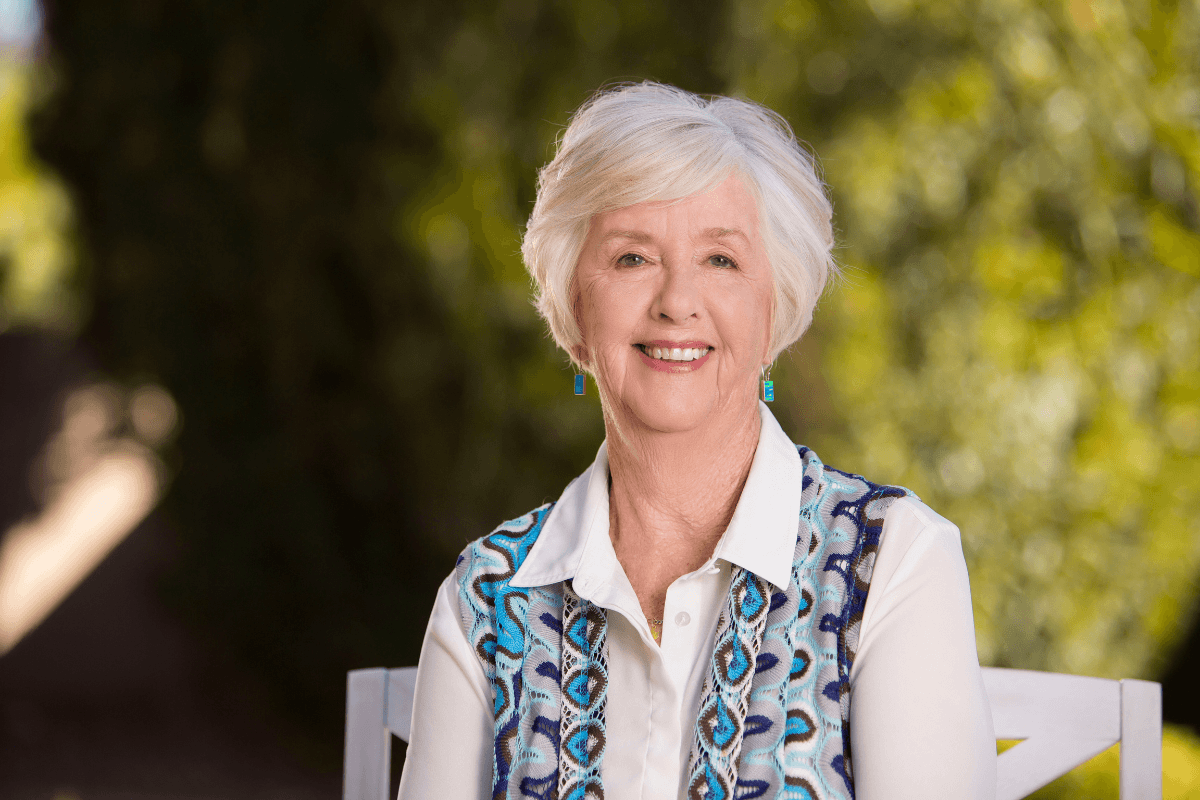
Ela Thier is a writer, director, and producer, living in New York City. She’s the Founding Director of The Independent Film School and author of “How To Fail As An Artist, My Best Tips.” Visit TheIndependentFilmSchool.com for your copy. Thier’s films include Tomorrow Ever After and Foreign Letters. She recently completed 109 Billion Followers, starring Oscar-winner J.K. Simmons and Tony-winner Nina Arianda. She currently has several films in development with notable attachments. In addition to her career as a filmmaker, Thier has guided thousands of writers, actors, and directors through creative breakthroughs and the building of sustainable artistic practices. She is known for building a bustling creative community focused on connection rather than competition. How to Fail as an Artist: My Best Tips is her first nonfiction book, and draws on five decades of lived experience as a working artist.
How to make pass letters and rejections irrelevant to your career
I’ve received enough pass letters–rejections in the film industry–over the years to wallpaper New York City. The “failures” led me to write and direct numerous award-winning films, and build a bustling film school. How did I do the work despite an avalanche of no’s? I’ve identified six phases that I’ve gone through as a filmmaker in my relationship with industry gatekeepers.
Ducking the gatekeepers (my childhood)
Everyone’s first gatekeepers are their parents or caretakers: “Sit straight. Don’t eat with your hands. Don’t get your shirt dirty. You can’t have a sleepover on a school night.” And on and on.
I was fortunate in that I was a third child to a single mom, so adult supervision was out the window. I figured out that adults are way too scared and risk averse to do anything that’s any kind of fun, so I learned not to ask. Anything that shook adults from their sleepy stupor was going to upset them. (Look mom! I can make a sculpture out of spaghetti!) I learned early on: Do first, get in trouble later. It’s gonna be worth it.
The “little ol’ me” phase (my twenties)
In this phase of my career, I was looking for the Great Wizard who would make it all happen. If I just wrote a good enough script, I would get discovered and the rest would be history. I chased that mythical producer who would swoop in and change my life. With every query letter, pitch fest, competition, meeting, I would show up small – hat in hand, hoping to be chosen. The gatekeepers were the big kids. Will they let me play with them?
The “I don’t like you either” phase (my thirties)
In my early thirties, I wisened up to the fact that the Great Wizard is a hapless dude behind a megaphone. I still had to play ball though, if I wanted to make films. So I doubled down–more query letters, pitch fests, network, follow up, rinse repeat. I went at the hustle hard. It all led to absolutely nothing.
By my late thirties, I felt done. The film industry and I broke up. (Fine, it didn’t know we were in a relationship, but still!) I stopped waiting and began making films with whatever sticks, stones, friends, and allies I could find. No-budget and basically-no-budget shorts. Doing the work led me to getting better. Much better. I ended that decade by writing, directing, producing my first feature film, Foreign Letters – a film I’m still deeply proud of.
The “I’M the gatekeeper” phase (my forties)
All those reps didn’t just make me a better writer and director–they made me a better producer. In my forties, I wrote, directed, produced, and starred in another feature, Tomorrow Ever After. It earned a 100% rating on Rotten Tomatoes during its limited (but sold out!) theatrical run and it received rave reviews in major publications. Meanwhile, my film school was exploding with popularity.
That’s when I decided, or rather realized: I’m not walking away from the industry. I am the industry. If they don’t invite you to the table through the front door, don’t go looking for the back door. Set your own damn table, and if they’re lucky, you’ll let them join.
I didn’t care what the budgets of my films were. I decided that I’M the big kids.
The “Fine, I’ll give you a second chance” phase (my fifties)
One turning point was a meeting with the president of Sony Pictures Classics. He loved my film, his entire team loved it. “I’ve never seen a film like it,” he said, then added, “We can’t distribute a film with no one known in it.” This was a crushing defeat. Making a film is like holding up a truck with your bare hands for three years straight. To have done that much work, be met with so much enthusiasm, and then hit a dead end, made me question my choices. It was time to play ball.
In my late forties, I made a u-turn and came crawling back. But this time was different for two reasons:
First: I knew I needed to adopt both approaches. Yes, knock on doors, take those shots, play the game. AND – go make stuff. If the whole of your creative life is centered around the hurry-up-and-wait game, your creativity wilts. So while you hustle, you also have to go out to the park with a friend and a camera – and make stuff.
Second: Knocking on doors was different this time, because I was now a grown up. I had a substantial body of work, and a confidence I lacked when I was younger. I wasn’t begging the big kids to let me play with them. I showed up knowing I had something to bring to the table.
The “We can help each other – and enjoy it” phase (present day)
Part of growing up meant reconsidering this image of industry gatekeepers as fire-breathing dragons. I ceased to view them as adversaries to overcome. The industry is full of good, well-intentioned people who are trapped in a bottom-line system that is, like all industries today, about profits rather than human needs (much less about creativity, progress, or fresh ideas).
Everywhere I look, I see good people wanting to do good work, and being held back either by policies, or by their own fears and insecurities, or all of the above.
In my fifties, after knocking on a million doors (felt that way, in any case) I cracked one open and pulled off writing and directing a feature film with Oscar-winning actor J.K. Simmons. Through this process, I also collaborated with producer Nicholas Tabarrok, who has produced (and financed, and sold!) over thirty feature films.
Nicholas has built a career by building relationships – with industry. He can contact agents, make offers, and be taken seriously. We now have two more feature films that we’re working on together. We each bring very different strengths to the table. He’s not a “necessary evil” that I have to learn to work with in order to play the game. He’s an excellent human being and a collaborator I enjoy.
What if our efforts to package and finance the films don’t come to fruition? I asked him that very question, pointing out that the script is, by design, one that could be produced with any budget – including none.
“Well…” he said… “I could be home and not get paid. Or I can make a movie and not get paid. I’d rather do the latter.”
Turns out that industry gatekeepers are just like you and me. Don’t go looking for a savior. Go looking for friends.
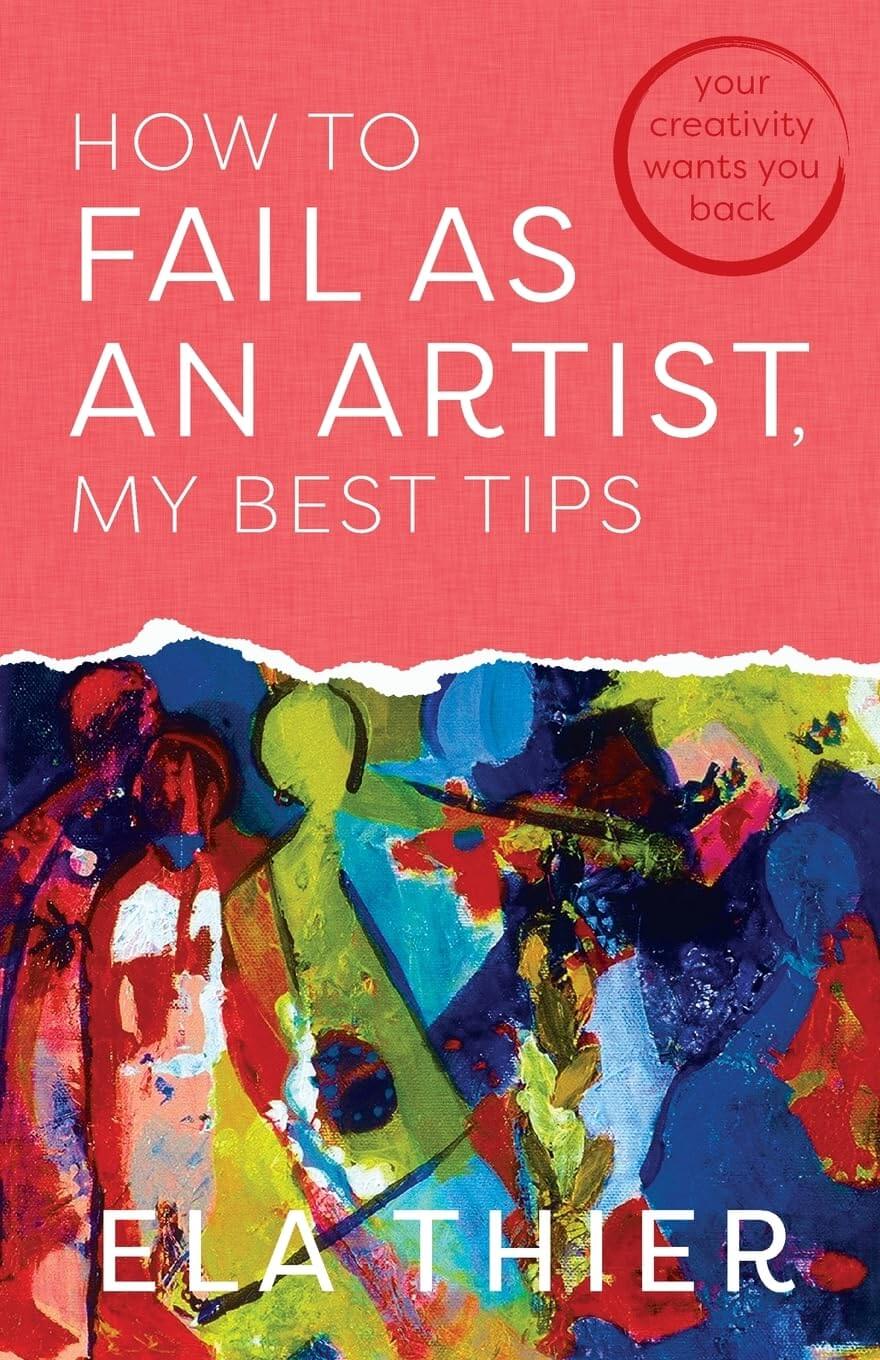
How to Fail as an Artist, My Best Tips by Ela Thier
How to Fail as an Artist, My Best Tips is part memoir, part creative pep talk, and completely honest about the messy reality of pursuing art. After decades of rejection, stalled projects, and battling her own inner critic (imagined as a sock puppet named Mr. Stop), filmmaker Ela Thier reflects on what it really means to keep creating without “making it” overnight. Funny, vulnerable, and refreshingly anti-hustle, the book is a heartfelt reminder that failure and creativity often go hand in hand.
Buy the book now: Bookshop.org | Amazon











Leave A Comment