

Ayana Lage is a blogger and freelance writer with bylines in The Washington Post, Cosmopolitan, Glamour, and more. She has a B.S. in journalism from the University of Florida. When she’s not working, you’ll find her exploring her hometown of Tampa, Florida, with her husband and two children.
Writing a book was never in the cards for me.
Way too much work, I thought. I’m not great at handling rejection, and it sounded like an ego-crushing, unpleasant process. I looked at authors with admiration from afar, marveling at the willpower and talent it must take to commit to the work. Also, I knew how to write, but I didn’t have enough to say to fill a book.
Then, postpartum psychosis found me.
Days after my first child was born, I started to hear voices. Before the delusions started, I’d acted bizarrely, not trusting anyone with my baby but myself and experiencing rapid mood swings, but my husband was torn on which steps to take. It was the height of the COVID-19 pandemic, and we were terrified of exposure to the virus with a newborn baby at home. But once my behavior took a turn, there weren’t any other options. I needed to go to the hospital. The hallucinations began minutes after I arrived at the emergency room. I screamed the name of the doctor who’d just introduced himself, begging for help. Thankfully, they sedated me. When I woke up, I was on my way to the psychiatric unit.
I spent seventeen long days on the ward, and for some time, it wasn’t clear if I’d improve at all. Toward the end, the doctors were unsure that I would be ready to come home anytime soon and recommended a long-term residential psychiatric facility. I got lucky, and the meds started to work. Because of pandemic restrictions, I couldn’t see any of my loved ones during the stay, including my infant. I began to wonder whether she’d even existed. It was only toward the end of my time in the hospital that my heart ached to see her again. I breathed a sigh of relief when I learned I was going home, but the hard work was only beginning.
In the years prior to the psychotic episode, I’d written extensively about my experiences with depression and anxiety. I liked to think of myself as a mental health advocate. But the mental break left me deeply ashamed of the way I’d acted, and I didn’t want anyone to know about it. I instead dove back into work headfirst, turning off my maternity out-of-office responder only three weeks after my release from the hospital. I felt such immense guilt that I’d missed my daughter’s first weeks of life. Not everyone is cut out to be a parent, I told myself.
Write the Book You Want to Read
I started to go to therapy regularly, and I found myself making peace with a lot of the things that’d haunted me. As I healed, I scoured the Internet for postpartum psychosis books and ordered the few I found, feeling disappointed there weren’t more. It hit me that I could change that. Nearly three years after my hospitalization, I wrote about postpartum psychosis publicly for the first time. The response overwhelmed me in a good way.
Five months later, I received an email from the person who’d eventually become my literary agent. She explained that she’d read my writing and thought I had the potential to write a book. My immediate reaction was a solid “no” — after all, it seemed like thankless work. But she sent over a proposal template, and I decided to remain open to the idea. I started writing and found that I couldn’t stop. I quickly progressed from skepticism about the process to desperately wanting it to happen. She and I worked on the proposal together for several months before pitching it. In a shock to me, a large publisher expressed interest. Once we finalized the deal, I started to flesh out the book beyond the sample chapters that I’d drafted.
Writing About the Worst
Nothing could’ve prepared me for what it was like to write about the worst time of my life. Throughout the book, I pull from the journals I kept while on the ward and also quote my hospital records. When it felt intense, I coped by looking at the story from a bird’s-eye lens; even today, it can still feel like the whole thing happened to someone else. Still, I re-lived it all as the words flowed out of me, and in a funny way, it helped me process. I aimed to write 1,000 words a day. Some days, I wrote 2,000; others, I didn’t write at all. All of my fears about not having enough to say flew out the window. Before I knew it, I was staring at a book. My book.
Book writing is still an intimidating prospect for me. I reminded myself that the things I decided to share will live on forever; there’s a world where my grandchildren will read my work one day. It’s a weighty concept, even for someone unafraid of oversharing like me. And there are the big, scary things completely unrelated to writing that are often out of your control, like reviews and sales. You could say it’s not for the faint of heart, but it’s the most rewarding thing I’ve ever done. The biggest lesson I’ve learned? Never say never.
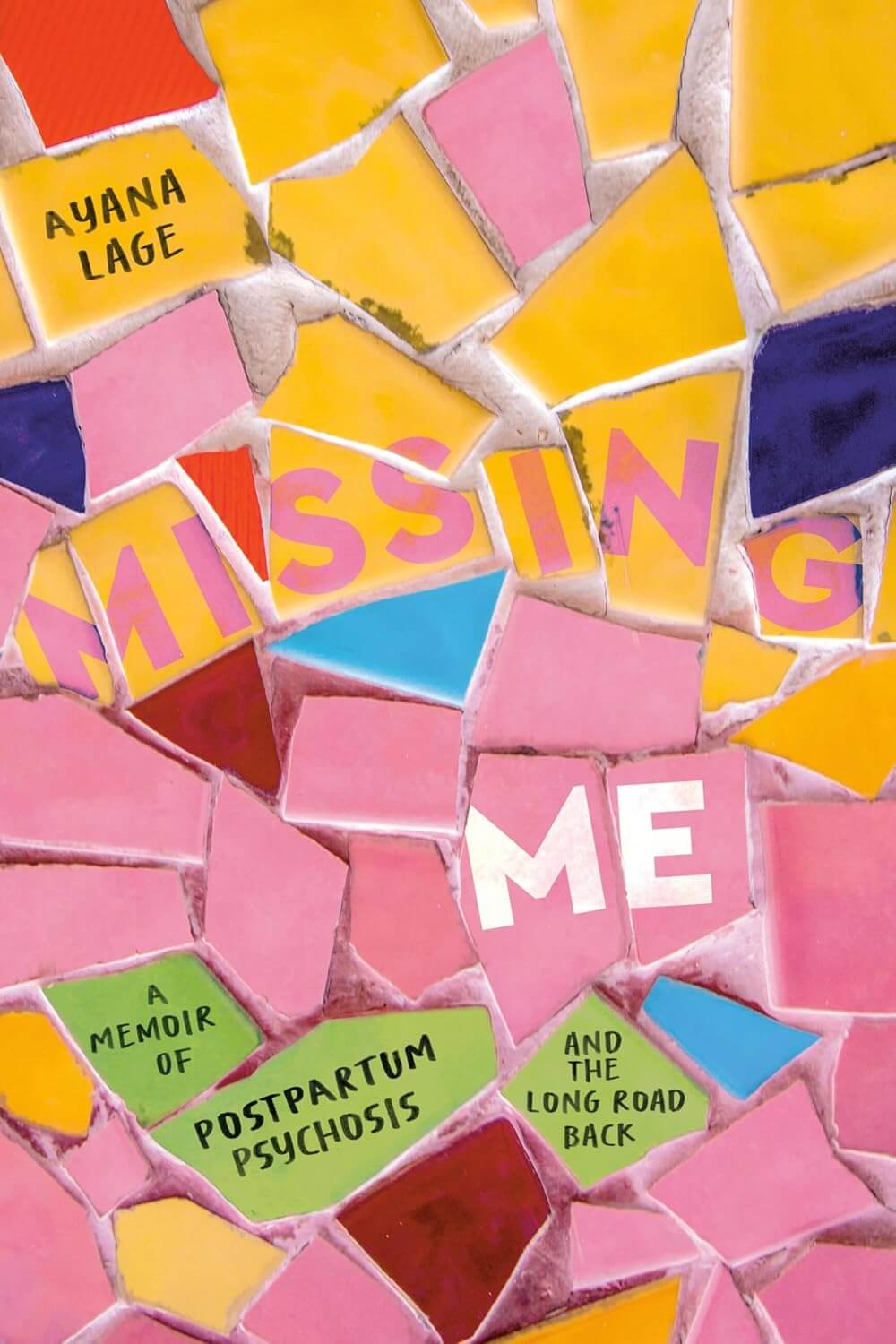
Missing Me: A Memoir of Postpartum Psychosis and the Long Road Back by Ayana Lage
This memoir follows writer and mental health advocate Ayana Lage as she experiences postpartum psychosis after the birth of her daughter, leading to intense religious delusions and a loss of control over her sense of reality. After hospitalization and treatment, she faces the difficult journey of recovery, grappling with stigma and rebuilding trust in her own mind. Drawing on her journals and medical records, the book reflects on motherhood, faith, and healing in the aftermath of mental illness.
Buy the book now: Bookshop.org | Amazon




Leave A Comment