

Name: Jessica Berg
Agency: Rosecliff Literary
Books/Authors I’ve repped: Lisa Roe, Trisha Blanchet, Tahverlee Anglen, Zach Powers, ZS Diamanti, Katia Sinchenko, Vincent Zandri, Arizona Bell
Current #MSWL: Horror, gothic/dark academia, romance-forward genre fiction, women’s fiction/upmarket, book club suspense, historical fiction that reads urgent, memoir, self-help/psychology.
What genre trends are you currently seeing in the industry? Are there particular genres you see on the rise or dropping in popularity?
The latest numbers show that romance sales rose almost 4%, and fantasy sales fell almost 9%. Surprisingly, graphic novel sales rose in 2025, as did science fiction (by 22%!). I think overall this indicates genre fiction continues to be in the spotlight and will be for some time. Individual categories are going to always ebb and flow, but the broader appetite for immersive story-driven fiction continues to remain strong.
What are you seeing in book deals? How has this changed over the course of your agenting career?
Advances are smaller across the board for debut authors, but I don’t think that’s necessarily a bad thing, since it makes it that much easier for the author to earn out. This often creates stronger long-term momentum to have a successful trad publishing career. I think we’re also seeing a growing emphasis on sustainable careers instead of a single breakout moment. The publishers I work with are always looking closely at long-term potential and an author’s ability to build readership over several books.
How has your perspective on what makes an author career “successful” evolved since you first started?
Success is such a relative term because what’s successful to one author will be different to the next. Early in my career, success was defined around external markets (advances, lists, major deals). Over time, I’ve come to understand those benchmarks don’t define fulfillment or success for every author. The most meaningful definition of success is the one the author identifies for themselves. Part of my role as a literary agent is to help align career decisions with that vision.
You share a lot of advice on Instagram for querying authors. What do you think is the most important thing for authors to really get right in a query letter?
A query letter is the start of a conversation. It works best when it clearly communicates who the protagonist is, what they want, and what stands in their way if they fail. So many of the query letters I see are failing because the core narrative isn’t presented on the page.
What are some query letter green flags and red flags that have been top of mind for you lately?
The biggest green flag is if a query letter is specific. When I see clearly defined stakes, when I can understand character motivation, and when I see a sense of an arc, I know the writer understands story structure and reader expectations.
Common red flags are vagueness, over-explaining world-building, and focusing on themes instead of plot.
We’re hearing a lot of talk about agent inboxes overflowing due to AI. Have you observed this trend? How has AI impacted the work you do?
There’s been a massive increase in query volume, and I’m certain AI is part of that conversation. But what I’ve noticed most is an influx of submissions that are highly polished on the line level but lack a strong narrative center. AI hasn’t changed what I’m looking for because a compelling story still stands out above all else.
I love your Instagram post about the “not for me” response—your perspective is hopeful! Can you share a bit more about what “not for me” might mean, and why it shouldn’t stop an author from continuing their search for an agent?
I’m an author, so I’ve been on the receiving end of those “not for me” emails! Early in my career, I mistook those to be an interpretation of the quality of my work. The reality is it’s most often about fit. As an agent, I’m making decisions based on several factors that have very little to do with whether or not you can write well. These subjective factors like my list needs, the market, or my editorial vision often get compounded by the author to somehow infer that they’re not producing good work. And that’s just not the case.
Most often, passes just mean that an agent doesn’t feel like they could be the right advocate for the project. Publishing is a strange industry in that it often relies so heavily on alignment that is difficult to articulate but felt immediately.
What does an ideal author/agent relationship look like to you?
At the core, this relationship is one that’s built on trust and communication. I’m in frequent contact with all of my clients because I want them to know that even if we’re parked on submission and nothing is happening, I’m still strategizing, thinking about ways to advocate for their careers, and seeking out opportunities to make them a success. Because of this, my clients feel empowered and comfortable enough to ask questions, discuss challenges, and talk through career plans.
What’s a moment in your career as an agent that you’ll never forget?
The spotlight moments are always the offer calls. I generally send an all-caps text asking for a call and then try not to shout too much when I convey the offer. Hearing the realization set in for my clients never loses its impact.
You offer guides, services, and free advice on Instagram. Where would you suggest authors who are wanting to query agents start with your resources to build the strongest query letter they can?
The best place to start is with this brand-new free resource that outlines the path to traditional publishing. I created this because I realized most authors think that querying is step one, when it’s really about halfway down the path. The next natural step would be to evaluate if they’re ready, since ready can’t just be a feeling. I’ve got a free resource for that, too, that walks authors through how to make sure the book they’ve written is in its best possible shape. Finally, I’ve got a free Q&A box that’s open year-round for authors to pop in their most pressing questions, which I then answer on my ongoing Instagram reel series, Agent Answers.
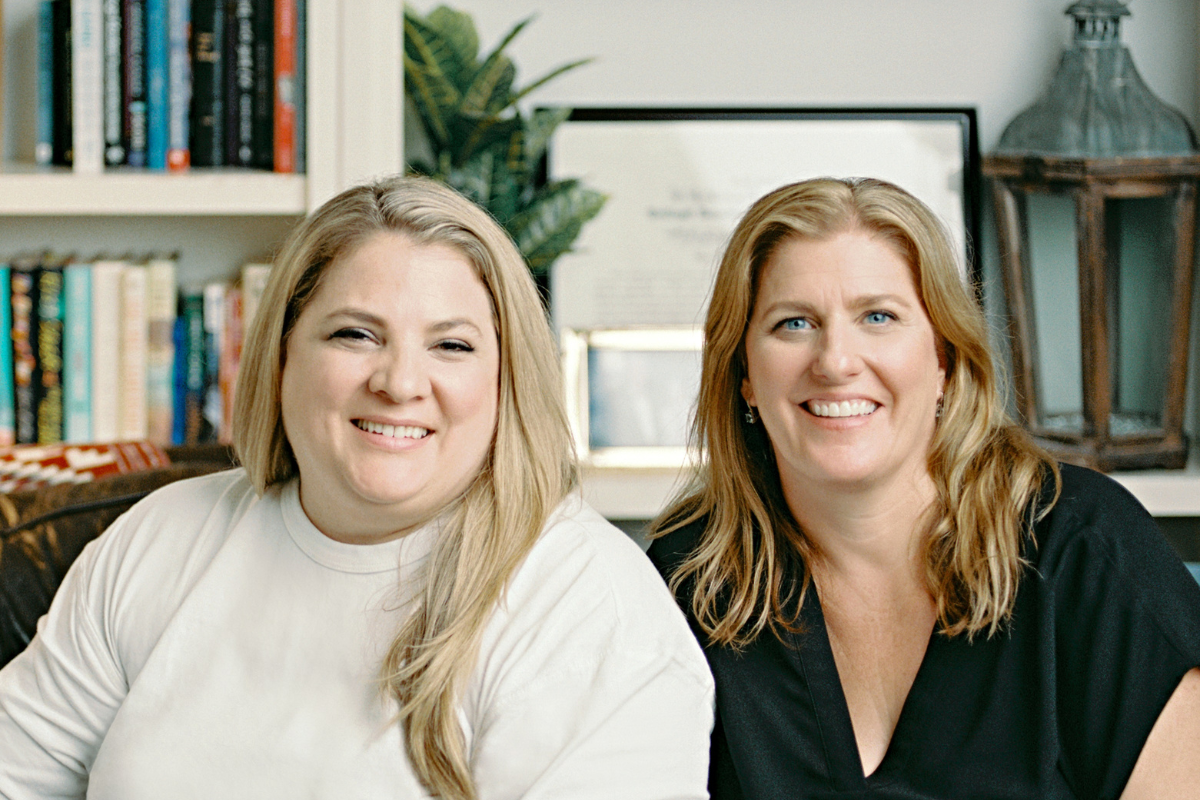
Jessica Berg is the founder and agency director of Rosecliff Literary, a boutique agency built on the belief that ambitious writers deserve transparency, strategy, and a seat at the table. In addition to her agency role, Jessica serves as a contributing editor for Writer’s Digest, where she writes and consults on topics related to querying, craft, comp titles, and the business of authorship. Jessica also serves on the board of the Historical Novel Society and is a chair for the National Women’s Book Association.








Leave A Comment