
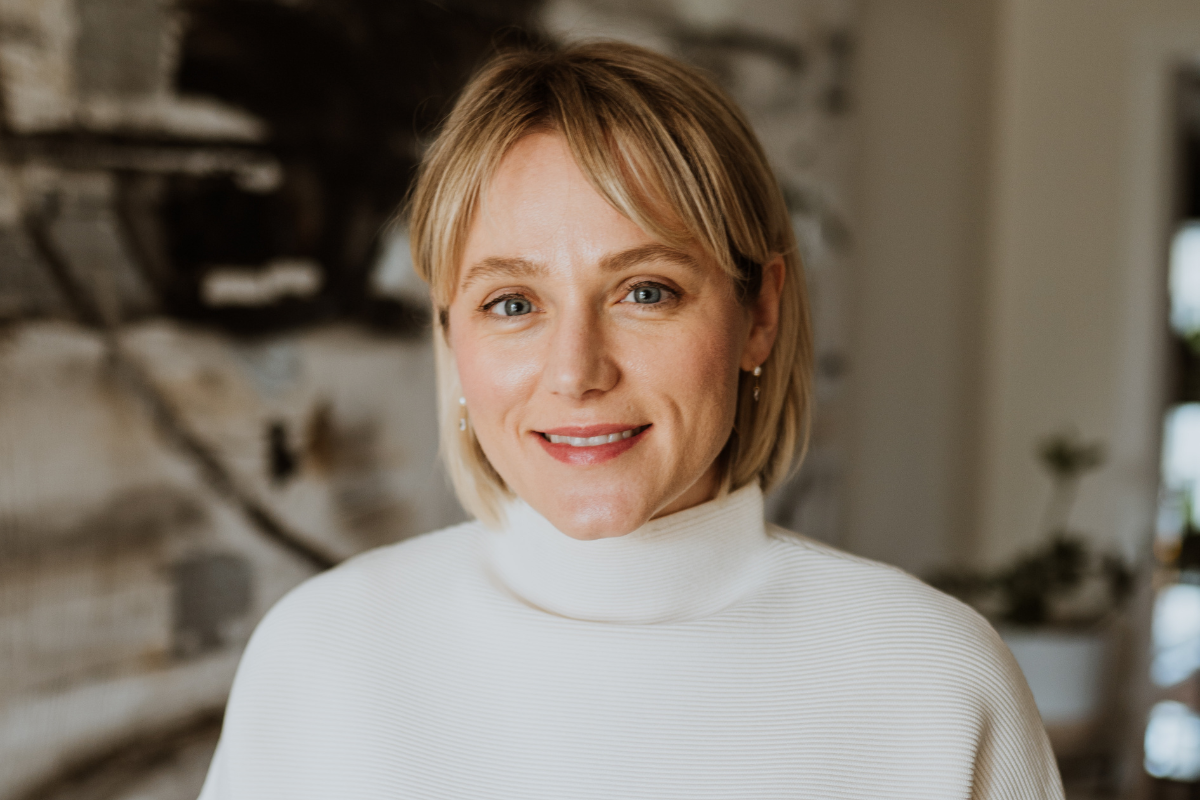
Name: Carly Watters
Agency: P.S. Literary
Years as a literary agent: 16 years
Books/Authors I’ve repped: Where the Forest Meets the Stars, Seven Husbands of Evelyn Hugo, The Woo-Woo, The Women of Arlington Hall, One Bad Mother, Alive and Wells, Cleo Dang Would Rather Be Dead, She Regrets Nothing, Girls with Bright Futures, China Unbound, Whole Bowls, Oven to Table.
Current #MSWL: Fiction: women’s fiction, upmarket adult, commercial adult, domestic suspense, literary mystery and thrillers, historical, contemporary romance, and smart book club fiction. Non-fiction: pop science, business, psychology, cookbooks, unique memoirs, lifestyle, narrative, and platform based non-fiction.
What genre trends are you currently seeing in the industry? Are there particular genres you see on the rise or dropping in popularity?
The main trend is escapism, and I don’t believe it’s a trend, it’s a natural reaction to the world at large. From cozy to HEAs to romantasy to dark romance, many corners of the market are benefitting from the natural turning away from real life during our collective leisure time, due to the impact of the news cycle around us.
What are you seeing in book deals? How has this changed over the course of your agenting career?
I’m seeing writers have more leverage than ever. From self-pub authors flipping over to the trad side and author brands carrying the weight of success for an imprint, there are numerous ways for agents to advocate for their writers to get paid advances that are sustainable as a career.
How has your perspective on what makes an author career “successful” evolved since you first started?
When I started, the idea of success was assumed. For example, once you had a book title come out and you were a published author, your publisher would take a chance on your option book. You’d be able to propel a career from the start—even if your first book didn’t break out. The industry is now much more reliant on breakout books, in a way that has evolved over time.
I think just about everyone interested in becoming an author has come across The Shit No One Tells You About Writing podcast. You have instructed thousands of writers through these episodes. What has the show taught you about working in this industry that couldn’t have been learned working as an agent alone?
We’ve reached an incredible threshold of over 4 million downloads, and I’m honored to reach that many people in a few short years. What the show reminds me is how many writers aspire to be published authors. It seems straightforward, but you’d think that all the rejection and knowledge of how hard it is to get a book deal would deter people, but it’s simply not true. There is infinite desire for storytelling in this world, and the creatives we hear from are passionate about making their dreams come true. So we try to support them and supply them with as much industry knowledge as we can.
What are some query letter green flags and red flags that have been top of mind for you lately?
Green flags are when they can accurately position their book with great comp titles; red flags are when there are signs of it being written by AI.
We’re hearing a lot of talk about agent inboxes overflowing due to AI. Have you observed this trend? How has AI impacted the work you do?
Many agents are reporting their agencies get more pitches than ever because of how frictionless it is to use AI to “support” query letter writing. I’m vehemently against writers using AI for creativity. It dulls the senses and makes them second guess themselves. AI is not a creative partner; it’s a tech application designed to suck you into its universe like all the other tech applications—resist! I don’t know how writers can call themselves writers if they are not doing the writing themselves. It baffles me.
We talk a lot about the query letter, but what advice do you have for authors who are getting “the call”? How can they best prepare, and what are some ways they can use this time to really tune into whether or not this partnership will work?
There are numerous lists out there on the web for support on which questions to ask. I like it when writers ask to speak to an existing client so they can learn how we work together. And I like it when writers really think about what they want out of their career, then tailor the conversation to focus on those goals. I want them to get confident in seeking a business partnership with their agent.
What does an ideal author/agent relationship look like to you?
It’s a partnership that’s dependent on trust, honesty, creative fluidity, and a long-term vision to build something together, rowing in the same direction.
What’s a moment in your career as an agent that you’ll never forget?
There are so many! First time a book hits the bestseller list, first time a book earns out, first film option that actually becomes a movie—but I think the moment was the slow build to know that I could do this as a sustainable career. Agenting is full of ups and downs, but you have to believe in your taste and trust your future self.
In your 2026 predictions, you talked about publishing careers being anti-AI jobs. How can authors become anti-AI authors (beyond not using AI, of course)?
Other than being very vocal about the abuse of AI in the literary world, I think all creatives need to really sit and think about the repercussions of the use of AI in our creative lives, from dulled instincts to cookie cutter design to work devoid of heart. We all need to push back against the narrative that AI is going to take over our lives, because it’s only going to do that if we let it.
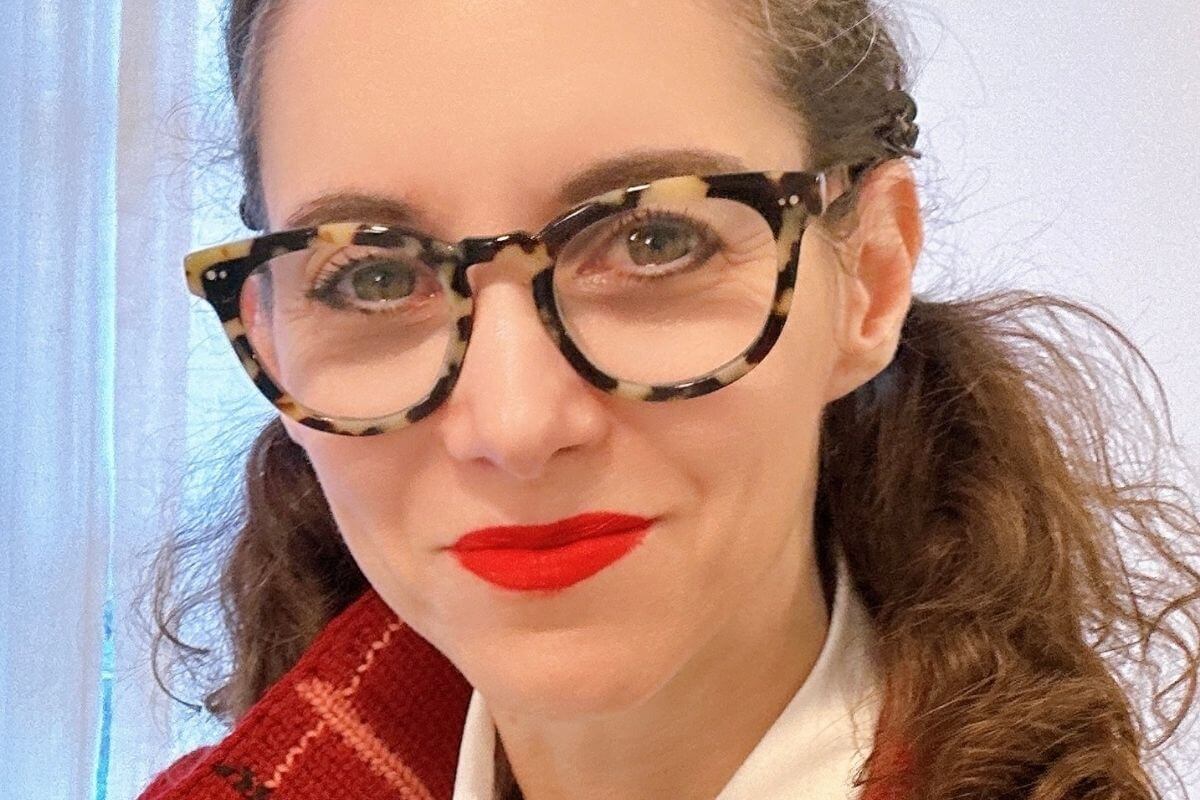
Carly Watters is Senior Literary Agent at P.S. Literary and former VP of PACLA, the Professional Association of Canadian Literary Agents. She represents award-winning and bestselling authors in the adult fiction and non-fiction categories, and select children’s books. The popular writing podcast The Sh*t No One Tells You About Writing, for which Carly is the co-host, has over 4 million downloads. She sits on the board of the Ottawa Writers Festival.




Leave A Comment