
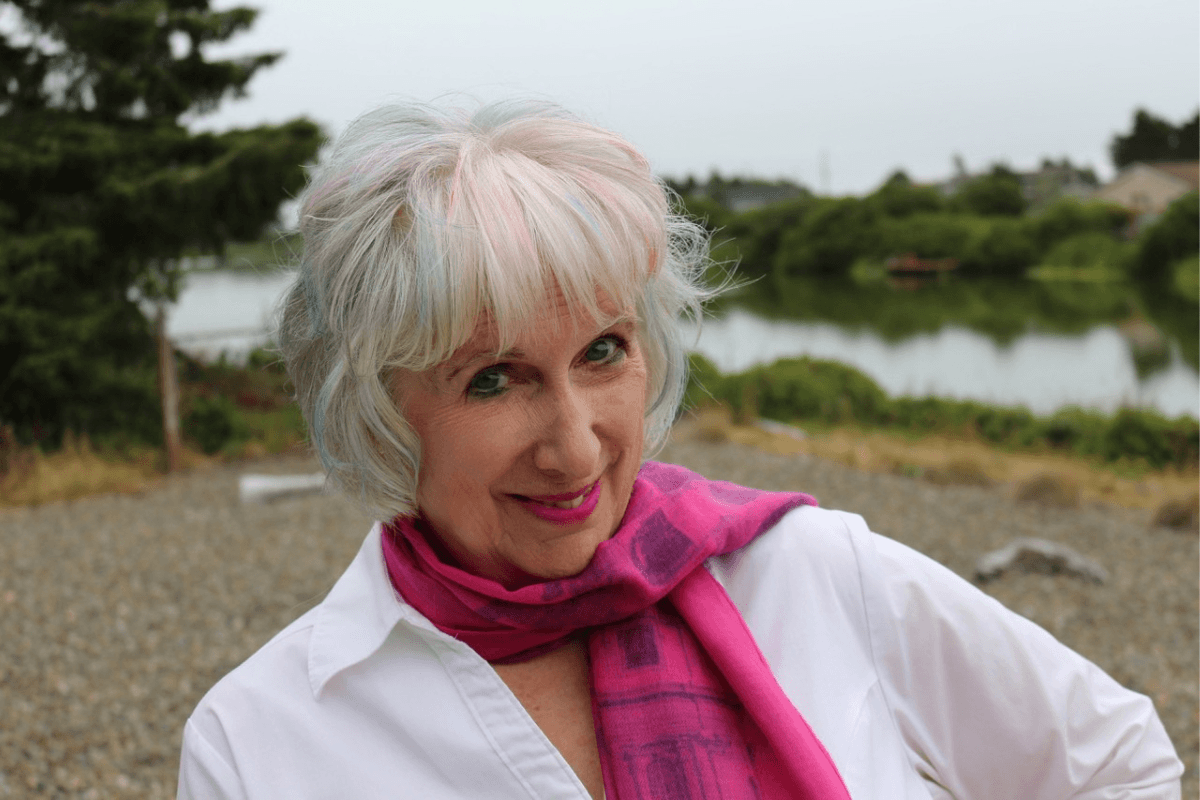
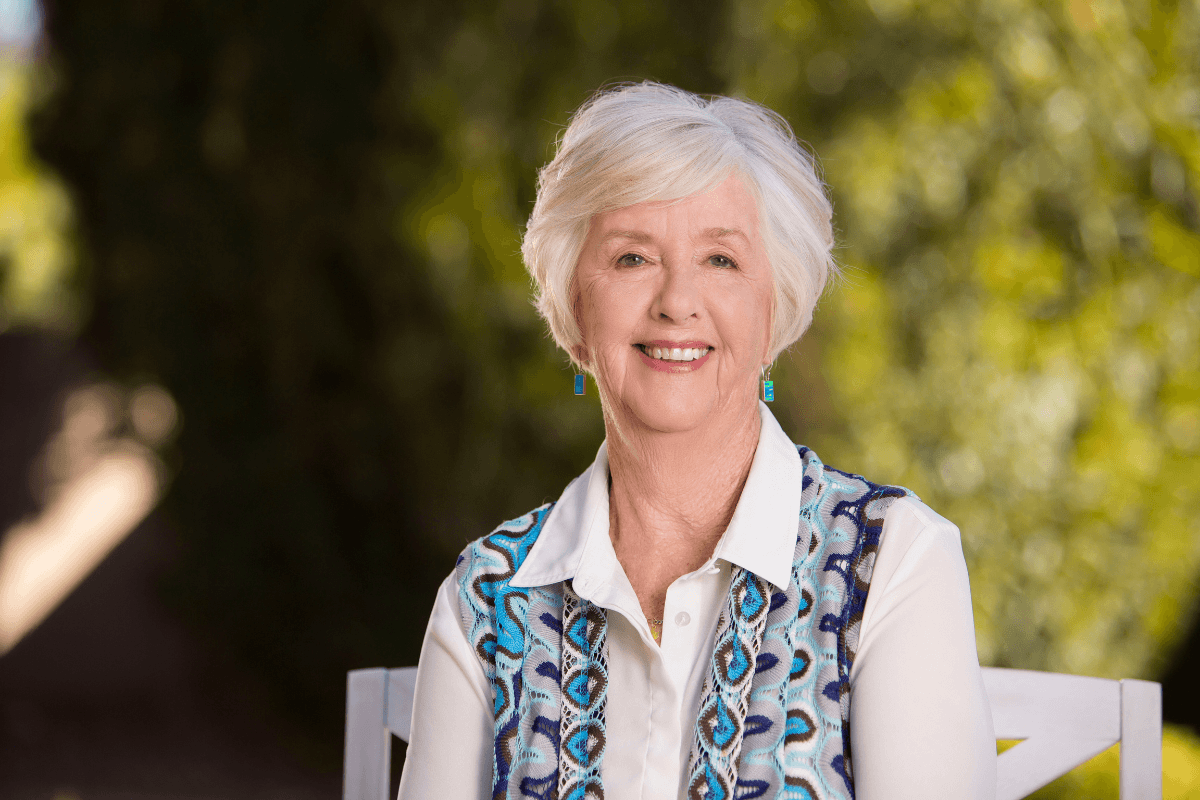
USA Today and Publishers Weekly bestselling author Sheila Roberts has written sixty books ranging from romance and relationship fiction to devotional and self-improvement. Her novels have been turned into movies for the Lifetime, Hallmark, and GAF channels. When she’s not out dancing with her husband or hanging out with friends, she can be found writing about the things dear to her heart: family, friends and love. And chocolate. Sheila splits her time between the Pacific Northwest and Southern California. You can visit her at sheilasplace.com.
The definition of who we are as writers is a fluid one, depending on where we are in our writing journey. Over time we may describe ourselves differently but the essence of who we are never changes, and that is important to remember because a writing career is like the stock market. Sometimes it’s up, sometimes it’s down. Sometimes it crashes.
How do I know this? Personal experience, of course. I’ve seen highs with novels being made into movies for the Hallmark, Lifetime and GAF channels, made a music video for one novel and bragged about a starred review in Publisher’s Weekly. I’ve also had manuscripts rejected, had agents turn me down, cried over bad reviews and survived two career crashes. I’m not alone on that roller coaster called The Writing Life. I’ve watched friends hit a bestseller list and later struggle as their sales numbers dipped or their publisher didn’t renew their contract. Those downturns can be devastating.
It can be equally hard when you’re first starting out–trying to get someone besides your mother to take you seriously, trying to land an agent or editor, struggling to build a readership. But difficulties don’t change the bedrock of who we are. It’s easy to define ourselves as writers when everything is going well. But how do we define ourselves in these different stages and how can we stay positive?
Let’s start with one of the most potentially overwhelming experiences: a career crash. When that happens, we lose more than readers and sales. Our self-esteem takes a hit. It can be hard for a writer to reclaim that lost confidence.
I remember how devastated I felt when my editor was suddenly not available to take my calls, when my publisher didn’t renew my contract, when my agent dumped me. I had labeled myself a writer and suddenly, with nothing but a question mark in my future I wasn’t sure who I was. I felt like a failure and was too embarrassed to go to my writing organization’s chapter meetings. I hid from friends. For the first time in my life, I was experiencing an identity crisis and it left me reeling.
But thanks to two good friends, who sat me down with chocolate and consolation, I began to realize that I hadn’t come to the end of the road but merely a fork in it. I still remember my friend Susan Wiggs saying, “Don’t quit. The only writers who don’t get their careers going again are the ones who give up.” I sensed the truth in that and began to rethink my attitude and my future. First of all, I had to remind myself that I was still a writer. I was just a writer in transition.
Which brings me to an important principle: circumstances don’t steal talent. You may not be published yet. You may be struggling as an indie writer. You may be out of contract and hoping for a new publisher. None of those things change the fact that you have a God-given talent. Your circumstances may have changed but who you are hasn’t.
It may take a while to cement that in your psyche, and I can’t stress enough the importance of reaching out for encouragement and advice when you’re struggling with discouragement. When we’re beaten down by the whims of the market or a downtime in publishing it’s important to let friends help us up. Don’t be afraid to share your frustrations and ask for help brainstorming ideas on how to get yourself back on track.
Sometimes we need to reinvent and redefine ourselves as writers. Which brings me to another important principle: change is inevitable. In life and in publishing. Be open to looking in a new direction. You may have to start over, adopt a pen name or change genres. That’s not necessarily bad. I know writers who have gone from writing historical romances to successfully writing suspense, writers who’ve moved into a literary arena or women’s fiction and made bigger names for themselves under that new persona. I know writers who have left behind traditional publishing to go indie and are now happily putting out their work on their own terms.
Being flexible not only helps us remain agile in an ever-shifting market but also helps us grow our gift. Think of some of those musicians and performers with long careers. Many of them, like Lady GaGa and Cher have continued to reinvent themselves and in the process turned into music icons. They are still performers, just ever-changing versions of themselves. Be like Cher. Don’t be afraid to reinvent yourself. You’ll still be you. You will still be a writer. Just a new and different version of yourself. And you will be growing and stretching, which is a good thing.
Being flexible and open to trying something new is a good way to steer our focus from what feels like failure to where we want to go next. After career crash number two, once I realized I needed to start over (yet again!), it actually gave me the freedom to play around with a new idea for a novel, and that freedom made writing fun and took the pressure off. I had nothing to lose. Hitting restart allowed me to refocus and fine tune my writing voice. And relaunch my career, which has stayed airborne for the last fifteen years.
If you are currently refining your definition of who you are as a writer, know that beta readers are your friends. Enlist the help of readers with a keen eye for grammar, who read voraciously and who can spot plot holes and inconsistencies. Getting input before sending your book to an agent or publisher or putting it out into the world won’t guarantee success but it will increase your odds because you will have fresh eyes to give you much needed insight and allow you to polish your creative gem until it shines.
If you’re venturing into a new style of writing you are now the equivalent of a plastic surgeon, creating a new look for yourself. Keep in mind that operations can be long and complicated. Allow yourself time to re-form your look.
Part of that re-forming will require analyzing yourself and your brand. Are you a literary author? Are you writing genre? If you’re writing romance do you want to be known as a closed-door author with no explicit sex or will your brand be as a spicy author? If you’re writing mysteries are you a cozy mystery writer or do you write edgy novels? Where in the bookstore do you want your next books to live? Who do you see as your readers? Once you’ve defined yourself you’ll be able to find your readers and, even more important, they will be able to find you.
If part of who you currently are as a writer involves beginning or hitting restart, that definition of yourself might have to include the word brave because you will probably need to venture out of your comfort zone. So many of us are introverts and it can be stressful asking friends for help, reaching out to agents or publishers, visiting bookstores, posting on social media. Find a plan that works best for you.
For my upcoming novel, Love on the Shelf, I wound up cold calling indie romance bookstores around the country, introducing myself and offering to send them an early copy of the book. Even though I’m an extrovert, it took me a while to find my rhythm. I felt self-conscious and pesky making so many of those early calls. I had to remind myself that these were my people and I was offering them something fun: an advance copy of a story I believed in. Booksellers were kind and almost all of them were enthusiastic. What started out as an unnerving experience turned out to be a good one. I met some lovely people and my new book might just make some lovely new friends. But that wouldn’t have happened if I hadn’t given myself a pep talk and then screwed up my courage enough to do something to help myself.
I hope my positive experience will inspire you to add brave to the definition of who you are now. Don’t be afraid to reach out to other authors who are writing what you write for referrals to their agents. Or to reach out to other authors and ask for book blurbs. I realize all this can be intimidating – that worry about being a pest will probably rear its ugly head – but most writers like to help and, schedule permitting, will be willing to. When you get a refusal, remember that the author isn’t rejecting you as a person. It usually means that the author simply doesn’t have time.
It’s easy to know who you are when things are going well, but when the writing isn’t coming easily, when you’re stalled creatively, when your career is slipping sideways, that identity can get blurred. But don’t lose sight of it. You may be a writer who is struggling or you may be a writer in flux. You may be a beginning writer. You may be a seasoned pro. You may even be panicked. But, under all those stages of this creative journey, remember that you are always a writer.
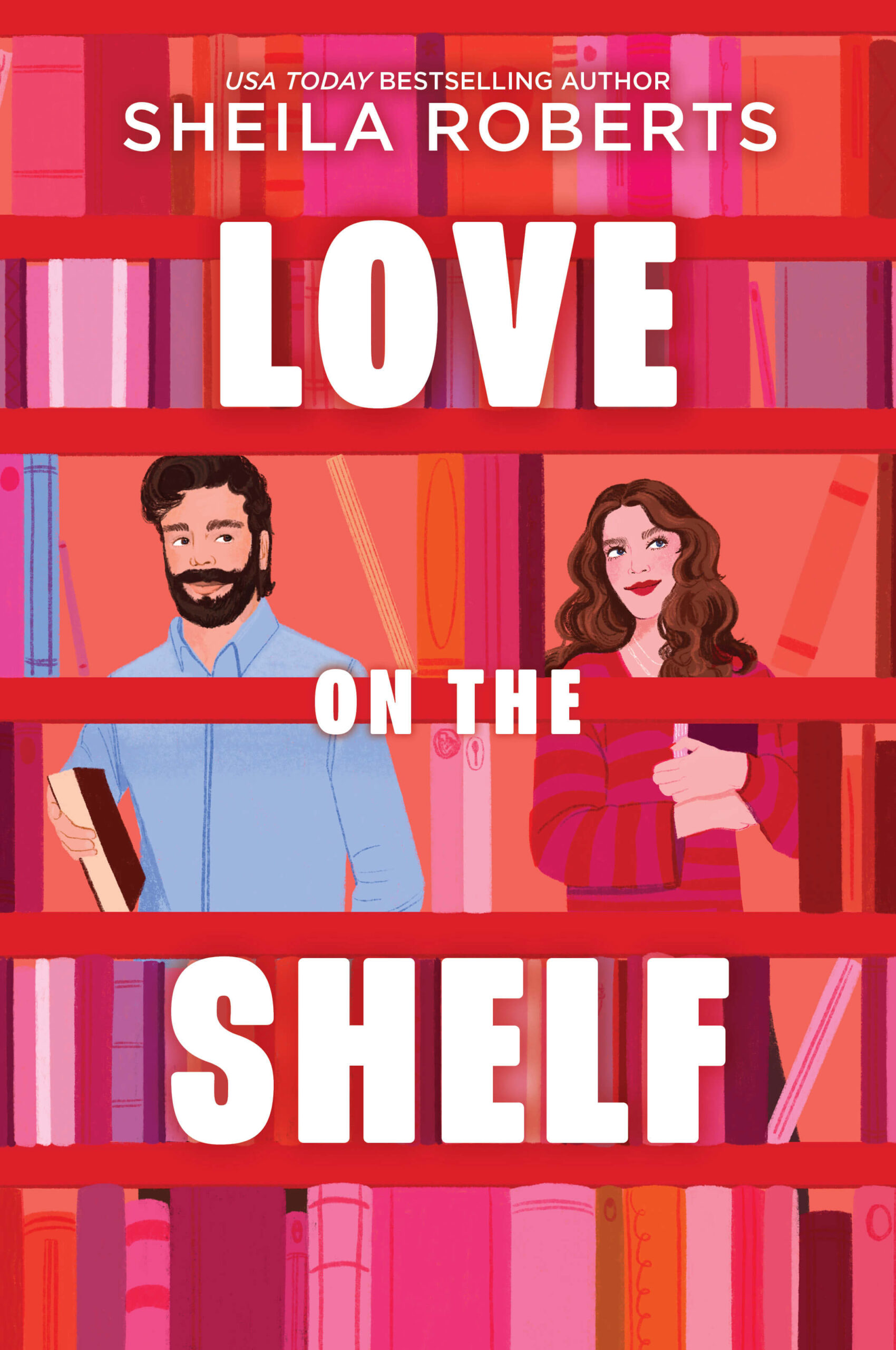
Love on the Shelf by Sheila Roberts
Alice Willoughby and her mother run HEA Books, a store dedicated to love stories and the people who adore them. Radio host Parker Black is a jilted and jaded shock jock whose heart was broken by a romance author and now he’s taking his pain to the airwaves, creating turbulence for Alice’s otherwise thriving business. As the rivalry heats up, but a connection begins to form, Alice wonders if she is living out the enemies-to-lovers plot in real time. Alice and Parker must navigate the rising tensions to find out if love can thrive or if it only exists on page.
Buy the book now: Bookshop.org | Amazon







Leave A Comment