
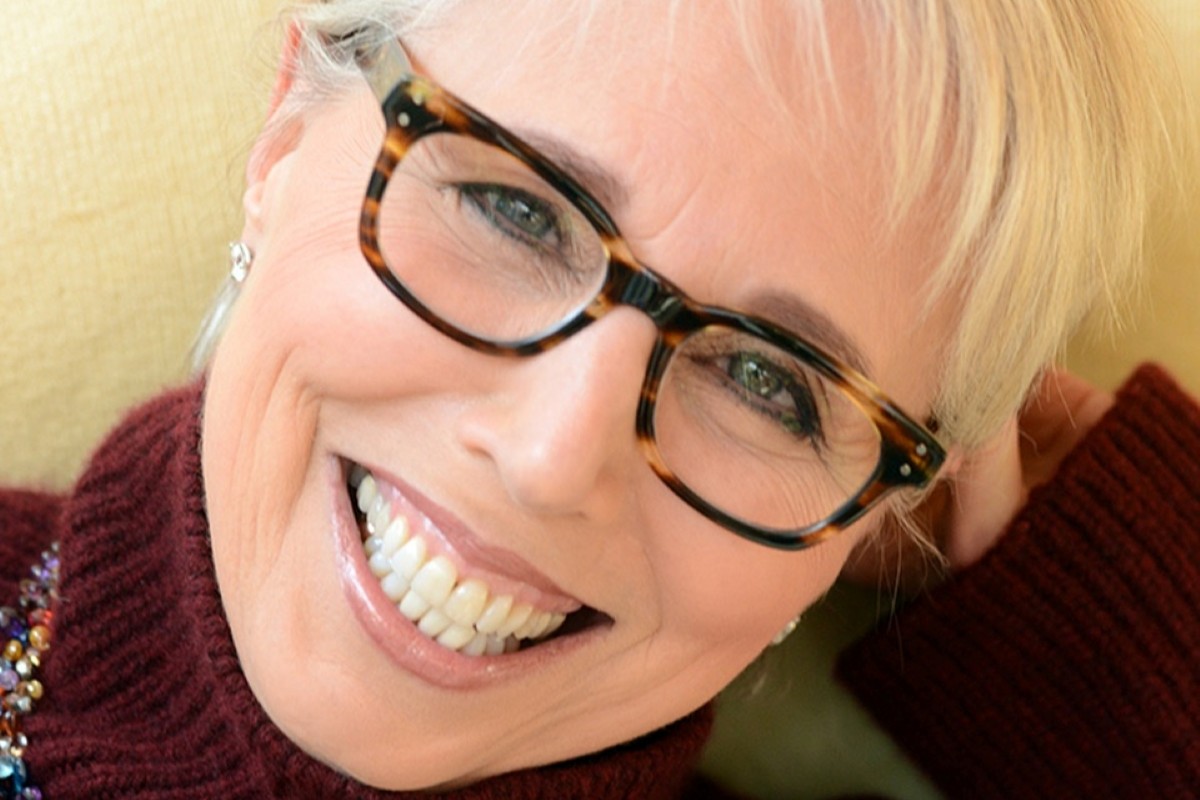
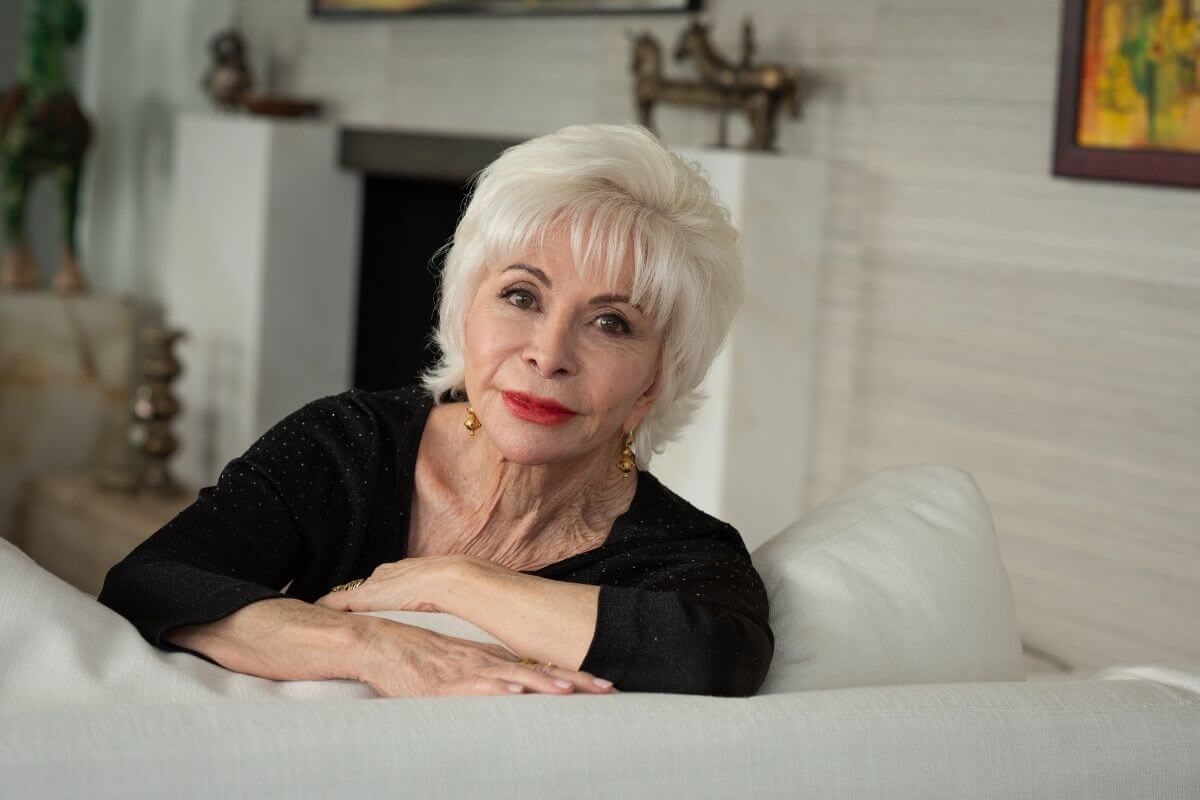
Geneen Roth is the author of ten books, including New York Times bestsellers Women Food and God, When Food Is Love and Lost and Found. Roth’s pioneering books were among the first to link compulsive eating and perpetual dieting with deeply personal and spiritual issues that go far beyond food, weight, and body image. Over the past forty years, she has worked with thousands of women in her groundbreaking workshops and retreats based on the concepts of her books. She lives in California with her husband Matt; and Izzy the fabulous, eating-disordered dog.
When I first started writing, I studied with four writing teachers who thought I would be better off being a switchboard operator. None of them considered what I did “real writing,” and only one of them thought I had anything interesting to say. One teacher called me a schnook. Another one, Raymond Carver’s protégé, told me my work was predictable and sentimental. Still, I kept writing. Not because I thought that someday I would be a great writer or be able to support myself by doing it, but because I loved words. I loved how they felt on my tongue, in my mouth. I loved that crepuscular was spikey and round and made me happy to utter it. I loved saying kerfuffle and incandescent and luminous just because. And I loved that writing at my spindly kitchen table made me feel as if crushed stars were whooshing through my veins. When I wrote, I knew without knowing how I knew that I was doing what I was supposed to do and that I belonged here.
After writing stacks of poems and short stories (that, I am loathe to admit, were likely predictable and sentimental), I started writing about what I knew best: the madness of gaining and losing a thousand pounds and understanding that it wasn’t about food but about the harshness with which I punished myself, abandoned myself. How I woke up every day convinced that something was wrong and I was to blame.
As I unwound a lifetime of self-rejection (it’s not over yet), I realized I was doing the same thing with writing that I did with food: obeying a set of commandments/ordainments—write everyday no matter what, don’t get up until you finish three pages– and feeling like a failure when I didn’t comply, which then led to rebelling and “bingeing” on not writing.
Eventually I understood that at the heart of both the relationship with food and the relationship with writing was fear that who I really was when you scratched away the shiny, obedient,
hardworking top layers was a slug who was a heartbeat away from oozing through the days in her flannel pajamas and greasy hair, eating bags of Mallomars while watching reruns of The West Wing. And when I named those beliefs– I’m a failure, I’m lazy, I’ll never get it right—I knew that I was seeing through the lens of old wounds and that they were lies.
The root of discipline is the Latin discipulus, meaning “student,” which also leads to the word “disciple.” And so I asked, keep asking: Of what am I a disciple? And the answers are: Telling the truth. Writing about what I’d rather keep hidden. Seeing the light inside the dark. And not sacrificing myself on the altar of writing (or anything else) because, in the end, what really matters is not what I produce but how I live, walk, breathe, love.
The process is the goal. You cannot force and deprive and punish yourself and end up a person who is content, at ease, peaceful. How you do one thing is how you do everything. How you write is how you live.
Have I thrown away routine? No. I love routine. I meditate every day as soon as I wake up except when I don’t. I eat the same breakfast every day except when I feel like eating something different. I thrive on structure. I know that mornings are my best time to write and I protect that morning window by not making phone calls or planning meetings. Sometimes I write three hours every day for weeks, months, years. Sometimes I only scribble a few sentences. Sometimes I sit down and realize I just want to stare out the window and do nothing at all.
I used to be fierce about writing every day until I realized that being fierce also meant being fiercely ashamed when I didn’t follow through. Now I am fierce about listening to what’s actually here in this exact moment: is it the pull to write? To read? To do nothing.? To be outside with the ruby-throated hummingbirds and the gingko trees?
“I write because I live” said Ngugi wa Thiong’o, a Kenyan novelist and author of a series of books including Decolonising the Mind. Me too. I write because I live and because writing is the way I know what I didn’t know before I wrote it. But I also live because I live and if I couldn’t write, if, for some reason I couldn’t string a sentence together then I could still be astonished at scudding clouds and the piney smell of air after a rain and my husband’s craggy face—and that would be enough.
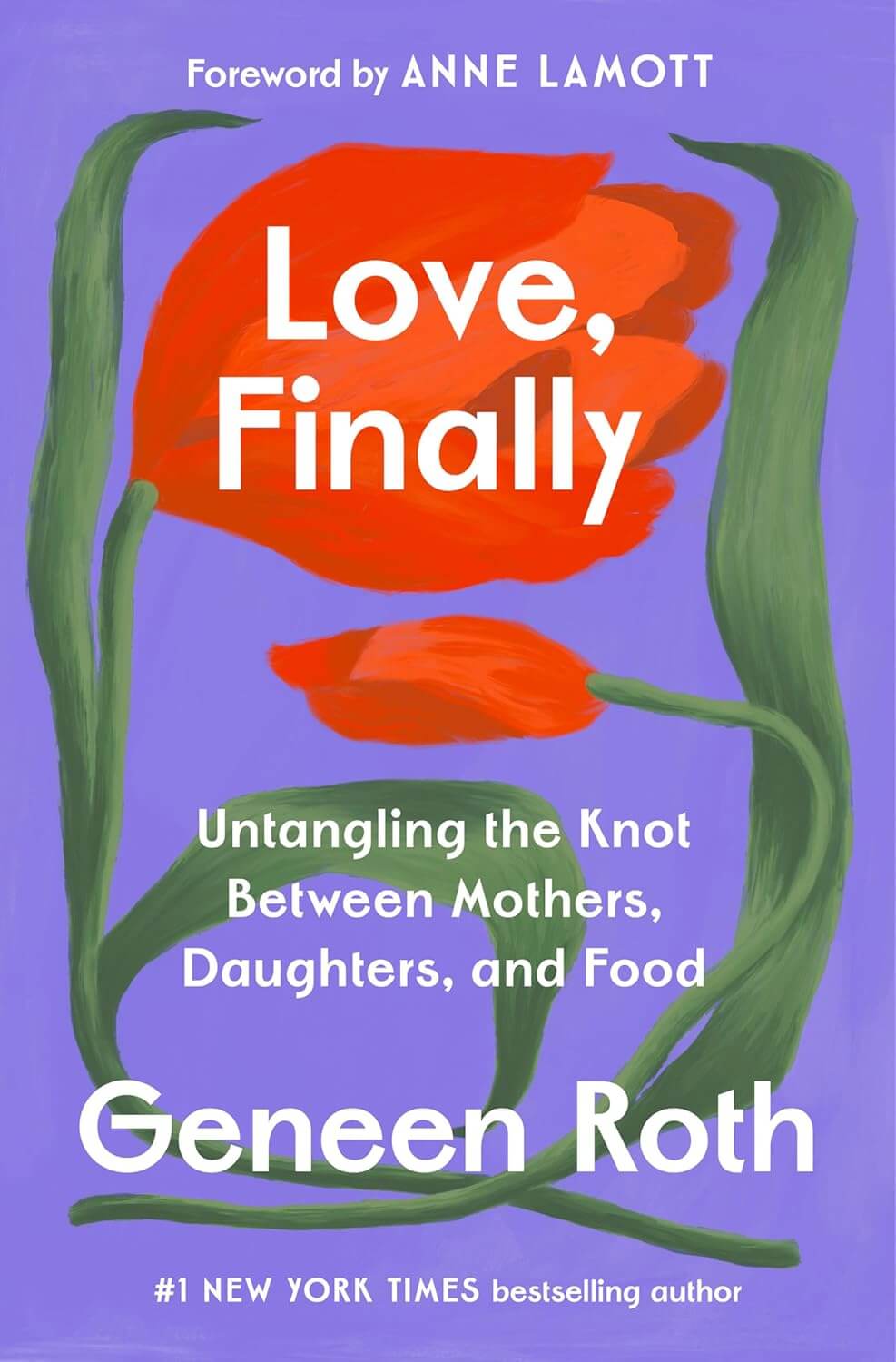
Love, Finally: Untangling the Knot Between Mothers, Daughters, and Food by Geneen Roth
Geneen Roth has made a career out of spreading kindness and self-acceptance to other women and helping them along their own healing journey both with themselves and their relationship with food. After being diagnosed with cancer, she realized that the inner voice she had spent decades learning to live with was almost indistinguishable from that of her mother. In this book, Roth unravels her relationship with herself and her mother’s influence over her life. Her journey to seeing how her mother’s own struggles have been woven into her own and how to undo that enmeshment with empathy and love is a truly profound read for anyone on their journey to inner knowledge.
Buy the book now: Bookshop.org | Amazon




Leave A Comment