
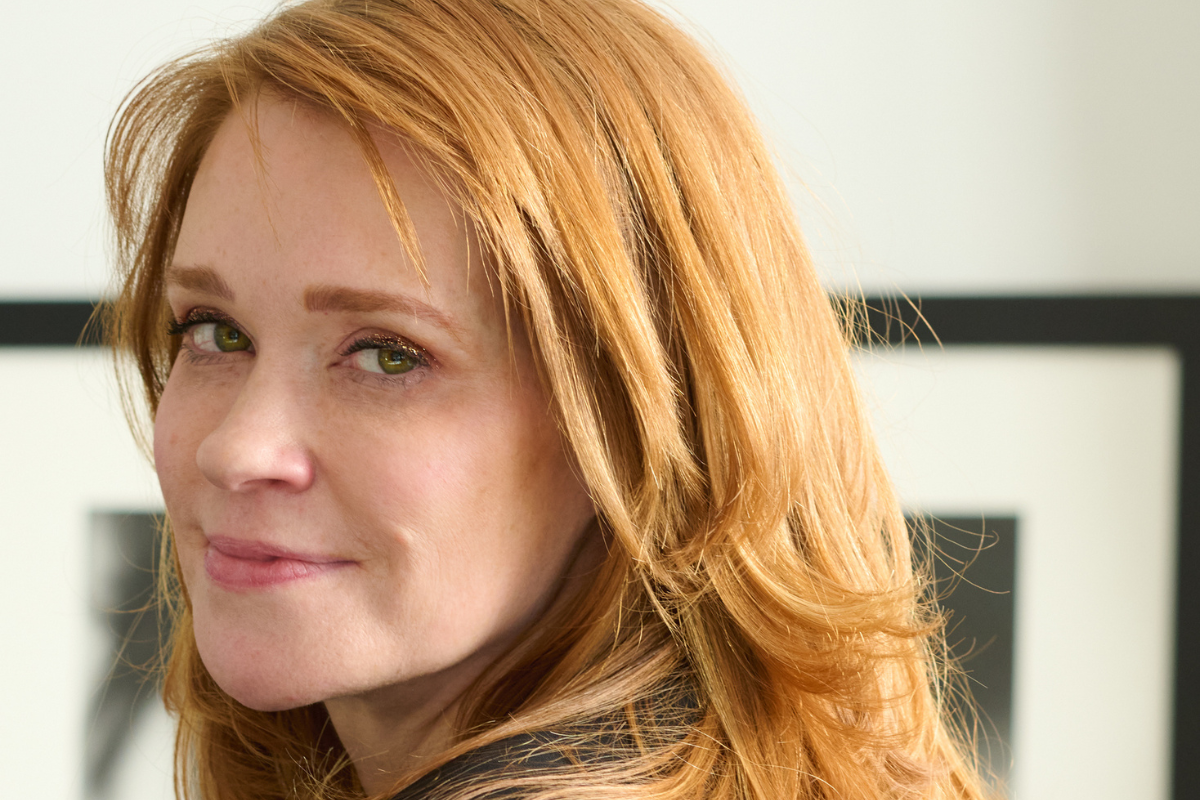
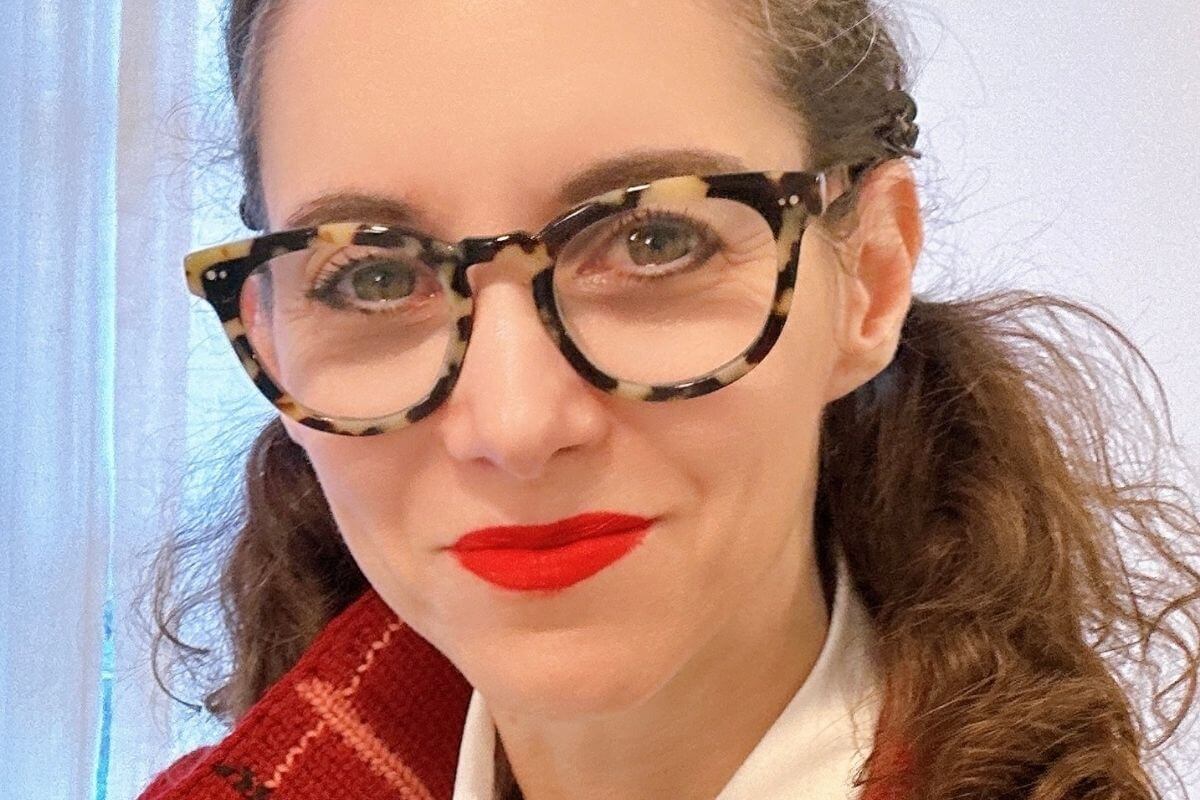
Emily Rapp Black is the author of I Would Die If I Were You: Notes on Art and Truth-Telling. She is also the author of the New York Times bestseller book Poster Child, The Still Point of the Turning World, Sanctuary, and Frida Kahlo and My Left Leg. A former Fulbright scholar, Guggenheim Fellow, and graduate of Harvard Divinity School, she is Professor of Creative Writing at University of California-Riverside, where she also teaches in the School of Medicine.
“Nobody will read this book!”
“You shouldn’t write about a dying baby. It’s too sad!”
“I’m so sorry for you, but maybe just journal about it and don’t share it with anyone?”
These were some of the responses I heard in 2011 after my infant son was diagnosed with Tay-Sachs disease, an always fatal illness with no treatment and no cure. A brutal disease that steals a baby’s faculties and brain function piece by piece – sight, speech, movement, and eventually, the ability to swallow – I didn’t know what else to do. Writing was how I’d always managed to frame difficult stories in order to live through them without tipping into despair, which is part of the magic of creation. At this time, my marriage already unraveling under the unbearable weight of my son’s diagnosis, a job that was labor intensive and high on the “peopling” scale, writing was the only activity that brought me a sense of joy as well as control, and I had generated maybe 100 pages of material in a matter of weeks. It was mid-winter in Santa Fe, the trees frozen and bare, the air icy and rude, the snow lining the road piled into dirty clumps.
I’ve been working since I was 14 years old – first selling cheese and apples on the phone with my friend, then selling tickets at racetracks and rodeos, babysitting neighbor kids, detasseling corn and weeding beans on a farm, shoveling snow, selling camo pants and duck decoys at an outdoor supply store, then bras at a lingerie stores, calling prospective students at my college’s admissions office, conducting a children’s choir, editing other people’s papers in college. I sold beers at a brewery, copyedited physics textbooks, taught art and music in classrooms, and took other seasonal work that I often found on bulletin boards at coffee shops in whichever city or town I happened to be living. Now, finally, in my 30s, I was working and teaching as a published writer, which was not the path that a working-class girl ever thought possible. I was grateful for every opportunity offered to me. I didn’t push back at editors, or agents, or anyone else who thought my work deserved an audience.
But this time, locked inside an extraordinary mind and life altering grief fugue, and feeling as if my life depended on it, I did just that. I understood that the writing I was doing under great duress was pressing out of my brain some of the best writing I’d done, and by that I mean I was producing the kind of writing I’ve always wanted to do: a fusion of my interests in philosophy, religion, myth, and the personal stories living in this world, in particular bodies, at this particular time.
I knew I was not the only mother experiencing child loss; I knew that reading about the experience I was having – in all its truth and beauty – would have helped me while going through it, so I was writing for what I saw as the space on the shelf. I was writing the book that didn’t exist, or if it did, I hadn’t found it.
Nobody likes rejection, but this time, somehow, it didn’t bother me, and it was the most crystal clear NO THANK YOU I had ever received about my work. Maybe that’s what compelled me. I called some of my trusted writer friends, I found a new agent, I unfriended a few people who may have meant well but I believed – with utter conviction – that they were wrong about this story and the wisdom in the telling of it. If I could feel joy in the telling of the most challenging and heartbreaking time of my life, then it wasn’t too sad. It was true. There was a difference.
And I was right. My second book, which was the live-time narrative of my son’s illness and gradual decline, was the only book I’ve written that made a bestseller list. It was for half a second, debuting in the bottom quarter, but it was on there. People read it. People didn’t think it was too sad, they recognized that it was true, that the writing came from necessity, and that no story is too sad to tell if you’re speaking from the deepest place of authenticity that you wish you’d been able to access in literally any other way.
I tell my students to print out their rejections or collect the mailed ones (few and far between), and when they get a YES after a chorus of NOs, to make of them a small pinata and bust it open, gleefully. I tell them that there is no story too sad or too difficult or too joyous to tell, and that although not everyone will want to read it, this does not impact the right to tell it, and to tell it beautifully and well.
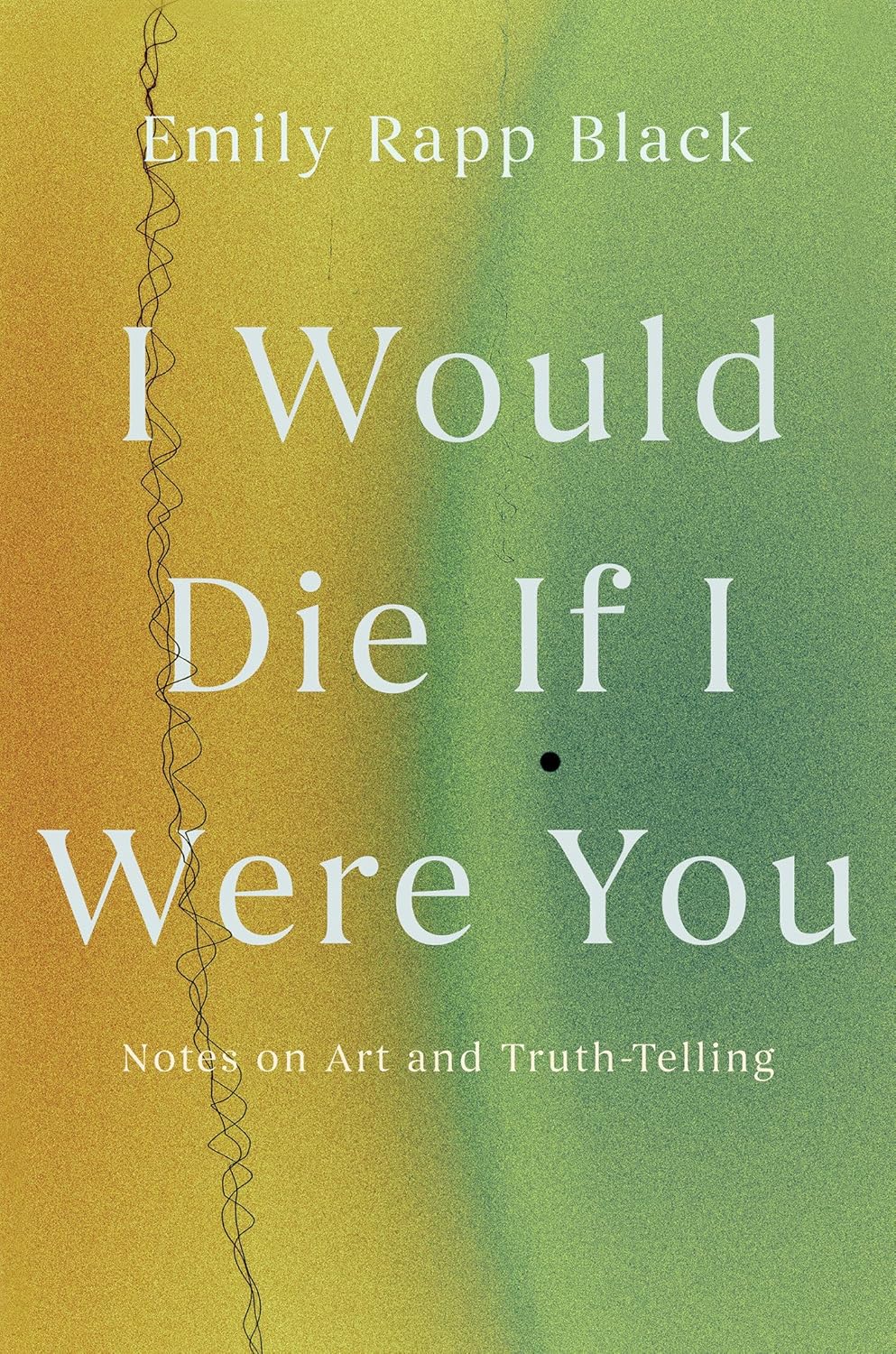
I Would Die If I Were You by Emily Rapp Black
In I Would Die If I Were You, Emily Rapp Black blends memoir and creative guidance to explore grief, disability, loss, and what it means to turn pain into art. Drawing from her own experiences with disability and the devastating loss of her son, she reflects on how storytelling can create meaning, connection, and community in the face of suffering. The book encourages artists and writers to approach difficult personal truths with honesty and compassion. Thoughtful and deeply moving, it’s both a meditation on survival and a guide to creating from even the hardest experiences.
Buy the book now: Bookshop.org | Amazon



Leave A Comment