

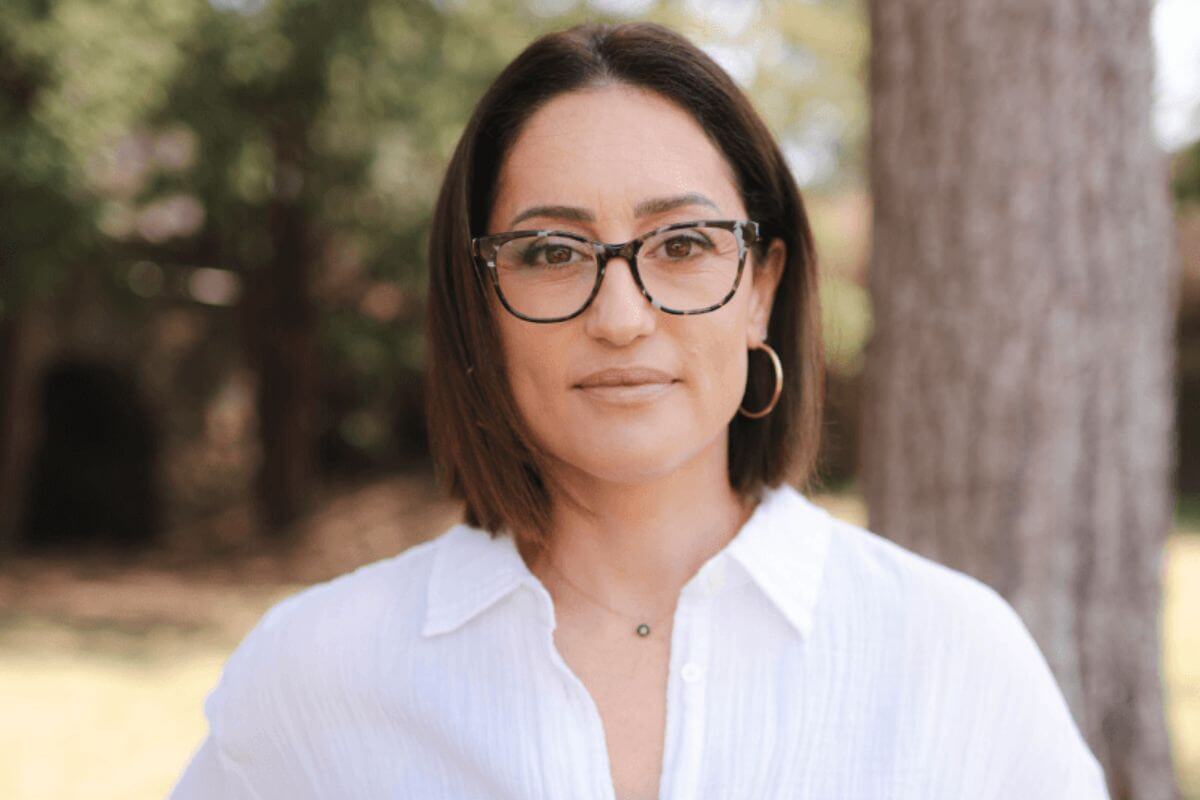
April Henry is the Edgar-award winning and New York Times bestselling author of 31 mysteries and thrillers for teens and adults. She lives in Portland, Oregon, with her family.
Writers get rejected. A lot. Agents reject us. Editors reject us. Sometimes readers reject us.
But if you stay in the business long enough, eventually you may get the chance to do the rejecting. (And not like the man who once reacted to my agent’s rejection by warning her that Jesus would no longer speak to her—nor would Jesus’s dogs.)
I started writing in my late 20s, and got my first rejection letter in 1989. I understood nothing about publishing and had sent my manuscript to a publisher that accepted very few un-agented submissions.
Once I understood I needed a literary agent, I started looking for one. This was before the internet. Now you can Google “literary agent” or “successful query letters.” With a few clicks, you can figure out the name of your favorite author’s agent.
Back then, agents felt impossibly elusive—like rare birds.
I bought an oversized green paperback called Guide to Literary Agents in North America and started mailing out query letters. Instead of immediate acceptance, I received over 100 rejection letters.
But I had already started writing a second book—a book I knew in my heart was good. I queried 53 agents and received 53 rejection letters. This was discouraging, but at least it was statistically tidy. (It was also well before the current trend of “no reply means no.”)
I kept sending out my second book, and finally my persistence paid off. The 54th agent asked for the full manuscript. After reading it, she called me from New York City to offer representation. After over 150 rejection letters, hearing an enthusiastic human voice felt almost too good to be true. My agent (I used the phrase in conversation as often as possible) felt like a fairy godmother and Santa Claus and a genie all rolled into one. I had finally made it!
I thought my days of rejections were over, but instead they took a different form. My agent began sending out the book, which over several months collected over a dozen rejection letters from editors.
They were full of compliments. “This is beautifully written…” “The premise is terrific…” “The voice is compelling…” This was inevitably followed by the fatal paragraph that began “Despite this…” “However…” or “I’m afraid I can’t…”
Undeterred, I wrote a third book. It got only boilerplate rejections.
And then I wrote a fourth book, a mystery that sold in two days in a two-book deal to Harper Collins. My first signing, at Powell’s Books, attracted a standing room only crowd. After years of rejection, publishing suddenly felt very easy.
I should have known not to get too comfortable. While I was on a publisher-paid tour for my third book, I learned Harper was dropping me. It’s an interesting experience to be traveling around the country promoting books from a publisher that has already decided it’s done with you.
My agent managed to move my series to St. Martin’s Press. My new editor was in her 80s and a legend. Everyone loved that she was still working, and that she went to cons, drank at the bar, and even, rumor had it, danced on tables. But out of public view, age was starting to catch up with her. I did four books for her, but after trying to decipher her last editorial letter, I decided enough was enough. This was the first time that I was the one doing the rejecting.
Then I got an opportunity to cowrite books with a legal analyst. We received an offer for a four-book series, but there was one problem. 40,000 words of the first book still had to be written—in just four weeks. There was no way to do that while working full time. So I rejected my day job (after 18 years) even before the contract was signed. It was risky, but there was no time for second thoughts. There were words to write.
Around the same time, I had finished writing a book with a teen character. I thought it was an adult book, but my agent, who represents a lot of YA, told me it was actually for teens. She sold it to Penguin Random House in a two-book deal. But when I showed that editor a third book, he wanted changes. I felt confident that his changes would make the book worse.
Mostly confident.
So for the third time, I was the one doing the rejection. I walked away from Penguin, which was scary. That book went out wide and was picked up by Christy Ottaviano, who has her own imprint and has been my YA editor ever since.
And when my legal analyst coauthor suggested we do another book together (after seven), I said no. That was scary too. But I wanted to work on books that were just mine.
Since then, I’ve continued to have ideas rejected. Proposals rejected. Once, even a finished book. Rejection is still part of the job.
But something has shifted. I’ve realized that I hold some cards too. I can say no. I can walk away. I can suggest another path.
After years of hearing “I’m afraid I can’t,” it turns out I can say it too.

In the Blood by April Henry
Born without the knowledge of where she comes from, Tessa takes a DNA test when she turns 18. She discovers her mother was in a religious cult and disconnected from her whole family. Her father, however, remains a mystery. That is, until the police show up. The DNA she provided matches an infamous serial killer and now Tessa finds herself at the center of a twisted thriller.
Buy the book now: Bookshop.org | Amazon












Leave A Comment