
This month, we are celebrating—and exploring—the current state of journalism. From newsrooms shuttering and Substack booming, to the impact of social media and AI, we’re talking to journalists who have seen it all.
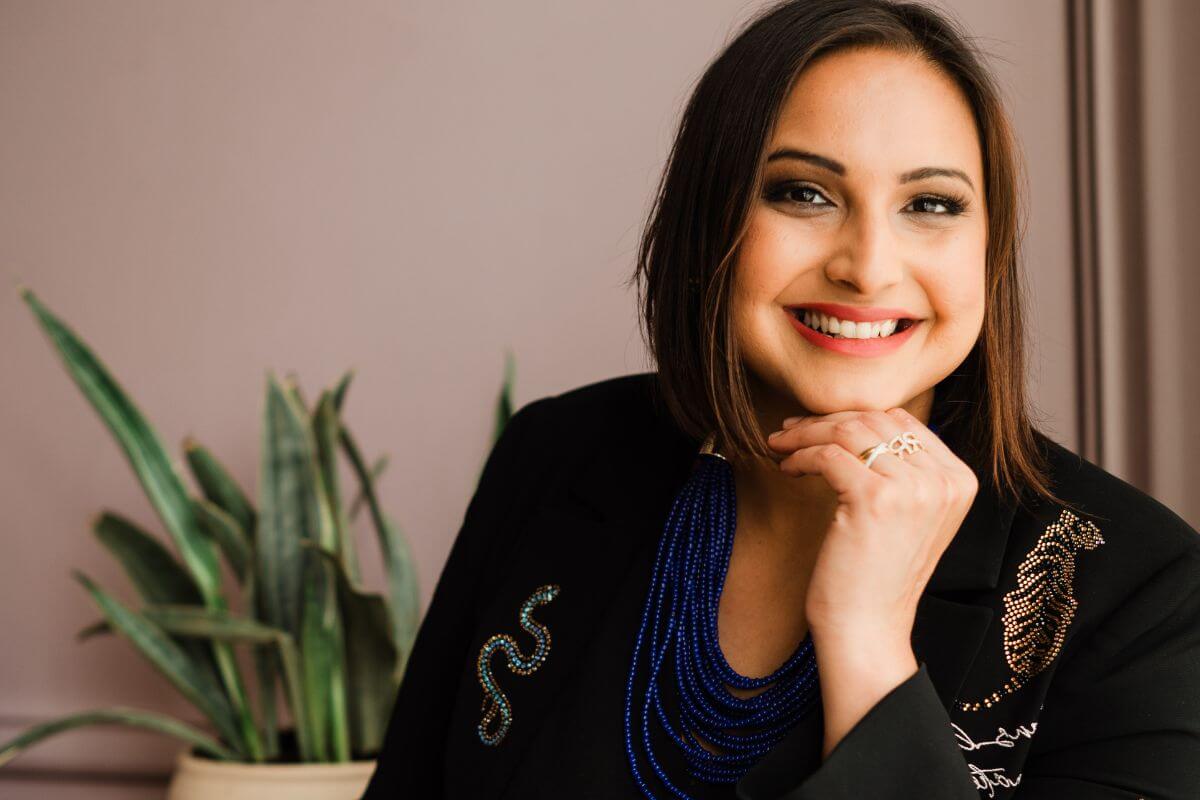
Ruchika Malhotra—a leadership and inclusion strategist and founder of Candour, a global inclusion strategy firm, whose writing has been featured at the Harvard Business Review, New York Times, TIME, the Wall Street Journal, and more—offers a new framework for flourishing in the workplace and our personal lives UNCOMPETE. Drawing on Ruchika’s own experiences working with corporations as a sought-after inclusion strategist, as well as interviews from business and community leaders and the latest research data, UNCOMPETE invites us to unlearn the instinct to compete in every single aspect of our lives, instead choosing collaboration over competition, abundance over scarcity, and long-term gains over short-term wins. It’s a framework that yields not only a happier workplace, but a far more successful one, and it can transform our work and our lives.
What changes have you seen in the media during your time as a journalist?
I entered journalism in 2008 (and had media internships beforehand). Within five years, the biggest disruption was technology–it was an unprecedented change to see news move from “our newsroom’s small set of editors gets to decide the top stories” to “here’s instant reader/viewer feedback on what stories matter to them.” I think it also helped journalists build more trust with audiences and develop sources more broadly, and brought in a diversity of new voices who are sharing news and information outside legacy media outlets.
But it’s not all good. One drawback for female journalists is the rise of online harassment and worse that we’ve had to contend with. I was teaching journalism classes at Seattle University after I left the industry and my colleague Dr. Caitlin Ring Carlson published eye-opening research on how online harassment of U.S. female journalists was eroding press freedom and democracy. It tracked with my experience and of many journalists I met.
How can a writer today position themselves as a journalist given the change in how media is distributed and consumed?
This is tricky and nuanced. I’m thrilled to see more diversity of voices, especially as legacy media isn’t always inclusive and diverse to all. However, there’s deep concern that anyone with an internet connection now can brand themselves as a journalist without abiding by the rigorous ethics and fact-checking that trained journalists adhere to.
So to brand yourself as a journalist, I would be diligent about fact-checking, providing resources and data and disclosing conflicts of interest in all the communication you put forward. Being able to build trust with your audience for ethical, fair, fact-checked reporting is the surest way to position yourself as a journalist.
In your book, Uncompete, you’re guiding professionals to step back from hustle culture and competition and towards collaboration and long-term gains. How can a journalist carry this mentality into their career?
I think about this all the time, because in operating in various newsrooms, I could see a noticeable difference between collaborative vs hyper competitive newsrooms. In the collaborative ones, I was motivated by making a difference and also felt supported and like I could really push myself when I reported stories because my newsroom had my back. In competitive ones (Especially in my time at a business wire), I was fearful, stressed, anxious and burnt out. Sometimes it impacted the types of stories I reported–favoring what would have me “win out” my competition for front page or prominent website positioning vs. stories that needed to be told.
I think collaboration is necessary to build longevity in a tough and constantly changing industry. I’ve benefited greatly in the long run from sharing contacts, advice, mentoring and being mentored and overall focusing on believing there’s more room for all of us to succeed, and therefore also serving the public more effectively.
What are ways that journalists can collaborate with one another in the current media landscape?
I think the best stories are told collaboratively.
The NYT agreed to hire me as a freelance writer to collaborate with established NYT journalist Alisha Haridasani Gupta, on an investigative story on privacy concerns and how mental health benefits were being misused by employers. We worked together tremendously well to tackle a complex and under-the-surface story and were encouraged to each focus on how we could lift each other up in our reporting and fact-finding, by our brilliant editor, Francesca Donner.
I recommend reaching out to and making connections with journalists working on similar beats and collaborating on longer and complex stories, where possible. When we build on a story reported by our colleagues, it’s necessary to give credit where due and link to their work too. I think the idea that you have to be the “first”to report a story is now less important than building on stories and offering expanded information. But credit is necessary!
What do you think competition has done to the world of journalism?
I worry it’s eroded trust and also allowed more media outlets to focus on clicks/eyeballs and engagement that’s to do with outrage and strong emotions over news that informs and builds awareness. It’s impacted nuance and press freedom for sure. The type of polarization that exists in the media is a result of winner-take-all competition.
However, I will say that compared with all the other fields I’ve personally worked in; academia, technology, business development and now, entrepreneurship, I’ve found my career in journalism to be the one where there was most camaraderie with other journalists. I think we intrinsically “get” how challenging this field is and how thankless it can be. I have no doubt that paradigm-shifting journalism (I’m thinking of investigative reporting from #MeToo to the Flint water crisis to microplastics)–all came from radical collaboration, teams supporting each other and the belief that change in society comes from working together, not against one another.
If you were starting over now as a journalist, what would be your strategy?
I’d work to establish my community and audience first in whatever medium I was pursuing (I’m still a writer at heart, so writing articles or social media posts) and use data and storytelling to build my brand. I also believe strongly in “zagging” when everyone else zigs. Much of how I established my reputation once I left full-time reporting was to look for stories that others weren’t covering, or seek unheard and under-covered voices to build out on trending stories.
What are your tips for writers to stop comparing themselves to others?
This is really hard, especially in the social media age! I try to remember that the opportunities and stories that were made for me will come around for me. I’ve researched on the impact of having an abundance mindset–believing opportunities are everywhere, rather than limited (a scarcity mindset) and found that some of the best ways to cultivate an abundance mindset is through celebrating others’ wins, keeping a gratitude list or speaking out what you’re thankful for and figuring out what the comparison feelings or envy is telling you–is it a signal you want to pivot? Or do more of that kind of writing/reporting that caused the envy?
What do you think the future of journalism looks like? What skills should writers be focused on building for the coming age of AI and a media marketplace where there is a lot of over saturation already?
I won’t lie and say that I’m not deeply concerned about the future of journalism in an age of AI where dis- and misinformation can spread widely if not better checked. More of us receive our news from social media platforms that aren’t media outlets bound by journalistic ethics or even media laws in many cases.
But, this is an opportunity too! Skills to invest in are how to familiarize yourself with AI technologies that support your writing and likely relieve some of the more onerous tasks of being a journalist–from transcription to building an online brand. Embracing the tools and learning how they can best support my career goals is the strategy I’m employing.
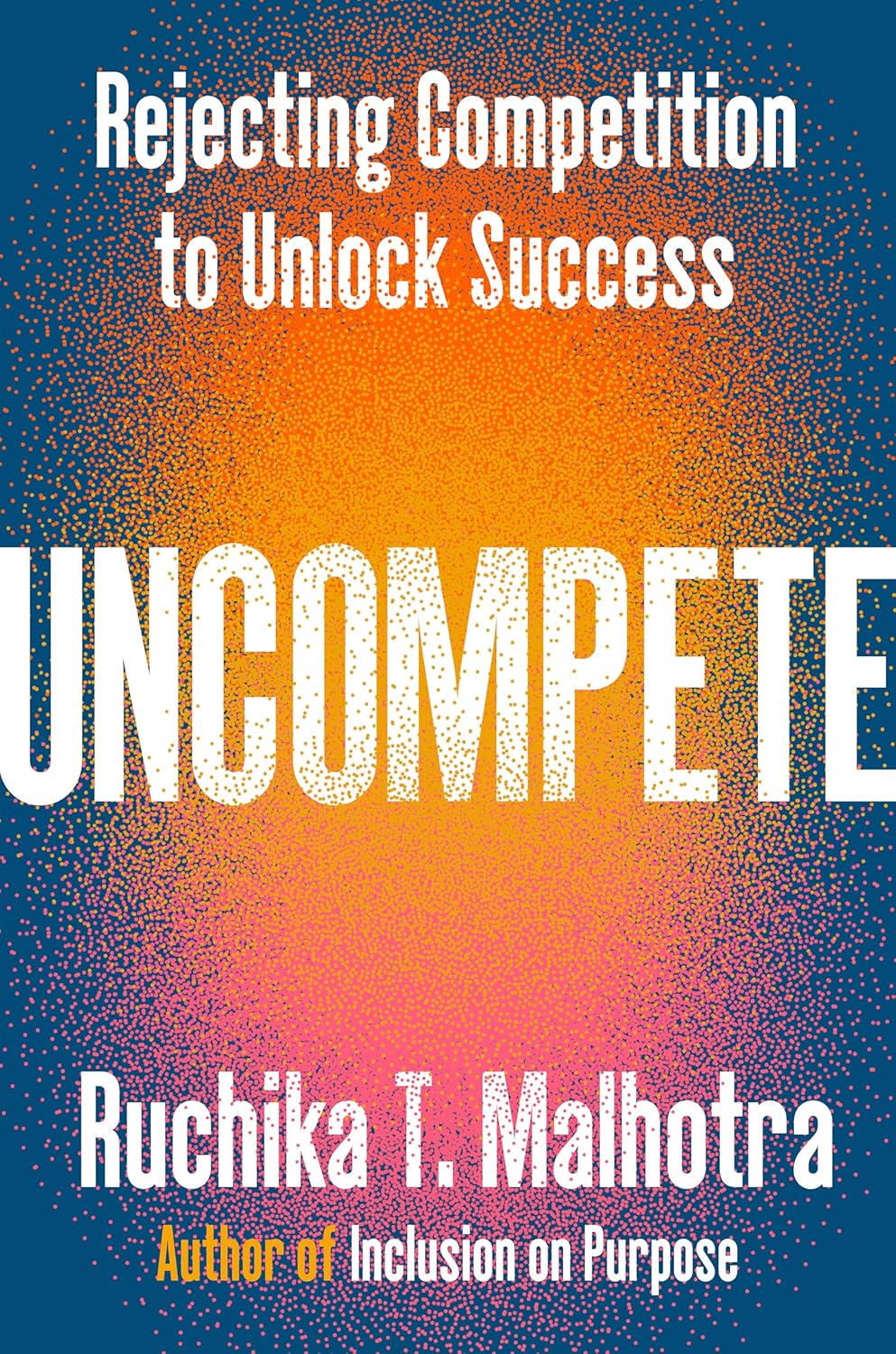
Uncompete by Ruchika Malhotra
This book argues that our obsession with competition isn’t motivating—it’s draining, fueling burnout, anxiety, and a scarcity mindset that keeps people isolated. Drawing on the author’s work as an inclusion strategist, along with interviews and research, it offers a new framework built on collaboration, solidarity, and mutual support. Instead of chasing success at someone else’s expense, the book shows how to shift toward abundance, celebrate others’ wins, and create workplaces where more people can thrive. Ultimately, it’s a mindset reset that reframes success as something we can build together.
Buy the book now: Bookshop.org | Amazon

Leave A Comment