
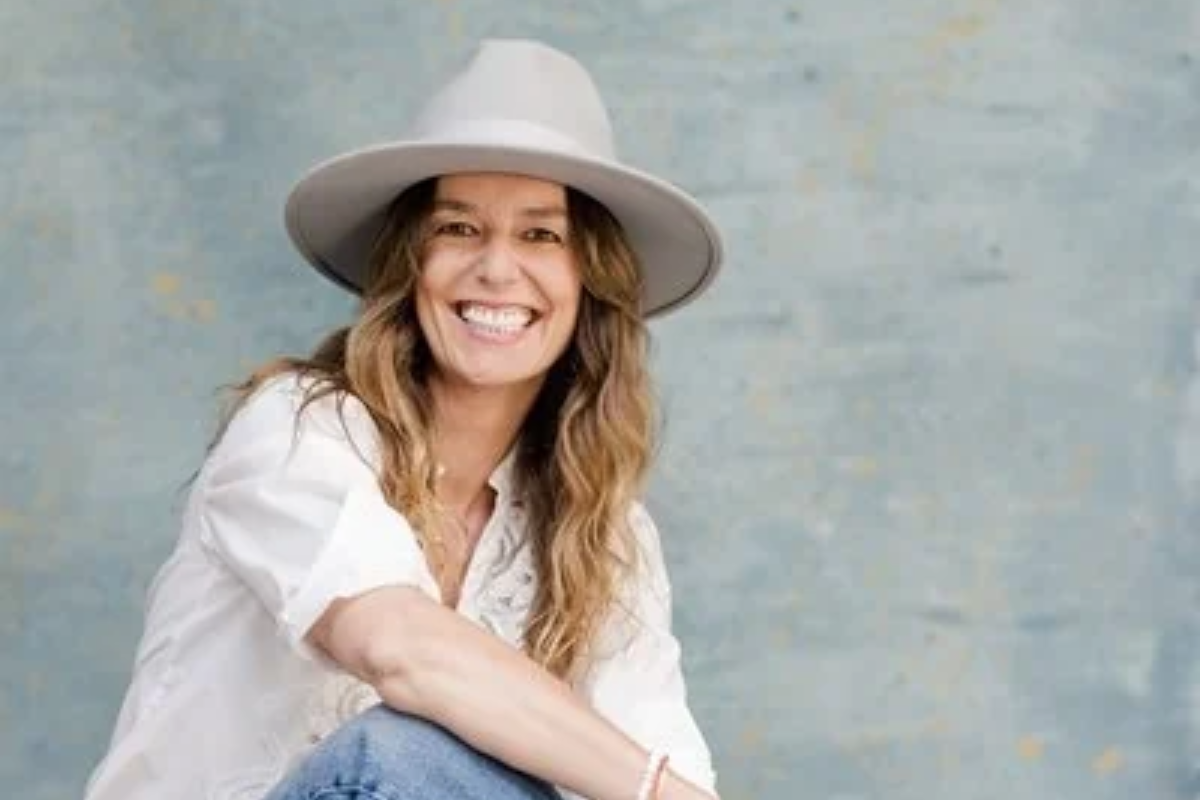
Born and raised in Yorkshire, Alexandra Potter studied English Literature at Liverpool University before embarking on a career in magazines in London and Sydney, including a stint at Vogue. Her debut novel, What’s New, Pussycat?, was published in 2000 and became an immediate top ten bestseller. Since then, she has written fourteen novels, translated into over twenty-five languages, including Confessions of a Forty-something F##k Up, which sold over 250,000 copies in the UK and inspired the US TV series Not Dead Yet, starring Gina Rodriguez. After several years in LA, she now lives in London with her Californian husband and Bosnian rescue dog.
When I first had the idea for my novel, One Good Thing I knew I wanted my heroine, Liv, to be firmly in her forties. Women in midlife are avid readers, we are in book clubs, attend author talks, are active on Bookstagram and are constantly recommending books to our friends. Indeed, such is our enthusiasm and book-buying power, we are considered the financial backbone of the book industry. Yet as an author who is also in mid-life, I didn’t feel seen in fiction.
This felt particularly important to me, because midlife is a time when women can begin to feel invisible. I wanted Liv, recently divorced and trying to start over again, to reflect what it’s like to be in this stage of life; when you might feel it’s all over, only to discover that actually, the best is yet to come. Because in fact, this new chapter can often bring new adventures, new friends and also, new love, in all its many forms.
But while I love writing mid-life fiction, it wasn’t always this way.
As a Sunday Times bestselling author of fifteen novels, with a career that has spanned over a quarter of a century, I started out as a bright, young, twentysomething writing romantic comedies about bright, young, twentysomethings, doing all the things that I was doing at that time: dating, falling in and out of love and looking for The One to spend the rest of my life with.
As I grew older, my heroines remained the same age. For several years I wrote high-concept romances, young heroines dating their fictional heroes in Me and Mr Darcy or time-slip romances about meeting your younger self in Who’s That Girl? but the central theme was always the classic ‘girl meets boy and lives happily ever after’ romance trope.
Until I found myself in my mid-forties one day, realising I was no longer interested in writing those books as I didn’t want to read those books anymore. A clear sign that it was time to change. I was interested in what it was like to be in your forties and beyond. In what we now call mid-life. I wanted my heroines to be older, to have experienced something of life with all its trials and tribulations. How did ‘romance’ look in mid-life? How did love look? And was it even the central theme of a novel anymore?
Which is when I had the idea for Confessions of a Forty-Something F##K Up a fictional novel about Nell, who finds herself at forty-something with a life that hasn’t quite turned how she imagined – in a world of perfect Instagram lives, she feels like a disaster. But when she starts a secret podcast and forms an unlikely friendship with Cricket, an eighty-something widow, things begin to change…
This was my first attempt at writing an older, messier heroine, and whilst I adored Nell, I wasn’t sure if anyone else would relate to her. It felt like a risk to not only move away from my much younger, fictional heroines, but to make this novel much grittier and realistic, whilst still retaining the humour, warmth and romance I was known for. Even the title felt risky. And I’m not just talking about the four-letter-word, but the reference to being – shock, horror – forty-something.
What happened next, took everyone by surprise. Women of all ages loved Nell. Not just women in mid-life. They laughed with her and cried with her. She gave them hope, made them feel less alone, but most importantly, she made them feel seen. Readers also adored Cricket, her eighty-something sidekick, proving yet again that older, empowering heroines are who we want to see in fiction.
Confessions of a Forty-Something F##K Up became a huge, global bestseller, selling millions of copies worldwide, and was the basis for the hit US TV show, Not Dead Yet, ABC’s most watched comedy debut in four years, which ran for two seasons and starred Gine Rodriguez.
Furthermore, whilst there is a romantic storyline in this novel – it’s not too much of a spoiler to say that Nell does find love again – it’s not the central theme. In fact, the biggest love story in the book revolves around Nell falling in love with her life. The same can be said for Liv, in One Good Thing and also Maggie, my fifty-year old heroine in So, I Met This Guy…
Which leads me back to the topic of midlife romance and how we define romance in midlife. Because whilst traditionally it has always been about the love between two people, I have found that writing these stories has allowed me to explore all the different forms love and romance can take as we grow older. Whether that be the love we enjoy in our female friendships, which are often some of the most enduring relationships in our lives. Or the love we have for our pets, as Liv discovers when she adopts a rescue dog called Harry, in One Good Thing. Or perhaps, it’s the love we find for ourselves and our lives as we grow older. Because surely, that is the greatest love affair of all.
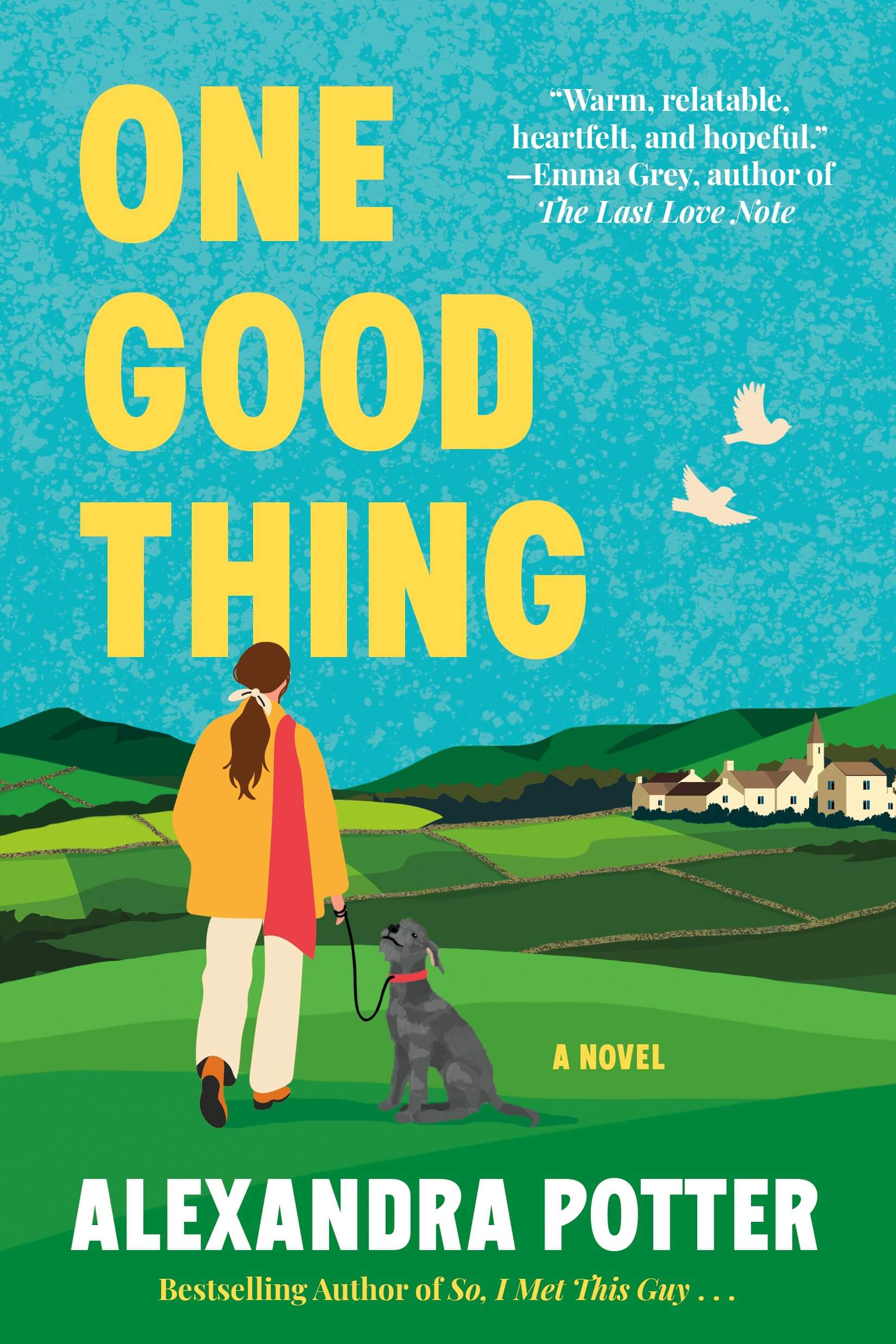
One Good Thing by Alexandra Potter
Determined to have a fresh start after her divorce, Liv Brooks gives up her life in London for the calm hills of Yorkshire Dales. However, feeling lost and isolated, she decides to adopt a grouchy old dog named Harry from the local shelter. He keeps her company while she renovates the collapsing cottage she has taken on. Soon enough, Liv realizes she’s not the only person who needs a new beginning. As her and Harry walk around the village, they meet Valentine, an old man suffering from loneliness; Stanley, a timid little boy; and Maya, a teenager trying to figure out the world. With the help of endearing Harry, they each begin to rediscover themselves. Sometimes one good thing can make life worth living again.
Buy the book now: Bookshop.org | Amazon


Leave A Comment