

Addy Baird is a writer, reporter, and baseball fan. With a background in political investigative journalism, she has written and worked for BuzzFeed News, POLITICO, VICE, The Daily Beast, The New Republic, and The Salt Lake Tribune among other outlets. She is a Mets fan and an astrologer.
When I began writing my book, The Magical Game, my biggest fear was that I didn’t have the discipline to finish it—and, at least for the first few months of the process, that fear felt like it was coming true.
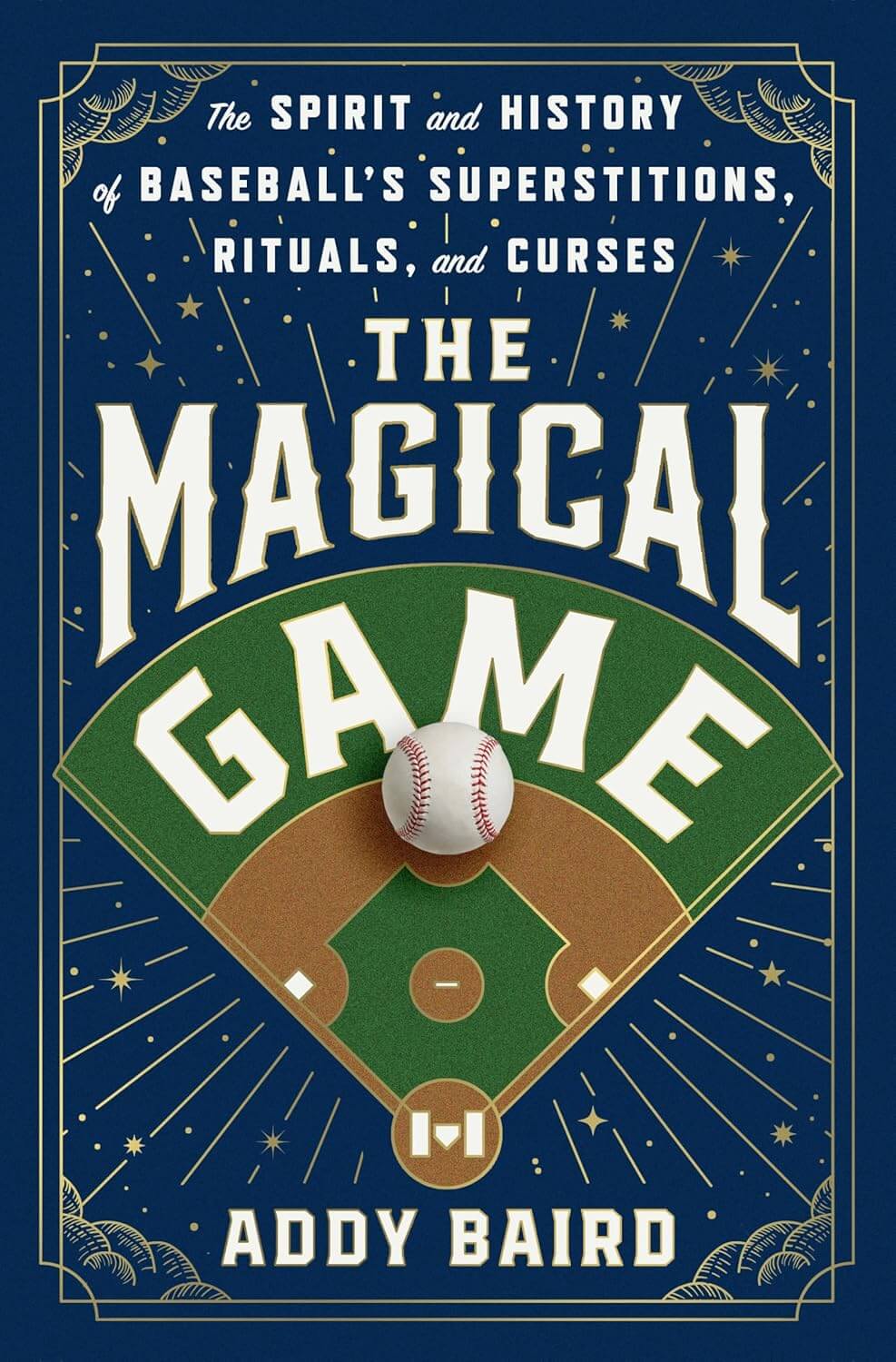
Buy the book now: Bookshop.org | Amazon
My work as a writer up to that point had been almost exclusively in newsrooms, working on tight deadlines and quick timelines, and the looming, enormous process of a book scared me. It was a hot topic in the therapy office.
But with time (and a lot of reading about writing—Novelist as a Vocation by Haruki Murakami really unlocked something for me), I started to settle in. I found a loose routine that worked for me: 1,000 words every day, whenever I could fit them in. I would write up the research I’d done that day and just let it be, returning to edit only once I’d finished a first draft of the whole chapter.
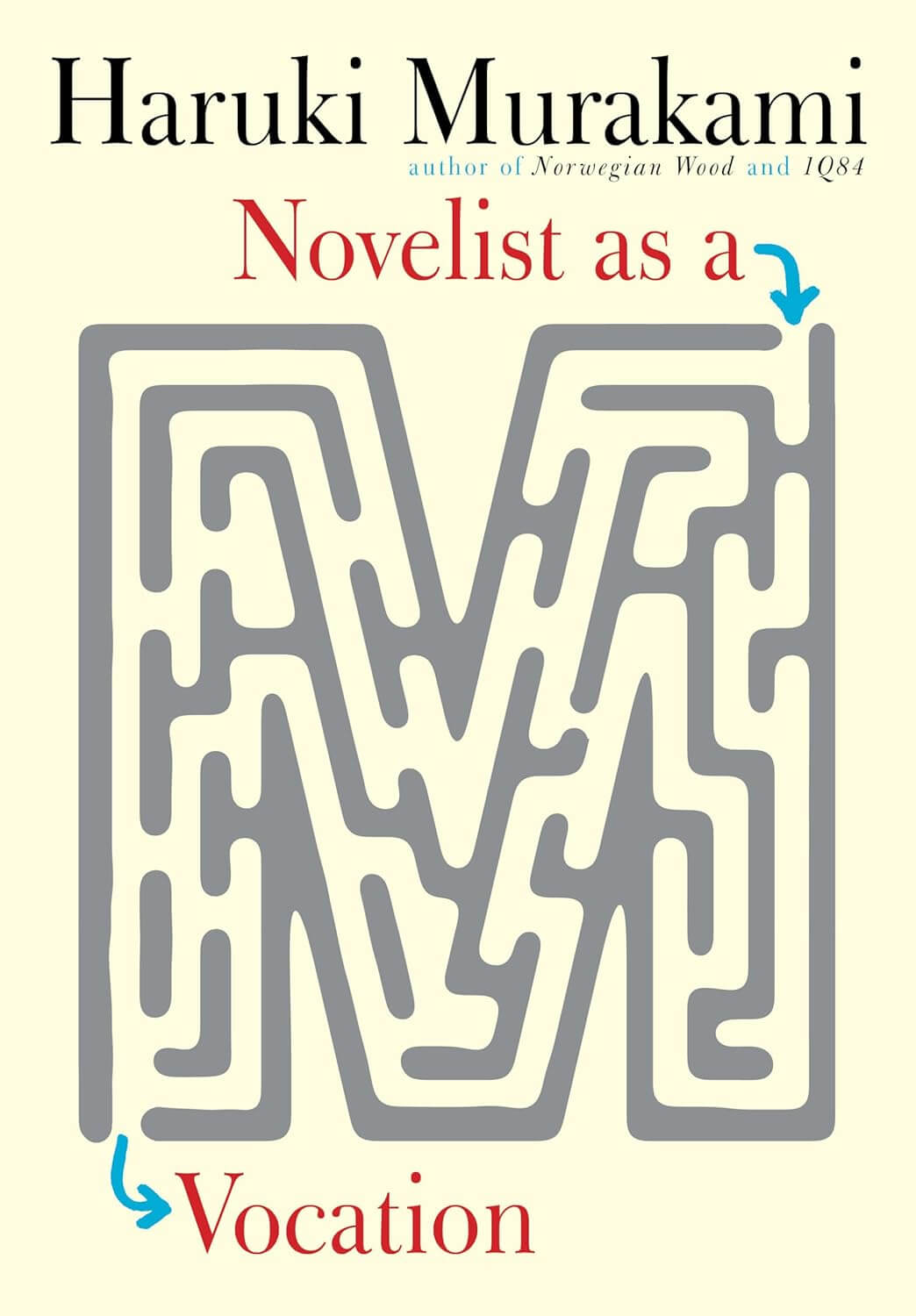
Buy the book now: Bookshop.org | Amazon
The process, while I was in it, often felt oppressive. I wrote during lunch, skipped workouts, canceled plans, but knowing I was steadily moving toward a full draft of my book was a relief. And when I finished, I expected to feel freed. Instead, I felt strangely unmoored.
Throwing myself into writing outside of my day job, I realized, had been an under-appreciated pleasure. It gave my life a sort of anchor and my creativity a channel to funnel through. I wanted to find a way to recreate that (on a somewhat less pressure-filled level). When a friend suggested I start a Substack about astrology, I got excited.
Astrology has long been a passion of mine, and I became particularly fixated on the ancient divinatory practice while writing my book. I saw the role of Saturn in my newfound relationship with creative discipline, saw the impact of Mercury and its retrogrades in my relationship to the book itself, began to work with the moon to continually renew my dedication to my art, and eventually began reading birth charts for my friends.
I loved sharing the things I saw in the stars with the people around me, and I had experimented with Substack before. I’d written about baseball for a friend, had a short-lived food blog, and had attempted to start a virtual book club, but all of my attempts had fizzled. Still, the idea of an astrology newsletter excited me, and I wondered if I could take my newfound creative discipline and apply it to this new experiment.
So, last September, with the new moon in Virgo, I wrote my first astro Substack. I didn’t even change the name from when the newsletter had been a short-lived book club; I just sat down, let it flow, and sent it out into the void. I decided I would write the newsletter once a week, and that I wouldn’t be a perfectionist about it. I would just write what I felt about the astrology of the moment and see what happened.
My book isn’t about astrology. It’s a baseball history book, an exploration of the sport’s history of superstition and the magical culture that’s been so central to the game for so long, but as I began writing my newsletter, I felt myself supported by that work.
I realized how much my years of research on psychology, the occult, and the history of magic prepared me to write about astrology. Writing my book also gave me confidence in my voice, and I felt that translate to my newsletter. The newsletter in turn helped me to continually refine my voice.
In the months since, I’ve found my Substack (which did finally get a new name, AB Cosmos Club) to be an incredible creative outlet. I get excited every week to write it, and getting into a groove of writing weekly has offered me that creative anchor I needed.
In truth, I haven’t really worked to promote the newsletter. I post it to my Instagram each week and call it a day. I write what I want and figure it will find the people who resonate with it, and slowly but surely that’s been the case.
It took several months of writing the newsletter for me to realize that this side project also allows me to reach a new audience for my book—one I’d always hoped to find but worried wouldn’t be drawn to it: witchy women. While my book is certainly for baseball people, I also see it as a book for people interested in magic, superstition, divination, and the spiritual realm more generally.
By using my Substack to speak directly to that group, I’ve been able to build a relationship with an unexpected base of readers, and in that way the seemingly “off-topic” topic I’ve focused on in recent months actually supports the book itself.
The newsletter has reminded me again and again that none of our creative pursuits live in a vacuum—writing begets writing, art begets art. The hardest part was turning off my inner critic and sitting myself down to begin again.





Leave A Comment