

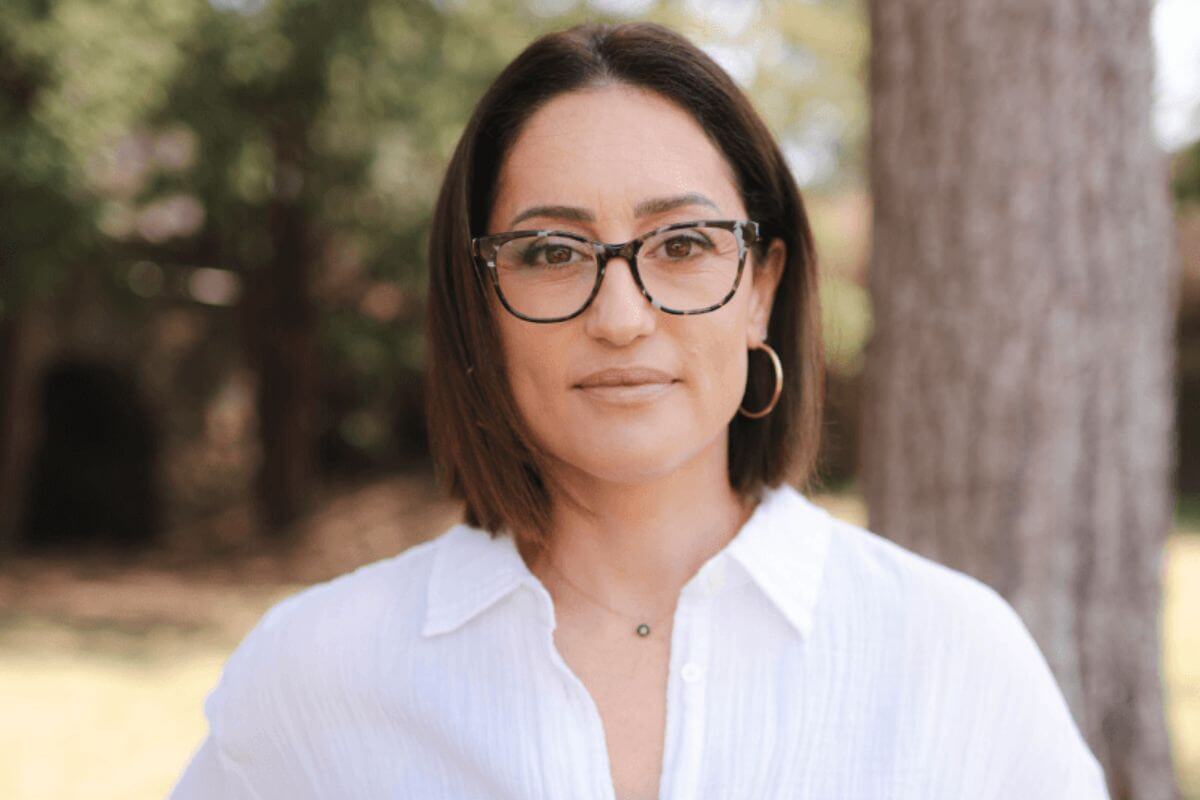
Dr. Corey Seemiller is an award-winning faculty member in the Department of Leadership Studies in Education and Organizations at Wright State University, with nearly 30 years of experience in higher education as both a faculty member and administrator. She has previously served as Director of Leadership, Learning, and Assessment at OrgSync, Inc., and as Director of Leadership Programs at the University of Arizona, with expertise spanning leadership, civic engagement, career development, fraternity and sorority life, and social justice. An avid hiker and outdoor enthusiast, she’s known for “living big” and embracing opportunities to learn, grow, and connect.
When I was in elementary school, I wrote a short play about a king misplacing his bag of gold and instead, accusing one of his servants of stealing it. The plot was edgy . . . so much so, I was sure it wouldn’t be picked as a winner in my school’s writing competition. A couple months after I submitted my entry, all my classmates were shuffled into the gymnasium to watch an outside theater troupe perform the winning play. To my surprise, out came an actor dressed as a king, carrying a bag of gold.
I went on to write more plays, poems, songs, and short stories . . . and later as an adult, op-eds, academic articles, non-fiction books, an illustrated children’s book, and most recently, a memoir. Of everything I have learned throughout my lifetime as a writer, four lessons stand out that have profoundly shaped the way I approach writing.
Create Inspiration But Follow Your Intuition
A question I often get asked is, “Should you set aside a fixed time to write or wait until you are inspired?” This is actually not a question of choice. It is a both/and.
I schedule dedicated time as frequently as I can to make sure I prioritize my writing projects. For example, my online writing group meets Tuesday evenings for one hour. No matter what happens during the week, I always know I have one uninterrupted block of time on the calendar. If I can schedule more, I do. By setting aside a specific time for writing, I know I won’t let a project distance itself as life becomes busier and busier.
But, what if I’m not inspired during my scheduled writing time? For one, research has found that it takes about twenty minutes to get motivated to do just about anything. So, chip away at what you can for the first twenty minutes, and then inspiration will likely come. Second, if you are “supposed” to work on one part of the project but aren’t feeling called to do so, write something else. This happens to me quite often. I sit down, ready to tackle one part, but then intuitively feel the pull to work on something else. So, I do that instead.
What if you feel a sense of inspiration outside of your set writing time? Easy. Just write.
Avoid the Rabbit Hole But Use the Parking Lot
I used to watch movies like this: “That actor looks familiar. What has he been in before?” I then look him up online, only to find a link to another movie he did, which inspires me to click yet again. By the end of my search, I have now learned all about Olympic pole vaulting. How did I get there? Who knows? That is the rabbit hole. And, we often go there when writing. Whether you are trying to get the correct name of a tree that only blooms in one specific geographic area or you want to make sure you are describing the accurate attire for a character in your historical fiction novel, if you aren’t careful, you will slide into an oblivion of information.
When I realize I’m about to slip into a rabbit hole, I ask myself if what I am looking for is actually relevant to what I need to know. If it isn’t, I cease my efforts. If it is, but the search has already started to lead me astray, I park my inquiry in the “parking lot.” This is the area I come back to later with a fresh mind. So, before I watch ten videos, look at countless images, and read twenty blogs that are loosely or even completely unrelated to my topic, I just put a note in my parking lot with a very specific prompt such as, “What was the typical dress for people living in Spain in 1910?” I then leave my question there until I can focus only on that answer and am no longer enticed to go down a rabbit hole.
Write Exactly What You Imagine But Don’t Force Your Writing
We have a nearly infinite number of words in the English language we can use to describe a scene or character, narrate a plot, explain a phenomenon, or articulate an argument. Thus, even those pieces of writing that seem similar, are wholly unique by the words used. For instance, imagine I’m writing a story about a large boulder crowding a trail, forcing hikers to traverse the slick rock to continue on their trek. If I instead opt to talk about a big rock that fell on the path and now hikers have to climb over it, you get a different image . . . in essence, a slightly different story. So, while we have the artistic liberty to choose any words we want, there are particular ones that best tell the tale of what we imagine in our heads. What is the story you want to tell, and what specific words best tell it?
What if you are searching for the exact words and they just don’t come to mind, though? Instead of waiting for an epiphany, we often write something close to what we want to say and then wordsmith it over and over, trying to make it sound better. That can sometimes work. But, when a small tweak doesn’t do the trick for me, I delete the whole sentence and start a totally different one from a new vantage point. This prevents me from getting stuck trying to fix something that simply needs to be replaced. If that doesn’t work, I walk around the block, work on another project, or even sleep on it. Then, when I return, the exact words I want typically come to the surface and then onto the page.
Welcome Feedback But Also Seek It Out
For most of my life, I dreaded feedback as it made me feel as though my work wasn’t up to par. While some feedback hasn’t been as useful, most of what I have gotten over the years has been spot on, especially when it came to best describing scenes and characters. For example, say you get a note from an editor that says this: “What did the park look like that your character was walking through?” You might be inclined to think, “Who cares? It’s just a park” or “It’s a park with benches and big trees. Everyone knows what a park looks like.” But, the editor clearly couldn’t envision what this park looked like in the scene, and it is to your advantage as the writer to welcome this feedback and thus, provide a few more details in your description. Remember, you can’t sit next to every reader and explain what you meant to write. You have to write what you meant so they too can visualize the story. Let those editors, readers, friends, and others help you see what you might be missing as you transfer the story in your head to the story on paper.
But, you have to do more than just “accept” feedback when it is given; you have to also seek it out. In writing my memoir, I consulted a therapist, an attorney, friends, the characters, developmental and content editors, a memoir coach, our librarian in residence, writing group partners, and a life coach. I truly welcomed their feedback as a gift to me, and my manuscript was infinitely better for it.
While all of these writing lessons have served me well, no matter the project, I can’t help but think back to my younger years. Perhaps if I had known then what I know now, my King and the Gold play could have been launched into a Broadway success!
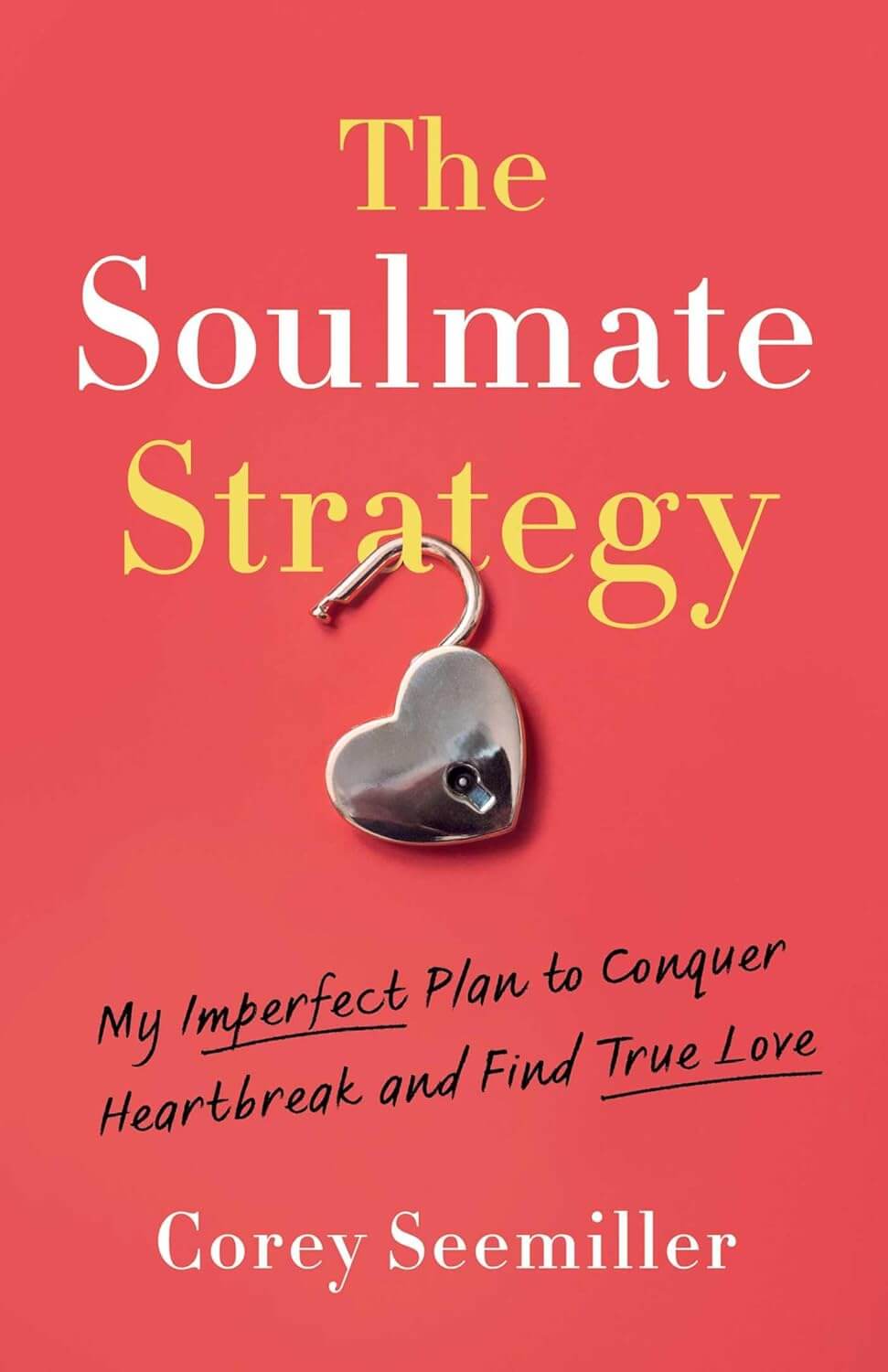
The Soulmate Strategy by Corey Seemiller
After a photo of her ex boasting a “happily ever after” goes viral days after their breakup, forty-something lesbian Corey decides to take love into her own hands. But no amount of checklists, psychics, sessions with her breakup coach, and Eminem songs can find her true love. That is, until two loves appear in her life, and she must choose the path that will protect her heart and lead her to true happiness.
Buy the book now: Bookshop.org | Amazon












Leave A Comment