
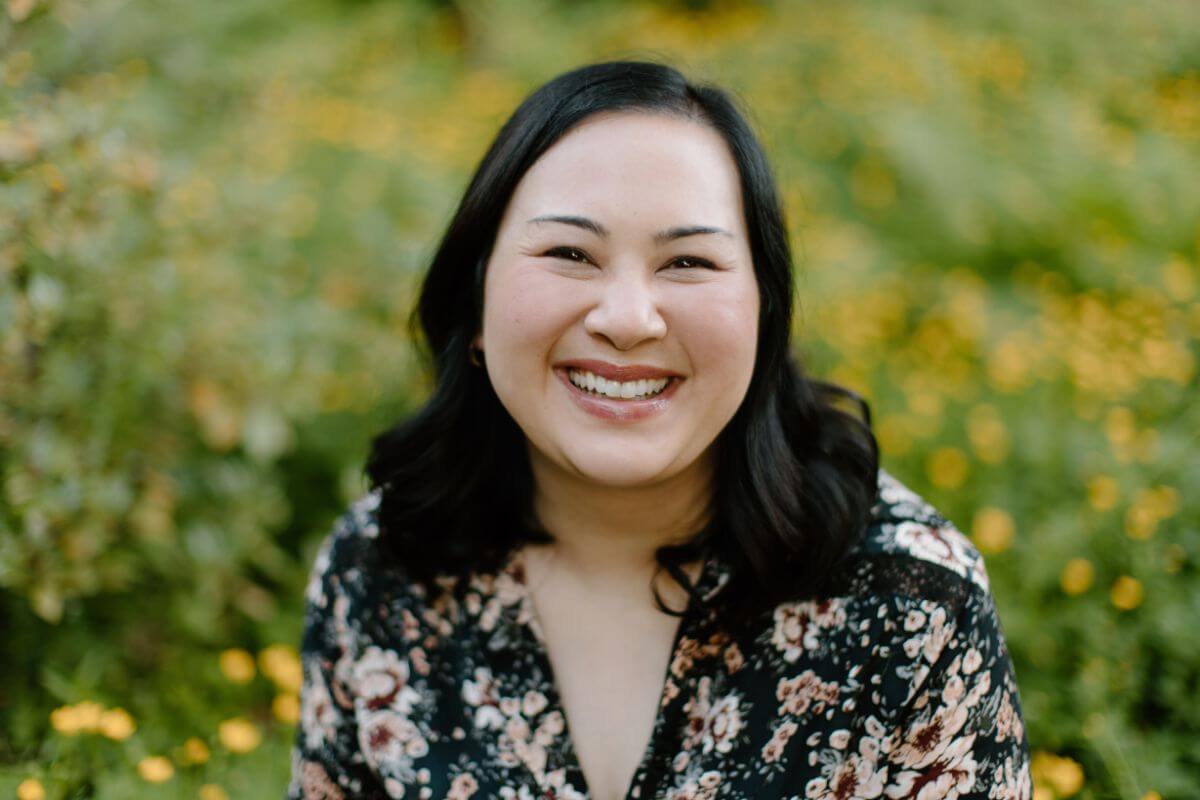
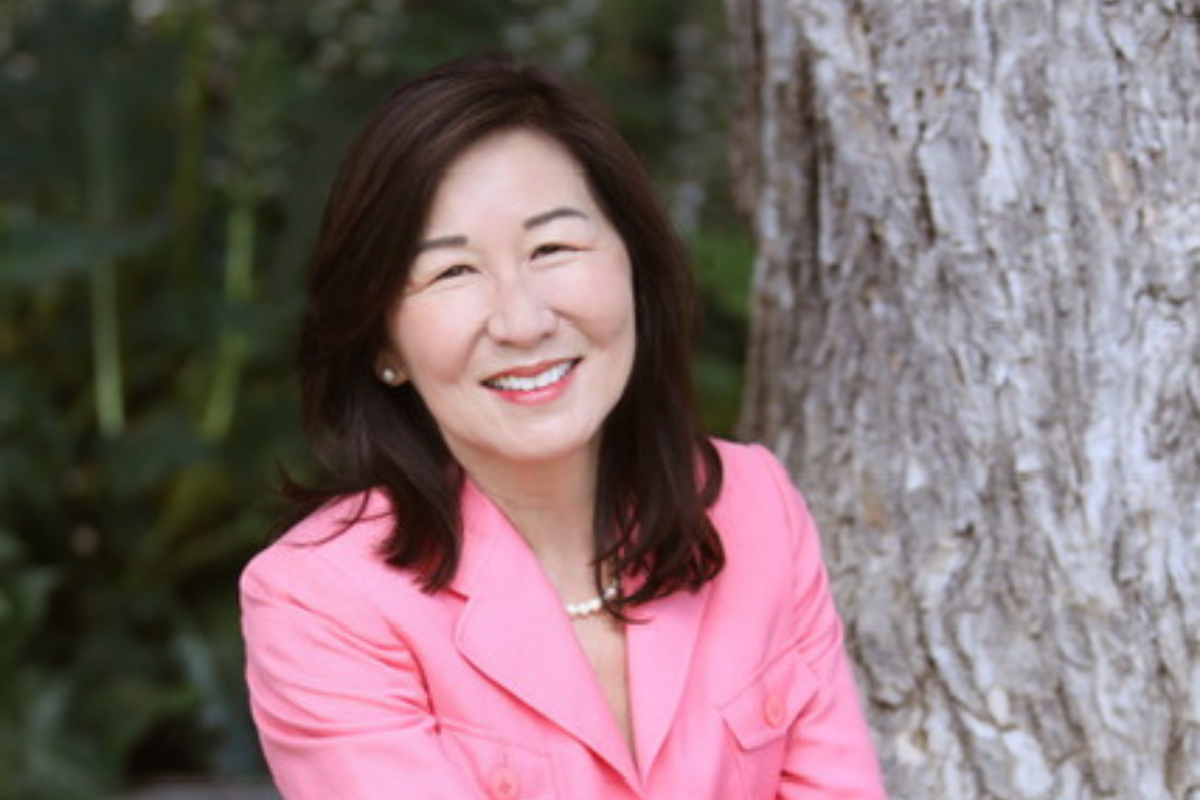
Emiko Jean is a New York Times bestselling author of young adult and adult fiction. Her work has been translated into over thirty languages. She lives in Washington with her family.
Tell us about Love Me Tomorrow. What inspired this particular story?
Love Me Tomorrow follows Emma Nakamura-Thatcher, a guarded violinist who starts receiving mysterious love letters from someone claiming to be from the future. The letters know things about her no one else does—her secret wishes, her fears, her dreams. As she tries to unravel who’s writing to her, she has to confront the question she’s been avoiding: Can she trust love when she’s already watched it fall apart?
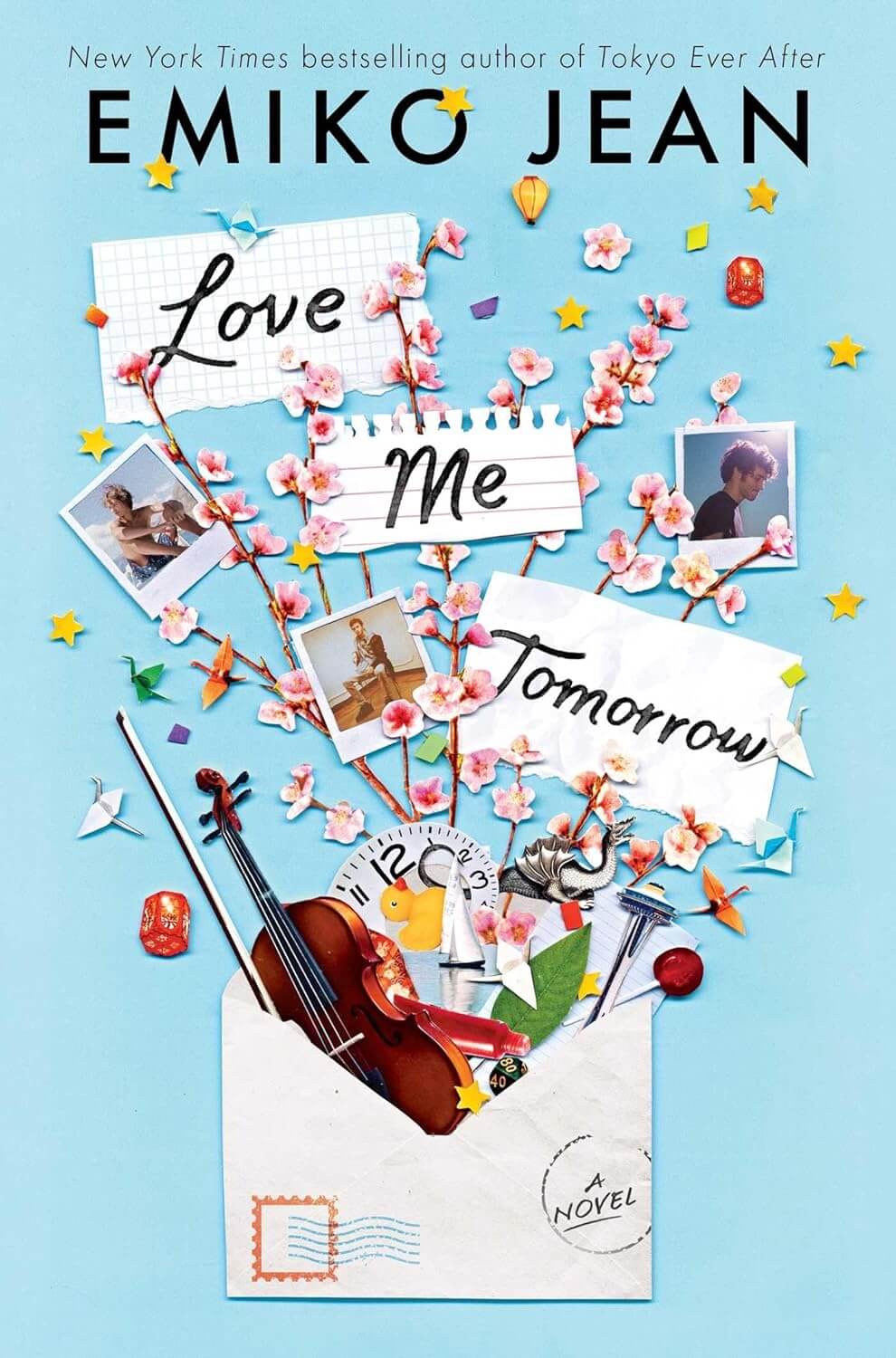
Buy the book now: Bookshop.org | Amazon
Most of my books start with a “what if” question. What if a girl received love letters from someone in the future? That opened up so many layers. The mystery, the romance, and the deeper question of trusting love when you’ve been hurt. Sidenote: the fear-of-love theme is personal to me. Emma’s walls mirror my own experience with my parents’ divorce.
What was it like switching from a thriller to a YA romcom? Did it feel like a huge shift or were there aspects that carried over?
Honestly, I find them to be pretty connected. Both rely on tension and pacing. The question the writer and reader should always be asking is “what happens next?” The stakes differ though. In a thriller it’s usually life-or-death and in a romcom it more emotional. But the mechanics of keeping a reader turning pages translate across genres.
What changes is the emotional register. Writing romance requires vulnerability in a different way. I think, you’re asking readers to invest in hope rather than fear. But the craft of building suspense, planting clues, and delivering satisfying payoffs? That carried over completely.
This book offers some magical/supernatural elements. How did you approach developing this particular magic system?
I wanted the time-travel element to feel grounded in emotion rather than science. The “rules” aren’t spelled out in technical detail because that’s not the point. The letters function as a way to externalize Emma’s internal question: Can I trust this? Can I trust love?
The biggest challenge was making sure the letters worked as plot engine, not just a pretty motif. They had to actively drive Emma’s choices and growth. I spent a lot of revision time on the logistics—what the letter writer could and couldn’t reveal, how information traveled, what the stakes were if Emma believed versus didn’t believe. I also realized very late in the revision process, about six drafts in, that Emma should be able to write back to the letter writer. This created a dialogue and really opened the book up for me.
A lot of authors want to write across genres, but aren’t sure how to navigate this challenge within the industry. How have you approached your publishing journey given the variations in the genres you write in? Was that always the plan or has that happened organically?
Organic and intentional. I’ve read a wide spectrum of books and that’s reflected in what I like to write. I started in YA because that’s what I was reading at the time, and YA literature tends to be more open-minded about bending genres—you can mix romance with fantasy with mystery and readers embrace it. But I always had other stories percolating, and I think I knew eventually I’d write for adults too.
My advice to writers worried about genre-hopping: write the story that won’t leave you alone. That’s the most fertile soil.
What is the best piece of writing advice you’ve ever received? What’s the worst?
Best: ”You can’t fix a blank page.” It gave me permission to write badly, which is the only way to eventually write well.
Worst: ”Stay in your lane.” I think you can guess why J.
Name a book that has shaped your writing and how.
This is hard to answer because writing is always evolving, and I find myself reshaped over and over again. Books that molded me ten years ago aren’t the same ones shaping me now.
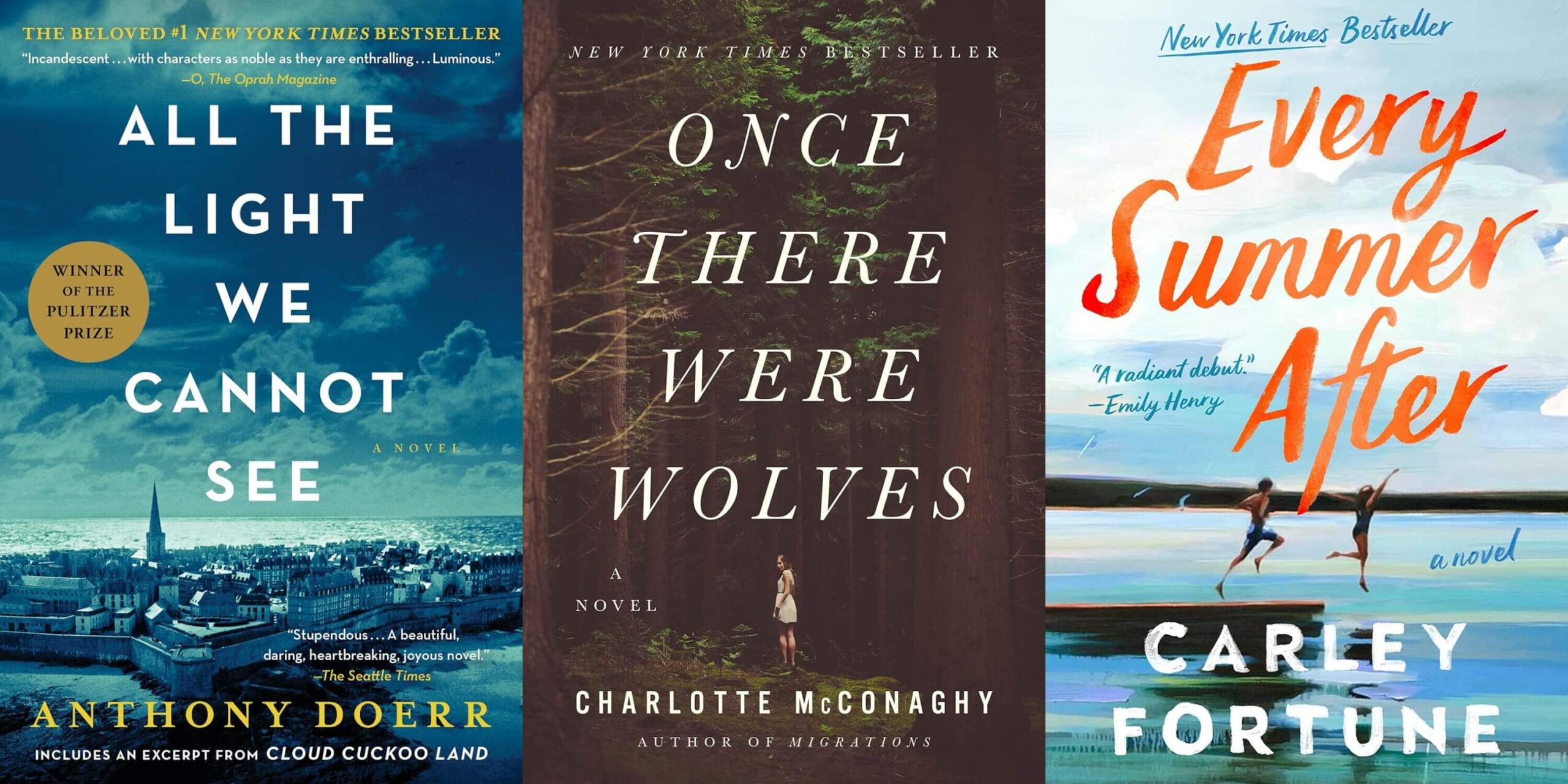
That said, books I’m admiring right now: All the Light We Cannot See by Anthony Doerr for the prose and how he handles dual timelines (something I’ve been experimenting with in my most recent work). Once There Were Wolves by Charlotte McConaghy for the atmospheric writing and how she weaves trauma into landscape. And Every Summer After by Carley Fortune for the balance of humor and heart, the longing, and how she makes accessible romance feel emotionally complex.
What are some of your favorite writing resources?
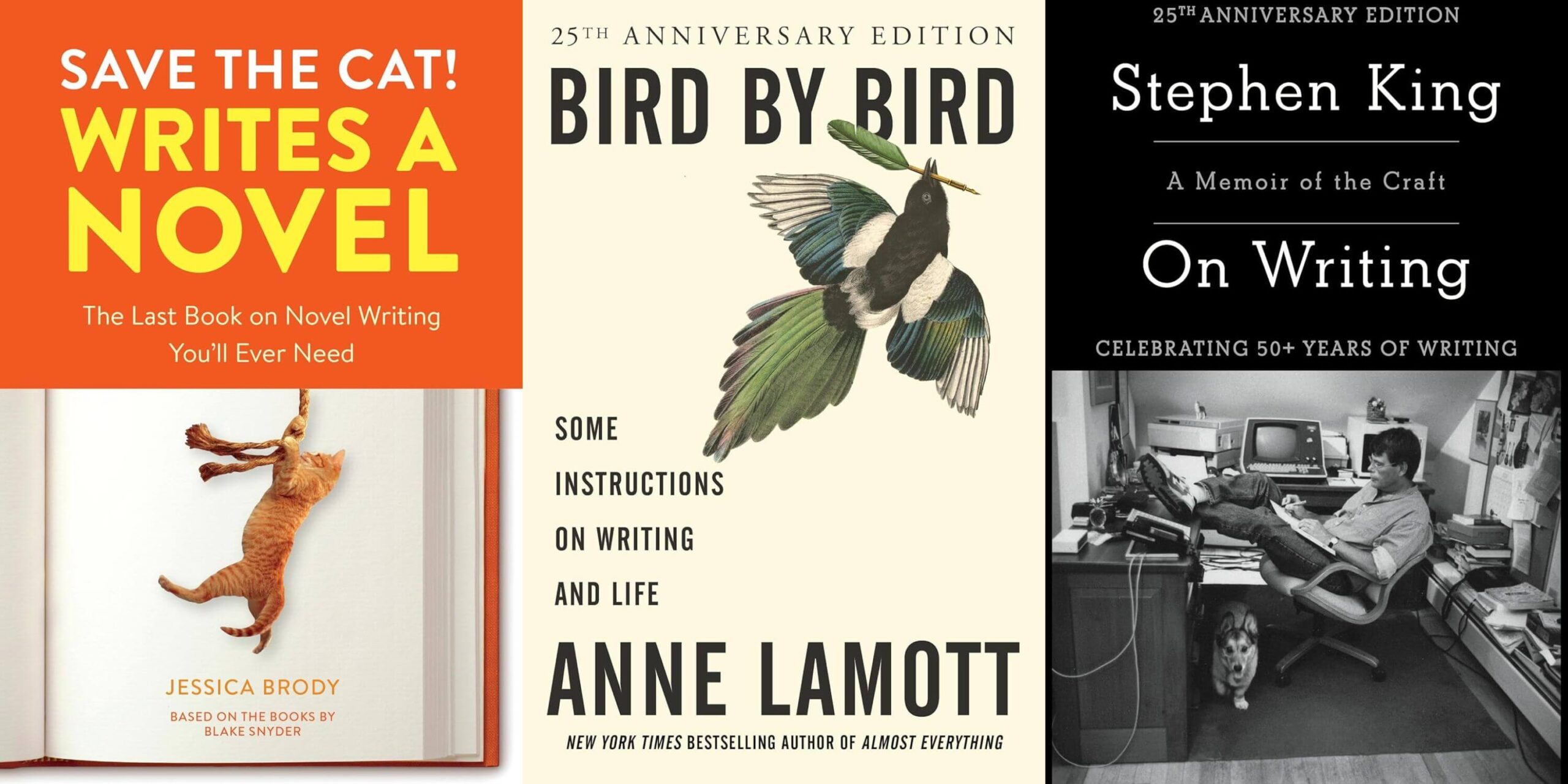
Save the Cat! Writes a Novel by Jessica Brody — great for structure, but don’t overcommit to it. It’s a framework, not a straitjacket. Some of my best writing has come from knowing when to deviate.
Bird by Bird by Anne Lamott — great for the soul.
On Writing by Stephen King — great for the craft.
The Shit No One Tells You About Writing podcast — great for the reality check.
What does your writing routine look like?
It depends on what stage I’m in. Most books start with notes on my phone—scene ideas, bits of dialogue, sentences, character details. Things that wouldn’t make sense to anyone but me. Once I’ve got enough, I create a loose outline and plug those pieces in.
This part is slow.
When I’m drafting, I’m very much in the writing cave—about 2,000 words a day. Revisions are slower, and I usually take more breaks between rounds to get some distance. Copy edits take me the longest, mostly because I’ve fallen out of love with the book by then—ha!
Share an unforgettable moment in your writing career.
There have been so many. Moments I’m grateful for and will cherish forever—seeing my first book on a shelf, meeting readers who’ve connected deeply with my work. But if I had to pick one: getting a blurb from Stephen King. I grew up reading his books, learned craft from On Writing, and then one day his words were on my cover. I’m still not over it.
What are you working on next?
Book 2 of Love Me Tomorrow! The letters aren’t finished with Emma yet. I can’t say much more without spoilers, but let’s just say the story isn’t over.



Leave A Comment