

Dana Kaye is the founder of Kaye Publicity, a literary public relations agency. Known for her innovative ideas and knowledge of current trends, she’s a frequently sought out speaker and media source. She was profiled in Crain’s Chicago Business for her success in launching a business during a recession, was a Publishers Weekly Star Watch honoree, and has been interviewed by dozens of media outlets on the topics of book publicity, online marketing, and the future of publishing. Dana is also the co-founder of the Midwest Mystery Conference, a mentor with the Digital Storytellers Lab, and the author of Your Book, Your Brand: The Step-By-Step Guide to Launching Your Book and Boosting Your Sales.
As a PR pro, authors often ask me, “Should I focus on social media or email marketing?” My response has always been email marketing; you own your email list, aren’t beholden to an algorithm, and you can leverage your talents as a writer to create content (rather than fumbling around in Canva or attempting a trending TikTok dance.)
But the issue of discoverability remains; how can readers find your newsletter if you’re not on social media?
Enter Substack.
When Substack was launched in 2017, the focus was primarily on building a paid newsletter list. But as Mailchimp and other email service providers reduced the functionality of their free plans while increasing the cost of their paid ones, many authors moved to Substack for their regular author newsletters. Its simple interface, blog component, and cost (free) is incredibly appealing, especially for those less interested or well-versed in tech.
While some authors have used Substack to monetize their newsletter and create a new revenue stream, it’s also a great platform to build your primary email list and send regular author newsletters. Whether you’re just getting started with email marketing or you’ve been growing your email list for years, here are the best practices for utilizing Substack to engage with readers and increase your sales.
Incentivize people to sign up.
Email addresses are currency, and often, people require an extra incentive to provide their email and invite your content into their inboxes. An exclusive short story, excerpt, book club guide, or other bonus content is a great way to encourage people to sign up for your mailing list. Once you’ve decided what you’re going to offer, format the file and create an online link, either using Dropbox, Google Drive, or your WordPress site. Then, create a welcome email in Substack (here’s a tutorial), and include a link to the bonus content.
Pro-Tip: Welcome emails are also a great place to get some of the “housekeeping” out of the way. Let people know how often you intend to send and encourage them to add your email address to their contacts list so the messages don’t end up in spam.
Welcome emails are important because they provide the first introduction to you and your content. Think about it in the context of a networking event: if you met someone and traded cards, you’d appreciate a warm note afterwards saying it was great to meet. But if you haven’t heard from them for weeks, and then they emailed you promoting their latest book, you might be turned off. Someone signing up for your newsletter is the equivalent of them giving you their card; it’s important to have a warm, non-salesy response right away!
Create a sign-up form and publish it everywhere.
Once your welcome email is set up, the next step is to create a sign-up form. Rather than using the default message of “Sign up for my Substack”, change it to promote the bonus content. For example, the sign-up form can read, “Want a sneak peek at my latest novel? Sign up to receive an exclusive excerpt!”
Once you’ve created a sign-up form, it’s time to publish it everywhere. The more places the form exists, the more chances you have to capture email addresses. You can link to or embed sign up forms:
- In your email signature
- On your website, ideally in the footer of every page as well as a pop-up form
- In the bio of your social media profiles
- On your Amazon and Goodreads author pages
- At the end of your e-books (this one is my favorite, because there’s no more captive reader than one who just finished your book!)
The more sign-up forms you publish, the more opportunities there are to passively collect email addresses and build your list. But there are also ways to actively build your email list:
- Promote your form on social media. Boast the free piece of content, provide a preview of your next newsletter, or remind followers that your newsletter is the best way to stay up to date on news and upcoming events.
- Use a QR code or a good ol’ fashioned piece of paper to collect email addresses at events.
- Utilize Substack’s “Recommendations” feature. This is one of the ways Substack solved the discoverability problem; they allow users to easily recommend other Substacks and vice versa. If you have a writing group or a few author friends who write in similar genres, add their Substacks to your recommendations and ask them to do the same. Substack will send those recommendations to their subscribers, as well as listing it on their homepage and at the end of their emails. This increases discoverability by like-minded readers.
Send quality emails on a regular basis.
Many authors ask what the ideal length and frequency is for newsletters, and the answer is, whatever you can do consistently. You teach readers what to expect from you, so if you start off sending weekly emails, then burn out and only send a couple times each year, you’ll likely see a lot of people unsubscribe. If you send short and snappy emails, then shift to longer, 2000-word essays, that can also lead to an increase in unsubscribes. Decide on what’s doable for you for the long term and stick to it.
The most important characteristic of a newsletter, Substack or otherwise, is that you provide quality content that’s in service to your readers. If your emails are solely asking readers to buy your latest book, they’ll quickly unsubscribe. But if you’re providing insight into your writing and research process, sharing the inspiration behind the book, making connections with real life events, and other content that forms connection with readers, they’ll always open your emails.
Maintain Exclusivity
As we’ve established, email addresses are currency, and one of the ways we get people to part with that currency is the promise of exclusivity. By signing up for your newsletter, readers will receive content that isn’t available anywhere else and will be the first to receive updates and news. But Substack’s platform allows for all content to be published to your Substack page at the same time the email is sent, which means it’s available to everyone. Great for getting more eyes on the content you worked so hard on, bad for giving people a reason to share their email address.
To maintain exclusivity while also maximizing the number of views, I recommend the 80-20 rule: publish 80% of your newsletter content to your page, but save the best, meatiest, most valuable content for actual subscribers. The day before these emails go out, you can share a “Note” on your Substack page, letting people know that a new, subscribers-only email is going to drop that week and they should sign up to see the content.
By applying the principals of email marketing to Substack’s easy-to-use, more versatile platform, authors like you, can easily grow their email list, nurture a community of readers, and, most importantly, increase their sales.
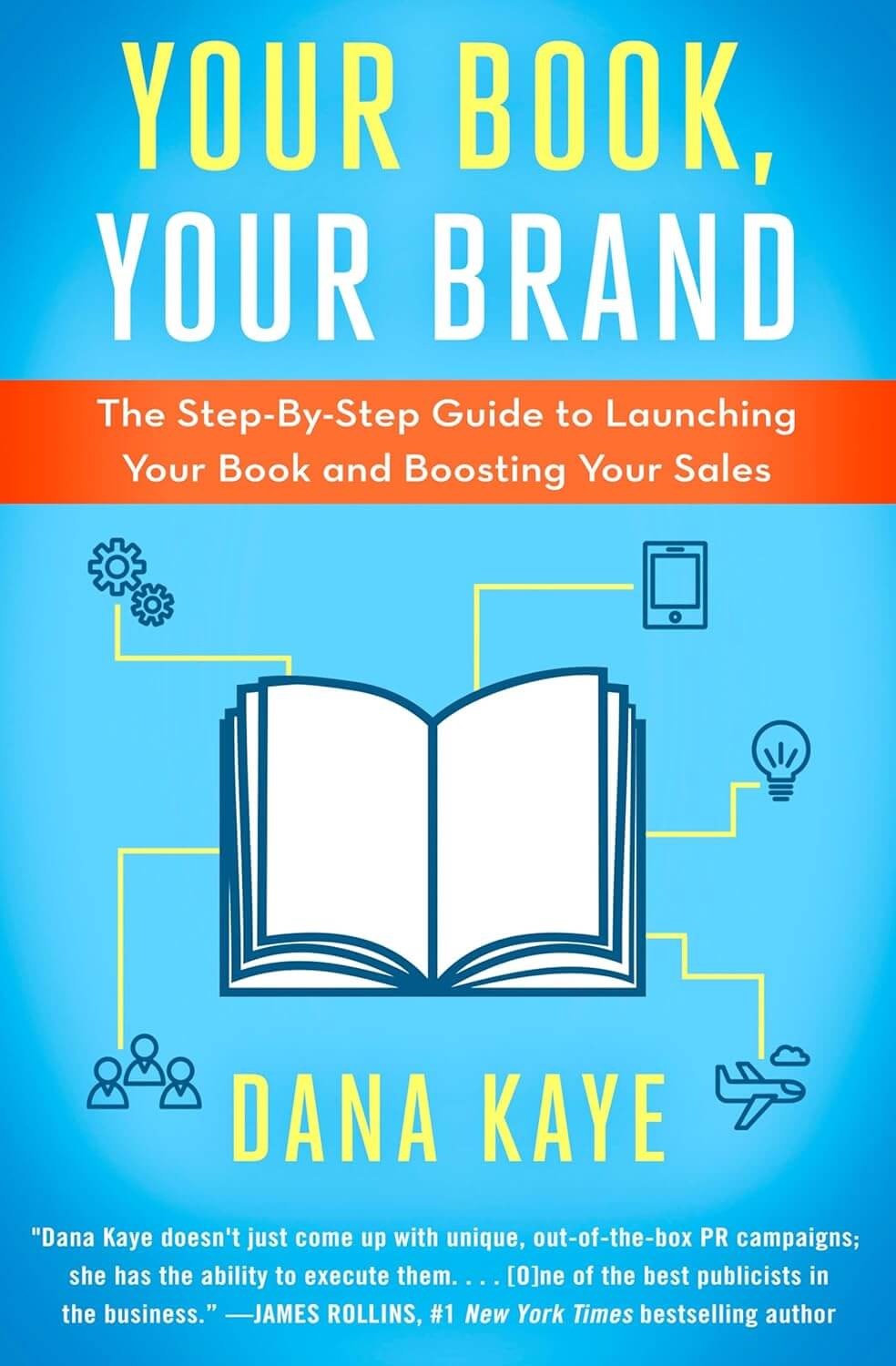
Your Book, Your Brand: The Step-By-Step Guide to Launching Your Book and Boosting Your Sales by Dana Kaye
Dana Kaye is the master of publicity and has honed her knowledge into a sharp, enjoyable read that gifts authors all the tools they need to ensure their work reaches the widest array of readers imaginable no matter their publishing path. Whether an author is their own publicity team or is being backed by a publishing house, Kaye has the roadmap for success. Her independent firm, Kaye Publicity, has been behind some of the largest bestselling authors of our time. Now, as the time comes for you to build your own brand as an author, she has condensed all her knowledge into pure, concentrated PR power.
Buy the book now: Bookshop.org | Amazon











Leave A Comment