
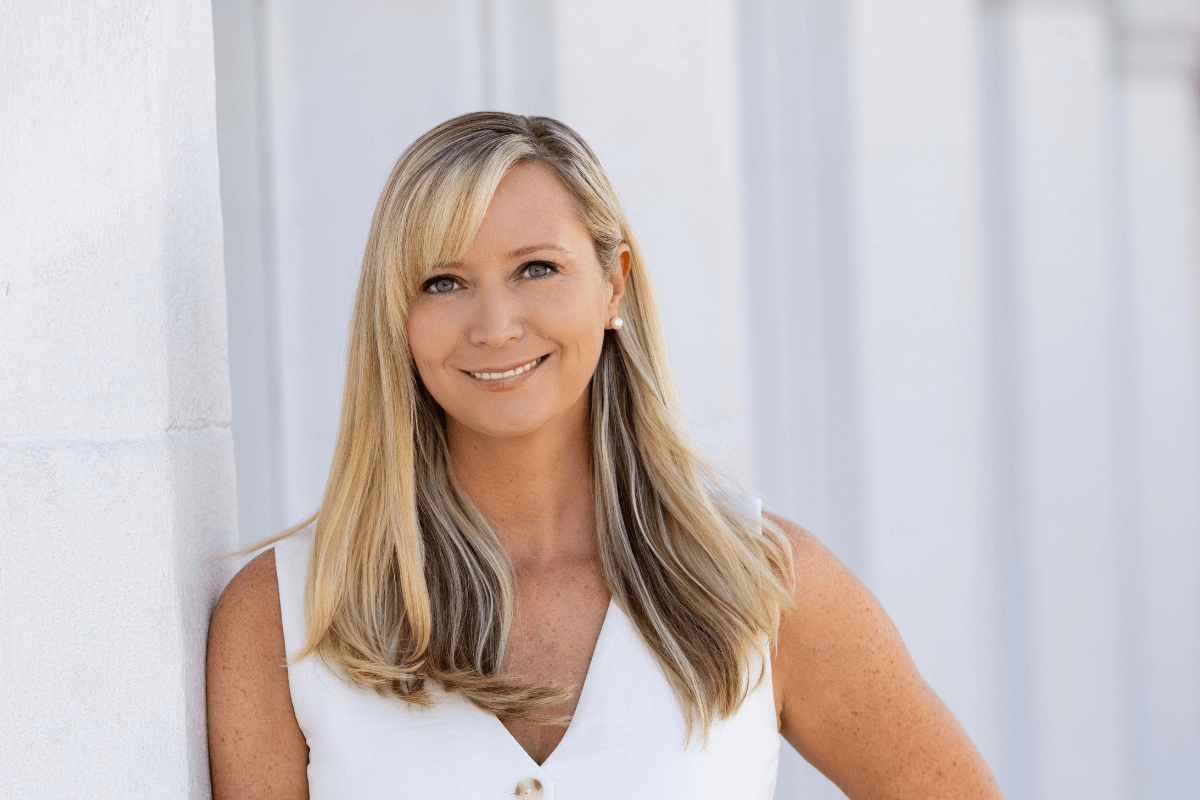
Courtney Psak graduated with a degree in Communications and Journalism with a master’s degree in Publishing. She currently lives in Palm Beach, Florida with her husband and two sons. She is a member of the Women’s Fiction Writers Association, the National Writers Association, International Thriller Writers and a board member for the Mystery Writers of America.
As the New Year approaches, we all collectively start to plan our resolutions for the year. And like any individual who does this, their goals will be unique to them as a person.
For writers, it’s different as well. Everyone has their own way in which they work. Some focus on outlining; others fly by the seat of their pants. Maybe the goal for some is to finish the first draft of their novel, while others might finish three books in year.
No matter what your pace, the main theme that all writers have in common when setting out a resolution, is to set a goal, stick to a routine and manage those expectations.
Life as we can all understand, is unpredictable. Unexpected events may happen, so we have to make sure when setting our writing goals for the year, that we create a little breathing room.
Planning for the Unpredictable
A few years back when it was Covid and I had two small kids, just getting to my computer to write during nap times was my goal. Of course, that didn’t always happen because sometimes the priority had to be the laundry, cleaning the house, or simply napping when your child does because they kept you up all hours of the night. The most important thing as a writer, is to make sure you are setting goals that work with your lifestyle and your timeframe. You should not compare yourself to others.
But life is also full of distractions, which makes it very hard to stay focused. Lisa Unger talks about how it’s important to find those hours in the day that no one wants. For her, those hours are between four and six in the morning. Two hours where she can sit at her computer and write, knowing that no one is going to bother her.
When I was on deadline recently for one of my edits, I applied this same strategy. I had gotten notes back from my publisher on a book, that to be honest, I hadn’t looked at in several years. So needless to say, when I reread this one, I knew that I had to completely revamp it to make it align better with my previous two books. But time was not on my side. So, I took to Lisa’s advice. I got up at two in the morning, which gave me four hours a day with no distractions at all. It was the most focused I had ever found myself and it gave me the time I needed to figure out how to restructure the story so that it would align with my current writing style. It was hard work, but I got it done and was glad to be able to send it back to my publisher knowing that I was proud of it.
So, I just mentioned how over the last several years my writing style has changed dramatically. And that’s because while writing a certain number of words a day may seem like a good start, taking time for some introspection is also important.
Goals Beyond Word Count
Last year, I made a resolution that I wanted to be a better writer. Therefore, in addition to just writing, I also read everything in my genre and deconstructed it all. I took the time to analyze the story from a writer’s perspective, and I learned how to apply this to my own writing. This also means that when I edit my novels, I have to switch from my writer brain to my reader brain and ask myself as a reader what do I like and not like about this story.
Even if you think you understand your craft, it’s never a bad thing to have a refresher course. Every year I look out for virtual writing conferences that I can sign up for. You’ll find your perspective changes with each book that you write, bringing certain details to the forefront of your brain that you hadn’t really thought of before.
Accountability in Community
If you are serious about writing, joining an organization for your genre is a really big opportunity. In my case, I’m a mystery/thriller writer, so I joined Mystery Writers of America, Sisters in Crime and International Thriller Writers. These organizations are extremely helpful to writers, experienced or not. They offer everything from critique groups, classes for police procedurals and important facts about forensics and gun handling. Not only that, but you can attend their annual conferences giving you an opportunity to network with other authors, take live classes or pitch agents face to face.
By doing this, I finally discovered my writing style and once I was able to figure that out, the writing came much easier.
So again, for writers out there trying to come up with your writing resolutions remember these ideas:
- Set realistic goals that work for your lifestyle
- Make sure to allow yourself breathing room for life’s unexpected surprises
- Find the best time of day for you to focus
- Stick to a routine when you can
- Take classes or attend writing conferences to improve your writing
- Read everything and deconstruct it like a writer
- Focus not only on the writing, but discovering your own unique writing style
I’ll close with a quote from Ruth Ware that she put in her acknowledgments of Woman in Suite 11:
“Every book is like learning to write for the first time.”
This is a very true statement for all writers. No matter how many books you’ve written, we all start back at the beginning, which means there is always room for opportunities. Opportunities to improve our writing, change our writing style or alter our routine as our lives progress.
Wishing you all a wonderful new year and happy writing.
 The Hostess
Natalie and her husband book a last-minute rental in the Hamptons for vacation. Natalie is immediately drawn to the wealthy, beautiful and elegant hostess named Sadie. But after she learns that Sadie’s previous guests mysteriously disappeared, Natalie must investigate Sadie’s sinister secrets before it’s too late.










Leave A Comment