
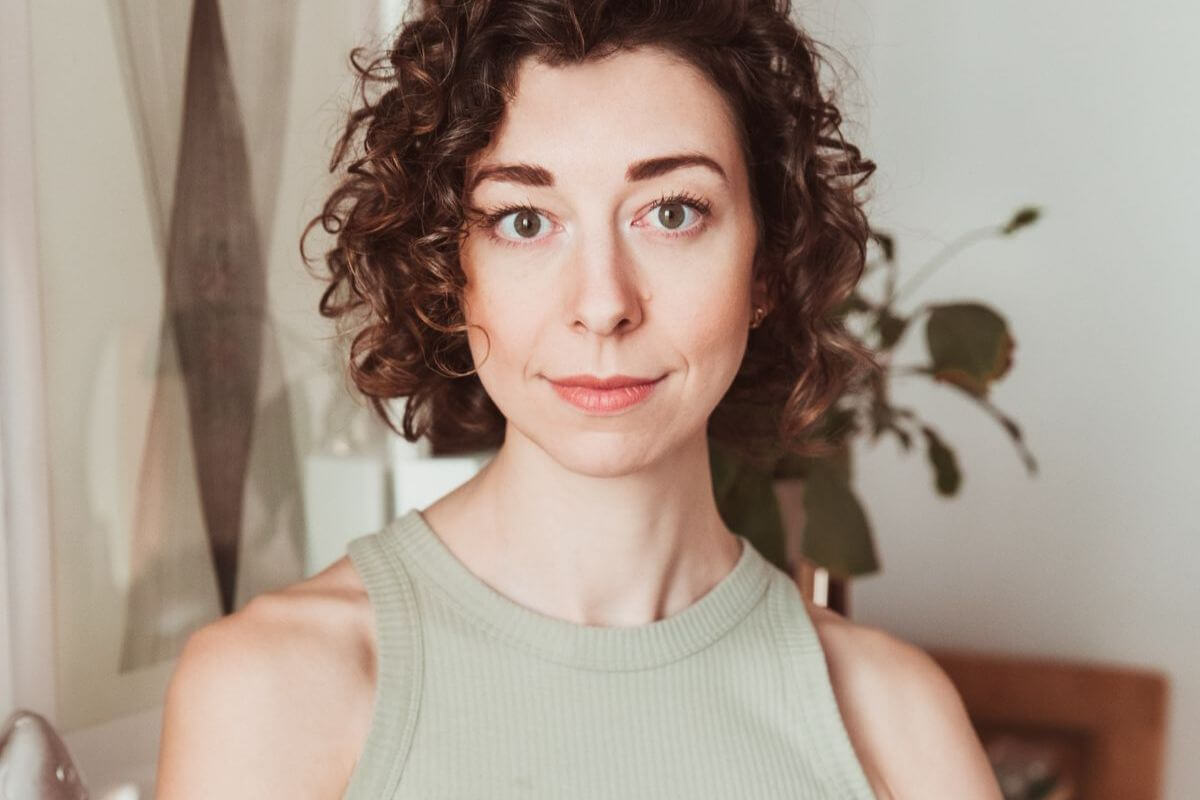
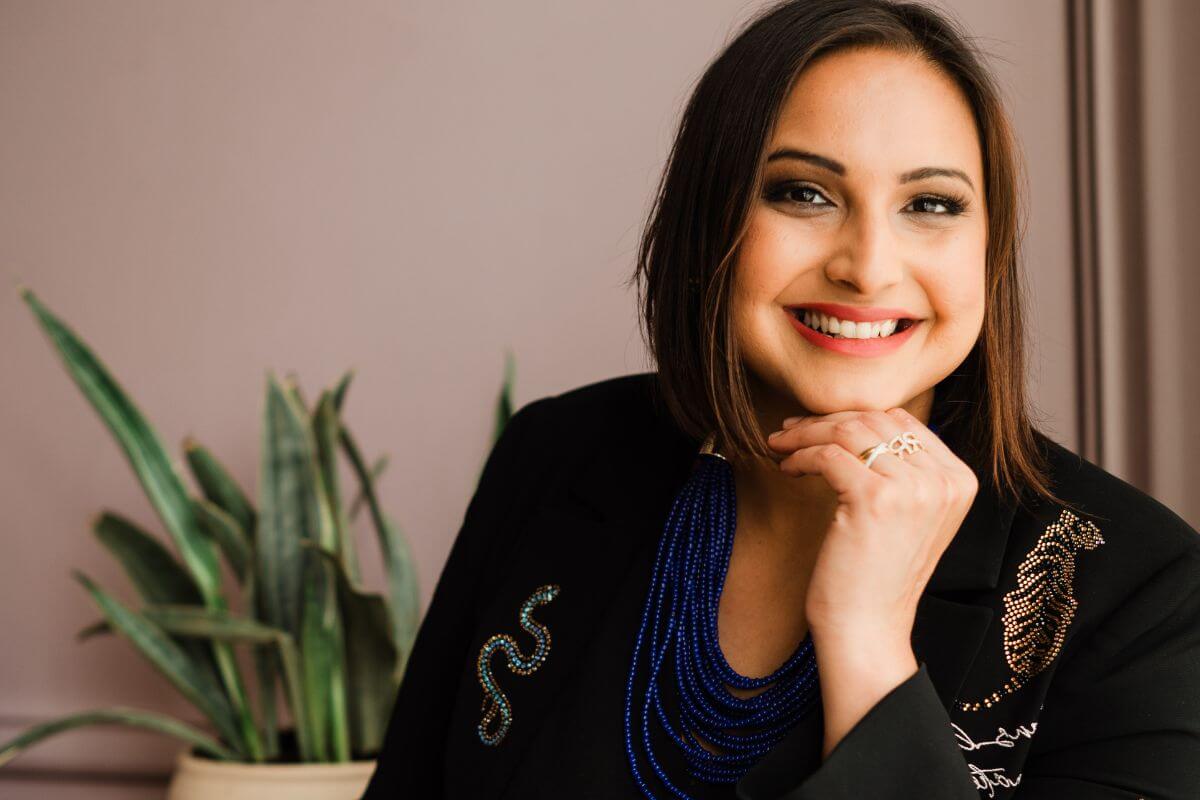
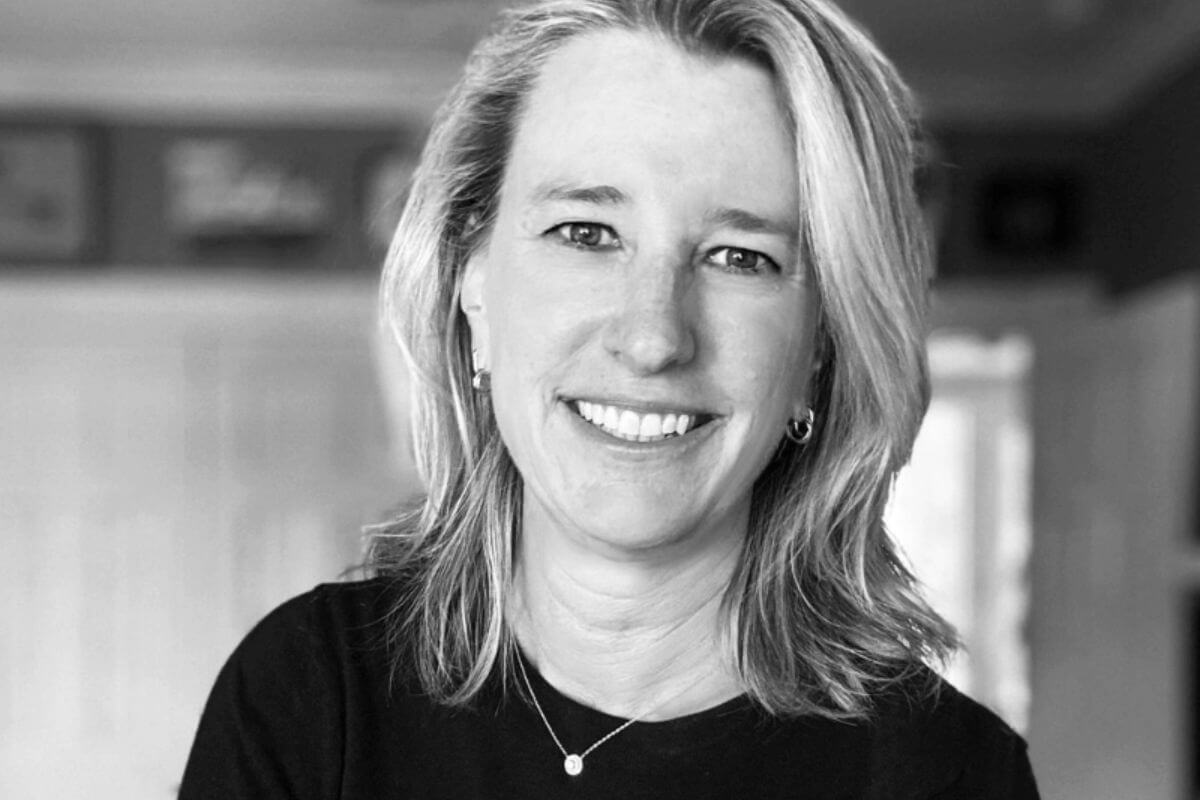
Andrea Bartz is a Brooklyn-based writer and editor. Her debut thriller, The Lost Night, received starred reviews from Library Journal and Booklist and was optioned for television by Mila Kunis and Cartel Entertainment. Her second novel, The Herd, was named a Best Book of 2020 by Real Simple, Marie Claire, Good Housekeeping, and CrimeReads. Her third thriller, We Were Never Here, was a Reese’s Book Club pick and an instant New York Times bestseller, and is currently in development at Netflix. Her fourth thriller, The Spare Room, was a GMA Bonus Buzz Pick, a Marie Claire Book Club pick, and a Best Book of Summer according to People, Shondaland, Glamour, Elle, Harper’s Bazaar, and more. Her most recent novel, The Last Ferry Out, is available now. Bartz is also an accomplished journalist whose work has appeared in The Wall Street Journal, Travel + Leisure, Marie Claire, Vogue, Cosmopolitan, Women’s Health, USA Today, Elle, and numerous other outlets. She has held editorial positions at Glamour, Psychology Today, Self, and additional national publications.
What drew you to Substack as a platform initially?
Authors are always told we should have a newsletter, so I begrudgingly created one on Mailchimp—an ugly, neon-colored thing with bright pink CLICK TO BUY buttons and janky GIFs. I hated putting it together and sending it out!
But then I started to fall in love with others’ Substacks. They felt simple and writing-focused and like a direct pipeline from the sender to me. Then, two years ago, I was watching X and TikTok quietly sundown my posts, with Instagram hot on its heels. I realized I couldn’t control the algorithm or whether or not the apps would show my stuff to my followers…so I created my Substack, Get It Write, to stay in touch with readers and fellow writers. That’s what’s cool about Substack: There’s no middleman. People sign up and receive the emails I send. If Substack blows up tomorrow, I’ll still have my email list, and we’ll find somewhere new to keep the conversation going.
Also, as a former digital and magazine editor, I missed having an idea and getting it published quickly. I only put a book out every two years! So I loved the idea of curating an online publication where I could go from idea to publication to discussion, in some cases, 30 minutes flat.
Save 20% when you sign up for an annual subscription to Get It Write with this exclusive She Writes discount!
Do you feel Substack supports your author endeavors, or is it a separate creative outlet altogether?
Let’s start with the elephant in the room: IMHO, your author newsletter does not directly lead to book sales. Author Vera Kurian (who wrote NEVER SAW ME COMING and A STEP PAST DARKNESS) just did a fascinating series about this—it’s definitely worth a read! The more nuanced take is that some newsletters for some kinds of authors can lead to some sales, but I certainly don’t think authors should assume it’ll be a slam-dunk direct marketing vehicle for their books. I’ve only released one book, THE LAST FERRY OUT, since I started my newsletter, and it was my worst-selling book yet, so I’m not crediting Get It Write with selling copies.
All that said! I adore the community my Substack has fostered and the conversations we’re able to have about the creative life, the wild industry we’re in, why art matters, and so on. I’ve made new friends through it and written pieces that have really connected with people, and I hope some of them learn about my thrillers through it. I hate the term “author brand,” but a newsletter—if you genuinely enjoy writing it—can be a fun part of your writing ecosystem.
For writers who feel overwhelmed or uninspired by social media, how does Substack change the relationship between writer and reader compared to platforms like Instagram or TikTok?
As I mentioned above, you can (and should!) literally download your email list as an Excel file regularly. When I stopped using X, I forever lost my hookup to the followers I’d amassed. An email list feels a little safer.
Also, Substack wants to bring new followers to you, because their business model hinges on subscriptions, not engagement or time spent glued to the screen. (You can have a free newsletter, but if you offer paid subscriptions, Substack—and then Stripe and sometimes Apple—all take a cut.) Trying to get new readers who genuinely like what I’m doing feels good—not gross the way that chasing virality can feel on Reels or whatever.
What are some of your favorite Substacks to follow?
Some insightful ones from authors:
Esmé Weijun Wang’s Reasons for Living
Courtney Maum’s Before and After the Book Deal
Evelyn Skye’s Creative, Inspired, Alive
Jo Piazza’s Over the Influence
Tawny Lara’s Beyond Liquid Courage
Smart commentary from other publishing professionals:
Sally Ekus’s Not So Secret Agent
The Shit No One Tells You About Writing
Karen Cherry’s Pubstack Success
Kathleen Schmidt’s Publishing Confidential
Becca Freeman’s Book Enthusiast
L’Oreal Thompson’s LT in the City Weekly
Some random ones I just really enjoy:
Substack kind of combines blogs, newsletters and social media. Have you been able to replace any former platforms with this, or is it an entity all its own?
I’m still on Instagram and those posts feed to my Threads and Facebook accounts, but Substack is definitely where I spend the most time. It still feels like one of the few good corners of the internet; fewer trolls, way less rage-bait (at least in my feed, which is heavily slanted toward publishing- and writing-related content). I don’t have to gird my loins every time I open the app, the way I do with Threads, for example.
If an author friend was considering starting a Substack, what would be your number one piece of advice?
First of all, don’t do it if it does not appeal to you! Life is too short to be doing stuff because you “should.” Second, try to come up with a few columns or formats you can come back to regularly, so that you aren’t starting over with a blank slate every time. (For example, I run regular g-chat interviews with authors and monthly questionnaires with indie booksellers.) And third—try not to obsess over your stats, but do use the dashboard to gauge what connected with readers so that you can consider doing more of it.
On your Substack, Get it Write, you are very transparent about the process of publishing. From sharing actual sales numbers *gasp* to talking about the less sunny sides of publishing, you’re shining light on an otherwise very secretive industry. What made you decided to do this and what has surprised you about being so open?
You know, whenever people congratulate me on my candor, I remind them that in my magazine days, I wrote about my sex life for millions of readers. Sharing my sales numbers? That’s nothing. Jokes aside, as I wrote in a recent piece about why authors should be more transparent about their careers, we need information to make savvy choices in this industry. Trad publishing is shrouded in a veil of secrecy—a tradition of nondisclosure that certainly doesn’t help the authors themselves. (And if I refused to talk about this stuff, all I’d be doing is enshrining my white privilege.)
What are you hoping your Substack will do to not only assist other authors, but to push the industry forward?
I’ve been a professional author since 2017, and before that, I was a magazine editor in the “women’s service” space—so I got a lot of practice turning big ideas into actionable, easy-to-follow posts. That’s what I’m trying to do with my Substack!
I love being a part of the author community, and I feel so, so passionate about demystifying the industry and leveling the playing field, especially for authors from marginalized groups.
I’ve seen some truly atrocious publishing advice (much of it on Threads, why is Threads such a cesspool??), and I hate the idea of talented, hardworking writers missing their shot because they didn’t have access to reliable info. So I’m hoping my radical transparency and commitment to sharing stuff I’ve learned along the way will spark discussions and help other authors and publishing professionals feel inspired to open up, too.
Your query letter roundup is one of my absolute favorite things. Having collected so many, what are a couple query letter success tips that stand out to you?
Keep it tight! Your plot description should be one paragraph, and it should read like the copy on a book jacket. Make sure it very clearly isolates your hook—the element that makes your story special (and makes a reader’s imagination run wild with all the possibilities it promises).
What are a couple of articles that are definitely worth being a subscriber for?
Yes, I share my sharpest writing and publication tips on Get It Write—but so do plenty of other Substackers. I think what sets my newsletter apart is the transparency and candor. If people are looking for the unvarnished reality of author life, they just might enjoy posts like these:
Here are the sales figures for all 5 of my books
Hi, I feel like a huge freaking failure today
Being a bestseller doesn’t actually guarantee anything
No one told me about this awful part of being an author
I also tend to learn by example, and so I’ve shared the exact, word-for-word language I and others used to get our next book ideas approved, pitch op-eds to the media, ask our friends and family to preorder our books, spread the news on pub day, and more. You can literally do a copy-paste and use them as a template to write your own. It’s stuff I wish I had access to when I was figuring out authordom, and it’s all on the “examples” topic page.
Save 20% when you sign up for an annual subscription to Get It Write with this exclusive She Writes discount!


Leave A Comment