

Heather Cumiskey is the award-winning author of the popular YA crossover titles I Like You Like This and I Love You Like That. She writes about messy characters and social issues in the hopes that her books will spark compassion and conversation. Raised in Garden City, New York, she was working in fashion in New York City when she rediscovered her first love of writing. Heather now lives outside of Baltimore, Maryland, with her family and a spunky cockapoo named Waffles. Her latest novel, The Sooner I Go, is coming this March.
I pitched a book once to a publisher who, after requesting my manuscript, made so many corrections and comments, even my inner critic was stunned. I took a breath and eventually dug through, realizing her points made sense. My initial gut punch soon turned into gratitude for her generous feedback and advice. Though we ended up not agreeing on a book contract, which worked out for the best, she was the first to introduce me to the technique of Deep Point of View (POV).
Getting up close and personal
I like to write about complicated, messy characters with gritty backstories and often unlikeable traits. I prefer using multiple first person POV, separating viewpoint characters by chapters, versus an omniscient POV; I find it less formal and pulls the reader in closer. Whether you use third or first person, adding Deep POV to the mix immerses the reader in your character’s story as they live it in real-time, heightening the reader’s experience with intimate details of internal thoughts and often raw emotions as if no one is listening.
Creating a character-driven story
Deep POV draws readers into your character’s plight and invests them in your story. It does this by not narrating emotion or filtering your character’s experience through the voice of the author. Rather, the story comes from your character’s experience in the moment, inside and out, ignoring the reader entirely.
First Person: I look up and I’m already outside of Sticky’s. The half-hour walk is not nearly enough to shake off my nervous energy and nagging thoughts.
Deep POV: I stop short, blinking at the sight of our third-floor walk-up in Hell’s Kitchen. I couldn’t tell you how I walked home, the last thirty minutes a blur.
I pace in a tight circle through wafts of fried chicken—courtesy of Sticky’s Fingers Joint, which occupies the first floor of our building—my jaw cramped from all the clenching. My legs ache with adrenaline.
What if Micah sleeps with her tonight?
I scrounge through my purse for the Nicorette and settle on a cherry cough drop. Cherries and fried chicken. Yuck. I sigh and head upstairs.
The first version tells the reader what the viewpoint character is experiencing: nervous energy and nagging thoughts. With Deep POV, the reader is pulled in and shown the character’s experience with the help of the five senses. She walks in circles outside her noisy New York City apartment, clenching her jaw. Her limbs ache from speed walking home, her thoughts spiraling about the guy she likes as she tries to ward off a cigarette craving, and the unpleasant taste of cherry cough drop mixed with the smell of fried chicken.
By having your viewpoint characters show their story, the reader gets a vivid view of how they feel, think, interpret, and react internally and externally to the action unfolding. Employing the five senses helps your readers imagine themselves as your character and relate to them. Avoid summarizing. Let the reader experience all the feels right along with your character.
Less he said/she said
With Deep POV, steer clear of dialogue tags which yanks the reader out of the narrative; use action beats instead. What is your character doing in the scene, how are they reacting inside? Once you read books not using Deep POV, it becomes apparent how dialog tags get in the way. See the shift in your own work. Try Deep POV writing on a few paragraphs or an entire chapter in your manuscript. By removing the dialog tags, the reader’s focus is tighter to the characters and action.
When I began using Deep POV, the absence of dialogue tags confused my beta readers when I failed to make it clear who was talking and which thoughts belong to which characters. So, be sure to:
- Separate POV character’s thought from another’s dialogue
- Don’t include actions of multiple characters in the same sentence or paragraph
- Don’t mingle someone’s dialogue with POV character’s thoughts
- Separate action done by other characters and action done in the environment
Why I’m obsessed with Deep POV
- Removes the author as narrator
- Promotes less telling and more showing
- Builds reader empathy for your characters
- Reduces filler words and summarizing
- Creates an active and engaging voice
- Shows the action and what’s going on with characters the moment they happen
- Invites the reader in to make an emotional connection with your characters
Beware of character clairvoyance
Deep POV writing is an inside-out perspective. Stand in the shoes of your viewpoint character and write the scene. Be sure to stay in their specific experience/perception—including only what they can see, hear, smell, touch, taste, or already know. Save facial expressions for non POV characters. Your POV character can’t see what their eyes are doing, only where their gaze goes. They also can’t foretell the future or know what other non-POV characters are thinking, feeling, or why they do something.
Make your sensory reactions active
Don’t name or narrate your viewpoint character’s emotion i.e. she was surprised, angry, or confused. Show their reaction through internal responses, body language, and dialogue. Let your reader witness your character’s reaction to something or someone through icy stares, clenched fists, and short stabbing retorts. Emotions that are visceral, messy, and intimate make Deep POV powerful and real for readers. And make sure the surrounding context makes the character’s emotion clear.
Don’t overdo all the feels
Layering your story in Deep POV doesn’t mean saturating it with tons of internal detail and emotional descriptives. Save the visceral reactions as responses to what matters. Strong, well-placed phrases with strong, dynamic verbs and nouns will help mirror a particular moment’s tension where and when it counts to create powerful shifts and aha moments for your reader.
Avoid being a scene solver
Don’t just tell what’s happening, be sure your POV character’s experience is on the page. As a reader, I like to figure things out and not be spoon-fed what I’m supposed to feel about a character and their struggles. I don’t care for when an author dictates a conclusion or summarizes what’s happening. I think most readers enjoy the art of discovery and drawing their own revelations from the evidence on the page.
When to use Deep POV
Mastering Deep POV is still a work in process for me. I advise not getting caught up in the technique during your initial drafts. You never want to write and edit at the same time anyway or your drafts will stall. Plus, why start editing a whole scene that could later be thrown out?
Throw down those wonderful, messy early drafts. We all have them and they’re beautiful, like gobs of paint thrown onto a white canvas. Go ahead, splatter. Then consider creating a deeper POV during your editing process to create a more powerful reader/character connection.
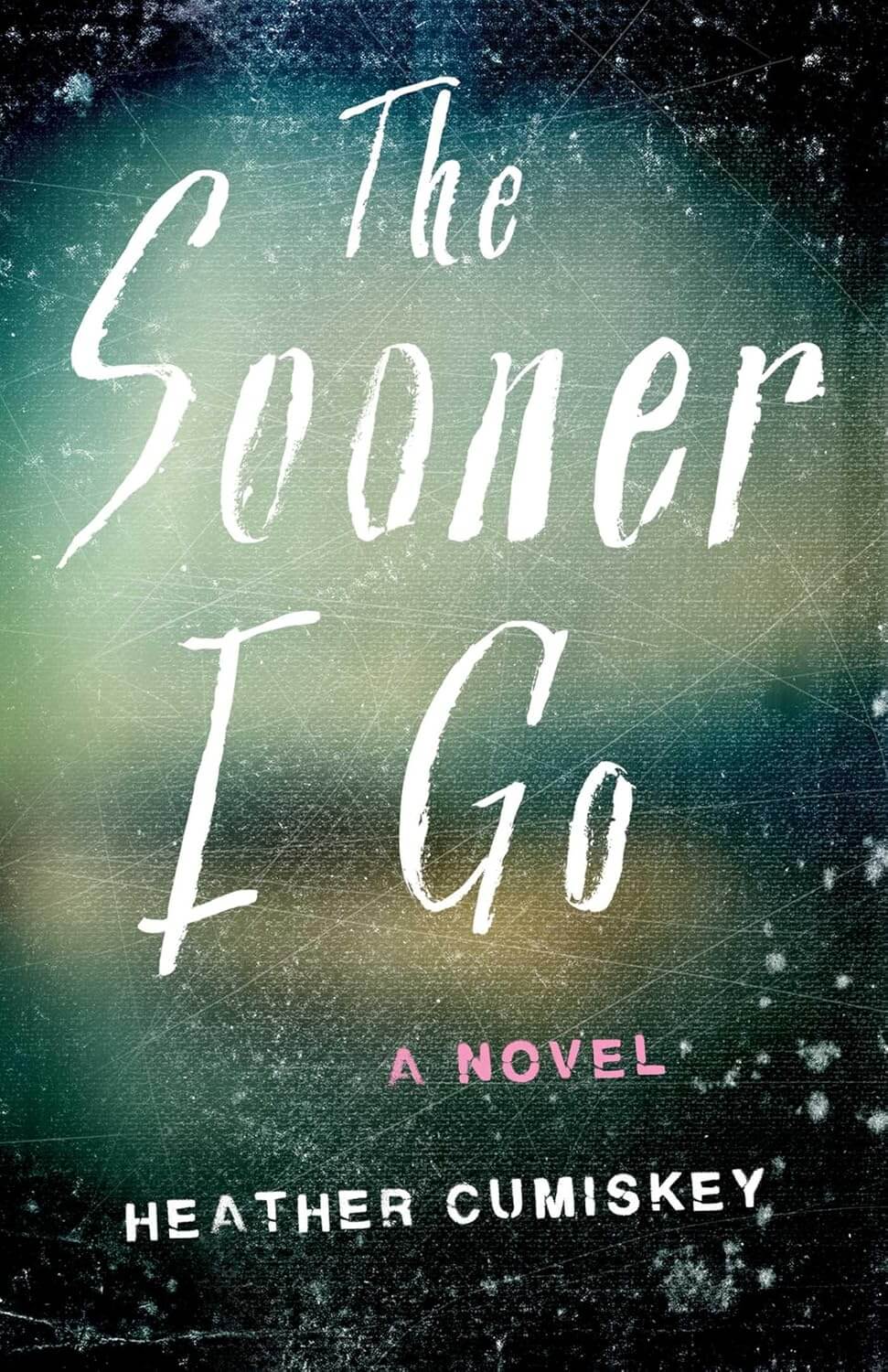
The Sooner I Go by Heather Cumiskey
Seven months after her parents and boyfriend died on the same night, eighteen-year-old Brynn sets out to rebuild her life and lands a job at an ad agency, where she’s drawn to twenty-year-old Micah. But even their undeniable attraction cannot overcome their devastating secrets. When a girl from Brynn’s boyfriend’s past threatens to reveal another incriminating secret, Brynn’s fragile hold on normalcy begins to slip away. Will this girl destroy everything Brynn has built, including her relationship with Micah?
Buy the book now: Bookshop.org | Amazon













Leave A Comment