
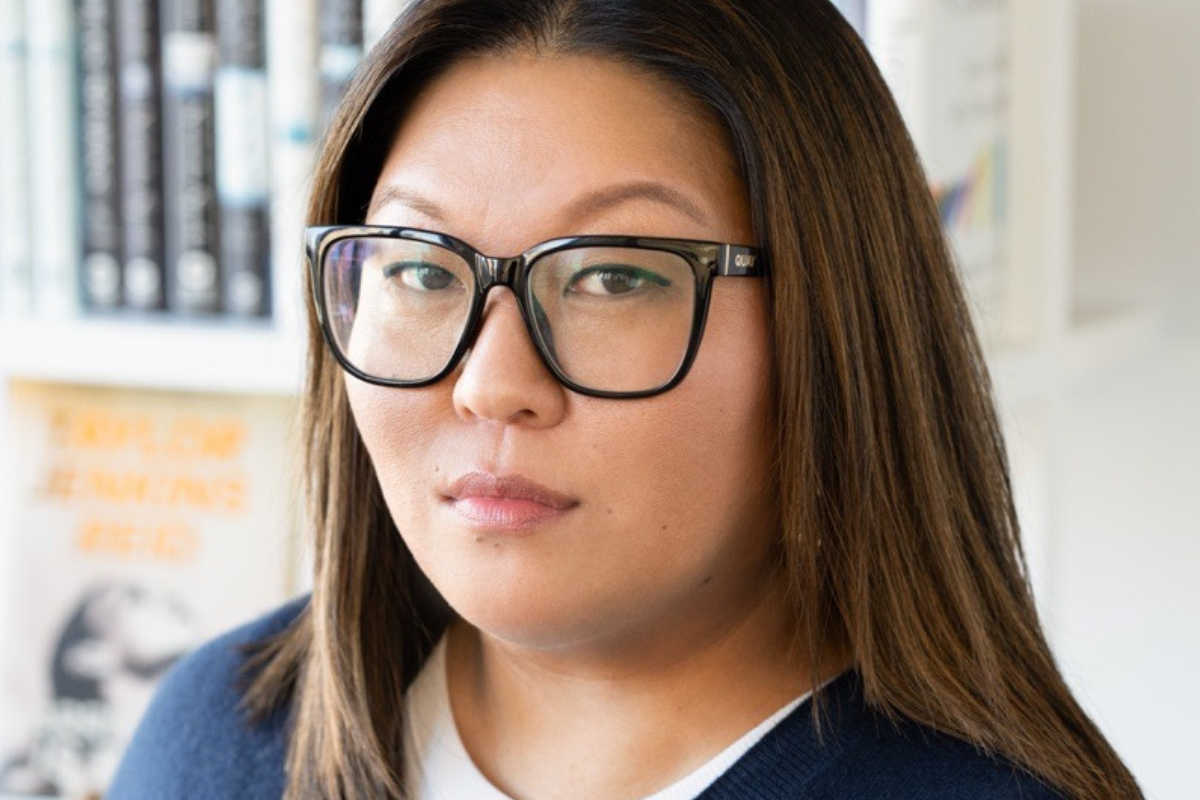
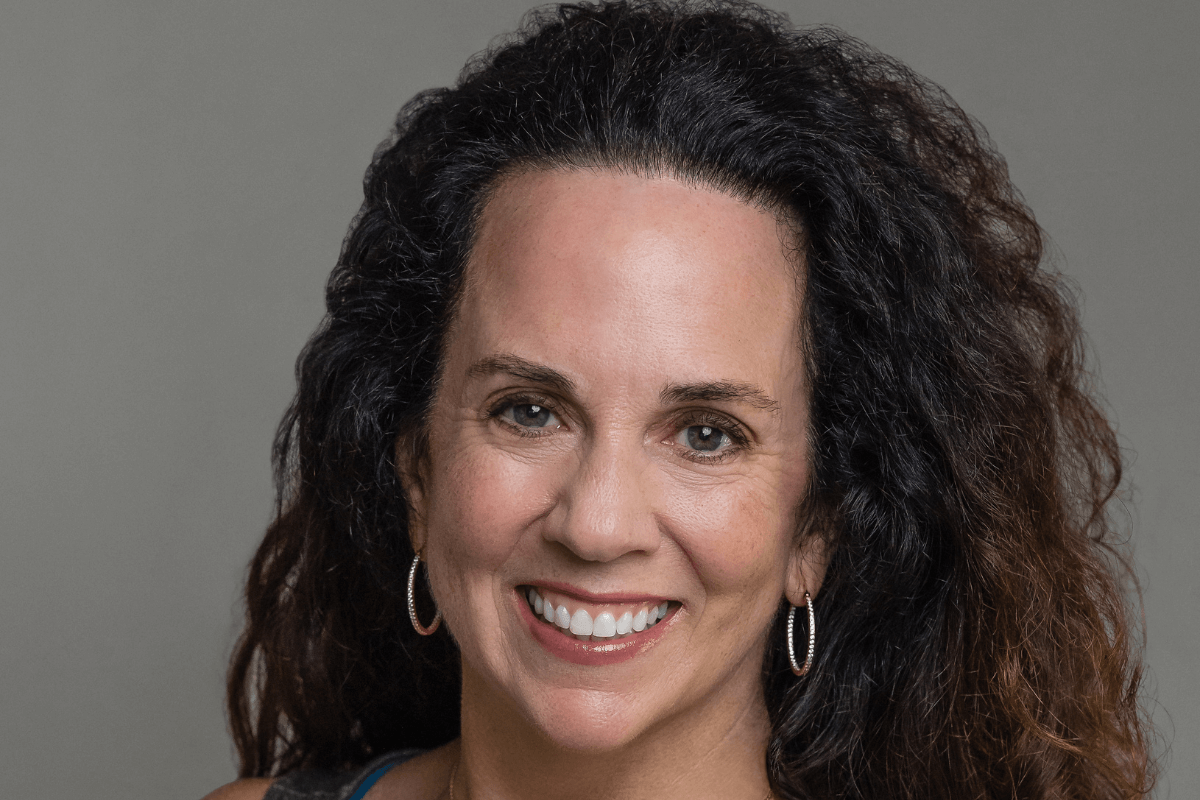
Name: Kimberly Brower
Agency: Park, Fine & Brower Literary Management
Years as a literary agent: 14
Books/Authors I’ve repped: Ana Huang—Twisted series, Kings of Sin series, Gods of the Game series; Hannah Grace—Icebreaker; Elsie Silver—Chestnut Spring series, Rose Hill series, Gold Rush Ranch series, Fever Dream; Rina Kent—Legacy of Gods series, Viper series, Villain series; Lauren Asher—Dreamland Billionaire series, Lakefront Billionaire series, Dirty Air series
Current #MSWL: Stories that blend romance and other genres, like romance + thriller. A true murder mystery/whodunnit a la Clue or Knives Out. Grounded fantasy or dystopian stories.
What genre trends are you currently seeing in the industry? Are there particular genres you see on the rise or dropping in popularity?
The market is an interesting place right now, and from what I’ve seen romantasy stories are still selling, as are high-concept genre stories—which are evergreen in the market (romance, thrillers, sci-fi/fantasy). It’s been nice to see some changes to the bestseller lists with titles like Dungeon Crawler Carl, which takes fantasy in a different direction through RPG style books, and Theo of Golden, which reminds us that uplifting, aspirational fiction is something everyone wants to read.
I also have been seeing a rise of books that incorporate multiple genres together, like romance + thriller or horror + thriller, which is a nice twist on predictable trends. And finally, dystopian is definitely on the rise as well.
What are you seeing in book deals? How has this changed over the course of your agenting career?
It’s been such a fun couple of years in the world of agenting, at least in my area of the market. While publishers have acquired backlist/already published titles from self-published authors, the number of deals like this have grown significantly compared to when I first started agenting. It’s been exciting to watch publishers go all-in on self-published authors of different genres.
What qualities do you look for in an author that indicates to you they are interested in building a sustainable, long-term career?
Besides being a talented writer, someone who understands that the market is consistently changing. I greatly admire authors who are willing to make something so personal become so public, and I look for someone willing to bring in an outsider like myself as a collaborative partner. The agent-author relationship is a true partnership, and I am at my best when working with authors who want that.
Frequently “getting an agent” is such a big hurdle, that many authors haven’t prepped for what comes next.
What are some areas you think authors should be thinking about for the work that comes after signing with an agent, but before the book hits shelves?
Getting comfortable on social media. I don’t mean making their life public, or becoming an influencer or anything like that. But I do think authors should figure out what their comfort level is on social media, because even if they don’t want to show their face, there is a need for authors to own their own platform and speak directly to their readers.
What are some query letter green flags and red flags that have been top of mind for you lately?
Green Flags: A good, concise pitch in one to two sentences that tells me exactly what the book is in a way that makes me sit up straighter in my seat. Someone who can summarize their book in one to two paragraphs.
Red Flags: Someone who obviously hasn’t proofread their query letter or has the wrong name on the query letter.
You’re particularly focused on the transition from self-publishing to traditional publishing. For a while, this was a move the industry wasn’t too keen on. What made you want to specialize in this particular brand of author?
I don’t know if I consciously made a choice to specialize in these type of authors, but I think self-published authors come from such a unique perspective. They take their craft into their own hands and build a business around it, all for themselves, and I greatly admire that. In fact, self-published authors get to pressure-test their work and see what is working—or not—in real time, such as with writing sites like Wattpad. I never set out to specialize in working with self-published authors. I was drawn to the stories, and as I started my career, I wanted to work with authors who wrote the type of stories I loved reading.
What are some qualities in a self-published author you look for that makes you feel they are a good fit for the traditional space?
I don’t think I am looking for different qualities in a self-published author more than any author. But one of the things I talk about with self-published authors who want to go trade is understanding the reason why they want to enter the traditional space—and explaining the lack of control that comes with that. Self-published authors have complete control over their books, but when they enter the traditional space there is a loss of that control over most things, which can be eye-opening and not for everyone.
What’s different about representing an author who is self-published first versus a debut author?
A self-published author has an established platform and/or readership that debut authors usually do not have. So with a debut author, it’s about building to the next milestone and taking steps to really get their footing in publishing. We all want a breakout #1 debut author, but you don’t go into it counting on that. You go into it expecting to work with every release to expand their reach and get their books into more hands. But with a self-published author, it’s about finding ways to expand the readership beyond their existing one. You don’t want to ignore their core reader base, but you do want to grow it so it reaches people they would not normally reach.
What does an ideal author/agent relationship look like to you?
Collaborative and one that has open communication. It’s a relationship that should be a safe space for the author to be heard and learn about publishing from someone that 100% has their back. You want there to be complete trust between the author and agent.
What’s a moment in your career as an agent that you’ll never forget?
Oh there are so many! There are the obvious landmarks—closing my first deal, closing my first “major” deal, an author hitting #1 on the New York Times bestseller list, an author who I’ve been working with for years hitting a huge milestone in their career. But one thing that means even more to me is being in a bookstore and hearing random strangers talking about a book by an author I represent. That never gets old!





Leave A Comment