

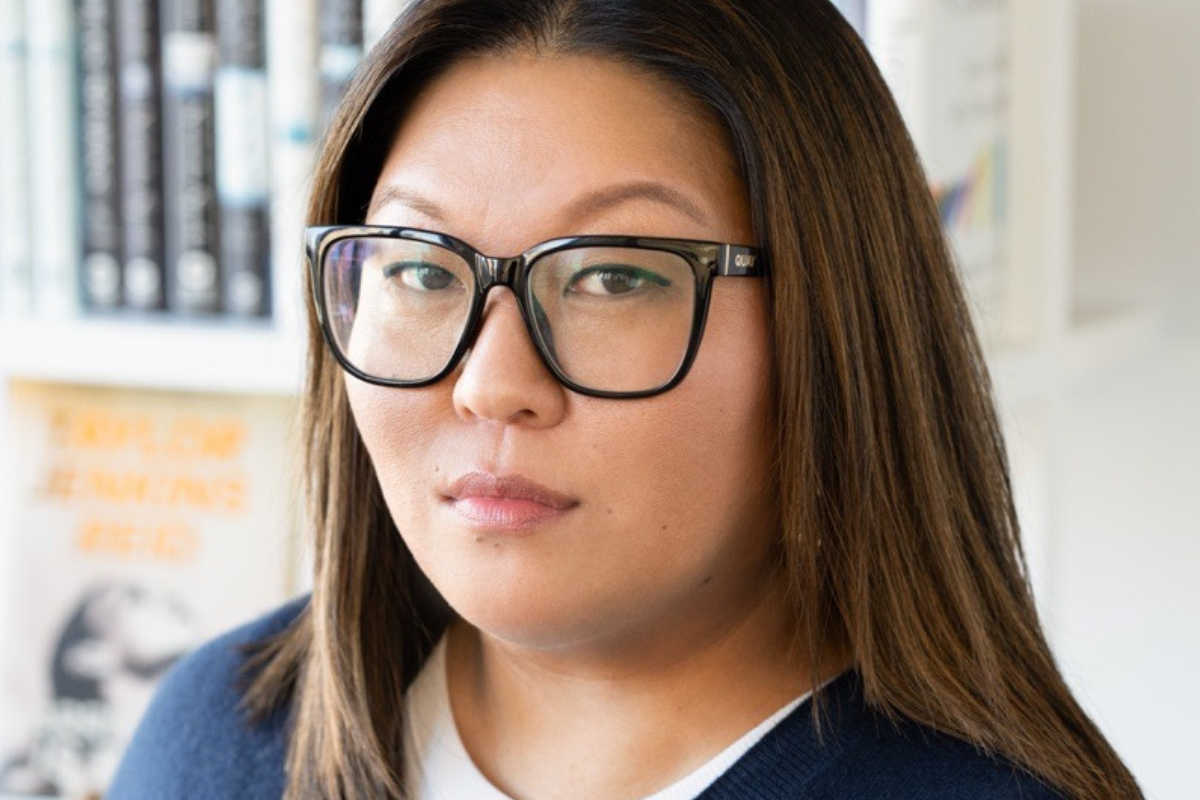
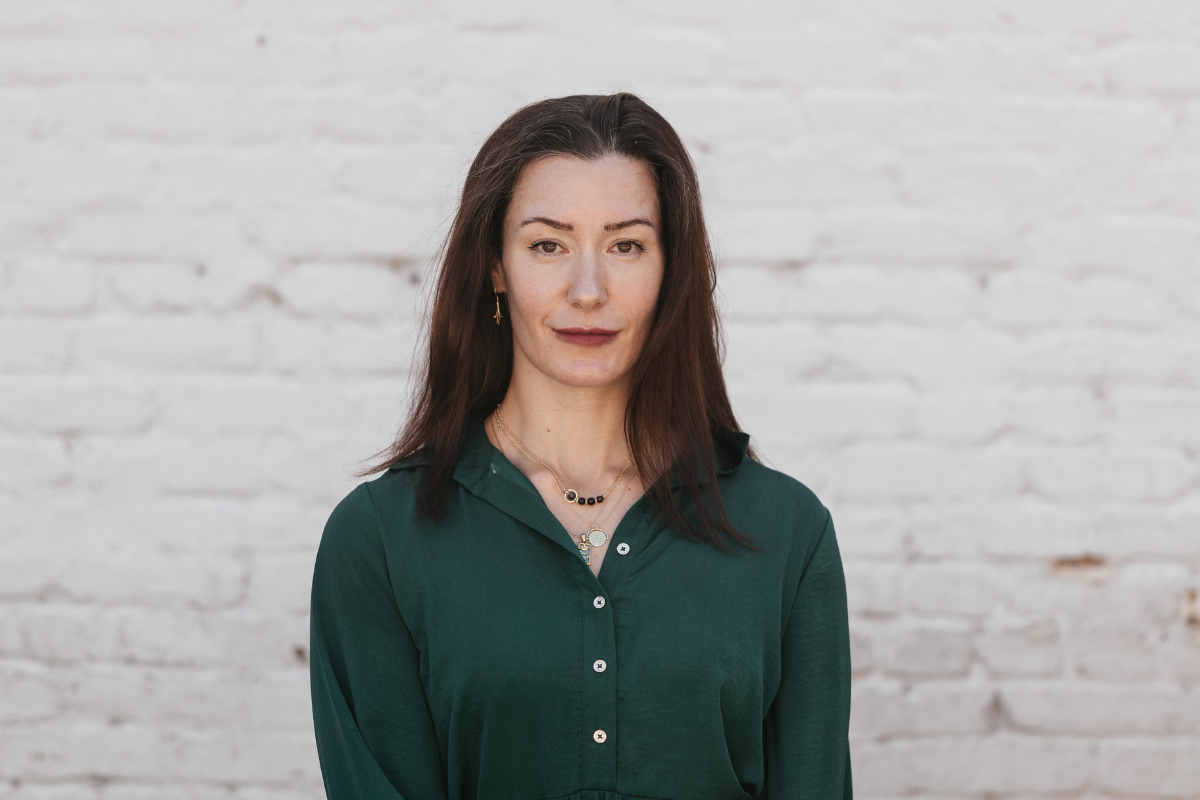
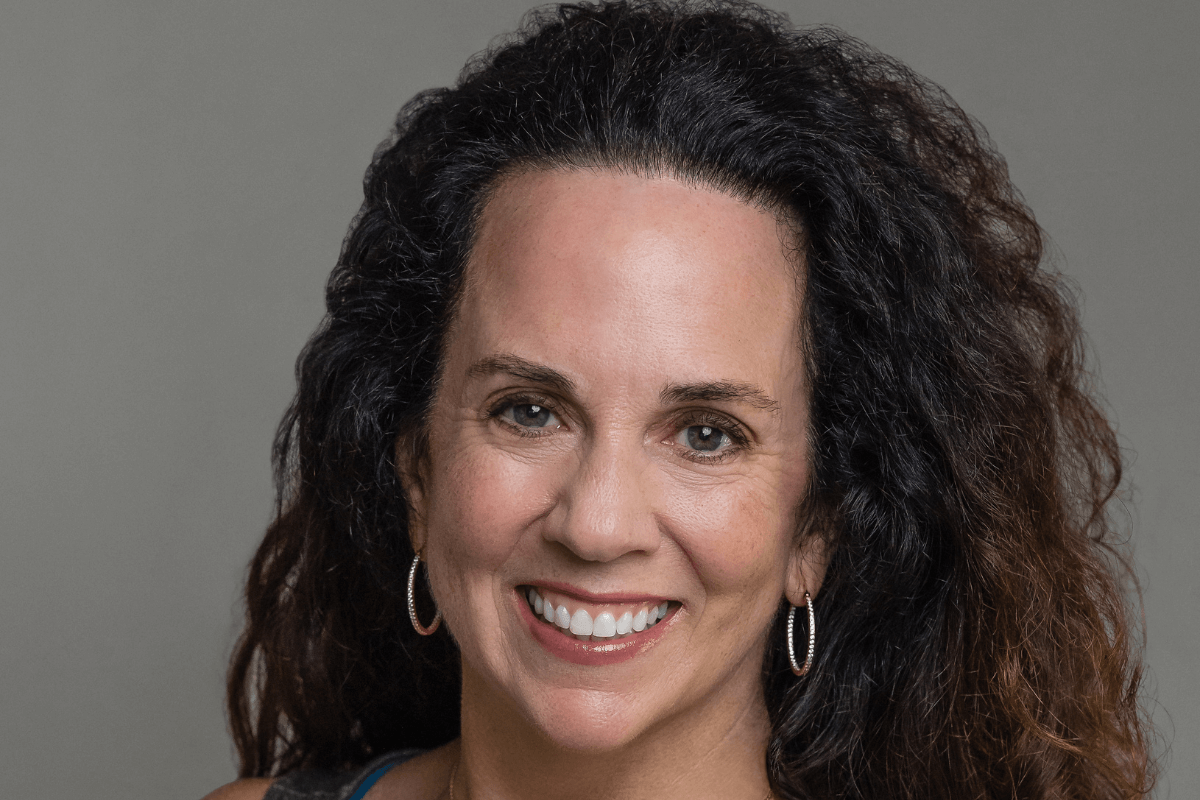
Kerry Whittle grew up in Cumbria and studied English Language and Literature in London. She is an experienced journalist, having written for national newspapers and magazines for the last 20 years, specializing in real life stories. In 2020, she attended Curtis Brown Creative’s novel writing course. She lives in Manchester with her husband and two sons.
Tell us a little bit about your career as a journalist and what that has evolved into now.
After graduating with a degree in English Literature, I worked for a year at a local newspaper in my hometown of Carlisle. It was a fabulous learning experience working alongside established journalists, covering news stories, reporting from court rooms, attending local art events and writing longer feature pieces. I went on to complete a journalism qualification and began work on national women’s magazines in London. Over time, I specialised in real-life journalism and have had the privilege of interviewing hundreds of ordinary people with extraordinary stories. In my 20-year career, I have heard everything, including tales of amazing survival in the face of harrowing crimes, or illnesses, stories of loss, infertility or other heartbreak. As well as uplifting or entertaining tales about relationships, body image or quirky lifestyle choices.
I have always loved reading fiction and harboured a lifelong dream to write my own novel. In March 2020 I completed a novel writing course with Curtis Brown Creative and started work on my debut book, Seven Reasons to Murder Your Dinner Guests.
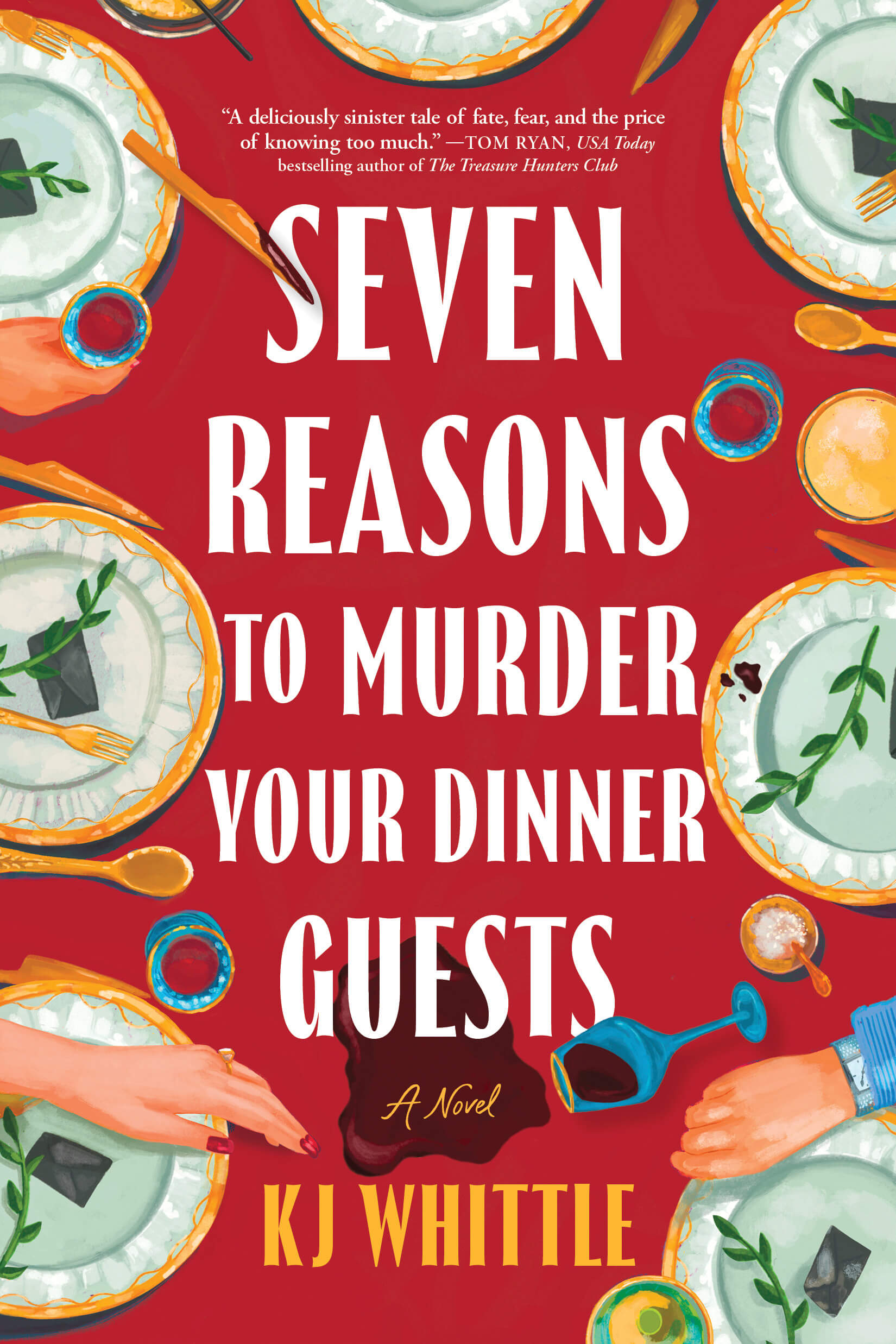
Seven Reasons to Murder Your Dinner Guests by KJ Whittle
One dinner party, seven guests, and a mysterious orchestrator. After seven strangers attend an impromptu dinner they receive a card that predicts their deaths; the uneasy attendees depart on trepidatious terms hoping the ominous fortune is nothing more than a hoax. Weeks later, the guests begin to die as predicted. Now, the survivors must gather to uncover the identity of their dinner host in the hopes of averting their foretold demise. KJ Whittle’s inventive multiple POV story unravels as the disjointed group dashes to solve the mystery and save the lives that still remain.
Buy the book now: Bookshop.org | Amazon
During your career as a journalist, you have interviewed people from all walks of life. Do you feel the interview process has changed in the digital age, and do you believe this has improved or damaged the space?
I have always found that, as an interviewer, you get the best of a story from face-to-face interviews, when you can build a rapport with your interviewee, pick up on subtleties and unspoken feelings that may not come across on a phone call. But a phone call trumps an emailed interview every time. I have noticed in recent years that some younger journalists have a sort of fear or anxiety around live phone calls and a preference for emailed interviews which, in my opinion, will never provide the same quality of article. I also find that you can waste valuable time to-ing and fro-ing over email to clarify certain points which can be easily cleared up in a short, direct conversation.
Having said that, video calls are a welcome asset for interviews, adding more to a phone call and mean you can get some of that in-person experience when interviewing someone in a different area or country.
The advancement of technology has also meant that journalists have a means of contacting people from all over the world which can only be a benefit.
What impact do you think AI is having and will have on journalism?
AI offers great benefits for journalists when it comes to data collection, research, improving productivity and helping to create certain content, such as for social media. But I firmly believe that, when it comes to reporting on real-life events, nothing can beat the purely human-to-human experience of sharing a person’s unique story and being able to understand the emotions and implications around it.
As well as ethical considerations, the use of AI within journalism must be handled so carefully to ensure that publicly sourced data is not misused, legal issues such as data protection and copyright laws are considered, as well as bias when it comes to reporting.
What skills are most important for aspiring journalists trying to find a foothold in a fast-moving market?
Aspiring journalists must engage with digital advancements in journalism, be proficient in social media engagement and the latest AI technology but I still believe it is so important to continue speaking to each other, to pick up the phone and have a conversation, and regularly step away from screens to get out there to meet people in real life. As a journalist, it’s our responsibility to delve right to the heart of stories, which often involves a deeper understanding of human psyche. This is something you will only get when you engage with a fellow human away from screens.
How do you think journalism will evolve in the coming years? Which aspects of journalism’s future excite you, and which ones worry you?
Technology is moving at a breath-taking pace but ultimately us humans are not so different from our ancestors from hundreds of years ago. They might not have had iPhones or the internet but they still dealt with grief, love, a desire to find happiness and to make a difference in the world. So I think there will always be a need for journalism, for the telling of people’s stories, in whatever form it might take. Despite the advancement of AI, I believe that there will always be a place for the role of a journalist, for real people to report on real stories, injustices and general events of humankind. I hope that technology will help to empower people to tell their stories around the world, rather than work against it.
You’ve previously mentioned that the characters in your novel Seven Reasons to Murder Your Dinner Guests are partially based on your experiences as an interviewer. What is the overlap between novel writing and journalism? What skills from journalism have translated the best into novel writing?
My years of interviewing so many different people from different walks of life have provided me with a bank of characters and experiences to draw from for my novel writing. When writing up an article as a journalist, I’m always mindful of encapsulating my interviewee’s unique experiences and personality traits so I endeavour to do the same when it comes to creating characters for my novels. It’s so important for me to try and create characters that speak and behave in believable ways.
When I first started novel writing, I remember searching on Google: ‘how many words is a novel?’ and being horrified when it said: 70-90,000 words. The longest article I’d written was around 2,000 words! I find it useful to break down the process into smaller chapter chunks but I think the discipline of writing every day for work as a journalist helps when it comes to racking up those numbers for my novels. Even on those days when I’m not feeling particularly creative, I focus on getting the ‘skeleton’ of the story down then I can add the more creative elements later, a technique I also use in journalism.
There’s been a long stretch of “print is dead” and now there seems to be a nostalgic desire for something people can hold in their hands. What do you imagine print journalism could become as people tire of scrolling?
Personally, I have always preferred the tactile experience of holding a magazine, newspaper or novel in my hands. I don’t even own a Kindle, which my husband finds very frustrating as he insists it would be the perfect birthday gift for me! The temptation to ‘doom scroll’ is irresistible to us all but I can see that people are starting to tire of their screens and I hope that will lead to them returning to a physical book, newspaper or magazine once again. It has been so sad for me to see the decline of print journalism through my career, with newspapers and magazines closing and down-sizing at an alarming rate. But the digital age has brought some positives to print journalism, such as improved printing technology and data analytics. Some branches of print journalism now focus on more in-depth features and campaigns which might not work in the same way for digital media. I hope that print journalism can continue to fill the gaps in the market that the digital branch cannot, as well as providing a welcome break from 24/7 screens.
In today’s media landscape, do you believe emerging journalists should focus more on building expertise in a specific niche or work to develop fluency across a multitude of subjects?
Speaking as a print journalist, I would certainly advise emerging journalists to be fluent in as many subjects and disciplines as they can because there’s no way of knowing exactly how media will look in 20-50 years’ time. I know many former print journalists who have struggled to find work as magazines and newspapers have closed or cut down their teams, so they have moved into digital media, marketing and PR, where they are able to continue to use their skills. It is more important than ever for journalists to stay dynamic and tenacious in an ever-changing market.
How has your relationship with the media changed throughout your career as a journalist, and now as an author?
In my early days of journalism, magazines and newspapers were the key source of news and gossip. Working on magazines, it was all about finding the big celebrity or real-life story ahead of the other rival magazines. If you got that story, you were guaranteed sales. Back then, sales of newspapers and magazines were selling in their millions every week. Now, people simply look on their phones for the latest headlines while newspapers and magazines are seen as a luxury to pick up at the weekend or ahead of a holiday. We are constantly bombarded with news from the media and so, for me, it’s become about occasionally stepping away from this and giving ourselves space to think and be creative.
What is your hope for the future of journalism?
There is always a place for good journalism, it’s just what form it will take going forward. Ultimately, we all want to hear stories about humankind, and the human race will always generate content, whichever way it will end up being consumed. I hope that we will continue to appreciate the benefit of both print and digital media, with each having their strengths and weaknesses, and find ways that they can both exist – and flourish – in the future market.
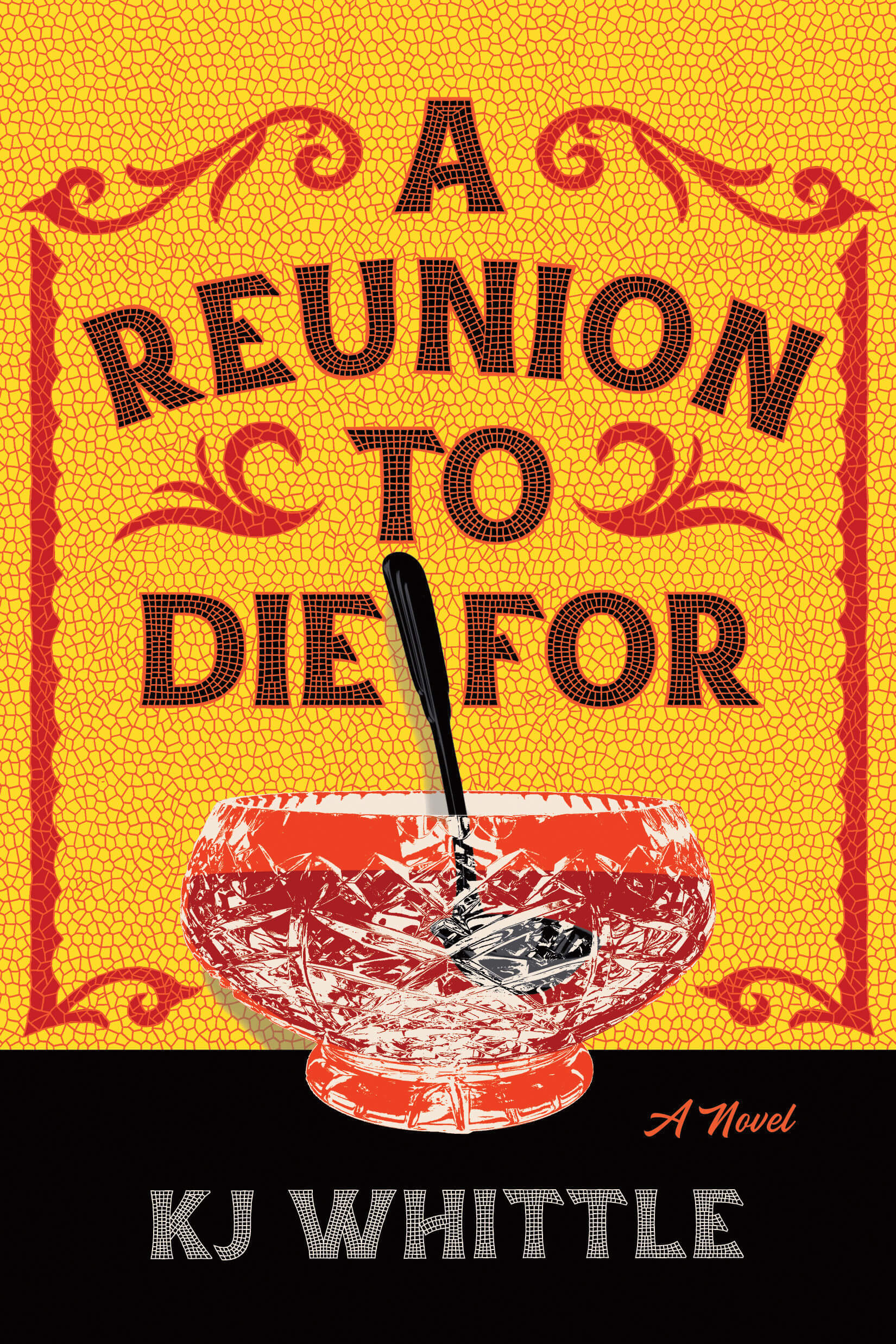
A Reunion to Die For by KJ Whittle (10/20)
A high school reunion means pretending all is well, but pretense drops when six friends commiserate over an old bully. Jokingly, the group imagines redressing their pain by murdering the tyrant; the next day, imagination becomes reality as the high school bully dies in the exact manner that they had schemed, and worse, a recording of their murderous plot has surfaced. The six murder suspects must unite to identify the true mastermind behind the untimely death and the artfully constructed setup before they end up behind bars.
Buy the book now: Bookshop.org | Amazon





Leave A Comment