
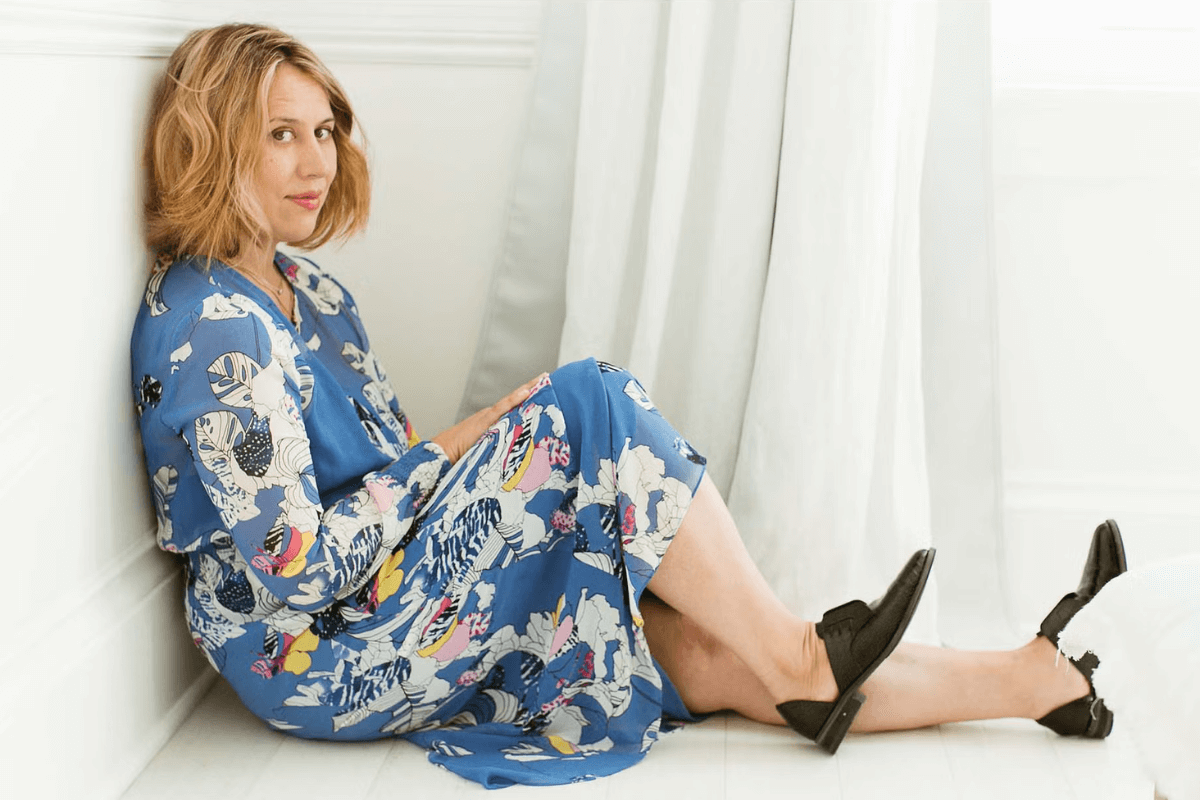
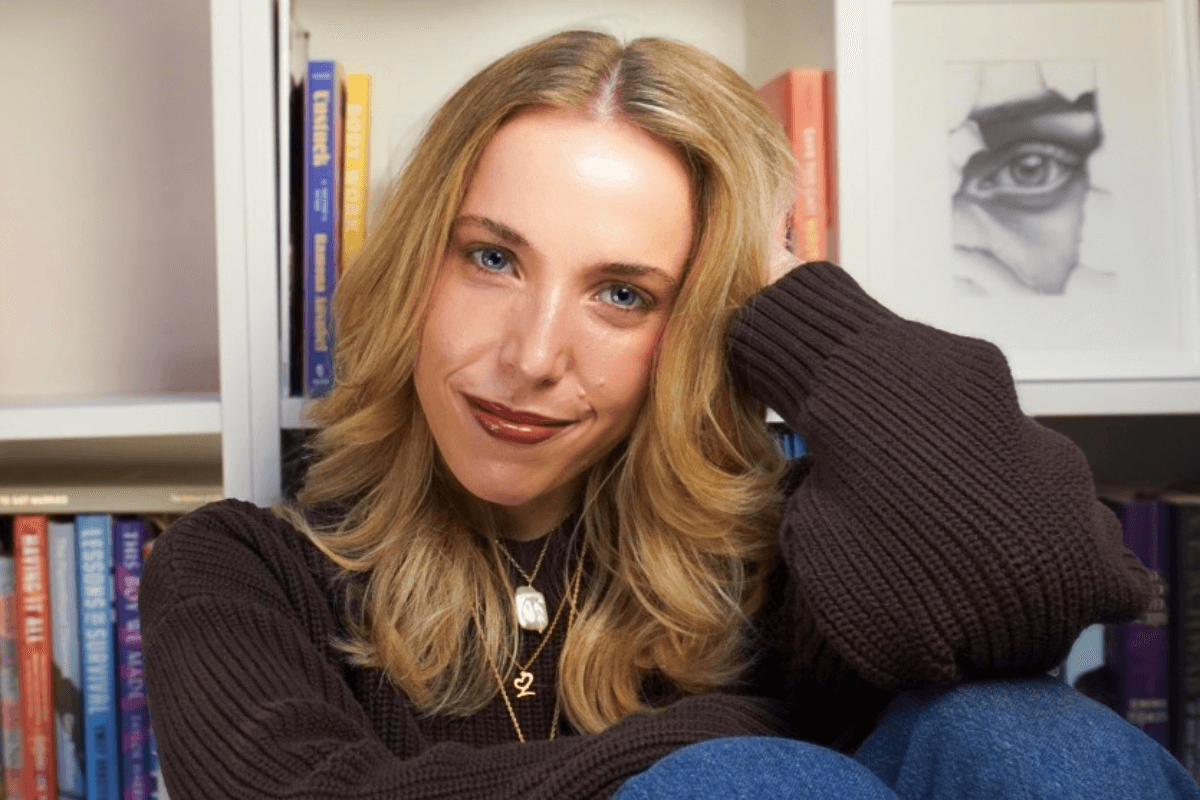
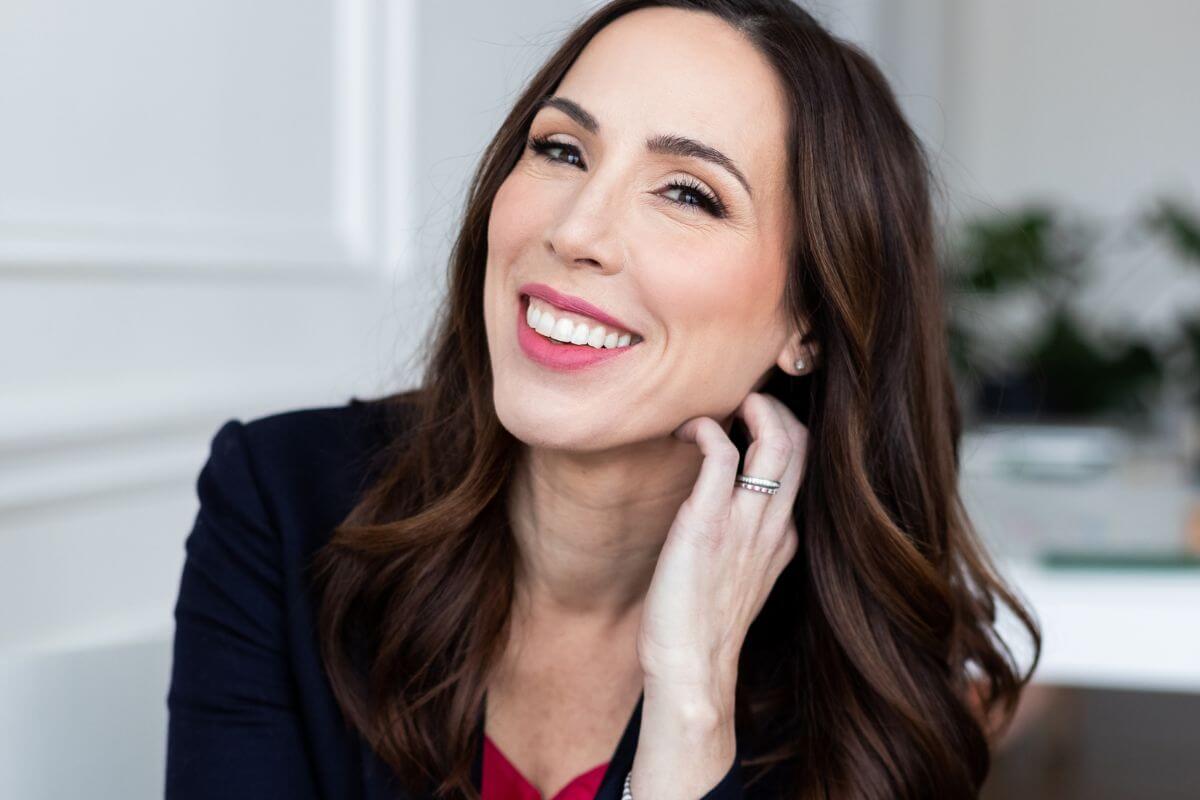
Jo Piazza is a bestselling author, podcast creator and award-winning journalist. Jo is the national and international bestselling author of The Sicilian Inheritance, We Are Not Like Them, You Were Always Mine, Charlotte Walsh Likes to Win, The Knockoff and How to Be Married. Her work has been published in ten languages in twelve countries and four of her books have been optioned for film and television. Jo’s podcasts have garnered more than twenty-five million downloads and regularly top podcast charts. An editor, columnist and travel writer, her work has also appeared in the Wall Street Journal, The New York Times, New York Magazine, Marie Claire, Glamour and many other publications. She lives in Philly with her husband, Nick Aster and three feral children.
You have multiple podcasts that have received over 25 million downloads. What role do you feel podcasts specifically play in the changing landscape of journalism?
I’ve long believed that podcasts are the future of journalism. I thought this before the podcast boom and I still think it now that we are in a weird place with podcasts (at least on the business side if you aren’t a mega celebrity). We’re living in a world of fractured attention spans, where people are scrolling a million things at once, and podcasts fit into that reality. You can listen while you commute, make dinner, feed a baby, play with a toddler, or walk your dog. But beyond that, podcasts are incredibly intimate. As a podcast you are literally living in someone’s ears, and that creates a level of trust and connection that other forms of media can’t always replicate.
You cover internet culture but also live inside it as a creator. What have you discovered about this dual relationship with media that many are now experiencing (both covering news and being a part of it)?
Covering internet culture while also living inside it as a creator has made me realize just how much everyone is expected to be a brand now. If you want your work to be found, you have to play the game — and honestly, I hate it a lot of the time. But I also don’t see a way around it. What I’ve learned is that the only way to survive is by setting boundaries so the culture doesn’t break your brain. For me, that means treating social media like a tool: I go on, I post, I do the research I need, and then I get off. It’s the only way I can exist in that dual role without getting consumed by it.
Your journalistic endeavors have overlap with your fiction, especially with your recent release, Everyone is Lying to You. Do you do this intentionally for research or does a story sometimes emerge when you’re reporting on trends?
Honestly, it works both ways. I can’t really separate my journalism from my fiction anymore. They totally grow off of each other. Sometimes a piece of reporting sparks a story idea, and sometimes writing fiction pushes me to dig deeper as a reporter. Either way, I approach my novels with the same rigor as my nonfiction. I report out the details because I believe the power of fiction is in those tangible details that make a world feel real. With Everyone Is Lying to You, it flowed so naturally because I’d already been reporting on mom influencers for five years and tradwives for two. By the time I sat down to write, the story poured out of me in three months.
As a multi-faceted journalist, what do you believe the future of journalism could look like? What are you hopeful about and what are you fearful of?
I’m both hopeful and terrified about where journalism is headed. On one hand, I love how personalized it’s become. The fact that I can be an independent creator and connect directly with my audience is exciting — it feels like a new golden age of voices that wouldn’t have had a platform before. But I’m also deeply uneasy about the flip side: the lack of checks and balances. Without strong editorial structures, it’s far too easy for misinformation to spread, and the public has a harder time distinguishing between well-reported work and pure opinion or spin. I spent years studying how journalism worked, how to be an objective and solid reporter. I did it in both an academic setting, but more importantly training with other journalists who had been in the trenches and then just doing the work. Both of these options are eroding for up and coming journalists and I think that training is every important.
For anyone who is interested in becoming a journalist in the digital world we live in today, what advice would you give them?
My biggest advice is that you have to hustle. Journalism today isn’t about sticking to one lane. You have to embrace different mediums and be willing to follow the audience wherever they’re moving. The crappy truth is there aren’t as many structured spaces to train anymore, so a lot of the time you’ll be flying blind. That’s why mentors are crucial. Seek them out, ask how you can help, figure out how to be part of their ecosystem, and then really learn from them. The people who succeed now are the ones who are adaptable, relentless, and always curious.
How do you think AI will impact journalism?
It honestly feels impossible to answer because the landscape is shifting every single day. What I do know is that the move from traditional SEO-driven search to AI-generated content is going to upend the economic and distribution models of journalism all over again and I don’t think the industry is ready for it. At all. On top of that, the ability for AI to generate content without any human reporters behind it raises huge questions we haven’t begun to grapple with.
How do we preserve human-centered journalism in this emerging era?
We preserve human-centered journalism by valuing it. That means supporting it, paying for it, and sharing it. If we want reporting that actually comes from people then we have to treat it like something worth investing in, not something we just expect for free.
What skills do you think a journalist needs to possess to stand out in a content-saturated market?
To stand out in a content-saturated market, you have to figure out how to authentically connect with your audience. That means really listening to what they want and need, instead of just shouting into the void. And then you have to carve out your niche and figure out what makes you distinct.
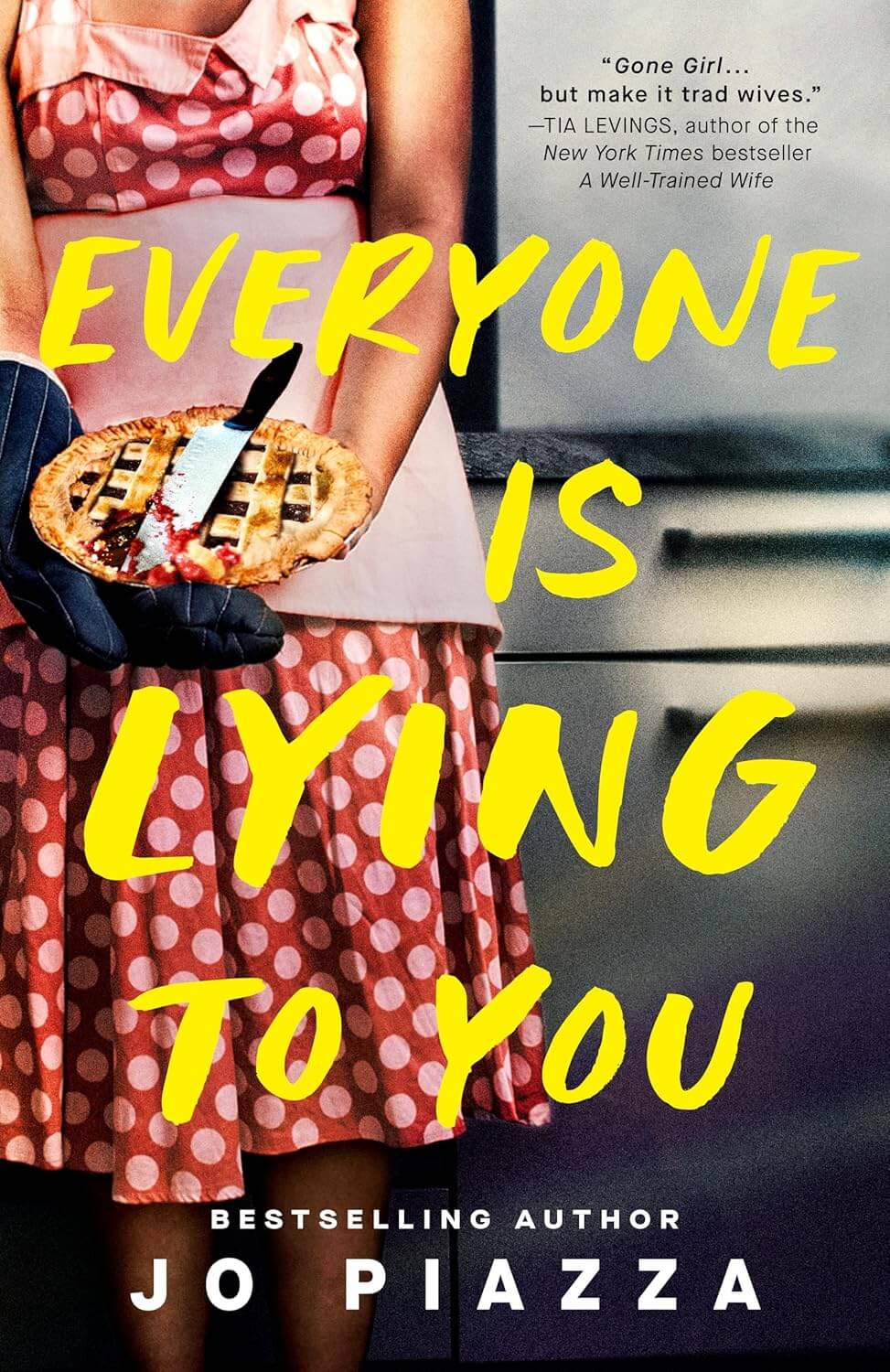
Everyone Is Lying to You by Jo Piazza
Lizzie’s college best friend Bex disappeared after graduation, leaving Lizzie heartbroken and confused. Fifteen years later, Bex—now a famous influencer named Rebecca Sommers—reconnects with Lizzie and offers her a career-changing interview, but during a major influencer conference Bex vanishes and her husband is found murdered. Lizzie is pulled into the ruthless world of social media as she tries to uncover what really happened to her former friend and who might want her dead.
Buy the book now: Bookshop.org | Amazon


Leave A Comment