

Laura Griffin is the New York Times and USA Today bestselling author of more than thirty books. She is a two-time RITA Award winner as well as the recipient of the Daphne du Maurier Award. Laura’s newest thriller, Innocence Road, takes place in a fictional small town in far West Texas.
When it comes to writing fiction, details matter. Don’t you love that magical moment when the words on the page capture an experience so perfectly that your brain goes, “Oh, I’ve been there!” The key to creating those moments is using vivid details that immerse the reader in your story.
I got my writing start as a newspaper reporter, and the best writing advice I ever got came from my news editor who told me, “Don’t write from your chair. Get out there!”
Most writers don’t like to get out there. We’re introverts. There is nothing we like more than to work in the safe cocoon of our writing space, surrounded by books and cuddly pets, or—if we’re feeling bold—ensconced in our favorite coffee shop, with headphones blocking out the world.
But hiding away from the world does not give writers the details needed to create a captivating story. Sure, it is possible to interview someone over the phone and get a few quotes, but to write something gripping, it’s necessary to go straight to the source and gather details for yourself.
Writing Real-Life Characters
Any good story starts with a person, someone we are rooting for as they set out to knock down obstacles and accomplish a goal. After years of news reporting, I discovered that my most-read articles—the ones that generated the most interest from the public—focused on people whom I had met and interviewed personally. Putting a face on any subject can make it come alive for your reader. But you can’t just text people your questions or speak to them over the phone. The key to a good interview is to go where they are.
Are you writing about a cop? Set up a ride-along with your local police department. Is your main character a pastry chef? Sign up for a cooking lesson. Go to the place where your character lives and works and see their surroundings with your own eyes. You will be shocked at the volume of details you can absorb in no time.
One of my early suspense novels features a forensic artist who sits down with crime victims to create drawings that help police track down violent offenders. While developing the story idea, I read a world-renowned forensic artist’s book and then reached out to her to set up an interview. Even though I had already learned about her job, meeting her in person was a game changer. I got to tour her studio, see her work in progress, listen to her jargon. I got to check out her Beanie Baby collection, which I learned was key to her method for putting young children at ease before an interview.
When you meet someone in their own space, inspiration abounds. Even just the memorabilia cluttering someone’s desk can provide personal details that will bring your character to life.
If you are shy about contacting an expert, here’s a tip: read their book or their article or find an interview they have given. When you reach out, you can tell them that you’re familiar with their work and want to know more. Most people feel flattered when someone shows a genuine interest in what they do.
My favorite interview questions is, “What are some misconceptions about your job?” The answers you get can help you create more true-to life characters. Another useful question is, “What are your pet peeves?” This one generates a passionate response that will help you create a main character who is not only more realistic, but more relatable, too.
Settings That Put You in the Moment
Besides learning about people, it is critical to gather insights about your setting. As a reader, one of my pet peeves is reading about a setting that I know well and realizing the author has never been there. When an author gets basic details wrong—the weather, the landscape, the dialect—it yanks the reader right out of the story.
Ideally, you should spend some time in your setting (or if it is a fictional setting, someplace similar). While writing Innocence Road, I spent time in Marfa, out in far West Texas, where my fictional story takes place. While there, I soaked up details galore.
When visiting your setting, take photos and videos that you can reference later. And don’t fall into the trap of taking only tourist shots. Your character is not a tourist in their hometown. Take pictures of what they see on a day-to-day basis. I’m talking about the burrito shop, the mural on the side of the building, the dive bar where people hang out on a Friday night. As you’re waiting in line for a coffee or having dinner, open your ears and really listen to the people around you. How do they speak? What slang do they use? What topics dominate the conversation?
Another helpful source for inspiration—those community bulletin boards posted at coffee shops. Notice what services are being advertised. Are people offering palm reading? Guitar lessons? Boat repair? By skimming those boards, you can quickly pick up on the unique vibe of a particular place.
And the research shouldn’t end when you get home from your trip. You can continue to get great info from afar by signing up for a newspaper or newsletter from the place you visited. Or listening to podcasts from the local radio station. Your goal is to put yourself in your setting. If you are going to write about a place, you want to know the type of weather threats they have, what sort of crime happens, what people do on the weekend. I call this the setting’s “ambient noise”, and if you are writing a four-hundred-page book about a place, you had better know it.
As a writer, your goal is to create people and places that feel true-to-life and stir real emotions inside us. To make your stories compelling, you need to get out of your chair and seek out those quirky specifics that breathe life into your characters. When it comes to good storytelling, the devil is in the details.
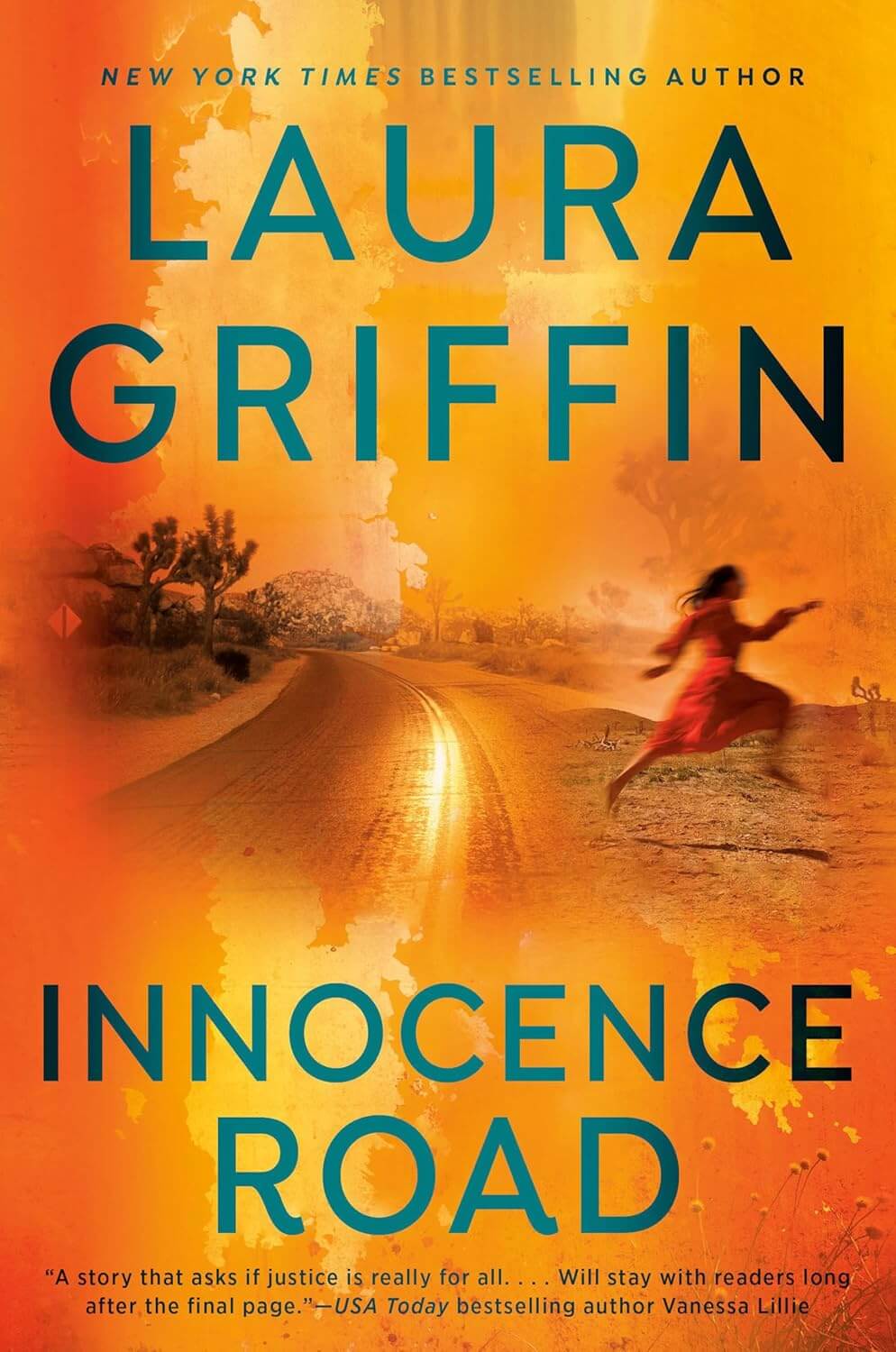
Innocence Road by Laura Griffin
Leanne knows that her hometown isn’t safe for women, a fact amplified by the decades-old murder case of a local teenager that is still unsolved. When she’s called to the scene where an unknown woman was found dead, Leanne finds links to the teenager’s murder and multiple shelved cold cases of female victims. It’s clear that a serial killer is at work here, one who grows restless with every victim they murder, and it’s up to Leanne to unmask them before another woman turns up dead.
Buy the book now: Bookshop.org | Amazon













Leave A Comment