

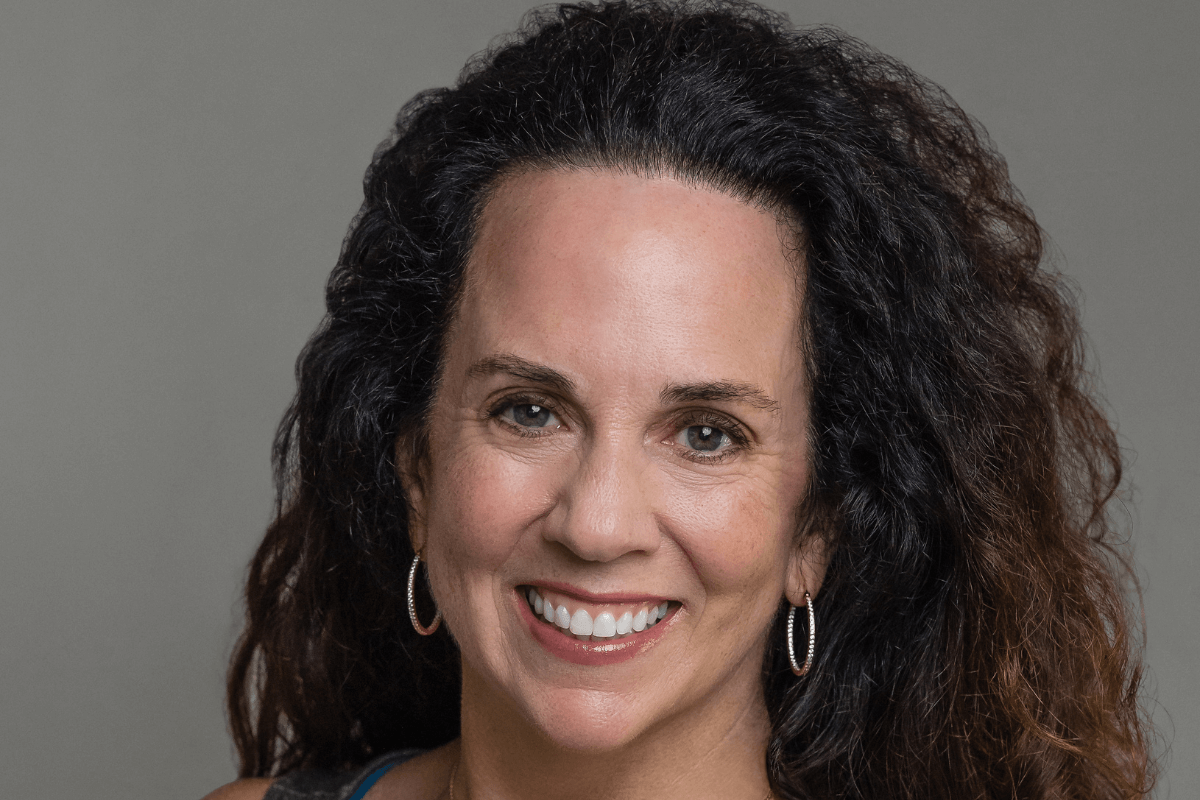
Willa Goodfellow likes to travel. In college she hitchhiked through Germany and cleaned hotel rooms in Liechtenstein. She comet-gazed in Australia and camped in Arches National Park. She gambled in Mexico and won a pasta-making contest in Tuscany. She swam in the Irish Sea. No, she jumped in, screamed, and jumped out. It was cold! She also likes to write. Some of her best stories come from sitting still and listening at the Pato Loco, her sister’s bar in Costa Rica. But there is more to come—today she lives and is listening to pub tales in County Kerry, Ireland.
On August 3, 2012, just four days after receiving her diagnosis, Tig Notaro went to her gig at the comedy club Largo in Los Angeles. She walked onto stage, faced the audience, and said,
“Good evening. Hello. I have cancer. How are you?”
By next morning, Notaro’s career as a comic was launched.
Notaro later acknowledged that she didn’t set out to make comedy history. She simply did what comedians do. We process our pain through humor.
Notaro is a stand-up comedian. But her use of comedy to describe a painful situation is a skill that memoirists can use to the same effect.
Writing a memoir requires making choices
When we tell our stories, we invite readers to see us through a particular lens. We can be:
- The hero
- The victim
- The survivor
- The teacher
- The wise one
- The fool
- The observer
- The comic
The same story can be told through any of these lenses. The choice of lens shapes how we understand our lives, and how we ask our readers to understand us.
Humor as a choice for memoirists
Two of these lenses are related: the observer and the comic. To describe one’s life with humor requires a certain detachment. That detachment is how the author gains control over the story.
When Notaro announced, “I have cancer,” she was making a choice. She wasn’t reacting to her diagnosis; she wasn’t pouring out her feelings. She stepped back to state it as a fact, separate from the self who was choosing how to tell the story.
She took control.
Free to choose
When we begin to observe our lives, our feelings, and our thoughts, we become free to choose in what way they will shape us.
It is one of Victor Frankl’s most famous quotes:
Between stimulus and response there is a space. In that space is our power to choose our response. In our response lies our growth and our freedom.
But why choose to joke about something so horrible?
Because gravity kills.
(That is a joke.)
Trauma humor (the concept itself is funny!) participates in the comic style of the absurd:
- Lucy and Ethel trying to manage the overwhelming speed of an assembly line by stuffing chocolates into their hats;
- Neville Longbottom mastering his fear of Professor Snape by imagining him dressed in Neville’s grandmother’s clothing;
- Gary Larson drawing his Far Side cartoon of a surgeon pulling a porcupine out of the patient’s belly with the caption: “Well, I guess that explains the abdominal pains.”
Humor tames a painful situation by reframing it as theater of the absurd.
My first memoir described leaning over a balcony rail as I considered jumping—and then rejecting the plan because—ouch! Notaro announced her cancer in a comedy club. But suicide and cancer are terrifying! Yes—that’s why laughing about them is so funny. It’s absurd.
When comics make a joke of death, we make ourselves bigger than our fear. We conquer it. We conquer it for ourselves and for our readers as well.
The dance of tension and release
Comedy functions by creating tension and then releasing it with a surprise.
On the stage, Notaro made her audience uncomfortable by saying something frightening when they expected to hear something funny. What was going on? How were they supposed to respond? When she then described it as ridiculous, giving them permission to laugh at their own discomfort, the tension was broken.
I leaned over the balcony rail, and the readers were anxious about the horror that might follow. But I pulled back because—ouch! They didn’t see that coming!
Overcoming the taboo
The fool in the court of the king has permission to say things that courtiers and cabinet members do not, to point out the king’s foolishness and mistakes. Comics also have permission to break taboos, to talk about subjects that others don’t discuss in public, such as failure, suicide, cancer, and death.
Laughter lowers the defenses of the readers, making it possible to examine the taboo topic. It creates connection with the author through the shared appreciation of the joke. Where a tale of woe might be overwhelming and off-putting, humor puts the author and readers on the same plane, opening a possibility for empathy.
Humor gives permission to discuss “shameful” subjects. Shame loses its power once it is spoken. So breaking the silence through humor can be healing for both author and readers.
Laughter is all the more powerful when the taboo experience is shared. The author breaks the silence within the readers’ own lives. Silence, like gravity, kills. (That is not a joke.)
Two cautions:
First: Trauma humor is a first-person enterprise. It belongs to the person experiencing it. That is the person who gets to say what it means. It is not funny to joke about somebody else’s misery. That is called bullying.
Second: Trauma humor is a risk. Not everybody is going to appreciate the joke.
- The author might trigger somebody else’s unprocessed pain before they are ready to process it;
- The reader might have experienced a similar situation from a different perspective, as a witness or first responder. They may not be able to take the first-person’s point of view;
- The reader might be a professional, trained so thoroughly to avoid laughing at that they are unable to switch to laughing with;
- Or the reader may simply take offense. Despite the softening that humor provides, they may object to the broken taboo.
When addressing painful topics, the blowback can be fierce. The author needs to be clear about and committed to her reasons for telling her story the way she tells it. It helps to consciously collect the positive responses, especially those from people who benefitted from the story.
Why take the risk
Tig Notaro wasn’t on a mission when she announced her cancer. She simply had a gig and had nothing else she could talk about in that moment. She didn’t know if she would physically survive her cancer, and was ready to throw her career out there as well.
She took the risk because at that point—what else could go wrong?
I took my lumps from telling my story. But when others said, “This happened to me too!” I became all the more convinced of its value.
The practice of humor itself put my difficult experiences in perspective. Using Frankl’s pause, I chose to laugh even at my fear of criticism. That gave me the courage to tell my story.
What is its meaning? That I am resilient. I can conquer my fears.
In a nutshell
- Pause; step back to observe;
- Identify the points where the pain goes over the top;
- Choose to laugh because—isn’t it ridiculous?
- Craft the story by dancing between tension and release;
- Experience the power of not being overwhelmed by the pain, but rather controlling your own narrative, choosing your own meaning.
Because gravity kills.
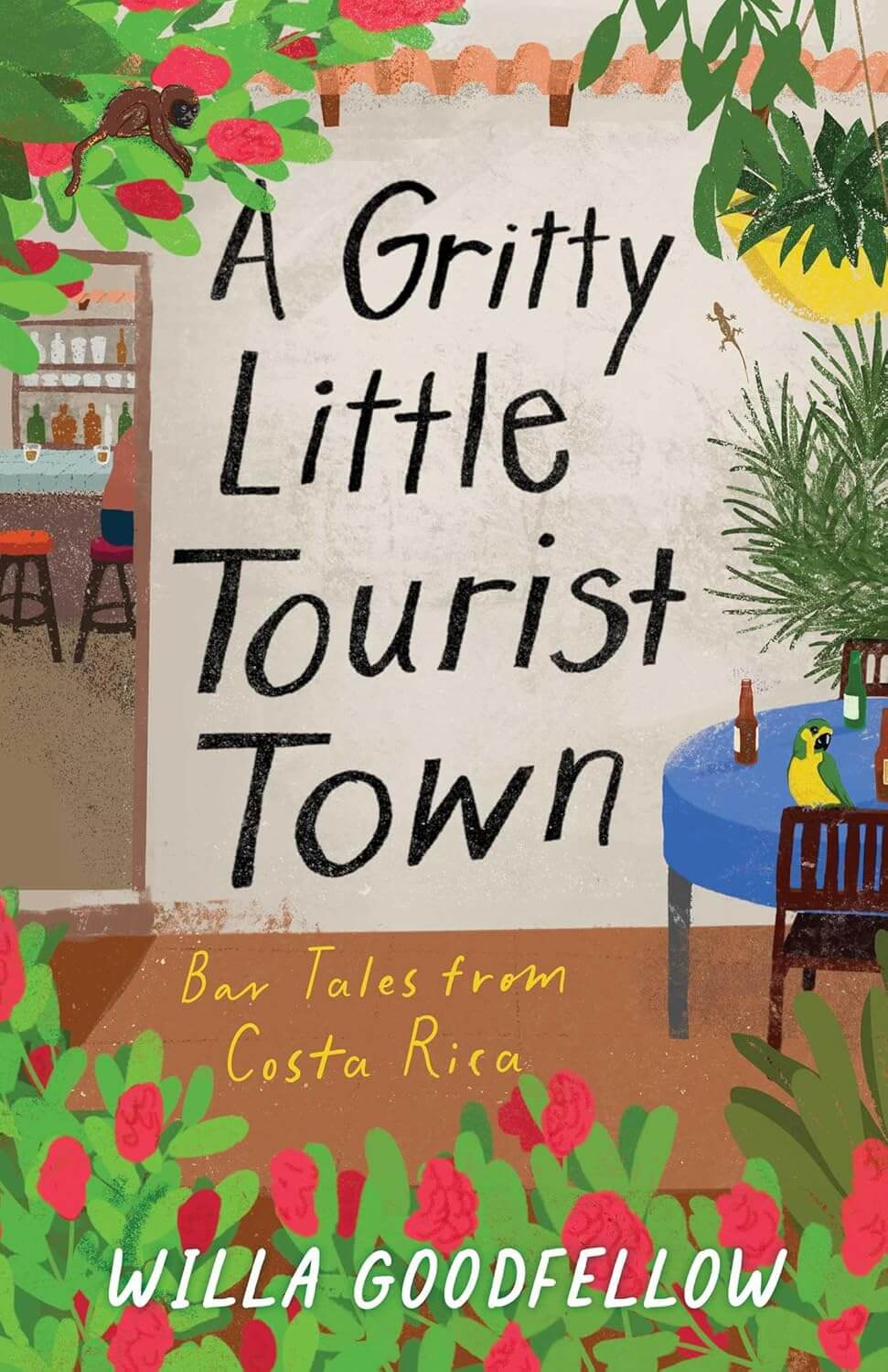
A Gritty Little Tourist Town by Willa Goodfellow
When Willa and her wife travel to Costa Rica to visit family, they stumble into an unexpected community in a small fishing village filled with colorful expats and unforgettable locals. At the lively Pato Loco bar, a cast of quirky characters shares stories about life abroad, culture clashes, and the realities of chasing paradise. Through humor and heartfelt moments, Willa begins to find connection and belonging in the most unexpected places. The result is a warm, story-filled look at community, adventure, and the surprising lessons travel can bring.
Buy the book now: Bookshop.org | Amazon









Leave A Comment