
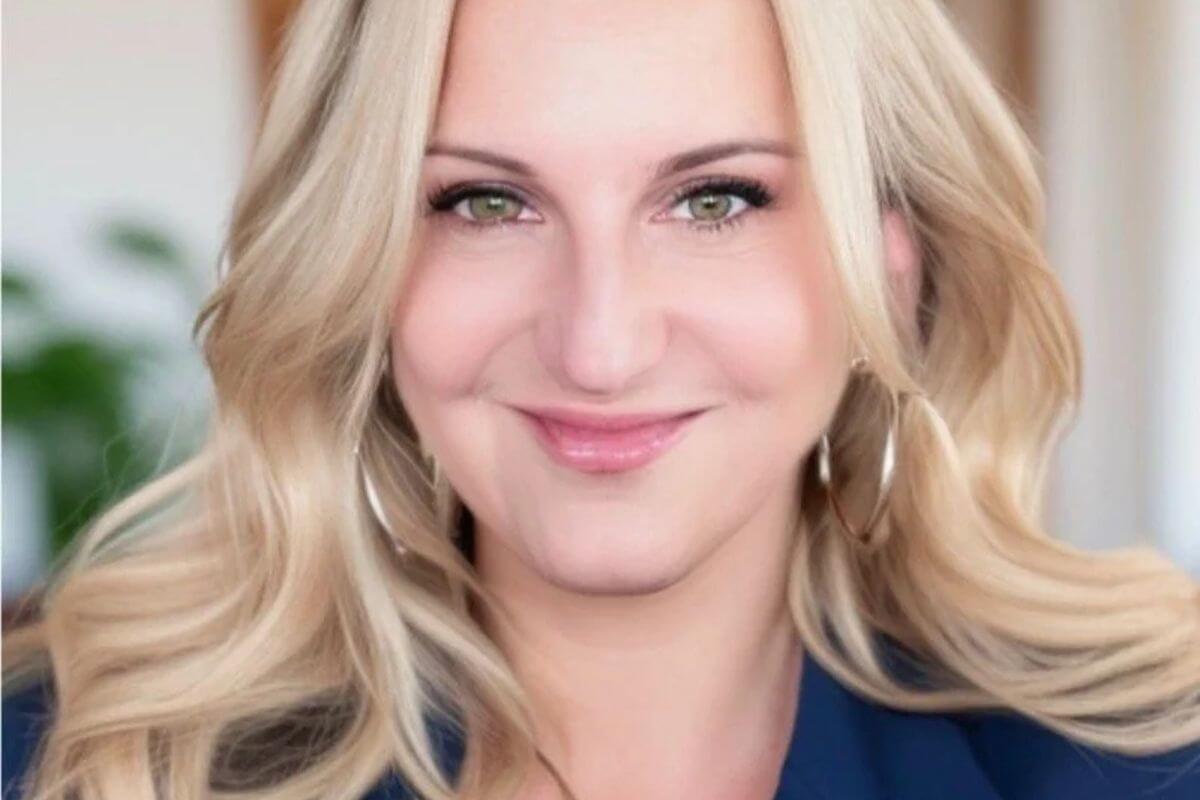
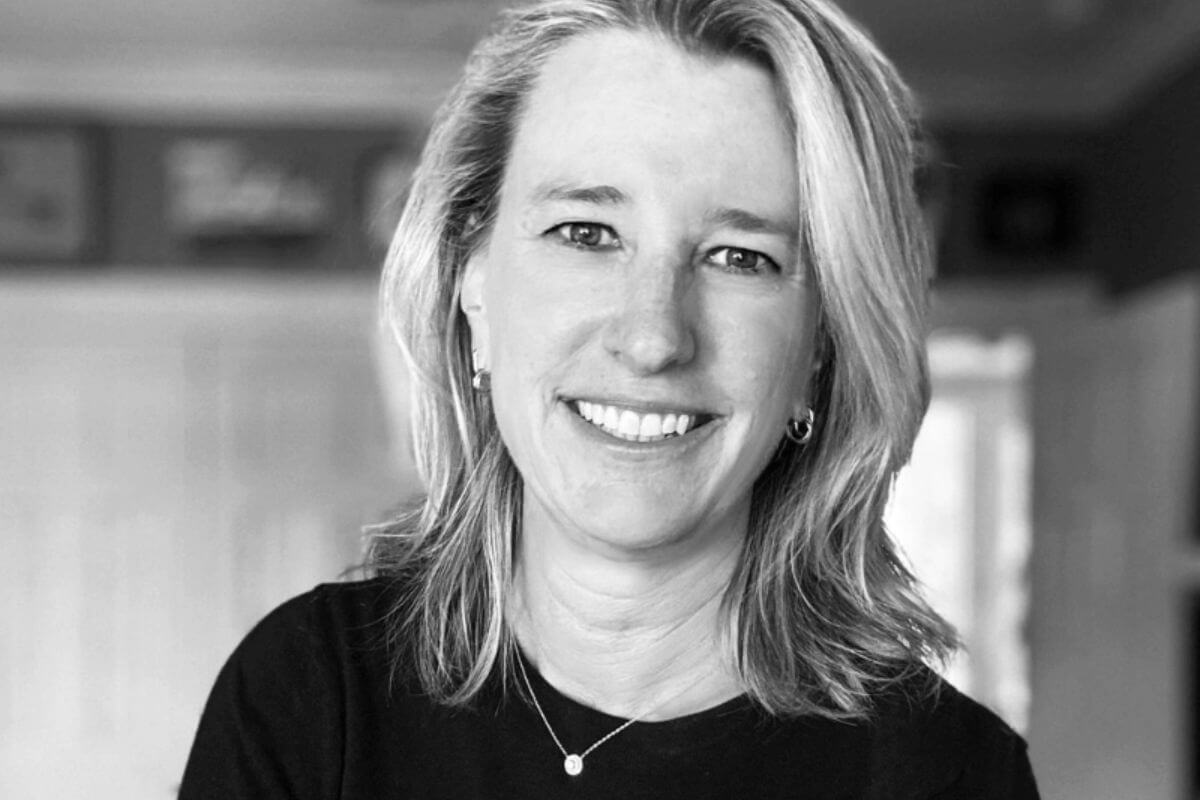
Kathleen Schmidt is the founder and CEO of Kathleen Schmidt Public Relations and a respected leader in book publishing with three decades of experience spanning publicity, literary representation, acquisitions editing, and ghostwriting. She has worked on more than 50 New York Times bestsellers and led global media and branding campaigns for politicians, A-list celebrities, athletes, and other high-profile figures, securing consistent coverage across top-tier national outlets. Schmidt also publishes the fast-growing Substack newsletter Publishing Confidential, where she shares insider expertise to help demystify the book industry.
What initially drew you to Substack, and how has your understanding of the platform’s power evolved over time?
Honestly, I don’t remember how I discovered Substack. It was early 2023, and I was thinking about restarting Publishing Confidential using MailChimp. I set up a Substack account, uploaded 25 email addresses from Mailchimp, and wrote about the future of English majors in the age of AI. I had no idea people would read it! I just wanted to write honestly about book publishing.
The more time I spent on the platform, the more I saw it develop. When I started writing my newsletter there, the Notes feature hadn’t launched yet. Once it did, it became easier to leave Twitter (now X) because Substack was clearly focused on discoverability for its writers. That was (and still is) a selling point to me. Once mainstream journalists who left their media posts started showing up on the platform, I knew it was becoming powerful.
What made you choose Substack over a traditional email newsletter, social media platform or blogging?
I am still active on social media. I divide my time between Substack, Threads, Instagram, and Facebook. I don’t really post anything on TikTok, but I enjoy scrolling through it at night. Each platform serves a purpose, and Substack is where people go to read longer pieces than, say, 280 characters. You truly get to know a person’s voice when you regularly read their newsletter.
The big draw for me with Substack was (and still is) discoverability. You get a feel for other newsletters when you scroll through Notes, which other platforms don’t offer. I also think it is easier to keep 90% of my content free on Substack, and the newsletters are easily shareable.
From a PR perspective, what does Substack allow you to do that perhaps other platforms come up short on?
When you depend on social media platforms, you are renting your audience. When I left Twitter, I lost my following. On Substack, I own my audience and can download my subscribers’ email addresses at any time and start over on a different newsletter platform.
How does Substack impact the current media landscape for book coverage? Are you finding it a pitch-worthy resource for coverage?
I predict that Substack will become THE place for book coverage within 3 years. It is already a great place to find people who want to cover books. People are on the platform to read, so yes, I find it pitch-worthy for coverage. That said, I always advise authors to subscribe, read, and comment on newsletters they think would be good for their books.
Authors are always hearing about platform building. Substack offers an alternative to videos/images on social media that writers might feel more at home with. If an author is considering incorporating Substack into their platform-building efforts, what should they take into consideration?
Authors should consider what they want to write about and search for those topics on Substack to see what is already there. Whenever you can fill a niche, it’s a good thing. They should consider what in their background they can mine for content and how that aligns with the books they write. Patience is definitely needed. It has taken me almost 3 years to reach over 21K subscribers, and I treat my newsletter like a second job.
The other thing I’d say is that authors should put a lot of thought into what they’d like to call their newsletter, and then have a logo designed. Always remember that each newsletter you write becomes part of your legacy.
What do you think is the biggest misconception writers have about Substack?
I find that authors tend to be nervous about trying to build an audience on Substack. It can seem like a slog, and maybe it is for a while, but the payoff is great because you are landing in people’s inboxes.
What type of writers do you feel do best on Substack?
Writers who are good storytellers, have fun personalities, and know their audiences tend to do well on Substack. You can be serious, but you must know that is what your audience wants. It’s an opportunity to let your personality shine. Don’t squander it.
Do you have any examples of authors using Substack who you think are doing it really well?
Yes. I think Jo Piazza (Over the Influence) and Leigh Stein (Attention Economy) are terrific at using Substack. They provide value for their readers.
Substack is likely a great option for nonfiction writers who have a lot of data/research/news to convey, but do you feel like it’s viable for fiction authors?
It is viable for fiction authors if they write something outside of focusing on their craft. Jo and Leigh both write fiction, but their newsletters are more centered on pop culture. If you can write about a variety of topics in that realm, or tell interesting stories about your life, you’ll get readers interested.
How do you think Substack is changing the ecosystem of publishing, particularly the dynamics between writers, readers, publishers, and media?
I’ve heard that literary agents are now scouting Substack for possible projects. I don’t think all publishers have caught on to the fact that book coverage is shifting toward the newsletter ecosystem, and that needs to change. Substack offers readers an opportunity to communicate with writers in a way that social media doesn’t. It’s more intimate, and readers are there because they want content. Independent writers have the luxury of tailoring their newsletters to their specific audiences in a way that legacy media cannot, because legacy media is at the mercy of advertising revenue.
If someone were to decide that in 2026 one of their goals is to start a Substack, where would you encourage them to begin?
Search topics you’re interested in writing about to see who else is in your lane. Subscribe to other Substacks, comment, and repost other people’s content. Be a good literary citizen on the platform, and you’ll make friends.
Can you share a few of your Substack posts that have really landed with writers and talk to us a bit about your overall goals with Publishing Confidential?
Sure, here are some popular posts:
Marketing + Publicity in 2026: Change Needs to Happen
30 Years in Book Publishing: What I’ve Learned
Why Advertising Doesn’t Work for Books
First and foremost, I want Publishing Confidential to be a resource for authors to learn about the publishing industry. All too often, authors do not have the information they need during the publishing process. I also want it to serve as a training manual for people new to the industry.
My goal has always been transparency. I am honest about the industry in a way many people can’t afford to be, especially if they work in-house. I hope some of what I write creates change for the better within publishing.
My big goal this year is to try some in-person events. I’d love to do “Publishing Confidential Live” in New York, Boston, and San Francisco.


Leave A Comment