

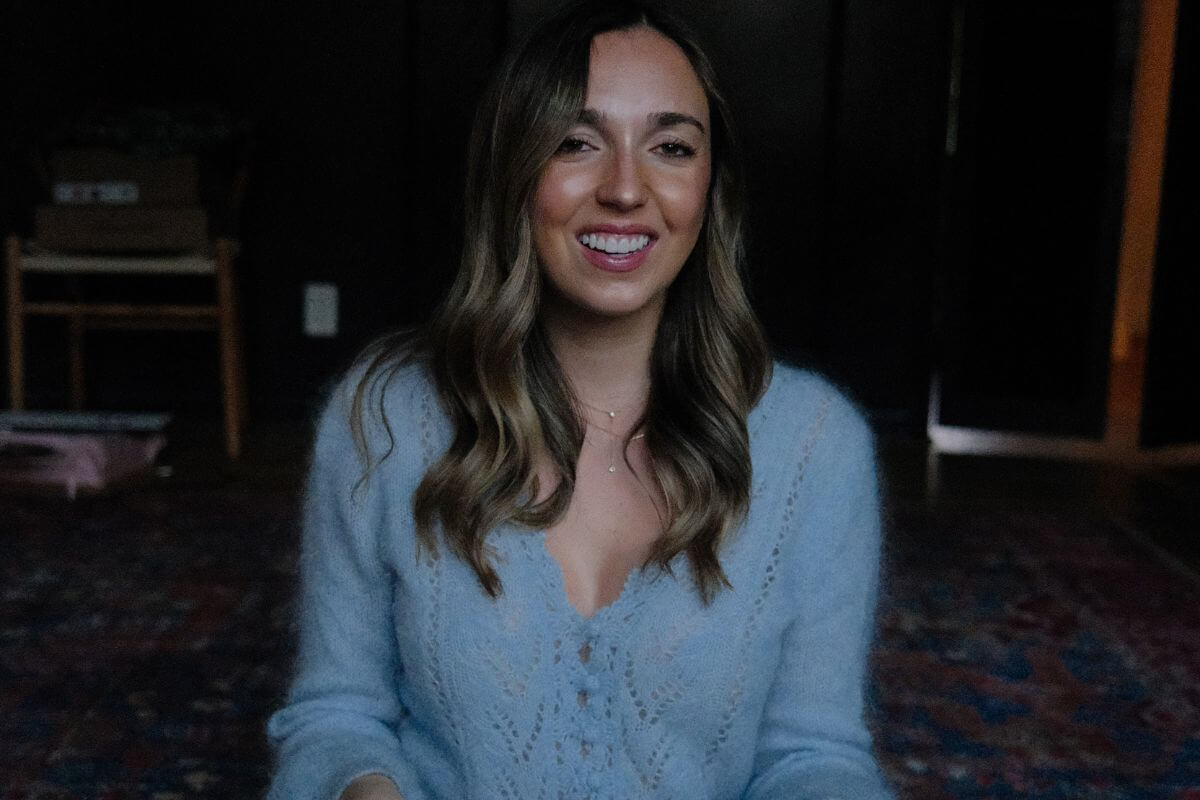
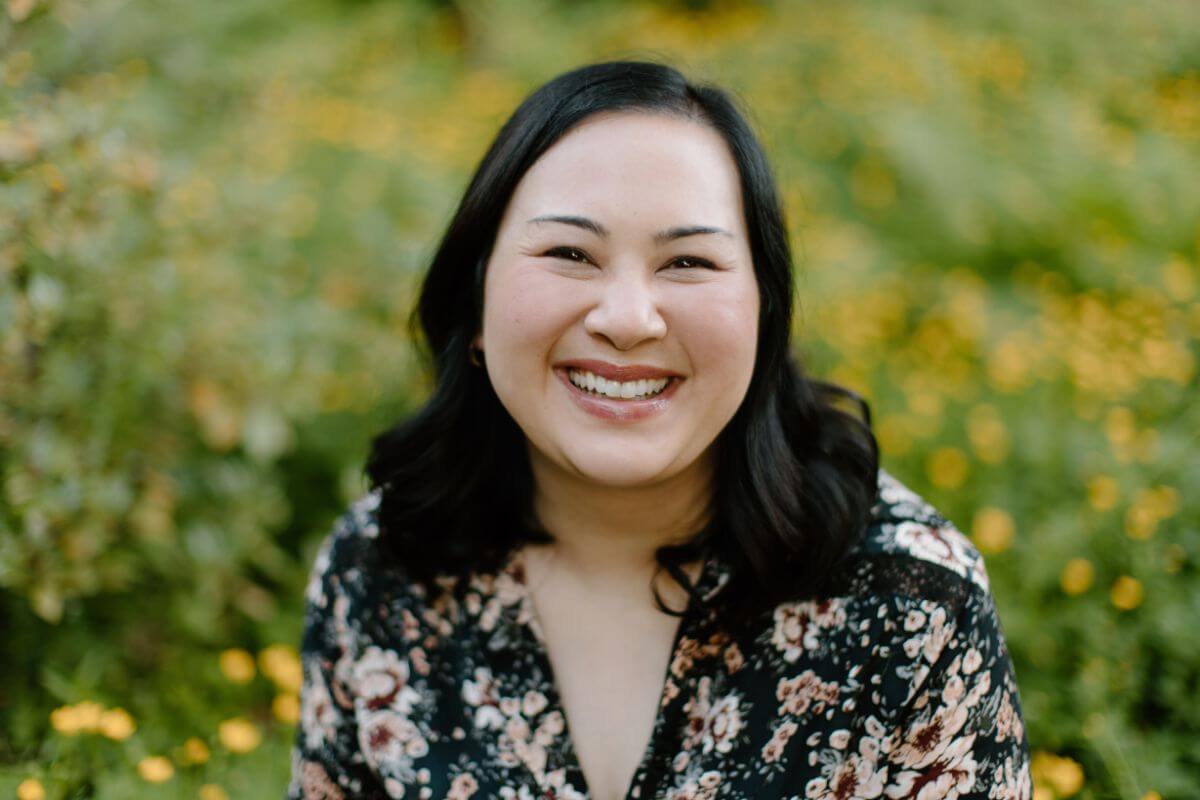
Haley-Grace McCormick is a professional overthinker, screenwriter, content creator, and hopeless fangirl, as well as the author of The Enemy of Time, published by Rising Action Publishing / Simon & Schuster. She is driven by a life mission to do good, create wildly, and chase the stories that set her soul on fire.
I was never supposed to be a writer.
At least, that’s what I was told.
In elementary school, teachers, counselors, and even a principal suggested that higher education wasn’t really for kids like me. I was diagnosed early with dyslexia, dysgraphia, dyscalculia, and ADHD, a combination that made traditional learning feel like a constant uphill climb. Writing, an art form dependent on spelling, grammar, and sustained attention, was not presented as a viable option. It was framed as something best left to people with more cooperative brains.
But even then, I loved stories.
I loved movies and television, books I struggled to read but obsessed over anyway. I loved immersive worlds, complicated emotions, and characters who made impossible choices. Long before I had the confidence to call myself a writer, I knew stories mattered to me. I just didn’t know how, or if, I was allowed to make them myself.
That question followed me into my teenage years, shaping how I imagined my future and quietly limiting the risks I believed I was permitted to take. For a long time, I believed these parts of me contradicted one another: the girl who struggled in school, the girl who lived inside fictional worlds, and the girl who quietly wanted to create something of her own.
By the time I reached high school, anxiety had made itself comfortable in my body. During my junior year, I sat in the front row of my Shakespeare class, fighting the urge to breathe into a paper bag as I waited for the moment I would be exposed, not just as someone who struggled with reading, but as someone who didn’t belong in a room built on language.
But then something unexpected happened.
Instead of handing us books, my teacher handed out ridiculous costumes, oversized hats, props, and scripts with assigned roles. We acted out Much Ado About Nothing, reading aloud badly, all of us together. We laughed at our mistakes. And the beauty of it was that no one was focused on me not being able to read aloud, because none of us could read Shakespeare without stumbling.
For the first time in my life, reading wasn’t scary.
On the last day of class, our teacher wrote the three-act story structure on the whiteboard and asked us to change it, to rewrite it, to make it ours. I decided to take a beautiful Shakespearean comedy and turn it into a High School Musical–style remake. While I doubt my version of Shakespeare’s masterpiece will ever be performed publicly, something shifted inside me that day. A lightbulb went on. I learned the structure of a story, and that I could create one of my own.
That same year, I was filling out college applications for fashion design. After that class, I went home, tore them up, and started over. I applied as an English major instead. Not because I suddenly felt brave, but because I realized I would rather struggle honestly with the thing I loved than succeed at something that never quite felt like mine.
College didn’t cure my dyslexia or quiet my ADHD. I still relied heavily on spellcheck. I still rewrote sentences endlessly. I still procrastinated, panicked, and doubted myself daily. But I wrote anyway.
I wrote my first novel there, a messy, earnest, deeply flawed book, and sent it out before it was ready. The rejection was swift and humbling. At the time, it felt like proof that everyone else had been right.
Now I know better.
What that first book gave me wasn’t publication, it was endurance. It taught me how long writing actually takes. How vulnerable it feels to believe in something unfinished. How rejection doesn’t mean you don’t belong; it means you’re still learning.
That book eventually led me to a writers’ conference, where I formed a friendship with Alexandria Brown, who would later mentor me and publish my debut novel. The book itself began as a short story I wrote in college, one I couldn’t stop thinking about. It kept circling the same questions I was wrestling with in my own life: what we owe our younger selves, what we carry with us when we leave home, and whether time truly heals anything, or simply teaches us how to live with the ache.
When I finally expanded it into a novel, I wrote quickly, almost breathlessly, as if the story had been waiting for me to catch up. Writing it felt less like inventing something new and more like listening: to memory, to longing, to the girl I once was who was always aware of time passing. I used to think time was the enemy, because it kept moving while I was still learning how to move forward. What I learned instead is that time doesn’t fix what we refuse to face. It doesn’t erase fear or hand us clarity. It simply keeps moving, holding up a mirror as we move with it, or don’t, showing us who we were, who we’re becoming, and the uncomfortable truth of the present moment.
Time is not the enemy.
We are.
Procrastination disguised as patience. Self-doubt mistaken for realism. Silence framed as humility. We tell ourselves we’ll begin when we’re ready, when we’re braver, when the fear quiets. But fear rarely disappears on its own. It waits. And the longer we wait, the louder it grows.
Today, my life doesn’t look anything like the future I once imagined. I’m a full-time writer and content creator, immersed in my own fictional worlds, often writing faster than my fingers can keep up. I still struggle with spelling. I still stumble when reading aloud. I still live inside stories more comfortably than the real world.
But I no longer live in fear of the future or the unknown, because that is life. And if I hadn’t been pushed into that Shakespeare class, if I hadn’t failed at publishing my first book, I would never have written The Enemy of Time. I would never have accomplished my soul’s deepest dream: To tell the stories I once thought I could never write.
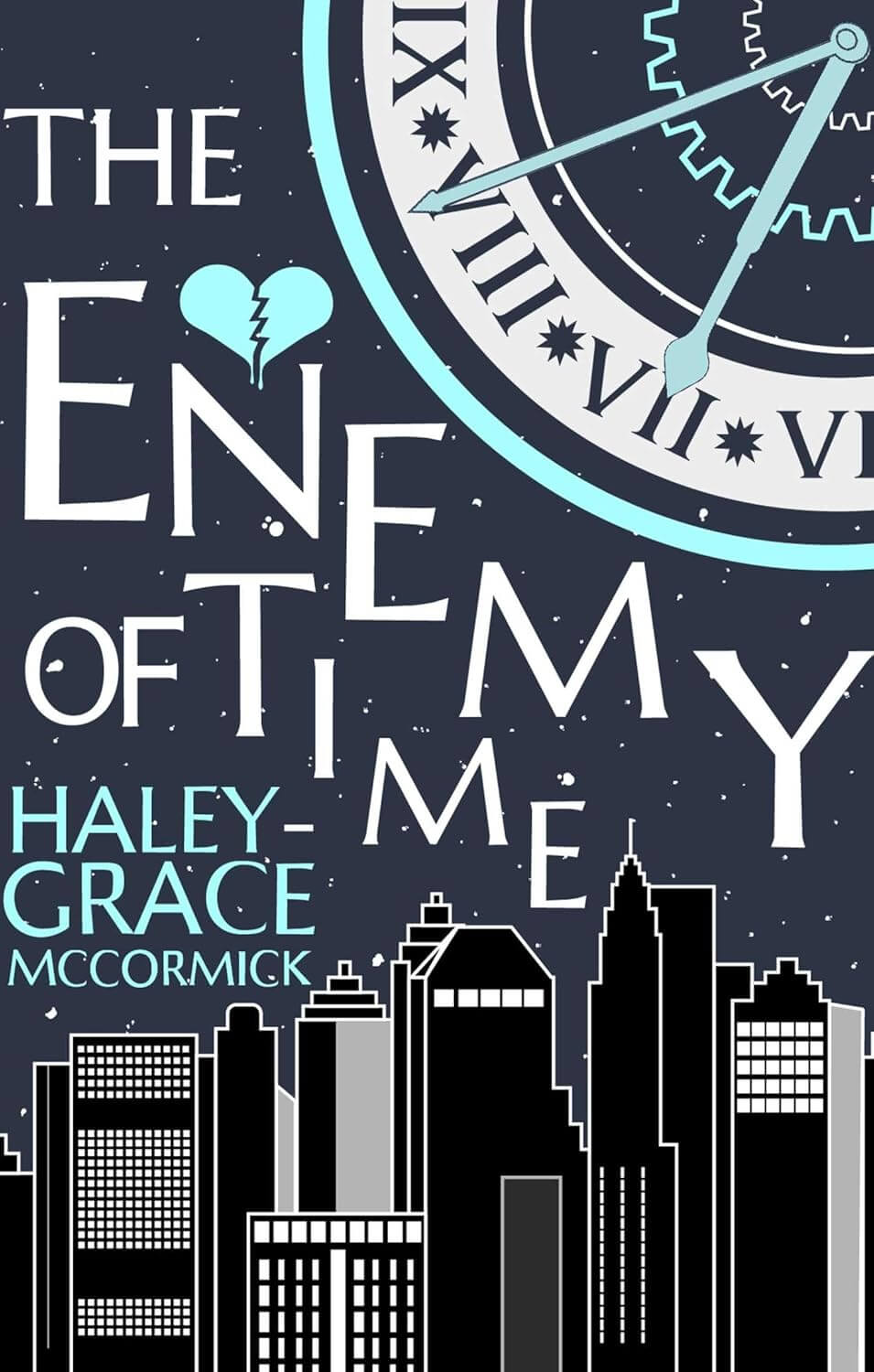
Alex returns to her Massachusetts hometown five years after leaving behind her first love, Jamie—a boy whose troubled life left lasting scars on her heart. When an old journal resurfaces during her high school reunion, buried memories and long-held secrets force her to confront what really happened between them. As past and present collide, Alex must decide whether love that once broke her might still hold the power to heal her future.
Buy the book now: Bookshop.org | Amazon







Leave A Comment