
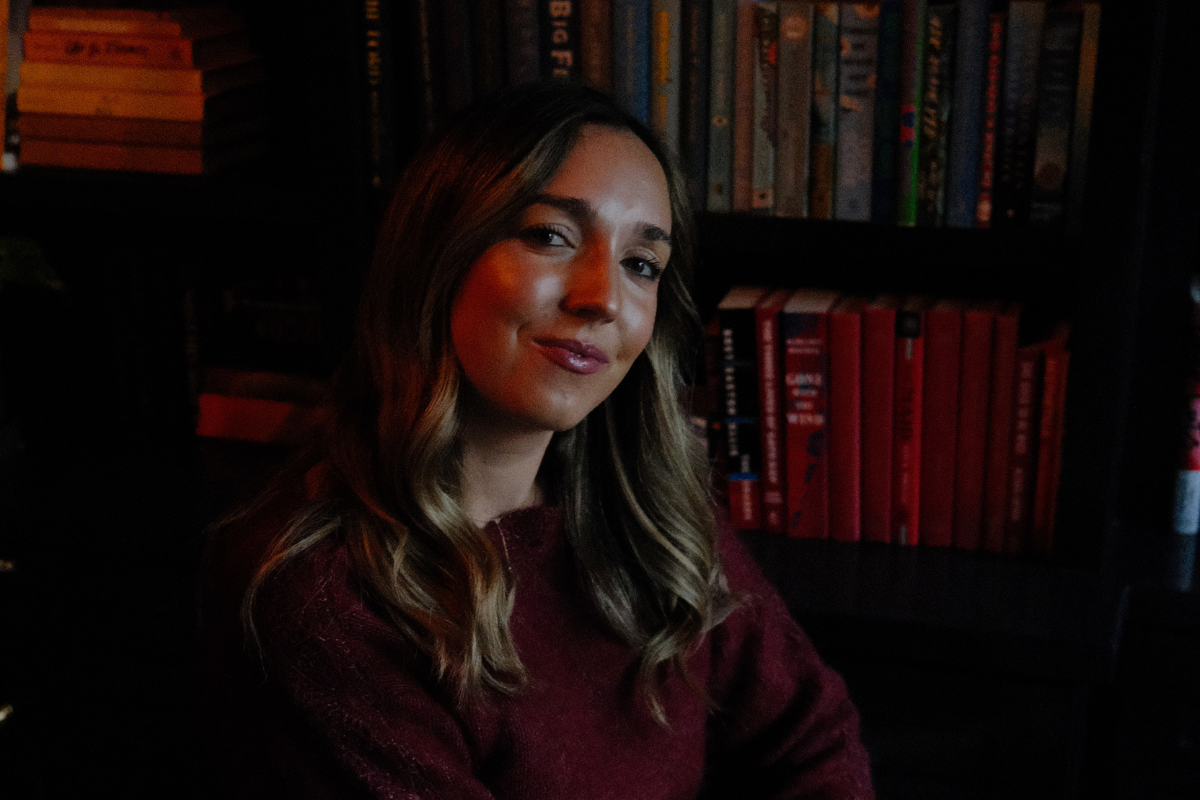
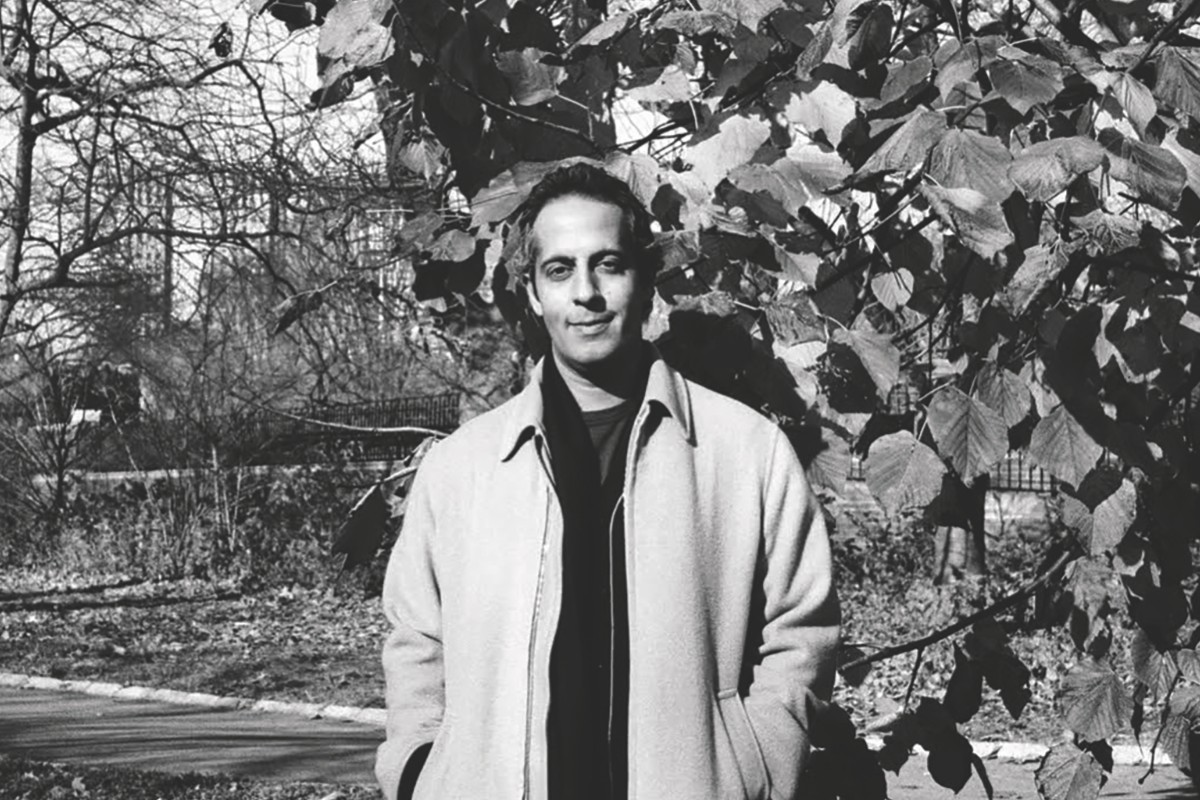
Mary Maeve Mcgeorge is a debut author whose work dissects the ways we deteriorate and blossom in the name of art. Her stories have won accolades from Writer’s Digest and Tulip Tree and have been featured in literary magazines such as sunlight press, Flora Fiction, Blue River Review, Visual Verse, Brown Bag Online, Heartland Society of Women and The Owl. She’s represented by Courtney Paganelli of Levine Greenberg Rostan literary agency. She currently lives in Austin, Texas with her husband.
Lately, I’ve been seeing a lot of online discourse about how querying has become sensationalized, agented authors boasting timelines that seem to dispel the standard belief that querying takes time. And I get it—after spending seven years in the trenches, firm in my belief that it just takes one yes to make your dreams come true, no matter when that “yes” arrives—I needed to believe that the initial bouts of rejections I was receiving weren’t indicative of the quality of the manuscript itself.
I needed to maintain hope that my dreams were still achievable, even though the rejections were telling me otherwise.
Now that I’m on the other side—I’ve escaped the trenches—I unfortunately do feel the need to tell you the sensationalists aren’t wrong.
When it’s right, you’ll feel the difference. The momentum behind your pitch, the crystal clear excitement from agents woven throughout each email, the calm in your bones.
I spent seven years viewing querying as one of the single most anxiety-inducing components of my life. This last foray in the trenches, I should’ve been frayed at the edges. I was five months pregnant. I’d just lost my job in tech (the same week I sent my first query—the timing of it all was…bizarre to say the least). I didn’t know what was next, for me or for my baby.
And querying, strangely, was the only thing that brought me peace (besides my husband, of course). Because I knew what I was selling, and I knew it was right.
Please note: this is just my experience. This isn’t to say you can’t sign with your dream agent after ten months of querying—but it is to say that you don’t just want one yes. You want options, and the best way to secure options is to have momentum. And when you have momentum, you’ll feel it.
So, here are my tips for developing your submission package based on what worked for me, after so much time believing—with my whole heart—in submission packages that simply…weren’t working.
The Pitch
Charlie Lane’s debut novel is climbing the bestseller list, yet with each new book reading, she feels herself fraying. After all, the climax of her story mirrors the trauma from her past relationship with Harrison. A trauma she’s never shared with anyone, not even her fiancé Noah.
Years earlier, their intense situationship imploded after Harrison disappeared, leaving Charlie to face a devastating choice alone—one that reshaped her identity and haunted her long after he was gone. Harrison didn’t realize the gravity of what he abandoned—until he read her novel.
Turning that heartbreak into fiction was the only way Charlie knew to heal but in publishing their story, the lie she told Noah—that it was all made up—starts to unravel. When Noah stumbles upon Harrison, who offers his version of the story, Charlie must confront whether her omission was unwitting or an invitation to resurrect what was once lost. After all, her novel didn’t just kickstart her writing career—it brought the one who got away back.
My take: The single biggest differentiator with this query, versus all the others I’d sent and shelved, was that this paragraph wasn’t actually that hard for me to write.
I knew what I was selling, and I was delivering on the promise of the pitch within the manuscript itself. I see a lot of people (my past self included) muddying the waters with different hooks and angles and generally, just struggling with this portion of the query.
But the hard truth is: agents are taking a huge risk in signing you. They don’t get paid unless they sell your book, so they need to know that you know how to sell your book. If you’re having a hard time homing in on what it is that differentiates your story, then maybe you’re not ready to query. You need to know your story, and if you do, this part should come fairly easily to you.
The Metadata
LOVERS & LEAVERS is a 95k upmarket women’s fiction with the emotional resonance of Genevieve Wheeler’s ADELAIDE and the metafictional tension of A NOVEL OBSESSION by Caitlin Barasch. If I were allowed to do older comps, I’d say it sits right on the shelf between TELL ME LIES and NORMAL PEOPLE. Unfolding across three intertwined perspectives—Charlie and Harrison’s recollections of the past and Noah’s confrontation with the fallout—each character’s journey reflects a shifting attachment style.
My take: For me, this paragraph exudes the confidence I felt in my story and its opportunity in the market. I’d swap various comps depending on what the agent’s wishlist called for, sometimes swapping in PREP or YELLOWFACE if applicable. My biggest advice for anyone struggling with this aspect of the pitch: READ. You cannot be a writer unless you’re a big reader, and you cannot sell your book unless you know where it would sit in a bookstore.
When I first queried LOVERS & LEAVERS back in 2021, my “hook” was, embarrassingly: Familiar with the trials of modern romance, I always wanted a story that fit my lived experiences. That story didn’t exist, so I created it.
Reader, that story existed in so many forms. I was just naive in thinking my book was rare for something as universal as a toxic romance. After investing in reading (I read about 65 books a year), I was able to cut back on the ego and be strategic about how I was framing my story.
The Bio
My work dissects the ways we deteriorate and blossom in the name of art. LOVERS & LEAVERS, in particular, is what would have happened to me if I’d never gone to therapy (it’s all very meta). A brand marketer based in Austin, Texas, I’m happily married with a little one on the way. My stories have won accolades from Writer’s Digest and Tulip Tree and have been featured in literary magazines such as Sunlight Press, Flora Fiction, Blue River Review, and others.
My take: I wanted to achieve several things with this paragraph:
- I wanted agents to know I knew what my author brand could be, and that I intended to build a career of stories in the same vein.
- I wanted to articulate why this story was important to me (and personally, I think the “if I’d never gone to therapy” line was just spicy in a fun way).
- I wanted to show that I’m invested in being a career author—I spent about six months back in 2020 prioritizing short story submissions so this paragraph would never be empty. A college professor of mine gave me this advice back at the very beginning of my querying journey, and I couldn’t be more thankful I listened to him.
The Personalization
- Offer (& the agent I signed with!): I so appreciated your thoughtful feedback on LOVERS & LEAVERS when you read the full manuscript back in 2021. You mentioned loving the writing and emotional depth, but ultimately passed due to pacing concerns and the cyclical nature of Charlie and Harrison’s dynamic. Your insights stayed with me, and after stepping away, I found I couldn’t let this story go. Now, with a fresh perspective, I’ve deepened their emotional evolutions, refined the pacing, and heightened the contrast in their highs and lows. I’d love to share this revised version with you.
- Offer: I know you’re looking for the next TELL ME LIES, so I’m pleased to officially submit my query for LOVERS & LEAVERS (a Lucy & Stephen-coded toxic love story…but we’re opting to humanize our “Stephen”).
- Full request: It’s dark, edgy and thorough in its exploration of how we hold onto, and confront, the things that haunt us most—right up your manuscript wish list.
- Full request: Knowing you’re drawn to intimate narratives that examine complicated relationships, I’m so excited for you to step into this “love” story.
- Full request: Obsessed that your brand is “complicated women” because boy do I have a gal for you.
- Full request: Given your love for “big feelings,” campus novels, unexpected narrative structures, and coming-of-age stories like SWEETBITTER, I believe my upmarket novel, LOVERS & LEAVERS (95k), would be a strong fit for your list.
- Full request: Reaching out because I think I’ve got the next A NOVEL OBSESSION for you.
My take: Have fun with this. Highlight your personality. Emphasize your voice as a writer, and as a person. Personalization isn’t always necessary—I received several full requests from agents I included zero personalization for—but IMO, you should take any chance to stand out.
If they’ve rejected a full manuscript of yours in the past, show them that you’ve listened to their feedback, that you’re a writer who is willing to learn and grow from rejection. My agent said she wished more writers learned from feedback and kept refining their manuscripts as oftentimes, a no is just a not quite. At least for me, that was the case. Writing a book is hard, and it’s especially hard to nail it on the first try.
Obviously, these 1-2 liners aren’t what secured me my offers of representation, but I do think in some cases, personalization is what got my foot in the door.
My final take:
There’s a lot of luck and timing involved in landing a literary agent. Ninety-nine percent of all authors never secure an agent, so the odds are in almost no one’s favor. Knowing that, however, you want to make sure you’re putting your best foot forward, building a package that makes it nearly impossible for the right agent to say no to.
So my advice to you: listen to the rejections you’re receiving, and learn from them. There’s no reason to rush achieving your dreams, and you’d much rather debut with the best thing you’ve ever written than a book that wasn’t quite there.
I’m now a little over a week into submission (at the time of writing this piece) and I feel nothing but peace. No submission scaries here because I know this book is different. Sure, I wish my twenty-two-year-old self managed to secure a literary agent so I could’ve avoided all those years entrenched in corporate politics, but the book I wrote then—if released—would’ve defined my career in a negative way. My frontal lobe hadn’t developed, nor had my skills as a writer.
Now, I’m stepping into my career clear on who I am as a writer. I wish that for you too, when you eventually do land that dream agent.








Leave A Comment